

What Wildlife Will Eat Pumpkins?
Many animals, from small rodents to larger mammals and even some birds, find pumpkins a delicious and nutritious treat. The answer to what wildlife will eat pumpkins? is surprisingly diverse, ranging from deer and rabbits to squirrels, raccoons, and even some birds; providing a valuable food source for many animals, especially as other food sources become scarce.

Introduction: A Fall Feast for Wildlife
Pumpkins, a quintessential symbol of autumn, are not just for carving jack-o’-lanterns or baking pies. These vibrant orange gourds also serve as a significant food source for a variety of wildlife. As gardens are cleared and farmers’ fields are harvested, the leftover pumpkins become an irresistible temptation for animals seeking nourishment before the onset of winter. Understanding which creatures are drawn to these autumnal treats can help homeowners and farmers manage potential issues and appreciate the role pumpkins play in the ecosystem.
Nutritional Benefits of Pumpkins for Wildlife

Pumpkins are more than just a seasonal decoration; they are packed with nutrients that can benefit various wildlife species.
- Vitamins: Pumpkins contain vitamin A, essential for vision and immune function, and vitamin C, an antioxidant that supports overall health.
- Fiber: The high fiber content aids in digestion and helps animals feel full for longer periods, crucial during colder months.
- Moisture: Pumpkins are mostly water, providing a much-needed source of hydration, especially when natural water sources freeze.
- Seeds: Pumpkin seeds are a rich source of protein and healthy fats, offering a concentrated energy boost.
Common Wildlife Consumers of Pumpkins
The array of animals that enjoy pumpkins is quite extensive. Here are some of the most common culprits:
- Deer: Deer are among the most prominent pumpkin consumers, often drawn to entire fields of unharvested pumpkins.
- Rabbits: These smaller herbivores can quickly devour pumpkin flesh, particularly when other vegetation is scarce.
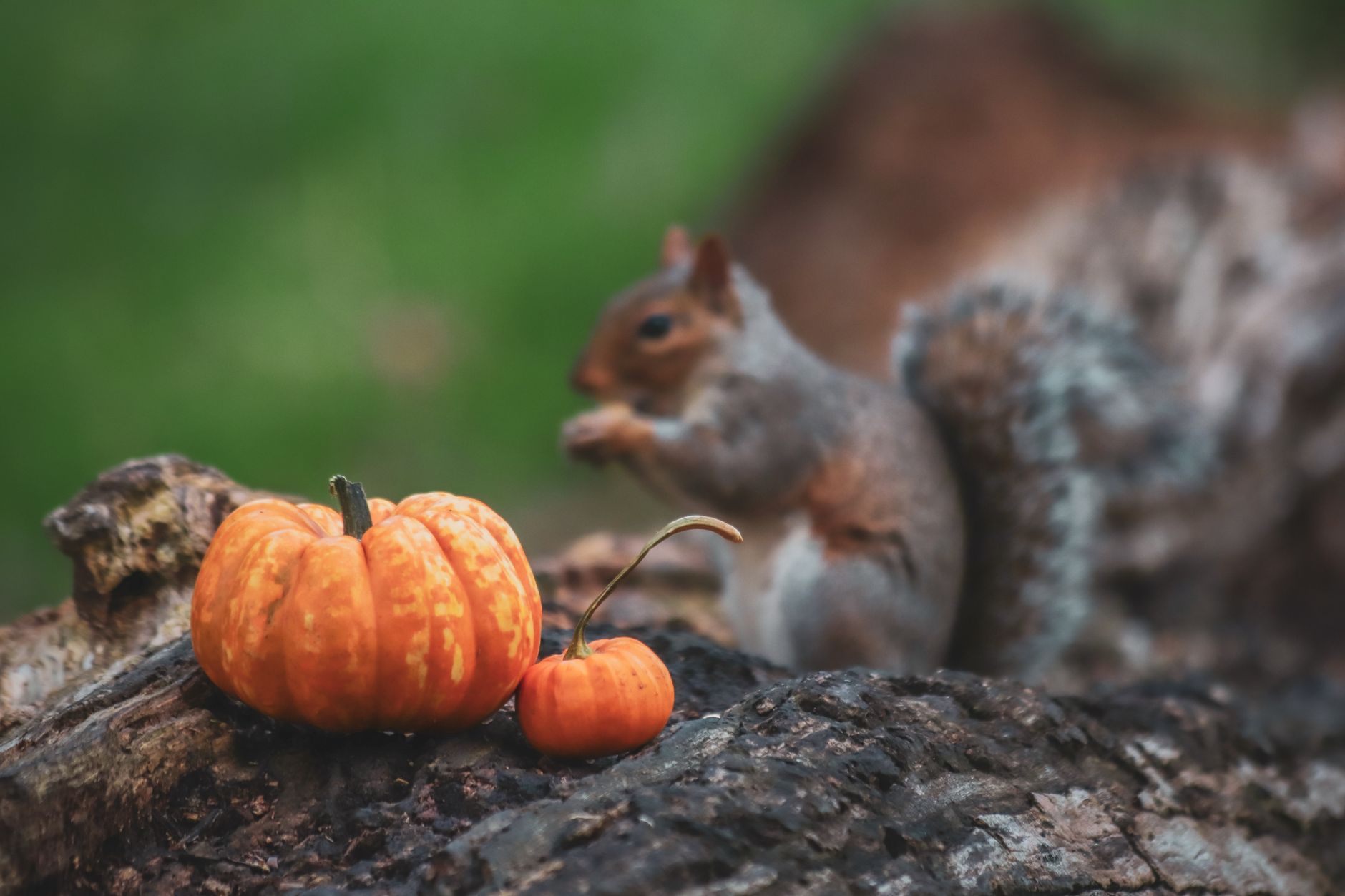
- Squirrels and Chipmunks: Rodents enjoy both the flesh and, especially, the seeds of pumpkins.
- Raccoons: These opportunistic omnivores are notorious for their pumpkin-eating habits, often making a mess in the process.
- Birds: Some birds, particularly crows and waterfowl, will peck at pumpkins, consuming both the flesh and seeds.
- Groundhogs: Similar to rabbits, groundhogs can cause significant damage by consuming large portions of pumpkins.
- Opossums: Opossums are another opportunistic feeder that might enjoy pumpkins left in the garden.
Minimizing Pumpkin Consumption by Wildlife
While pumpkins can be a valuable food source for wildlife, excessive consumption can lead to problems for farmers and homeowners. Here are some strategies to mitigate these issues:
- Fencing: Erecting sturdy fences around pumpkin patches or gardens is an effective way to deter larger animals like deer.
- Repellents: Using animal repellents, either commercially available or homemade (such as those containing hot pepper), can discourage feeding.
- Harvesting Promptly: Collecting pumpkins as soon as they are ripe reduces the window of opportunity for wildlife to access them.
- Diversionary Tactics: Providing alternative food sources, like piles of corn or other grains, can sometimes distract animals from pumpkins.
- Netting: Covering pumpkins with netting can prevent birds and smaller animals from reaching them.
Are Pumpkins Harmful to Wildlife?
While pumpkins are generally safe for wildlife to consume, there are a few potential concerns:
- Mold: Decaying pumpkins can develop mold, which can be harmful to animals. Ensure pumpkins are relatively fresh.
- Pesticides: If pumpkins were treated with pesticides, these chemicals could pose a risk to wildlife.
- Overconsumption: In rare cases, excessive consumption of pumpkins might lead to digestive upset in some animals.
Comparing Pumpkin Consumption Among Species
| Animal | Preferred Pumpkin Part | Impact on Pumpkin Patch | Deterrent Methods |
|---|---|---|---|
| Deer | Flesh | High | Fencing, Repellents |
| Rabbits | Flesh | Moderate | Fencing, Netting, Repellents |
| Squirrels | Seeds, Flesh | Moderate | Trapping, Netting, Repellents |
| Raccoons | Flesh | High | Trapping, Fencing, Repellents |
| Birds | Seeds, Flesh | Low | Netting, Bird Scarers |
| Groundhogs | Flesh | Moderate | Fencing, Trapping |
Frequently Asked Questions (FAQs)
Will squirrels eat pumpkins?
Yes, squirrels are avid consumers of pumpkins, particularly the seeds. They may also nibble on the flesh, especially if it’s easily accessible or other food sources are scarce.
Do deer eat pumpkins, and how much damage can they do?
Deer absolutely eat pumpkins, and they can cause significant damage. A herd of deer can decimate a pumpkin patch in a short amount of time, consuming both the pumpkins and the vines.
Are pumpkins a good source of food for birds?
While not all birds are pumpkin enthusiasts, some, like crows and waterfowl, will peck at pumpkins to access the seeds and flesh. The seeds provide a valuable source of fat and protein, particularly during migration.
What about raccoons? Do they like pumpkins?
Raccoons are opportunistic omnivores and are definitely attracted to pumpkins. They can make a mess while feeding, often leaving behind scattered pumpkin pieces and claw marks.
Will rabbits eat pumpkins in my garden?
Yes, rabbits will readily eat pumpkins, especially the tender flesh. They can cause considerable damage to smaller pumpkin patches or individual plants.
Are pumpkin seeds safe for all wildlife?
Pumpkin seeds are generally safe and nutritious for most wildlife. However, it’s best to offer them in moderation, as excessive consumption could lead to digestive upset.
Is there a way to make pumpkins less appealing to wildlife without using harmful chemicals?
Yes, using natural repellents like those containing cayenne pepper or garlic can deter wildlife. Fencing and netting are also effective physical barriers.
What should I do if wildlife is consistently eating my pumpkins?
First, identify the culprit. Then, implement a combination of deterrent methods, such as fencing, repellents, and prompt harvesting. Trapping may be necessary in some cases, but consult local regulations first.
Can I leave leftover pumpkins out for wildlife after Halloween?
While it seems like a kind gesture, it’s generally not recommended to leave out large quantities of decaying pumpkins. The mold can be harmful, and it can attract unwanted pests. Small, fresh pieces are less problematic.
Are there certain types of pumpkins that wildlife prefers?
Generally, wildlife isn’t too picky about the specific type of pumpkin. However, sweeter varieties might be slightly more appealing. Smaller pumpkins are easier for some animals to access.
How can I tell if wildlife is eating my pumpkins versus some other issue?
Look for distinct signs of animal feeding, such as bite marks, claw marks, scattered pumpkin pieces, and droppings. Also, consider using motion-activated cameras to identify the culprit.
Is feeding pumpkins to wildlife ever a bad idea?
While providing a food source can be beneficial, overfeeding can disrupt natural foraging behaviors and create dependency. It’s best to offer pumpkins in moderation and only when natural food sources are scarce. Understanding what wildlife will eat pumpkins is just part of being responsible.