
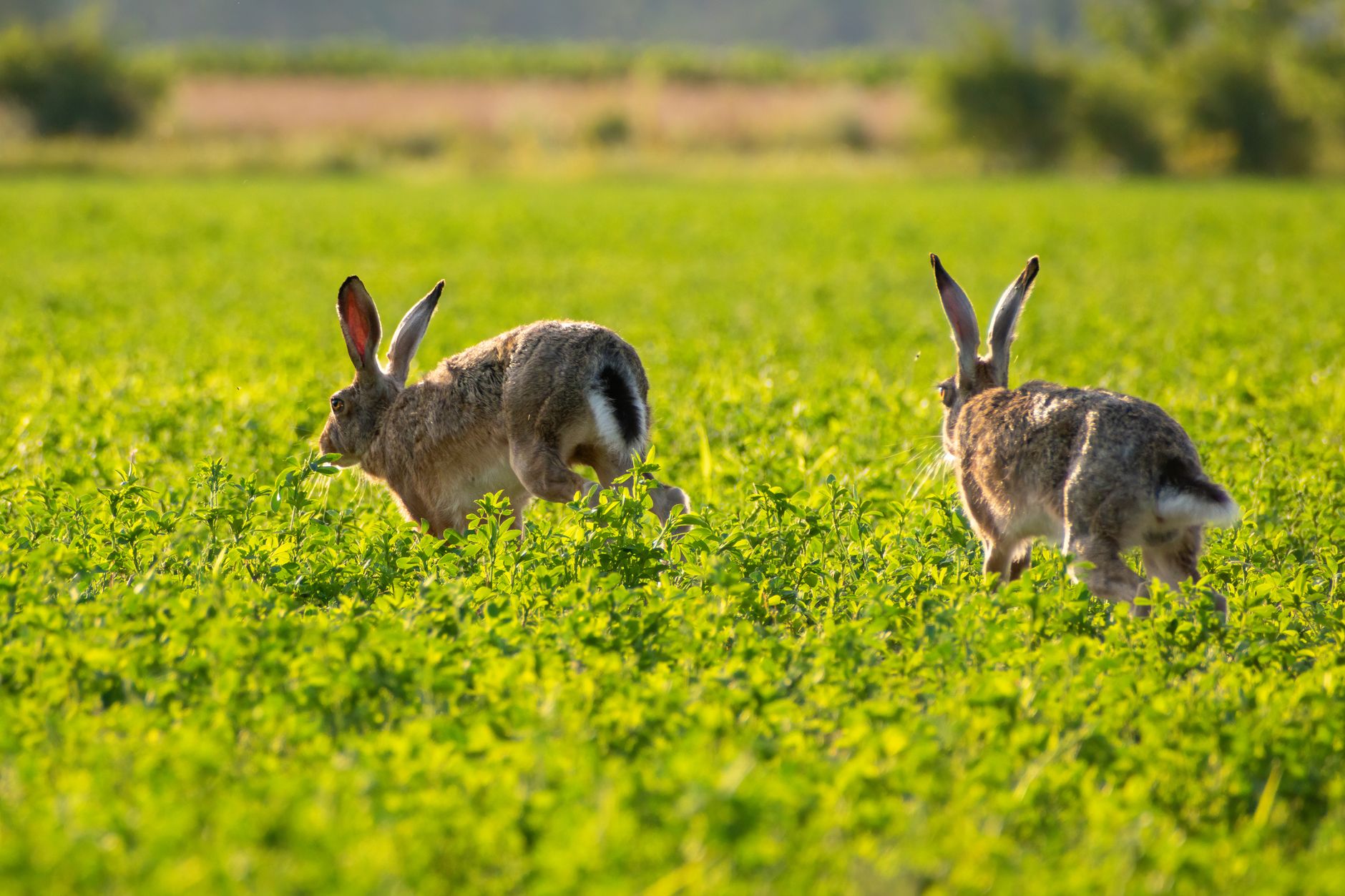
Does Lion Poo Deter Rabbits? A Comprehensive Look
The effectiveness of using lion poo to deter rabbits is a subject of much debate. The short answer: The evidence suggests it’s unlikely to be a reliable and long-term deterrent. While the novelty might temporarily scare them, rabbits are adaptable creatures.
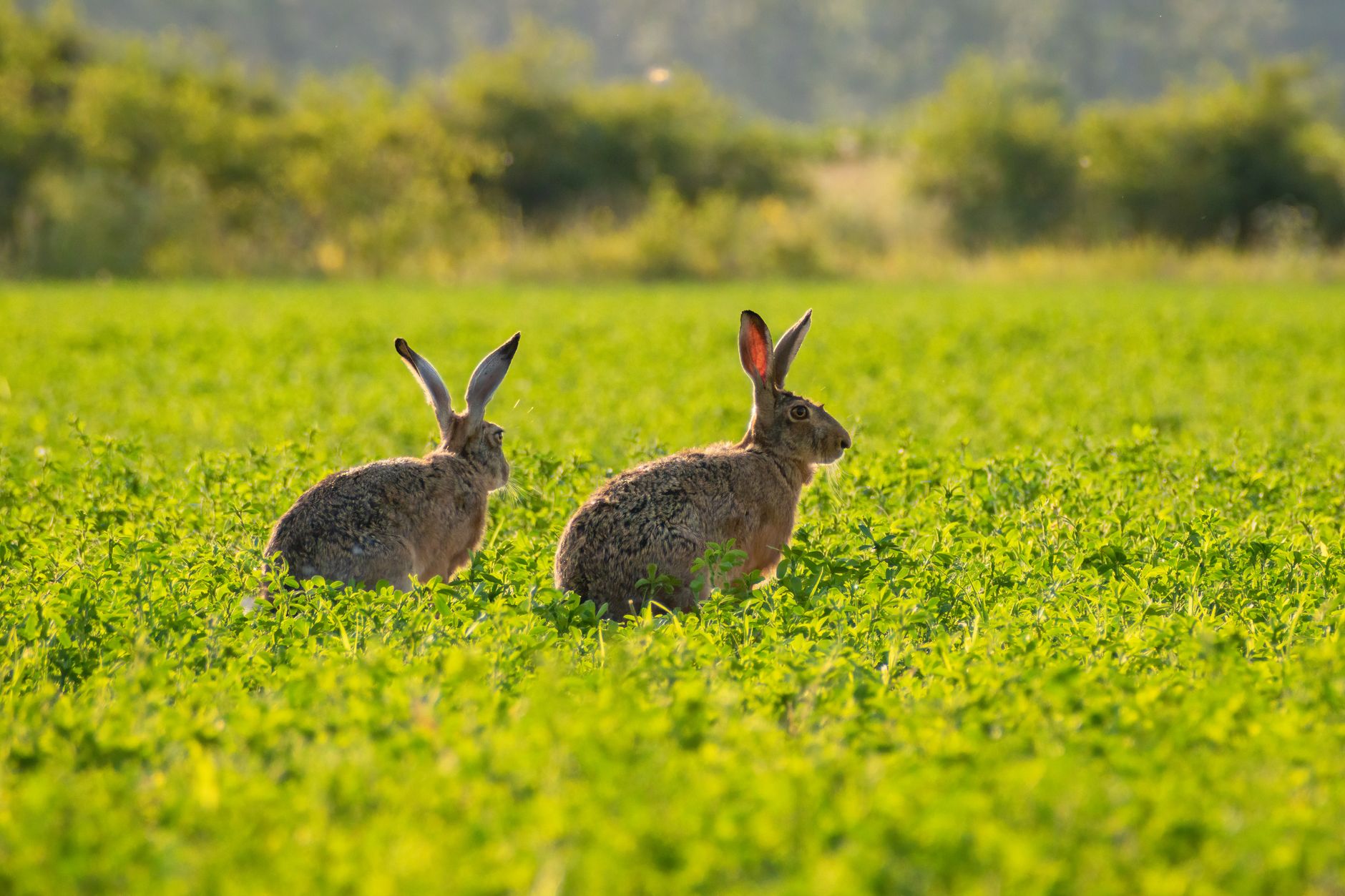
Introduction: The Rabbit Predicament and Novel Solutions
Rabbits, adorable as they may seem, can wreak havoc on gardens and agricultural lands. Their voracious appetites lead to the destruction of seedlings, vegetables, flowers, and even young trees. This damage prompts many gardeners and landowners to seek humane and effective methods to keep these furry pests at bay. Traditional methods often involve fencing, repellents, and trapping. However, the search for simpler, more natural solutions continues, leading some to consider unconventional deterrents, such as the scent of a predator.
The idea of using lion poo as a rabbit deterrent stems from the intuitive understanding that rabbits, as prey animals, are naturally wary of predators. Lions, being apex predators, represent a significant threat. Logically, the scent of a lion might signal danger and prompt rabbits to avoid the area. However, the real-world effectiveness of this approach is far from guaranteed and merits careful examination.
The Science Behind Predator Scents

The use of predator scents as a deterrent is rooted in the concept of behavioral ecology. Animals often respond to chemical cues, or pheromones, in their environment. These cues can signal danger, food availability, or the presence of potential mates. In the case of predator scents, the expectation is that the scent will trigger an innate fear response in prey animals, causing them to avoid the area.
However, the success of this approach depends on several factors, including:
- Concentration of the scent: The scent needs to be strong enough to be detected and trigger a response.
- Freshness of the scent: Scents degrade over time, losing their effectiveness.
- Habituation: Prey animals can become accustomed to the scent if it is consistently present without any actual threat.
- Other environmental factors: Wind, rain, and temperature can all affect the persistence and effectiveness of the scent.
The Reality of Lion Poo as a Rabbit Deterrent
While the theory behind using lion poo as a deterrent is sound, the practical application is fraught with challenges.
- Availability: Obtaining genuine lion poo can be difficult and expensive. It’s not readily available at most garden centers.
- Authenticity: There’s no guarantee that commercially available products claiming to contain lion poo are authentic or effective.
- Application: Even if authentic lion poo is obtained, applying it correctly is crucial. Simply scattering it around the garden is unlikely to be effective.
- Persistence: Lion poo, like any organic material, will decompose over time, requiring frequent replenishment.
- Habituation: Rabbits are intelligent and adaptable creatures. If they consistently encounter the scent of a lion without any actual threat, they are likely to become habituated to it and ignore it.
Alternative and More Reliable Rabbit Deterrents
Given the challenges associated with using lion poo, several more reliable and readily available rabbit deterrents are worth considering:
- Fencing: Physical barriers are often the most effective way to keep rabbits out of gardens. Chicken wire or hardware cloth can be used to create a barrier around vulnerable plants.
- Repellents: Numerous commercial rabbit repellents are available. These repellents typically contain ingredients that rabbits find distasteful, such as capsaicin (the active ingredient in chili peppers) or bitter substances.
- Plant selection: Some plants are naturally resistant to rabbits. Consider planting these in your garden to reduce the risk of damage. Examples include marigolds, daffodils, and lavender.
- Habitat modification: Removing brush piles and other potential rabbit habitats from your yard can make it less attractive to them.
- Guard Animals: Dogs and cats can effectively deter rabbits from your property simply by their presence and hunting instincts.
Does Lion Poo Deter Rabbits?: A Critical Assessment
The question remains: Does lion poo deter rabbits? While anecdotal evidence and theoretical reasoning might suggest a positive effect, the overall conclusion, based on scientific understanding and practical considerations, is that it’s unlikely to be a reliable or sustainable solution. The logistical challenges of obtaining and maintaining the scent, coupled with the potential for habituation, make it a less practical choice compared to other, more conventional methods.
The effectiveness of lion poo as a rabbit deterrent hinges more on perception than substantial effect. While a perceived threat, such as the scent of a predator, might provide a temporary reduction in rabbit activity, this is unlikely to be sustainable in the long term. It is crucial to adopt multiple deterring strategies to effectively control rabbit presence and minimize damage to gardens.
| Deterrent | Effectiveness | Cost | Availability | Maintenance |
|---|---|---|---|---|
| Lion Poo | Low | High | Low | High |
| Fencing | High | Moderate | High | Low |
| Commercial Repellents | Moderate | Moderate | High | Moderate |
| Plant Selection | Moderate | Low | High | Low |

Frequently Asked Questions (FAQs)
What is the main reason why lion poo might not work as a rabbit deterrent?
The primary reason is habituation. Rabbits are intelligent animals and quickly learn to distinguish between a real threat and a false alarm. If they consistently encounter the scent of a lion without any actual predator, they will likely become habituated to it and ignore it.
Where can I buy lion poo?
Genuine lion poo is not readily available at most retail outlets. Some zoos or exotic animal farms may sell it, but authenticity can be difficult to verify. Online sources should be approached with caution.
How often would I need to replace the lion poo in my garden?
The frequency of replacement depends on factors such as weather and decomposition rate. Generally, it would need to be replaced every few weeks to maintain a consistent scent, making it a high-maintenance solution.
Are there any environmental concerns associated with using lion poo?
There may be biosecurity concerns associated with introducing exotic animal waste into a new environment. It’s essential to ensure the product is properly treated to minimize the risk of introducing harmful pathogens or parasites.
Is it cruel to use predator scents to deter rabbits?
Using predator scents is generally considered a humane method of deterring rabbits, as it relies on their natural fear response rather than causing direct harm.
What are some common ingredients in commercial rabbit repellents?
Common ingredients include capsaicin (from chili peppers), putrescent egg solids, and bitter substances. These ingredients make plants taste or smell unpleasant to rabbits.
How should I apply rabbit repellent for best results?
Follow the manufacturer’s instructions carefully. Generally, you should apply the repellent to all parts of the plants that rabbits are likely to eat, and reapply after rain or irrigation.
What plants are naturally rabbit-resistant?
Examples include marigolds, daffodils, lavender, alliums, and many herbs. These plants often have strong scents or textures that rabbits find unappealing.
Does the time of year affect rabbit activity?
Yes, rabbits are typically most active during the spring and summer months, when they are breeding and raising their young.
Are there any legal restrictions on using certain rabbit deterrents?
It’s essential to check your local regulations regarding the use of traps or other potentially harmful methods of pest control. Repellents are generally permitted but always review local guidelines.
Will lion poo affect other animals in my garden, such as squirrels or birds?
While primarily targeted towards rabbits, the scent of lion poo may deter other small mammals, such as squirrels. Birds are unlikely to be affected.
What is the best long-term strategy for managing rabbits in my garden?
A combination of fencing, repellent use, and habitat modification is generally the most effective long-term strategy for managing rabbits in your garden. Regular monitoring and adjustments to your approach are crucial for sustained success.