

What Spider Looks Like a Scorpion Without a Tail? An In-Depth Guide
The spider that most closely resembles a scorpion without a tail is the pseudoscorpion, also known as a book scorpion or false scorpion, belonging to the order Pseudoscorpiones. They possess flattened bodies and large, scorpion-like pincers but lack the characteristic stinging tail.
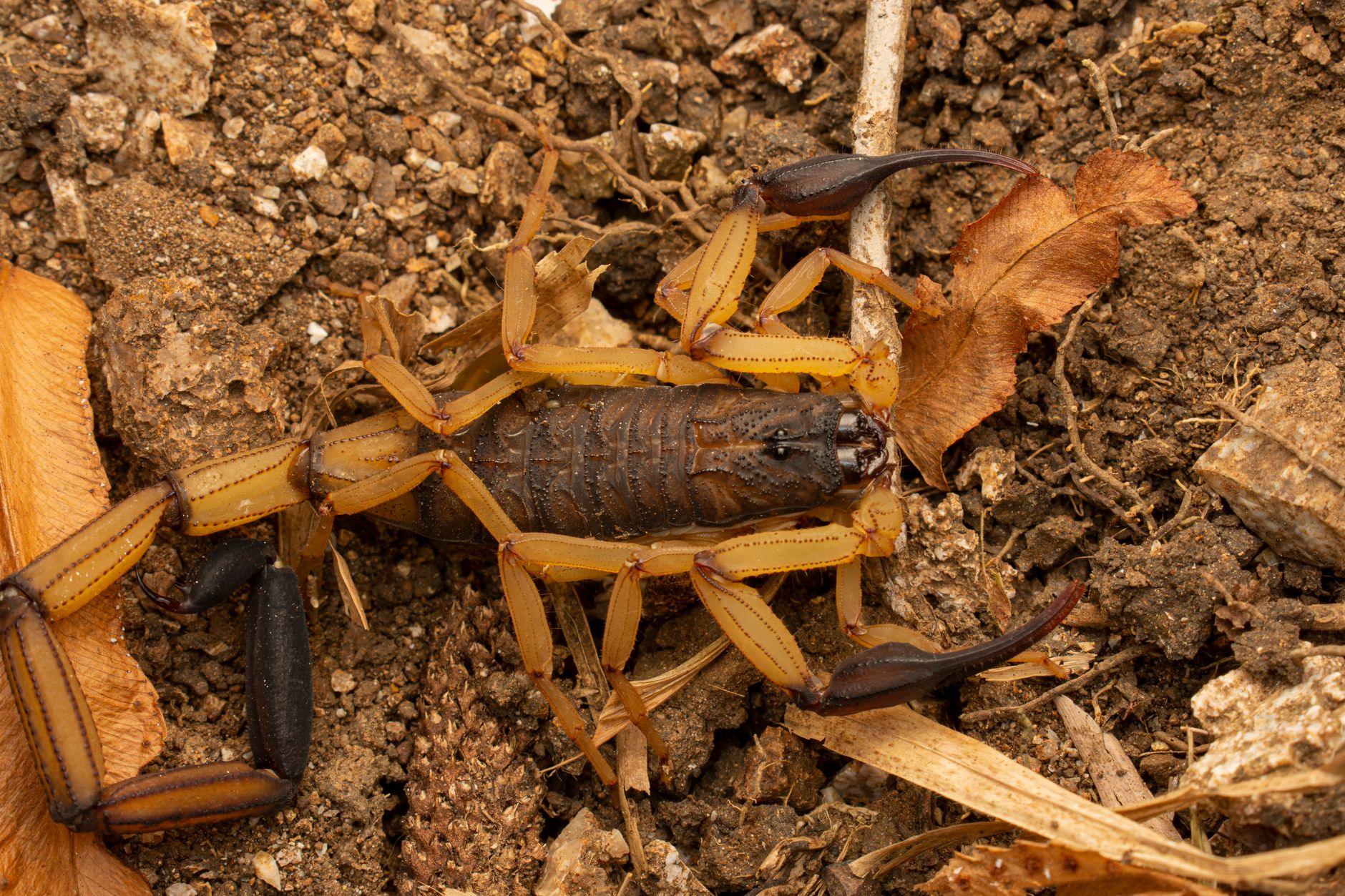
Introduction: Unveiling the World of Pseudoscorpions
Pseudoscorpions are fascinating arachnids often overlooked due to their small size and secretive nature. While they may evoke images of miniature, harmless scorpions, they are distinct creatures with unique adaptations and ecological roles. Understanding their characteristics and behavior allows us to appreciate their importance in various ecosystems. What spider looks like a scorpion without a tail? It’s a question that leads us directly to the peculiar world of these tiny predators.
Identifying Characteristics of Pseudoscorpions

Identifying a pseudoscorpion requires a keen eye, as they are typically less than 8 millimeters long. Their key features include:
- Body Shape: Flattened and pear-shaped.
- Pincers (Pedipalps): Large, prominent, and scorpion-like; used for catching prey and mating.
- Absence of Tail: This is the defining characteristic that distinguishes them from true scorpions.
- Number of Legs: Eight legs, like all arachnids.
- Silk Production: Some species can spin silk from glands in their chelicerae (mouthparts), using it to build nests or molting chambers.
- Color: Varies depending on the species, ranging from pale tan to dark brown.
Habitat and Distribution
Pseudoscorpions are found worldwide in diverse habitats, including:
- Leaf Litter: They thrive in damp leaf litter and soil.
- Under Bark: Found beneath the bark of trees and logs.
- Bird Nests: Often inhabit bird nests, feeding on mites and other small arthropods.
- Buildings: Some species can be found in buildings, particularly in libraries and old homes (hence the name “book scorpion”).
- Agricultural Settings: Found in compost piles and other areas with decaying organic matter.
Feeding Habits and Ecological Role
Pseudoscorpions are beneficial predators that play an important role in controlling populations of small insects and mites. Their diet consists primarily of:
- Mites
- Small insects
- Larvae
- Springtails
- Booklice
They capture their prey with their powerful pincers and inject venom to subdue them. Their presence can help regulate pest populations in gardens and homes.
Reproduction and Life Cycle
Pseudoscorpions have a complex mating ritual that often involves elaborate dances and the transfer of a spermatophore (a packet of sperm). The female may carry the eggs in a brood pouch attached to her abdomen. After hatching, the young pseudoscorpions, called nymphs, undergo several molts before reaching adulthood.

Human Interactions: Are Pseudoscorpions Harmful?
Pseudoscorpions are completely harmless to humans. They do not bite or sting, and they pose no threat to property or pets. In fact, they are beneficial creatures that help control populations of other pests. Their presence in homes is generally a sign of a healthy ecosystem.
Common Misconceptions About Pseudoscorpions
One common misconception is that pseudoscorpions are baby scorpions. This is incorrect. They are a separate order of arachnids, closely related to scorpions but lacking the tail and stinger. Another misconception is that they are pests. In reality, they are beneficial predators that help control populations of other pests. When asking what spider looks like a scorpion without a tail? the pseudoscorpion truly stands out.
Why Understanding Pseudoscorpions Matters
Understanding pseudoscorpions is important for several reasons:
- Ecological Importance: They play a crucial role in maintaining biodiversity and regulating pest populations.
- Conservation Efforts: Understanding their habitat requirements is essential for conserving these fascinating creatures.
- Education: Learning about pseudoscorpions can help dispel misconceptions and promote a greater appreciation for the natural world.
- Pest Control: Recognizing them as beneficial predators can encourage more sustainable pest control practices.
| Feature | Pseudoscorpion | Scorpion | Spider |
|---|---|---|---|
| Tail | Absent | Present with stinger | Absent |
| Pincers | Prominent | Prominent | Usually absent |
| Body Shape | Flattened, pear-shaped | Elongated | Varied |
| Silk Spinning | Some species | No | Most species |
| Venom | Present in pincers | Present in tail stinger | Present in fangs |
| Habitat | Leaf litter, bark, nests | Deserts, forests | Varied |
| Relationship | Order Pseudoscorpiones | Order Scorpiones | Order Araneae |
| What spider looks like a scorpion without a tail? | Closest resemblance | Distant relative | No resemblance |
Frequently Asked Questions (FAQs)
What do pseudoscorpions eat?
Pseudoscorpions are carnivorous predators that feed on small insects, mites, springtails, and other tiny invertebrates. They use their strong pincers to grasp their prey and inject venom to paralyze or kill them.
Are pseudoscorpions dangerous to humans or pets?
No, pseudoscorpions are completely harmless to humans and pets. They do not bite or sting, and their venom is not potent enough to affect larger animals.
How big do pseudoscorpions get?
Pseudoscorpions are quite small, typically measuring between 2 and 8 millimeters in length. This small size allows them to live in tight spaces and hidden environments.
Where can I find pseudoscorpions?
Pseudoscorpions can be found in a variety of habitats, including leaf litter, under bark, in soil, in bird nests, and even in buildings. They prefer damp, dark, and sheltered environments.
How long do pseudoscorpions live?
The lifespan of pseudoscorpions varies depending on the species, but they can typically live for 2 to 3 years.
Do pseudoscorpions spin webs?
While most spiders are known for their webs, only some species of pseudoscorpions can spin silk. They use it to build nests for molting or overwintering, not for catching prey.
What is the purpose of the pseudoscorpion’s pincers?
The pincers, or pedipalps, of pseudoscorpions serve multiple purposes, including capturing prey, defending themselves, sensing their environment, and participating in mating rituals.
How do pseudoscorpions reproduce?
Pseudoscorpions have a complex mating ritual involving elaborate dances and the transfer of a spermatophore. The female may carry the eggs in a brood pouch until they hatch.
Are pseudoscorpions related to scorpions?
Yes, pseudoscorpions are closely related to scorpions, both belonging to the class Arachnida. However, they are in a separate order (Pseudoscorpiones) and lack the characteristic tail of scorpions. This is exactly what spider looks like a scorpion without a tail?
What is phoresy, and how does it relate to pseudoscorpions?
Phoresy is a behavior where one organism uses another organism for transportation. Some pseudoscorpions exhibit phoresy, attaching themselves to larger insects or mammals to disperse to new habitats.
Are pseudoscorpions beneficial to have in my garden?
Yes, pseudoscorpions are considered beneficial in gardens because they prey on mites, small insects, and other pests that can damage plants.
How can I attract pseudoscorpions to my garden?
Creating a favorable habitat can attract pseudoscorpions. This includes providing leaf litter, mulch, and other organic matter where they can find food and shelter. Avoid using pesticides, which can harm these beneficial creatures.