

Understanding the Voles: What is the Lifespan of a Vole?
The average lifespan of a vole is surprisingly short, typically ranging from 3 to 6 months in the wild, although some can survive up to a year under optimal conditions. Environmental factors, predation, and reproductive stress are major contributors to this limited lifespan.

Introduction: A Brief Look at Vole Biology
Voles are small, rodent-like mammals belonging to the Cricetidae family, often mistaken for mice or moles. These creatures are widespread across North America, Europe, and Asia, occupying diverse habitats from grasslands and meadows to forests and tundra. Understanding their biology, particularly their lifespan, is crucial for ecological studies, pest management, and general appreciation of these often-overlooked animals. What is the lifespan of a vole? is a question that prompts us to explore the many challenges they face in the wild.
Factors Influencing Vole Lifespan
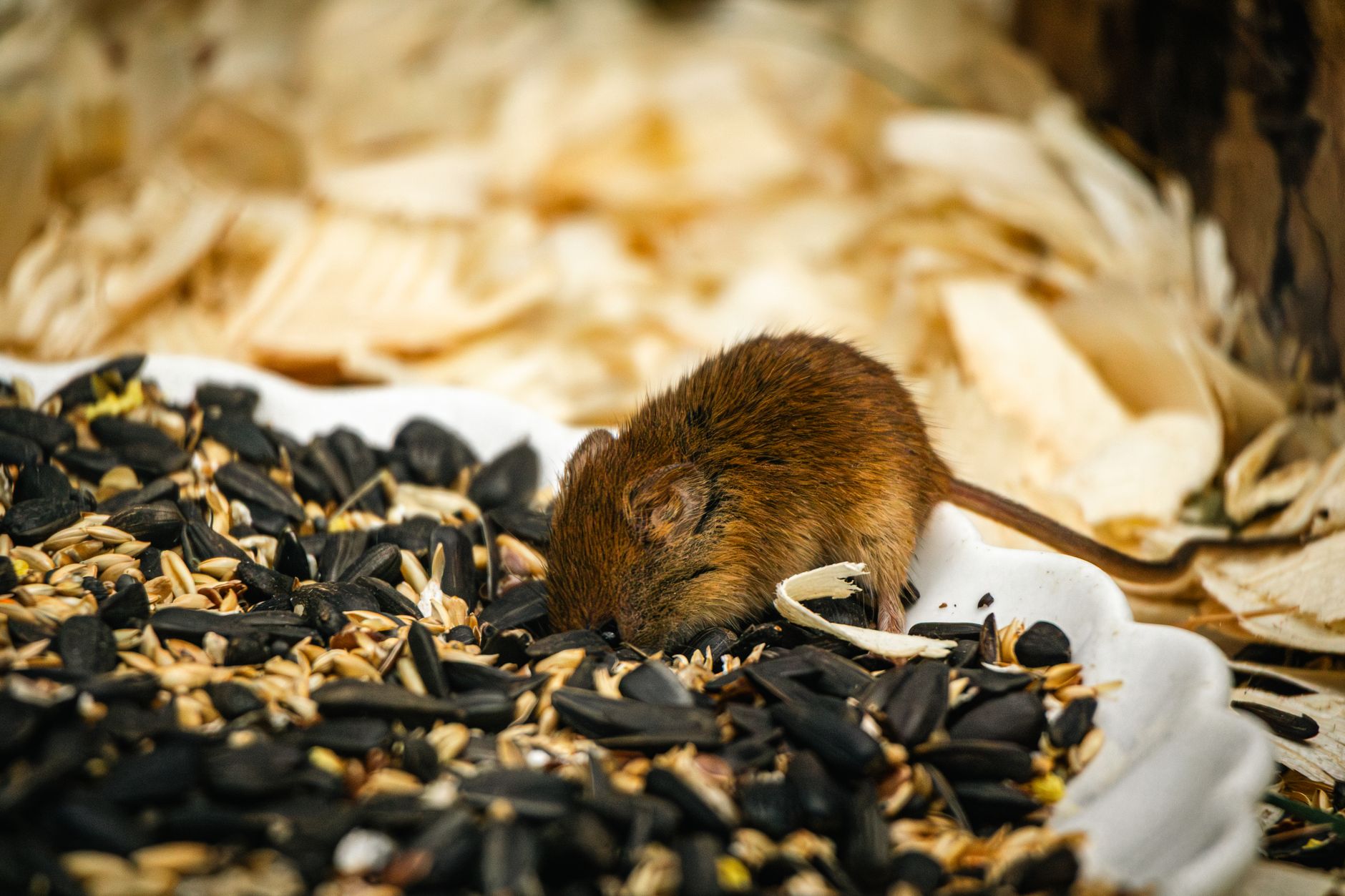
Several factors contribute to the tragically short life expectancy of voles. These influences can be broadly categorized as environmental, biological, and anthropogenic (human-related).
- Predation: Voles are a primary food source for a wide array of predators, including owls, hawks, foxes, weasels, snakes, and even domestic cats. This constant threat significantly reduces their chances of survival.
- Environmental Conditions: Harsh weather conditions, such as severe winters or prolonged droughts, can deplete food resources and increase vole mortality. Extreme temperatures also impact their energy expenditure, leading to increased vulnerability.
- Disease and Parasites: Like all animals, voles are susceptible to various diseases and parasites, which can weaken their immune systems and shorten their lifespan.
- Reproductive Stress: Female voles, in particular, experience significant physiological stress due to their high reproductive rates. Frequent pregnancies and lactation can take a toll on their bodies, decreasing their overall health and longevity.
- Food Availability: Fluctuations in food supply directly impact vole populations and lifespan. During periods of scarcity, competition increases, and weaker individuals are less likely to survive.
- Habitat Quality: Degraded or fragmented habitats offer less protection from predators and limit access to essential resources, negatively affecting vole survival rates.
Comparing Vole Lifespans Across Species
While the general lifespan of a vole falls within the 3- to 6-month range, there are notable variations depending on the species. Below is a table illustrating the typical lifespan of a few common vole species:
| Vole Species | Typical Lifespan (Months) | Primary Habitat |
|---|---|---|
| Meadow Vole | 3-6 | Grasslands, Meadows |
| Woodland Vole | 6-12 | Forests, Woodlands |
| Prairie Vole | 3-6 | Prairies, Agricultural Fields |
| Montane Vole | 4-8 | Mountainous Regions, Subalpine Areas |
It’s important to note that these are average lifespans, and individual voles may live longer or shorter lives depending on specific environmental conditions and individual health.
Vole Reproduction: A Trade-off for Longevity
Voles are known for their remarkable reproductive capabilities. They can reproduce multiple times per year, with each litter containing several offspring. This high reproductive rate is an evolutionary adaptation that allows vole populations to persist despite their high mortality rates. However, this intensive reproductive effort comes at a cost. The energy expenditure associated with pregnancy and lactation can significantly shorten the lifespan of female voles. The question, what is the lifespan of a vole?, is inextricably linked to their prolific breeding habits.
Human Impact on Vole Lifespan
Human activities can have both direct and indirect effects on vole populations and their lifespans. Habitat destruction, due to urbanization and agriculture, is a major threat. Additionally, the use of pesticides and rodenticides can directly poison voles or indirectly affect them by reducing their food supply or weakening their immune systems. Climate change, driven by human activity, is also altering vole habitats and affecting their food availability, further impacting their lifespan and overall health.

Frequently Asked Questions (FAQs)
What is the typical gestation period for a vole?
The gestation period for voles is relatively short, typically lasting between 20 to 22 days. This short gestation allows for rapid reproduction, contributing to their ability to quickly repopulate areas even with high mortality rates.
How many litters can a female vole have in a year?
A female vole can have multiple litters in a single year, often ranging from 3 to 6 litters, depending on the species and environmental conditions. This prolific breeding is a key characteristic of vole populations.
Are voles active during the day or night?
Voles are generally crepuscular, meaning they are most active during dawn and dusk. However, they may also be active at other times of the day or night, especially when seeking food or avoiding predators.
What is the average litter size for a vole?
The average litter size for voles varies depending on the species, but it typically ranges from 3 to 6 pups per litter. Larger litter sizes are more common during periods of abundant food resources.
Do voles live in colonies or are they solitary animals?
The social behavior of voles varies by species. Some vole species, such as prairie voles, are highly social and live in family groups or colonies. Other species, like meadow voles, are more solitary, except during breeding season.
What do voles eat?
Voles are primarily herbivores, feeding on a variety of plants, including grasses, seeds, roots, and bark. During winter months, they may also consume twigs and the cambium layer of trees. Their diet heavily influences their survival and overall health.
How do voles contribute to the ecosystem?
Voles play a crucial role in the ecosystem as both prey and seed dispersers. They serve as a food source for various predators and contribute to the dispersal of seeds, helping to maintain plant diversity and forest regeneration.
How do voles differ from mice or shrews?
While voles may resemble mice or shrews, they have distinct characteristics. Voles typically have shorter tails, smaller eyes, and blunt noses compared to mice. Unlike shrews, which are insectivores, voles are primarily herbivores.
Can voles be considered pests?
In certain situations, voles can be considered pests, especially in agricultural settings or gardens. They can damage crops, ornamental plants, and tree roots. However, their ecological role should also be considered.
How can vole populations be managed humanely?
Humane vole management strategies include habitat modification, such as removing dense vegetation that provides cover for voles, and using exclusion methods, like installing fences or tree guards. Trapping and relocation may also be considered, but should be done carefully and ethically.
What is the longest recorded lifespan of a vole in captivity?
While the lifespan of voles in the wild is typically short, some individuals in captivity, with access to consistent food and protection from predators, have lived for up to 2 years or more. This demonstrates the impact of environmental stressors on their lifespan.
Why is understanding the lifespan of a vole important for conservation efforts?
Understanding the what is the lifespan of a vole? is critical for conservation efforts because it helps us assess the health and stability of vole populations. By understanding the factors that affect vole lifespan, we can develop strategies to mitigate threats, protect their habitats, and ensure the long-term survival of these important creatures. Knowing the factors impacting vole populations helps build better conservation efforts.