

What Sharks Live Alone?: Exploring the Solitary World of Sharks
The majority of shark species lead largely solitary lives, but some are more famously independent than others. Understanding what sharks live alone requires exploring the life cycles and behaviors that define these remarkable, individualistic predators.

Introduction: The Allure of the Solitary Shark
Sharks, often portrayed as fearsome pack hunters, evoke images of coordinated attacks and schools of razor-sharp teeth. While some species do exhibit social behaviors, the reality is that many, perhaps even most, shark species live solitary lives for a significant portion of their existence. This independence is a defining characteristic that influences their hunting strategies, migration patterns, and overall survival. The answer to what sharks live alone isn’t a simple list; it’s an exploration of adaptation and ecological niche.
What is the GREY African clawed frog?
Is distilled water good for goldfish?
What colours are fish most attracted to?
Can you put your finger in a trout's mouth?
Defining Solitary: Beyond the Lone Wolf
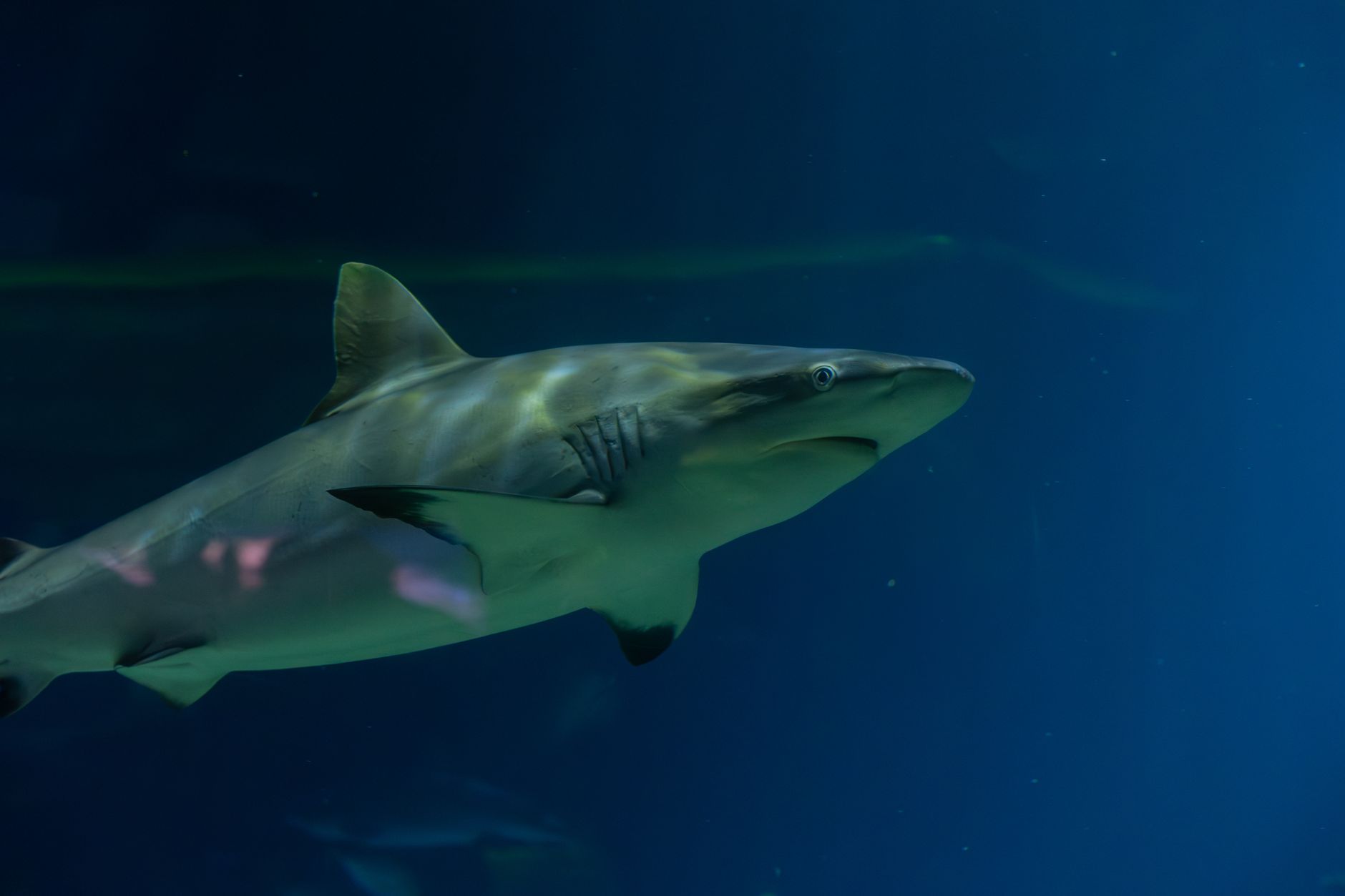
Before identifying which sharks favor solitude, it’s crucial to define what “solitary” means in the context of shark behavior. It doesn’t necessarily imply complete isolation. Instead, it suggests that these sharks:
- Spend the vast majority of their time alone, except during mating season.
- Hunt independently, relying on individual skill and strategy.
- Don’t form lasting social bonds or participate in cooperative behaviors.
- Maintain relatively large territories, minimizing encounters with conspecifics (members of the same species).
Prominent Solitary Shark Species
Several shark species are known for their solitary lifestyles. These sharks have evolved adaptations that allow them to thrive as independent hunters and survivors. Understanding what sharks live alone requires examining specific examples:
- Great White Shark ( Carcharodon carcharias): While occasionally observed in loose aggregations around seal colonies, Great Whites are primarily solitary hunters, covering vast distances in search of prey. Their massive size and powerful hunting techniques make them capable of tackling large prey without assistance.
- Tiger Shark ( Galeocerdo cuvier): The opportunistic Tiger Shark is another predominantly solitary species. Its diverse diet and adaptability allow it to thrive in a wide range of environments without relying on social interactions.
- Thresher Sharks (Alopias spp.): These sharks, with their distinctively long caudal fins, are generally solitary hunters of schooling fish, which they stun using their fins.
- Goblin Shark (Mitsukurina owstoni): This deep-sea dwelling shark is rarely seen and almost certainly solitary, given its habitat and hunting style.
- Nurse Sharks (Ginglymostoma cirratum): Often found resting on the seabed, nurse sharks are mostly nocturnal and solitary, although they may sometimes aggregate in small groups.
The Evolutionary Advantages of Solitary Living
Solitary behavior in sharks offers several evolutionary advantages:
- Reduced Competition: Living alone minimizes competition for resources, particularly food. Solitary sharks can exploit their territory without sharing with others.
- Specialized Hunting Strategies: Solitary hunters can develop highly specialized hunting techniques tailored to their specific prey and environment.
- Lower Risk of Disease Transmission: Reduced social interaction lowers the risk of spreading diseases within a population.
- Efficient Energy Expenditure: Less energy is expended on social interactions and hierarchical squabbles, allowing more energy to be directed towards hunting and survival.
When Solitary Sharks Gather: Exceptions to the Rule
Even predominantly solitary shark species may occasionally aggregate under certain circumstances:
- Mating Season: During breeding season, solitary sharks may congregate in specific areas to find mates. These gatherings are usually temporary.
- Abundant Food Sources: If a large concentration of prey becomes available, solitary sharks may temporarily gather to take advantage of the opportunity. However, these gatherings are often driven by resource availability rather than social bonds.
- Pupping Grounds: Some species may gather in specific areas to give birth, though the mothers typically do not remain to raise their young.
Sharks Often Mistaken for Social Species
It’s important to distinguish between species that truly exhibit social behaviors and those that simply aggregate due to environmental factors. For example:
- Hammerhead Sharks (Sphyrna spp.): While some hammerhead species, such as the scalloped hammerhead, form large schools, these aggregations are often seasonal and may be driven by migration patterns or breeding opportunities.
- Reef Sharks (Carcharhinus spp.): Certain reef shark species may be observed in small groups, but their interactions are often opportunistic rather than indicative of complex social structures.
| Shark Species | Social Behavior Level | Primary Lifestyle |
|---|---|---|
| Great White Shark | Low | Solitary |
| Tiger Shark | Low | Solitary |
| Thresher Shark | Low | Solitary |
| Scalloped Hammerhead | Moderate | Group/Schooling |
| Reef Shark | Low-Moderate | Variable |
Understanding the Ecosystems Where Solitary Sharks Thrive
The prevalence of solitary sharks varies across different marine ecosystems. Deep-sea environments, characterized by scarcity of resources, often favor solitary lifestyles. Conversely, coastal environments with abundant prey may support both solitary and social shark species.
Frequently Asked Questions (FAQs)
Are all sharks solitary creatures?
No, not all sharks are solitary. While many species exhibit primarily solitary behavior, others, like some hammerhead sharks and certain reef sharks, are known to form schools or groups, particularly during specific times of the year or at certain life stages.
What is the primary reason sharks live alone?
The primary reason sharks live alone is to reduce competition for resources, particularly food. This is especially important for larger, apex predator species.
Do solitary sharks ever interact with other sharks?
Yes, solitary sharks do interact with other sharks on occasion, primarily during mating season or when a large food source becomes available. However, these interactions are usually brief and do not indicate long-term social bonds.
How do solitary sharks find mates?
Solitary sharks find mates through a combination of sensory cues, including olfactory signals (pheromones) and the detection of receptive individuals through long-distance swimming and territorial patrolling.
Are solitary sharks more dangerous than social sharks?
There is no direct correlation between social behavior and the dangerousness of a shark. A shark’s potential threat to humans is more related to its size, hunting behavior, and the circumstances of any encounter.
Do juvenile sharks tend to be more social than adult sharks?
While the specific behavior varies depending on the species, juvenile sharks are sometimes observed in aggregations for protection from predators or to learn hunting techniques. However, as they mature, they often transition to a more solitary lifestyle.
What happens to solitary sharks if their territory is invaded?
If a solitary shark’s territory is invaded, the resident shark may display aggressive behaviors, such as fin displays, jaw gaping, or even direct attacks, to defend its territory. However, the outcome depends on the size and strength of both individuals.
How does the lifespan of a shark affect its social behavior?
Generally, longer-lived sharks may develop more complex social behaviors compared to shorter-lived species. However, even long-lived sharks can maintain primarily solitary lifestyles.
Is the solitary behavior of sharks linked to their hunting success?
Yes, the solitary behavior of sharks is often directly linked to their hunting success. Solitary hunters can develop specialized techniques and exploit specific niches more effectively than sharks that must compete for resources within a group.
Are there any conservation concerns specific to solitary shark species?
Yes, solitary shark species can face unique conservation challenges, particularly due to their wide-ranging movements and the difficulty in tracking and monitoring their populations. Overfishing and habitat degradation can significantly impact these vulnerable species.
Can environmental changes affect the solitary behavior of sharks?
Environmental changes can indeed affect the solitary behavior of sharks. For example, changes in prey distribution or water temperature could force solitary sharks to alter their hunting patterns or migrate to new areas, potentially leading to increased interactions with other sharks.
What is the impact of ghost fishing gear on solitary sharks?
Ghost fishing gear poses a significant threat to solitary sharks. Entanglement in abandoned or lost fishing nets can lead to injury, starvation, and ultimately, death. As solitary animals, these sharks have limited capacity to seek help and remove themselves from such situations.