

What Problems Do Groundhogs Cause?
Groundhogs, while often seen as quaint, can create significant problems by burrowing extensively, damaging gardens, agricultural land, and even building foundations, leading to potentially costly repairs.
Introduction to the Woodchuck Woes
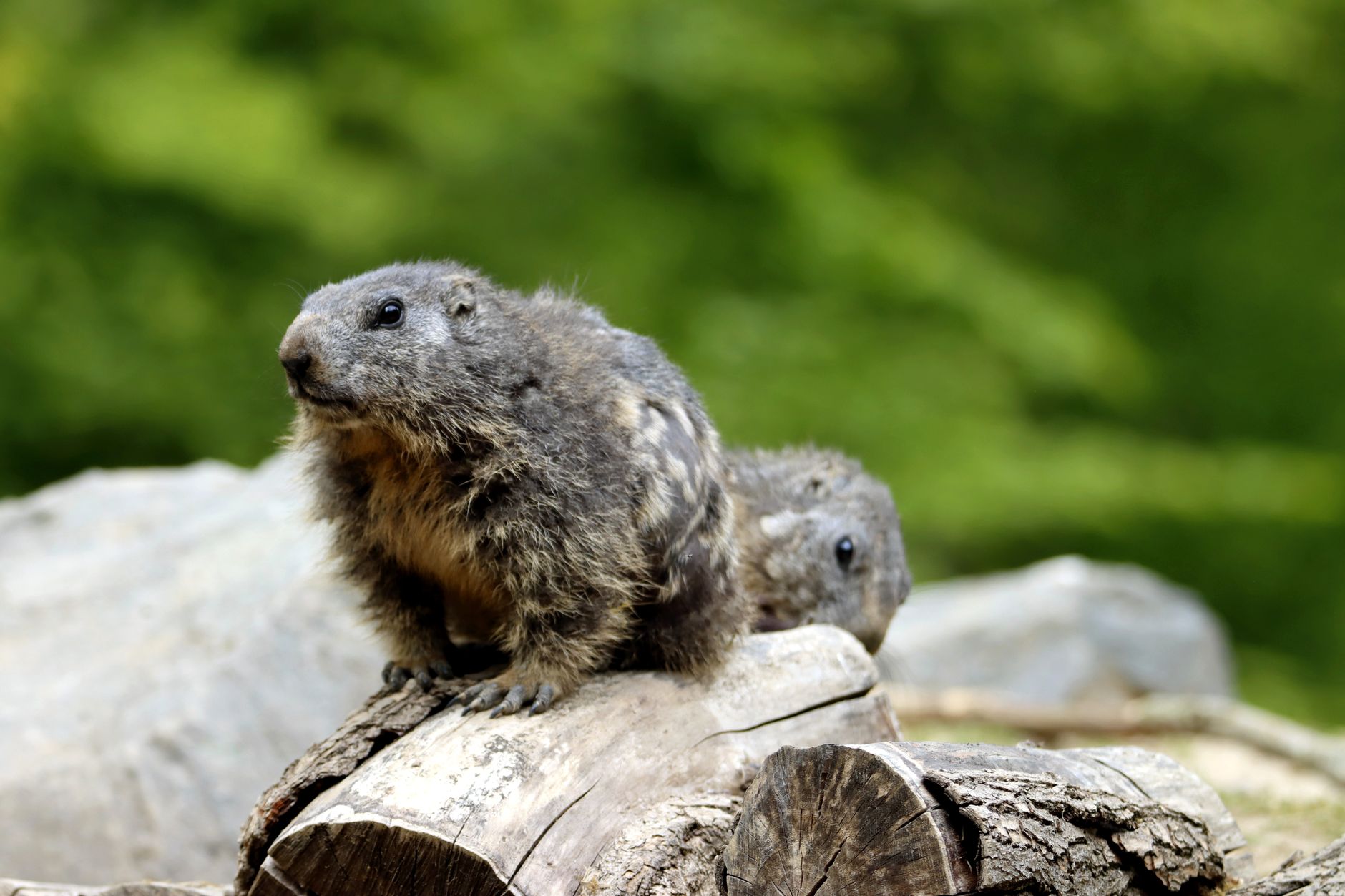
The groundhog, also known as the woodchuck, is a common sight across North America. These members of the squirrel family are fascinating creatures, known for their hibernating habits and their role in weather lore. However, their powerful digging abilities and insatiable appetite for vegetation can make them a nuisance for homeowners, farmers, and landowners alike. Understanding the specific ways in which what problems do groundhogs cause is crucial for implementing effective preventative and control measures.
Agricultural Damage: A Farmer’s Frustration

For farmers, the presence of groundhogs can be particularly devastating. Their burrows can disrupt agricultural practices, and their feeding habits can decimate crops.
- Crop Consumption: Groundhogs are voracious eaters, consuming a wide variety of plants, including soybeans, alfalfa, clover, peas, beans, and corn. This direct consumption can lead to significant yield losses and reduced profits.
- Burrowing in Fields: The extensive tunnel systems created by groundhogs can disrupt tilling, harvesting, and irrigation practices. Farmers may also face the risk of farm equipment being damaged by collapsing burrows.
- Competition with Livestock: Groundhogs compete with livestock for forage, potentially reducing the amount of food available for grazing animals.
Garden Havoc: A Gardener’s Grief
Home gardeners often bear the brunt of groundhog damage. These animals can quickly demolish a carefully cultivated garden, leaving behind a trail of destruction.
- Plant Predation: Groundhogs will happily feast on a wide range of garden vegetables, fruits, and ornamental plants. Tomatoes, lettuce, carrots, and melons are particularly vulnerable.
- Burrowing Under Structures: Groundhogs may burrow under sheds, decks, and patios, compromising their structural integrity and potentially leading to costly repairs.
- Unsightly Burrows: The presence of numerous groundhog burrows can detract from the aesthetic appeal of a garden or lawn, creating unsightly mounds of dirt.
Structural Threats: Foundation Fears
The burrowing habits of groundhogs can extend beyond gardens and fields, posing a threat to the structural integrity of buildings.
- Undermining Foundations: Groundhogs often burrow near building foundations, creating tunnels that can weaken the soil and cause structural instability. This can lead to cracks in walls, shifting foundations, and even structural collapse.
- Damage to Underground Utilities: Groundhog burrows can damage underground utilities, such as pipes and cables, leading to costly repairs and potential safety hazards.
- Erosion and Soil Instability: The extensive tunnel systems created by groundhogs can contribute to soil erosion and instability, particularly on slopes and embankments.
Hazards to Pets and Livestock
Beyond property damage, groundhogs can also pose a threat to the health and safety of pets and livestock.
- Trip Hazards: Groundhog burrows can create trip hazards for pets, livestock, and humans. This is especially problematic in areas with dense vegetation, where burrows may be hidden from view.
- Disease Transmission: While rare, groundhogs can carry diseases that can be transmitted to pets and livestock, such as rabies and tularemia.
- Injuries from Falls: Livestock, especially horses, can be injured if they step into a groundhog burrow and fall.
Preventative Measures: A Proactive Approach
While eliminating groundhogs entirely may not be feasible, there are several preventative measures that can be taken to minimize their impact.

- Fencing: Installing a sturdy fence around gardens or vulnerable areas can deter groundhogs from entering. The fence should be buried at least 12 inches deep to prevent them from digging underneath.
- Repellents: Various commercial repellents are available that can deter groundhogs from feeding on plants. These repellents often contain ingredients like castor oil or garlic.
- Habitat Modification: Removing brush piles, tall grass, and other potential hiding places can make an area less attractive to groundhogs.
- Professional Wildlife Control: For severe infestations, it may be necessary to hire a professional wildlife control company to trap and remove groundhogs.
Frequently Asked Questions
What is the typical lifespan of a groundhog?
The average lifespan of a groundhog in the wild is 3 to 6 years. Groundhogs in captivity can live longer, sometimes reaching 10 years or more. Factors affecting lifespan include predation, disease, and access to food and shelter.
How deep can a groundhog burrow be?
Groundhog burrows can be surprisingly extensive. They often consist of a main entrance and several secondary entrances, and the tunnels can extend up to 50 feet in length and 5 feet deep.
Are groundhogs active during the day or night?
Groundhogs are primarily diurnal, meaning they are most active during the day. They typically emerge from their burrows in the early morning and late afternoon to forage for food.
What is the groundhog’s diet composed of?
Groundhogs are herbivores, and their diet consists primarily of grasses, clover, alfalfa, fruits, vegetables, and grains. They are opportunistic feeders and will consume a wide variety of plants depending on availability.
Do groundhogs hibernate?
Yes, groundhogs are true hibernators. They enter a state of torpor during the winter months, during which their body temperature drops dramatically, and their heart rate slows to just a few beats per minute.
How do I identify a groundhog burrow?
Groundhog burrows typically have a large main entrance that is approximately 10-12 inches in diameter. There is usually a mound of dirt near the entrance, and the burrow may have several secondary entrances.
Are groundhogs aggressive animals?
Groundhogs are generally not aggressive animals and will typically flee if threatened. However, they may bite or scratch if cornered or feel threatened.
What are some natural predators of groundhogs?
Groundhogs have several natural predators, including coyotes, foxes, bobcats, hawks, and owls.
Is it legal to trap and relocate groundhogs?
Regulations regarding the trapping and relocation of groundhogs vary by state and local jurisdiction. It is important to check with your local wildlife agency before attempting to trap and relocate groundhogs. In some areas, it is illegal to relocate them due to the potential for spreading disease.
What are the benefits of having groundhogs in an ecosystem?
Groundhogs play a role in aerating the soil through their burrowing activities, which can improve soil drainage and fertility. Their burrows also provide shelter for other animals, such as rabbits and skunks. However, in most contexts, what problems do groundhogs cause outweighs these benefits.
What are some humane ways to deter groundhogs?
Several humane methods can be used to deter groundhogs, including installing fencing, using repellents, and modifying the habitat. Avoid using inhumane traps or methods that could harm the animals.
What should I do if I find a groundhog burrowing near my house foundation?
If you find a groundhog burrowing near your house foundation, it is important to take action immediately to prevent further damage. You can try to deter the groundhog by using repellents or modifying the habitat. If the problem persists, it may be necessary to consult with a professional wildlife control company. The cost of ignoring this problem far outweighs the cost of prevention or humane removal.