

Are Pigs or Chickens Cleaner? A Surprising Look at Farmyard Hygiene
Determining whether pigs or chickens are cleaner is more nuanced than you might think, but generally, chickens have a slight edge when managed well due to their behaviors, dietary habits, and less messy housing needs, making them potentially slightly cleaner than pigs in certain contexts.

Introduction: Beyond the Stereotypes
The question of “Are pigs or chickens cleaner?” often elicits knee-jerk reactions. Pigs, stereotyped as wallowing in mud, are immediately perceived as less hygienic. Chickens, pecking at the ground, might seem only marginally better. However, a deeper dive into their natural behaviors, management practices, and environmental impact reveals a more complex picture. This exploration aims to unravel the truth behind these perceptions and offer a balanced perspective on farmyard hygiene.
Pig Behavior and Cleanliness
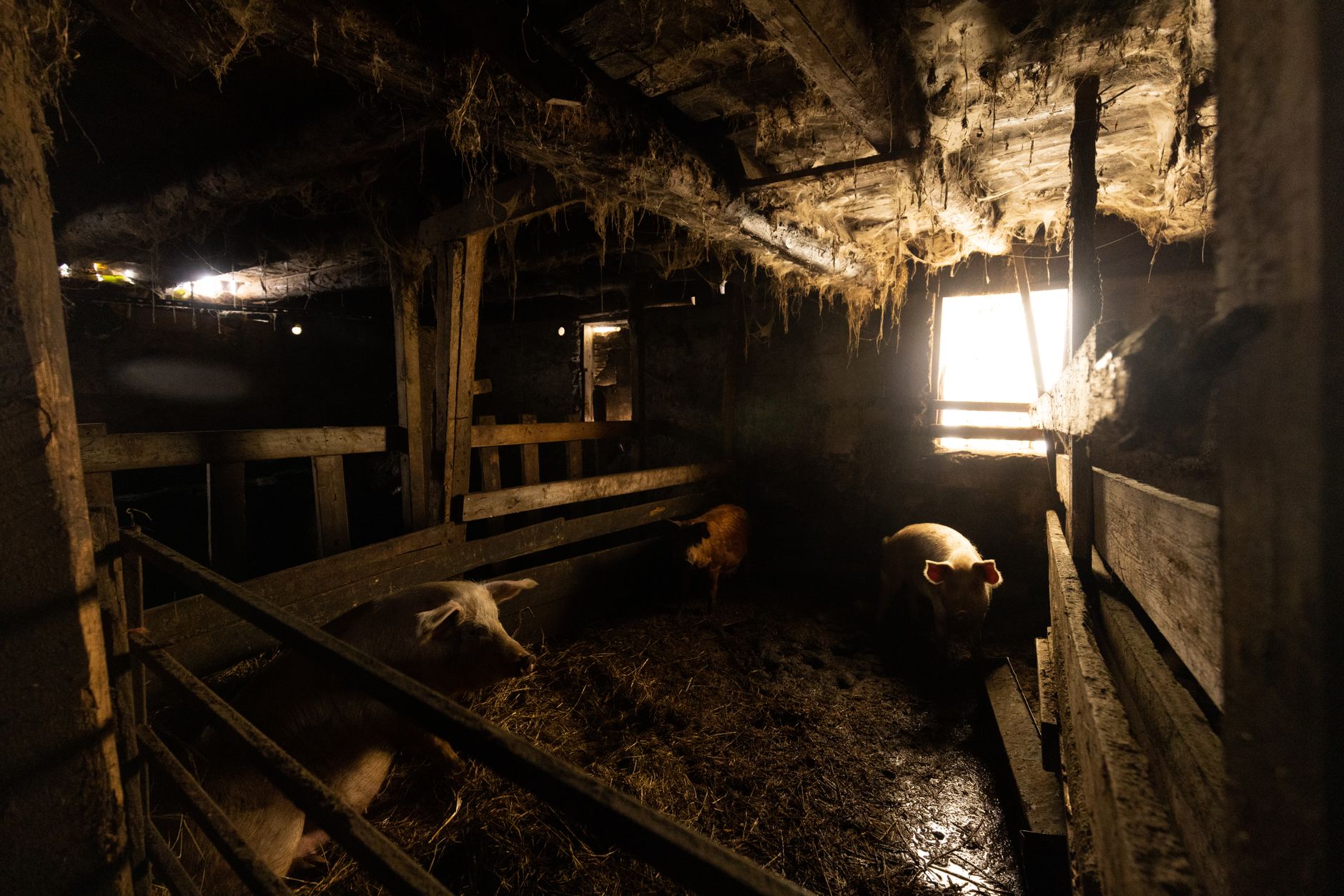
Contrary to popular belief, pigs are naturally clean animals. Given sufficient space and appropriate conditions, they will designate specific areas for sleeping, eating, and toileting. Their predilection for mud is primarily for thermoregulation, as pigs lack sweat glands. The mud helps them cool down in hot weather and protects them from sunburn and insect bites. However, in confined spaces or poorly managed farms, pigs are forced to live in unsanitary conditions, leading to the perception of uncleanliness.
Chicken Behavior and Cleanliness
Chickens, by nature, exhibit behaviors that contribute to their cleanliness. They engage in dust bathing, a process where they cover themselves in dry dirt and dust. This helps to remove excess oil, parasites, and dead skin, keeping their feathers clean and healthy. Furthermore, their dietary habits, which include insects and vegetation, contribute to a relatively cleaner digestive system. However, their propensity for scratching and pecking can stir up dust and droppings, creating air quality issues if not managed properly.
Management Practices: The Key Factor
Ultimately, whether pigs or chickens are cleaner depends heavily on the management practices employed on the farm. Good management involves providing adequate space, proper ventilation, regular cleaning, and appropriate waste disposal systems.
- Pigs: Well-managed pig farms provide separate areas for sleeping, eating, and defecation. Regular cleaning of these areas and proper manure management are crucial for maintaining a hygienic environment.
- Chickens: Clean and dry litter, regular removal of manure, and adequate ventilation are essential for keeping chicken coops clean and healthy. Free-range systems can also contribute to better hygiene, as chickens have more space to roam and forage.
Environmental Considerations
The environmental impact of pig and chicken farming also influences their overall cleanliness rating.
| Factor | Pigs | Chickens |
|---|---|---|
| Manure Management | Large volumes of manure can lead to water and air pollution if not managed correctly. | Smaller volumes of manure, but can still contribute to nutrient runoff. |
| Housing | Require more robust and spacious housing. | Can be housed in smaller spaces, but require careful litter management. |
| Soil Impact | Can cause soil compaction and erosion if overgrazed. | Can contribute to soil nutrient enrichment if properly managed. |
Factors affecting cleanliness in both species
Several factors affect the cleanliness of both pigs and chickens, regardless of their inherent behaviors. These include:
- Stocking Density: Overcrowding leads to unsanitary conditions and increased disease risk.
- Ventilation: Poor ventilation traps moisture and ammonia, creating a breeding ground for bacteria and pathogens.
- Waste Management: Inadequate waste disposal contaminates the environment and attracts pests.
- Health Management: Unhealthy animals are more susceptible to infections and shed more pathogens.
- Diet: Improper diet and digestive issues create wetter, stinkier, manure
Common Misconceptions
One common misconception is that pigs enjoy living in filth. In reality, pigs prefer clean environments and will actively seek out clean areas if given the opportunity. Similarly, it’s often assumed that chickens are inherently cleaner simply because they are smaller and produce less waste. However, without proper management, chicken coops can quickly become breeding grounds for bacteria and parasites. The question ” Are pigs or chickens cleaner? ” must therefore be answered in the context of farming practices.
Best Practices for Ensuring Cleanliness
To ensure the cleanliness of both pigs and chickens, farmers should adopt the following best practices:
- Provide ample space: Adequate space allows animals to exhibit natural behaviors and reduces stress.
- Implement a regular cleaning schedule: Regular cleaning removes waste and prevents the buildup of bacteria and pathogens.
- Ensure proper ventilation: Good ventilation removes moisture and ammonia, improving air quality.
- Practice responsible waste management: Proper manure management prevents environmental contamination and reduces odor.
- Provide a balanced diet: A balanced diet promotes healthy digestion and reduces waste production.
- Follow robust biosecurity measures: Prevent disease introduction and spread through cleanliness of equipment and housing, and by washing hands and boots when entering animal housing.
Frequently Asked Questions (FAQs)
Are pigs actually dirty animals?
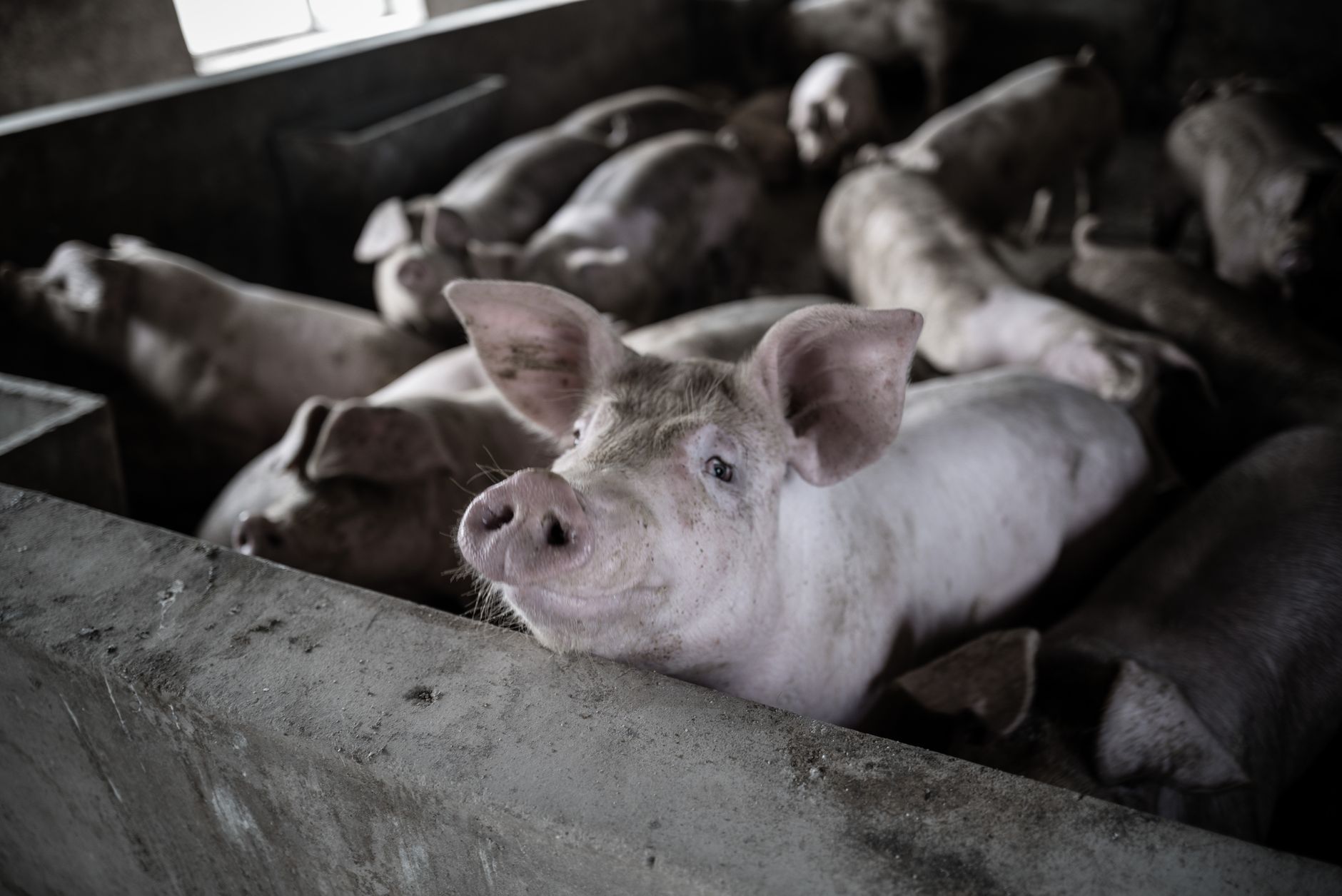
No, pigs are not inherently dirty animals. Their association with dirt stems from their need to cool down in hot weather, leading them to wallow in mud. Given clean conditions and sufficient space, pigs exhibit hygiene comparable to other livestock species.
Do chickens clean themselves?
Yes, chickens clean themselves through a process called dust bathing. They cover themselves in dry dirt and dust, which helps to remove excess oil, parasites, and dead skin from their feathers.
Is pig manure more polluting than chicken manure?
Pig manure, produced in larger volumes, has a higher potential to pollute if not managed properly. Both types of manure can contaminate water sources and release harmful gases, but proper management is crucial for mitigating these risks.
Are free-range chickens cleaner than conventionally raised chickens?
Free-range chickens often benefit from a more natural environment and greater freedom to forage, contributing to better hygiene and reduced disease risk compared to conventionally raised chickens. However, management and environmental conditions still play a crucial role.
What are the best bedding materials for pig pens and chicken coops?
For pigs, straw is a commonly used and effective bedding material. For chickens, wood shavings, straw, and peat moss are all suitable options. The key is to choose materials that are absorbent, easy to clean, and non-toxic.
How often should pig pens and chicken coops be cleaned?
The frequency of cleaning depends on the stocking density and the effectiveness of the waste management system. Generally, pig pens should be cleaned at least once a week, while chicken coops may require cleaning every few days to maintain good hygiene.
Are certain breeds of pigs or chickens cleaner than others?
While breed-specific differences in behavior and temperament exist, there is no definitive evidence to suggest that certain breeds are inherently cleaner than others. Management practices and environmental conditions are far more influential factors.
Can pigs and chickens transmit diseases to humans?
Yes, both pigs and chickens can potentially transmit diseases to humans, although the risk is relatively low with proper hygiene and biosecurity measures. Common zoonotic diseases include salmonellosis and avian influenza.
How can farmers minimize the risk of disease transmission from pigs and chickens?
Farmers can minimize the risk of disease transmission by implementing strict biosecurity protocols, including regular cleaning and disinfection, vaccination programs, and proper waste management. Practicing good personal hygiene, such as handwashing, is also essential.
Is organic pig or chicken farming cleaner than conventional farming?
Organic farming often emphasizes animal welfare and sustainable practices, which can contribute to better hygiene and reduced environmental impact compared to conventional farming. However, even within organic systems, management practices play a crucial role. Whether Are pigs or chickens cleaner? hinges on farming choices.
What role does ventilation play in maintaining cleanliness?
Good ventilation is crucial for maintaining cleanliness as it removes moisture and ammonia from animal housing, preventing the buildup of bacteria and pathogens. Proper ventilation also improves air quality and reduces the risk of respiratory diseases.
What are the long-term benefits of maintaining clean pig and chicken farms?
Maintaining clean pig and chicken farms yields long-term benefits such as improved animal health and welfare, reduced disease incidence, enhanced productivity, and a healthier environment. Ultimately, cleanliness is essential for sustainable and ethical animal agriculture.