

What is the Safest Water for Cats?
The safest water for cats is generally filtered or purified water, as it minimizes the risk of exposure to harmful contaminants and ensures optimal hydration for your feline friend.
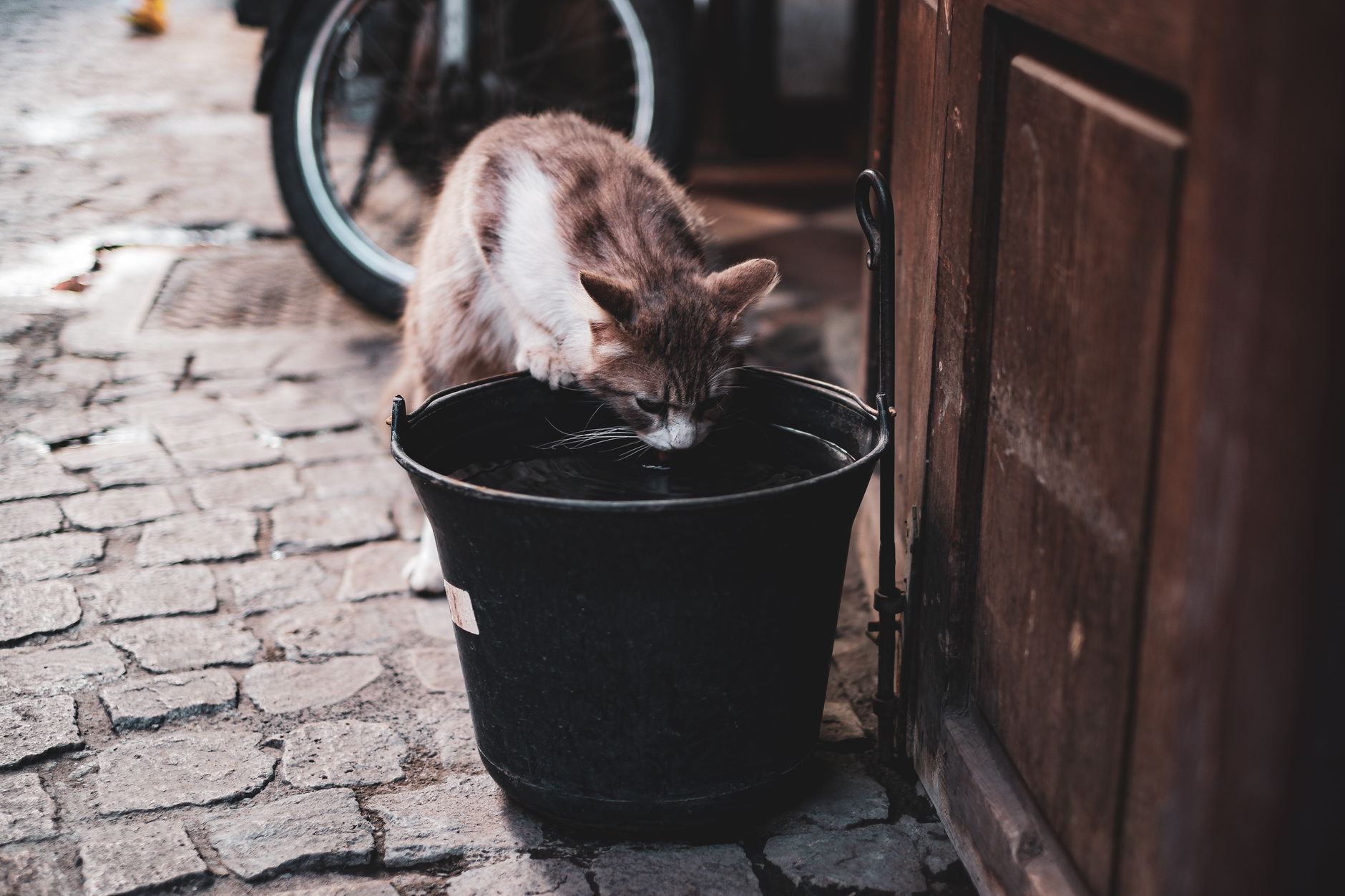
The Importance of Hydration for Cats
Ensuring your cat has access to clean, fresh water is paramount to their overall health and well-being. Dehydration can lead to various health problems, including urinary tract infections, kidney disease, and constipation, all of which are relatively common in cats. Therefore, understanding what is the safest water for cats? is crucial for responsible pet ownership.

Can fish hear water?
How do I add oxygen to my goldfish water?
Do carbon filters remove water hardness?
What is the GREY African clawed frog?
Why Water Quality Matters

While tap water might seem perfectly acceptable, it can contain a range of impurities that could potentially harm your cat. These include:
- Chlorine: Added as a disinfectant, but can affect taste and some believe, digestive health in sensitive cats.
- Fluoride: Added to promote dental health in humans, but its effects on cats are less clear and potentially concerning in larger doses.
- Heavy Metals (Lead, Copper): Can leach from old pipes, posing serious health risks.
- Bacteria and Parasites: While municipal water systems are treated, contamination can still occur.
The Benefits of Filtered or Purified Water
Choosing filtered or purified water offers several distinct advantages:
- Reduced Contaminants: Removes chlorine, fluoride, heavy metals, bacteria, and other potentially harmful substances.
- Improved Taste: Cats are sensitive to taste, and removing impurities can make water more appealing, encouraging them to drink more.
- Enhanced Hydration: If your cat prefers the taste of filtered or purified water, they are more likely to stay adequately hydrated.
- Long-Term Health: By minimizing exposure to harmful contaminants, you support your cat’s long-term health and well-being.
Types of Water Suitable for Cats
Several types of water are considered safe for cats, each with its own advantages and disadvantages:
- Filtered Water: Using a water filter pitcher or faucet filter is an effective and affordable way to remove many common contaminants.
- Purified Water: Undergoes a rigorous process to remove virtually all impurities. Available in bottled form or through specialized filtration systems.
- Distilled Water: A type of purified water that has been boiled and the steam condensed. While very pure, it lacks minerals. Consult your vet before making this a primary source.
- Spring Water: Naturally filtered through underground springs. Opt for reputable brands that test for contaminants.
- Tap Water: If tap water is your only option, let it run for a minute or two before filling your cat’s bowl to flush out any stagnant water from the pipes.
Common Mistakes to Avoid
When it comes to providing water for your cat, avoid these common pitfalls:
- Neglecting Water Bowl Hygiene: Wash your cat’s water bowl daily with soap and water to prevent bacterial growth.
- Using Stagnant Water: Change the water in your cat’s bowl at least once a day, even if it doesn’t appear to be empty.
- Assuming All Bottled Water is Equal: Check the label of bottled water to ensure it is truly purified or spring water, not just tap water in a bottle.
- Ignoring Your Cat’s Preferences: Some cats prefer running water, while others prefer still water. Experiment to find what your cat likes best.
- Not Offering Multiple Water Sources: Place water bowls in various locations around your house to make it easily accessible for your cat. A cat fountain can be a fantastic way to encourage drinking.
The Importance of Regular Vet Checkups
Regular veterinary checkups are essential for monitoring your cat’s overall health, including their hydration levels and kidney function. Your veterinarian can provide personalized recommendations on what is the safest water for cats? based on their specific needs and health history. They can also detect early signs of dehydration or kidney problems, allowing for prompt treatment.
Comparing Water Types for Cats
| Water Type | Advantages | Disadvantages | Considerations |
|---|---|---|---|
| Filtered Water | Affordable, removes many contaminants | Not as pure as purified or distilled water | Replace filters regularly |
| Purified Water | Highly pure, removes virtually all contaminants | Can be more expensive than filtered water | Consider environmental impact of bottled water |
| Distilled Water | Extremely pure | Lacks minerals, not ideal as a sole water source long-term | Consult your vet before using |
| Spring Water | Naturally filtered, may contain beneficial minerals | Quality varies, potential for contamination | Choose reputable brands that test for contaminants |
| Tap Water | Convenient, readily available | May contain contaminants, taste may be unappealing to cats | Let run before use, consider filtering |
Frequently Asked Questions (FAQs)
Is tap water safe for cats?
Tap water can be safe for cats, especially if it is from a reliable municipal source. However, it often contains chlorine, fluoride, and other impurities that can affect its taste and potentially pose health risks to sensitive cats. Therefore, filtered or purified water is generally a safer option.
Can cats drink bottled water?
Yes, cats can safely drink bottled water, especially purified or spring water. Just ensure that the bottled water is from a reputable brand and does not contain any additives or artificial sweeteners. Avoid artificially flavored waters.
Is distilled water good for cats?
While distilled water is very pure, it lacks essential minerals that cats need for optimal health. While safe in moderation, it should not be the sole source of water for your cat over extended periods without veterinary guidance.
How can I encourage my cat to drink more water?
Several strategies can encourage your cat to drink more water, including: offering multiple water bowls in different locations, using a cat fountain, adding a small amount of tuna juice to the water (occasionally), and feeding wet food.
What are the signs of dehydration in cats?
Signs of dehydration in cats include: sunken eyes, lethargy, dry gums, and decreased skin elasticity. If you suspect your cat is dehydrated, seek veterinary attention immediately.
Is rainwater safe for cats to drink?
Rainwater can be contaminated with pollutants, bacteria, and parasites, especially in urban areas. Therefore, it is not recommended as a safe source of drinking water for cats unless properly filtered and treated.
Should I add ice cubes to my cat’s water?
Adding ice cubes to your cat’s water can make it more appealing, especially on hot days. Some cats enjoy playing with ice cubes as well, which can further encourage them to drink.
Can cats drink sparkling water?
Sparkling water is not recommended for cats. The carbonation can cause bloating and discomfort. Plain water is always the best choice.
Are there any specific water filters that are best for cats?
Water filter pitchers or faucet filters that are certified to remove chlorine, heavy metals, and other common contaminants are generally suitable for cats. Look for filters with NSF certification.
How often should I change my cat’s water?
You should change your cat’s water at least once a day, even if it doesn’t appear to be empty. This helps prevent bacterial growth and keeps the water fresh. Clean the water bowl daily with soap and water.
What if my cat only likes drinking from the faucet?
If your cat prefers drinking from the faucet, consider investing in a cat water fountain. These fountains provide a continuous stream of fresh, filtered water that can be very appealing to cats.
Does the material of the water bowl matter?
Yes, the material of the water bowl can matter. Stainless steel and ceramic bowls are generally the best options as they are easy to clean and less likely to harbor bacteria than plastic bowls. Avoid plastic bowls if possible, as they can leach chemicals and cause feline acne.