
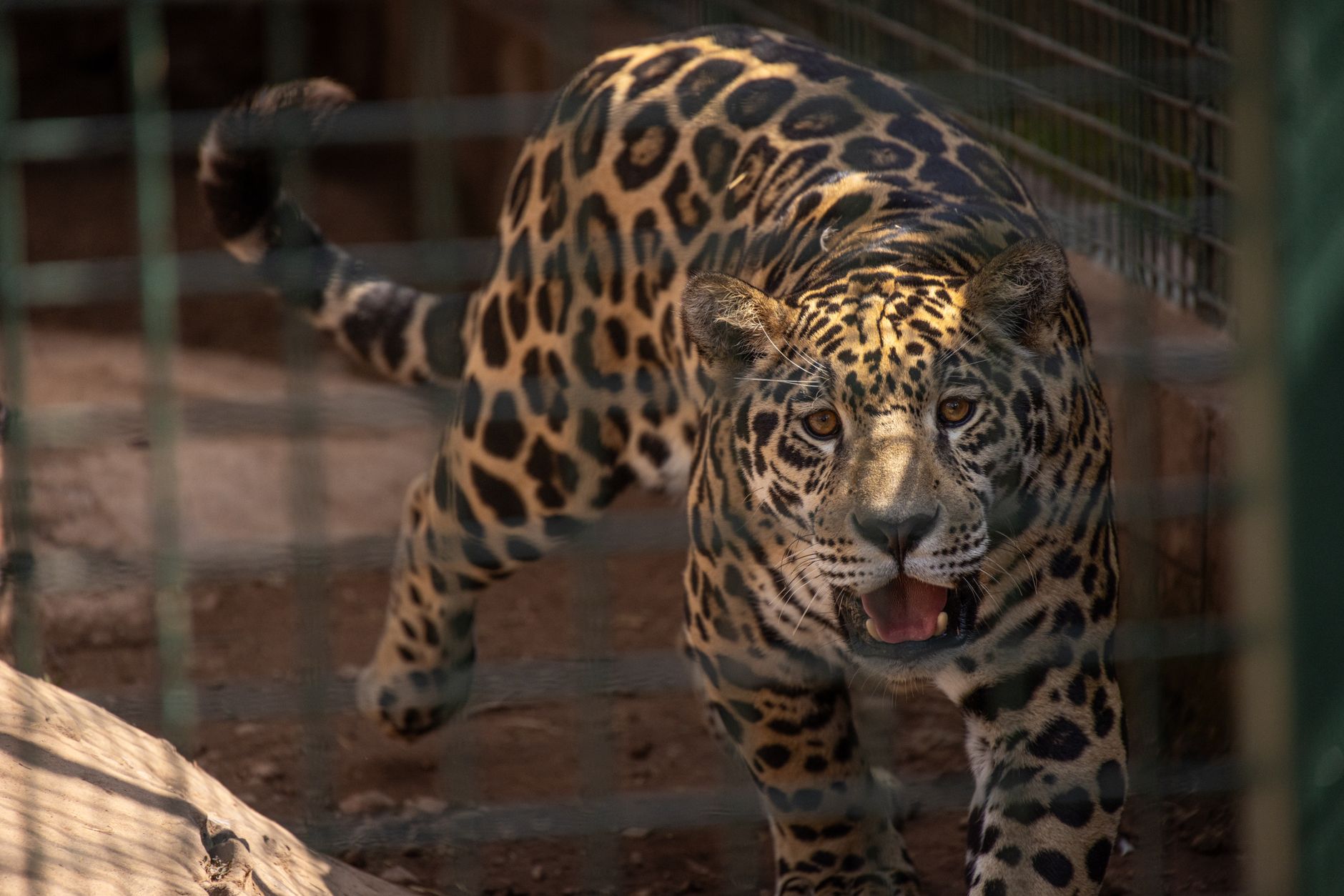
What is the Main Threat to Jaguars? Understanding the Peril Facing These Magnificent Cats
The main threat to jaguars is habitat loss and fragmentation, leading to reduced prey availability, increased human-wildlife conflict, and ultimately, dwindling jaguar populations. These majestic creatures face a precarious future without aggressive conservation efforts.

The Jaguar: A Keystone Species in Peril
The jaguar (Panthera onca) is the largest wild cat in the Americas and a vital keystone species in its ecosystem. Ranging from the southwestern United States (though rarely) to northern Argentina, this apex predator plays a critical role in regulating prey populations and maintaining the health of its habitat. Unfortunately, the jaguar is facing increasing pressure from human activities, leading to a dramatic decline in its numbers and distribution. Understanding the key threats is crucial for developing effective conservation strategies.
Habitat Loss and Fragmentation: The Primary Driver

What is the main threat to jaguars? Without a doubt, habitat loss and fragmentation stand as the most significant driver of jaguar decline. This is largely due to:
- Deforestation: Expanding agriculture, cattle ranching, logging, and mining operations are clearing vast swathes of jaguar habitat.
- Infrastructure Development: Road construction, urbanization, and dam building further fragment existing habitats, isolating jaguar populations.
- Resource Extraction: Oil and gas exploration and extraction, along with other resource industries, destroy and pollute critical jaguar habitat.
When habitats are fragmented, jaguars struggle to find mates, access sufficient prey, and maintain healthy genetic diversity. This isolation makes them more vulnerable to extinction.
Human-Wildlife Conflict: A Deadly Consequence
As jaguar habitats shrink, they are increasingly forced into contact with humans and livestock. This often results in:
- Retaliatory Killings: Jaguars may prey on livestock, leading ranchers to kill them in retaliation.
- Preemptive Killings: Sometimes, jaguars are killed simply out of fear or perceived threat to human safety.
- Poaching: While not as prevalent as habitat loss, poaching for jaguar body parts (particularly teeth and claws) still poses a threat in some regions.
This conflict is exacerbated by a lack of effective livestock management practices and insufficient compensation programs for ranchers who lose animals to jaguar predation.
Prey Depletion: The Food Chain Under Pressure
Habitat loss also directly impacts the availability of prey for jaguars. Deforestation and hunting by humans reduce the populations of:
- Capybaras: A large rodent that is a favorite prey item for jaguars.
- Peccaries: Wild pigs that are also an important food source.
- Deer: Various deer species constitute a significant part of the jaguar’s diet.
- Other mammals and reptiles: Including armadillos, caiman, and tapir, depending on the specific habitat.
When prey becomes scarce, jaguars are forced to travel further to find food, increasing their vulnerability to human conflict and other threats.
The Impact of Climate Change
Climate change is an emerging threat that could further exacerbate the challenges facing jaguars. Alterations in rainfall patterns, increased temperatures, and more frequent extreme weather events can:
- Disrupt Ecosystems: Changes in climate can impact vegetation and prey populations, affecting jaguar food sources.
- Increase Habitat Loss: Rising sea levels and increased droughts can lead to habitat loss and further fragmentation.
- Spread Disease: Changes in climate can alter the distribution of diseases that affect jaguars and their prey.
Conservation Efforts: A Ray of Hope
Despite the many challenges, significant conservation efforts are underway to protect jaguars and their habitats. These include:
- Protected Areas: Establishing and managing national parks and reserves to safeguard critical jaguar habitat.
- Corridor Conservation: Creating and maintaining corridors that connect fragmented habitats, allowing jaguars to move freely and maintain genetic diversity.
- Community Engagement: Working with local communities to promote sustainable land use practices and reduce human-wildlife conflict.
- Anti-Poaching Patrols: Implementing patrols to prevent illegal hunting and trafficking of jaguar body parts.
- Research and Monitoring: Conducting research to better understand jaguar populations, behavior, and threats, and monitoring the effectiveness of conservation efforts.
- Education and Awareness: Raising public awareness about the importance of jaguar conservation.
Table: Key Threats to Jaguars and Mitigation Strategies
| Threat | Description | Mitigation Strategies |
|---|---|---|
| :—————————- | :————————————————————————————————————————————————– | :——————————————————————————————————————————————————– |
| Habitat Loss & Fragmentation | Deforestation, infrastructure development, resource extraction disrupt habitats, isolate populations, and reduce prey availability. | Establish protected areas, create habitat corridors, promote sustainable land use planning, reduce deforestation. |
| Human-Wildlife Conflict | Jaguars prey on livestock, leading to retaliatory killings. Preemptive killings due to fear. Poaching for body parts. | Improve livestock management, provide compensation for livestock losses, implement anti-poaching patrols, educate communities about jaguar conservation. |
| Prey Depletion | Overhunting of jaguar prey species reduces food availability, forcing jaguars to travel further and increasing conflict with humans. | Implement hunting regulations, protect prey species habitat, promote sustainable hunting practices. |
| Climate Change | Alterations in rainfall, increased temperatures, extreme weather events disrupt ecosystems, increase habitat loss, and spread diseases. | Reduce greenhouse gas emissions, adapt to climate change impacts, protect and restore ecosystems that buffer against climate change. |
| Poaching | Illegal hunting for jaguar body parts, driven by demand in certain markets. | Strengthen law enforcement, increase penalties for poaching, reduce demand for jaguar products through education and awareness campaigns. |

Frequently Asked Questions (FAQs)
What is the historical range of jaguars?
Historically, the jaguar’s range extended from the southwestern United States (Arizona, New Mexico, and California) all the way south to Argentina. Today, its range has been significantly reduced, with populations now fragmented and largely concentrated in the Amazon rainforest and the Pantanal wetlands. The species has been extirpated from many areas within its historical range.
What are the physical characteristics of a jaguar?
Jaguars are robust and muscular cats, typically weighing between 100 and 250 pounds. They have a distinctive coat pattern of black spots arranged in rosettes, which helps them camouflage in the dappled light of the forest. Some jaguars are melanistic, meaning they have a completely black coat.
What is the jaguar’s role in the ecosystem?
Jaguars are apex predators, meaning they are at the top of the food chain. They play a crucial role in regulating prey populations and maintaining the balance of the ecosystem. Their presence helps to prevent overgrazing and ensures the health and diversity of plant and animal communities.
What is the current population size of jaguars?
Estimating the precise number of jaguars is challenging due to their elusive nature and the vastness of their range. However, current estimates suggest that there are approximately 173,000 jaguars remaining in the wild. This is significantly lower than historical numbers, and populations are continuing to decline in many areas.
Are jaguars endangered?
The International Union for Conservation of Nature (IUCN) lists the jaguar as ‘Near Threatened’ globally. However, in some regions, particularly in Central America, jaguars are considered to be ‘Endangered’ or ‘Critically Endangered’ due to severe habitat loss and fragmentation.
How do jaguars differ from leopards?
Jaguars and leopards are both spotted cats, but there are several key differences. Jaguars are generally larger and more muscular than leopards. They also have a more robust head and jaw, and their rosettes often have a small black spot in the center. Jaguars are also more closely associated with aquatic habitats than leopards.
What are the main threats to jaguar cubs?
Jaguar cubs face several threats, including predation by other animals such as pumas and snakes. The biggest threat is likely the loss of their mother, due to hunting or other human-related causes. Without their mother, cubs are unlikely to survive.
What can individuals do to help protect jaguars?
Individuals can help protect jaguars by supporting conservation organizations that are working to protect jaguar habitats and reduce human-wildlife conflict. They can also promote sustainable land use practices and reduce their consumption of products that contribute to deforestation.
How can governments contribute to jaguar conservation?
Governments can play a crucial role in jaguar conservation by establishing and managing protected areas, enacting and enforcing anti-poaching laws, and promoting sustainable development policies. International cooperation is also essential to address transboundary threats such as illegal wildlife trade.
What is a jaguar corridor?
A jaguar corridor is a network of protected areas and other areas managed in a way that allows jaguars to move freely between them. These corridors are essential for maintaining genetic diversity and allowing jaguars to access sufficient prey. Creating and maintaining these corridors is a key conservation strategy.
What is the role of local communities in jaguar conservation?
Local communities play a vital role in jaguar conservation. They can serve as stewards of their land, protecting jaguar habitats and reducing human-wildlife conflict. Engaging local communities in conservation efforts is essential for their long-term success.
What is being done to reduce human-jaguar conflict?
Various strategies are being implemented to reduce human-jaguar conflict, including improving livestock management practices, providing compensation for livestock losses, and educating communities about jaguar behavior and conservation. Fencing and using guard animals are also effective methods.