
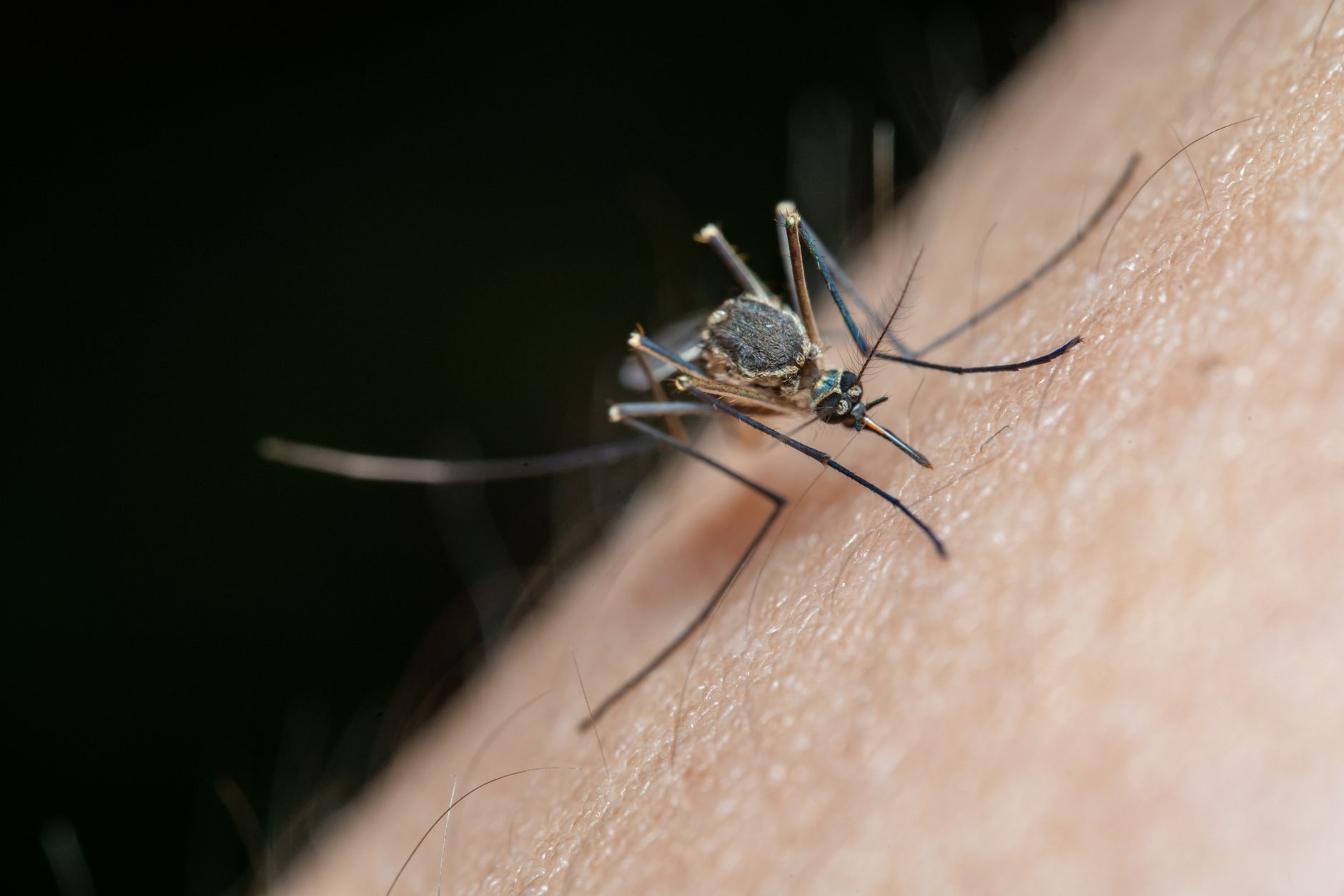
Are Mosquitoes Edible? Unlocking Nature’s Tiny Protein Packages
While often considered a nuisance, the idea of consuming mosquitoes might sound far-fetched, or even repulsive. The truth, however, is surprisingly nuanced. Are mosquitoes edible? Yes, mosquitoes are edible and are, in fact, consumed in some cultures as a source of protein and other nutrients, especially when they are gathered in large swarms.

A Brief History of Entomophagy (Insect Eating)
Eating insects, known as entomophagy, is practiced in many parts of the world, dating back centuries. From crispy fried grasshoppers in Mexico to protein-rich termites in Africa, insects are an integral part of numerous diets. In many regions, insects offer a sustainable and readily available food source. Considering the global drive for alternative protein sources, investigating the potential of even the most reviled insects, like mosquitoes, becomes relevant.
Nutritional Benefits of Mosquito Consumption
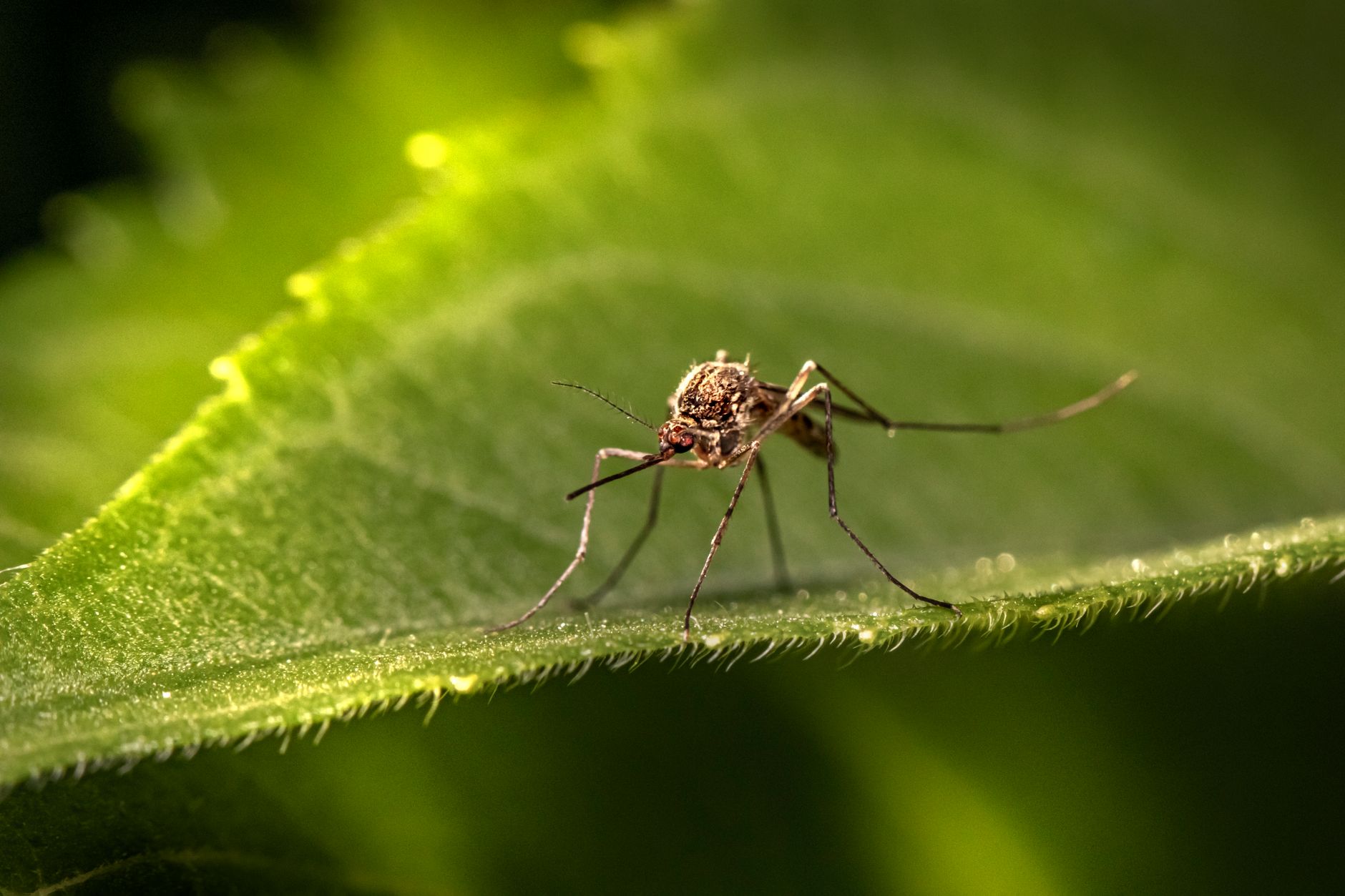
Mosquitoes, despite their small size, possess a surprising nutritional profile. When consumed in large quantities, typically during their breeding season when they swarm, they can provide:
- Protein: A significant source of high-quality protein, essential for building and repairing tissues.
- Iron: An important mineral for oxygen transport and preventing anemia.
- Amino Acids: Contains essential amino acids that the human body cannot produce on its own.
- Fatty Acids: Some species may contain beneficial fatty acids.
However, it is important to note that the exact nutritional composition varies based on species, life stage, and diet of the mosquito. The overall contribution of nutrients will also be largely dependent on the quantity consumed.
The Process of Mosquito Harvesting and Preparation
Harvesting and preparing mosquitoes for consumption is a unique process dictated by the insect’s biology and behavior. It isn’t like farming crickets or raising livestock.
- Swarm Collection: Mosquitoes are typically collected when they congregate in massive swarms during mating season. Local communities often use nets, smoke, or other methods to trap large numbers of them.
- Processing Techniques: Various methods are employed to kill and prepare the mosquitoes. Options include:
- Drying: Sun-drying or oven-drying to remove moisture and preserve them.
- Roasting: Lightly roasting to enhance flavor and improve digestibility.
- Grinding: Grinding into a powder to be used as a protein-rich ingredient in other dishes.
- Patties: In some regions around Lake Victoria, mosquitoes are pressed into patties and fried, resembling a burger.
- Culinary Applications: Prepared mosquitoes can be eaten as a snack, incorporated into stews, or used as a protein supplement.
Potential Risks and Considerations
While mosquitoes are edible, there are crucial factors to consider:
- Disease Transmission: Mosquitoes are known vectors of numerous diseases like malaria, Zika virus, and dengue fever. Proper cooking is critical to kill any pathogens they may carry.
- Pesticide Exposure: In areas where mosquito control programs are active, mosquitoes may contain pesticide residues. Thorough washing is essential, but even then, complete removal might not be possible.
- Allergies: Insect allergies are common. People with known insect allergies should exercise extreme caution or avoid mosquito consumption altogether.
- Palatability: The flavor and texture of mosquitoes may not appeal to everyone. Processing methods can help improve palatability.
The Mosquito Burger: A Unique Culinary Tradition
Around Lake Victoria in East Africa, particularly in Uganda, communities have developed a fascinating culinary tradition: the mosquito burger. When large swarms of mosquitoes gather, often after rainfall, locals capture them and press them into patties. These patties are then fried until crispy and consumed as a protein-rich snack. This “burger” represents a readily available and sustainable food source during periods of mosquito abundance.
Environmental Impact of Mosquito Consumption
From an environmental perspective, considering consuming mosquitoes does have complexities.
- Ecosystem Role: Mosquitoes play a role in their ecosystems, acting as pollinators and a food source for other animals. Widespread mosquito consumption could potentially disrupt these ecological balances.
- Sustainable Harvesting: Sustainable harvesting practices are crucial to avoid depleting mosquito populations and negatively impacting the environment. This requires understanding the mosquito life cycle and implementing responsible collection methods.
The Future of Mosquitoes as a Food Source
While consuming mosquitoes might seem unconventional, it highlights the importance of exploring alternative food sources. Research into sustainable harvesting techniques, pathogen control, and improved processing methods could potentially unlock the potential of mosquitoes as a viable food source, particularly in regions where they are abundant and where other protein sources are scarce. Further research is crucial.
Frequently Asked Questions (FAQs)
Can eating mosquitoes transmit diseases?
Yes, eating raw or undercooked mosquitoes can potentially transmit diseases. Mosquitoes are vectors for various pathogens, including malaria, dengue fever, Zika virus, and West Nile virus. Proper cooking, such as frying, roasting, or boiling, is essential to kill any pathogens and make them safe for consumption.
What do mosquitoes taste like?
The flavor of mosquitoes is often described as earthy or slightly bitter. However, the taste can vary depending on the species, their diet, and the preparation method. Roasting or frying can improve the flavor and texture.
Are all mosquito species edible?
While most mosquito species are technically edible after proper cooking, some may be more palatable or contain higher nutritional value than others. Research on the specific nutritional composition of different species is ongoing. In practice, local communities tend to consume whatever species are most abundant in their area.
How are mosquitoes harvested for food?
Mosquitoes are typically harvested during swarm season using nets, smoke, or other traps. The specific harvesting methods vary depending on the region and the techniques passed down through generations. Careful planning is needed to avoid over-harvesting and impacting the environment.
Is mosquito consumption a common practice?
Mosquito consumption is not widespread globally, but it is a traditional practice in certain regions, particularly around Lake Victoria in East Africa. It is often a seasonal activity, occurring when mosquitoes are abundant.
Are mosquitoes a sustainable food source?
The sustainability of mosquito consumption depends on several factors, including harvesting methods, environmental impact, and mosquito population dynamics. Sustainable harvesting practices are crucial to avoid depleting mosquito populations and disrupting ecosystems.
Can mosquito consumption help reduce mosquito populations?
While consuming mosquitoes might seem like a way to control their populations, the impact is likely minimal. Mosquito populations are primarily regulated by environmental factors and mosquito control efforts. Consumption would need to be extremely widespread and intensive to have a noticeable effect.
What are the nutritional benefits of eating mosquitoes?
Mosquitoes are a source of protein, iron, and amino acids. When consumed in large quantities, they can provide a significant boost to nutrient intake, especially in regions where other protein sources are scarce.
Are there any allergies associated with eating mosquitoes?
Yes, insect allergies are relatively common, and some individuals may be allergic to mosquitoes. People with known insect allergies should exercise extreme caution or avoid mosquito consumption altogether. Symptoms of an allergic reaction can range from mild skin irritation to severe anaphylaxis.
How do you prepare mosquitoes for consumption?
Common preparation methods include drying, roasting, frying, and grinding. Proper cooking is crucial to kill any pathogens. The specific method depends on the region and the desired culinary application.
Is it safe to eat mosquitoes that have been sprayed with pesticides?
It is not recommended to eat mosquitoes that have been sprayed with pesticides. Pesticides can be harmful to humans, and washing may not completely remove them. Avoid consuming mosquitoes from areas where mosquito control programs are active.
Are there any cultural or religious restrictions on eating mosquitoes?
Cultural or religious restrictions on eating mosquitoes may exist in certain regions. It is essential to be aware of and respect local customs and beliefs regarding food consumption. For example, some cultures may have taboos against eating insects in general.