
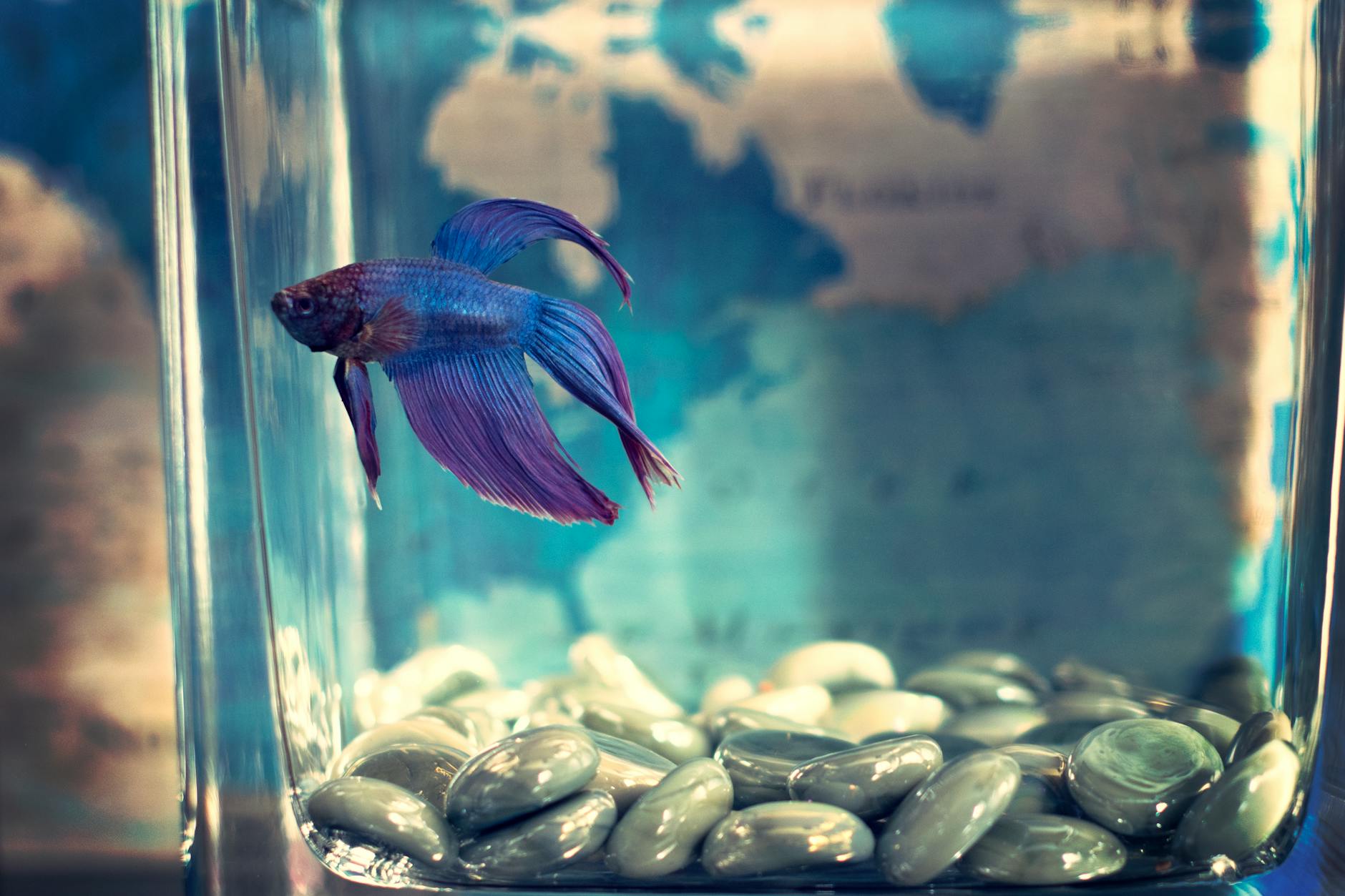
What is the Lifespan of a Betta Fish in a Bowl?
While a betta fish can technically survive in a bowl, the lifespan of a betta fish in a bowl is significantly shorter than in a proper aquarium, often ranging from just a few months to a year, compared to 3-5 years (or even longer) with proper care.

The Allure and the Reality: Betta Fish in Bowls
Betta fish, also known as Siamese Fighting Fish, are often marketed as low-maintenance pets suitable for small bowls. Images of vibrant bettas in decorative bowls grace pet store shelves, creating the impression that these fish thrive in such environments. However, this perception is far from the truth. While bettas are hardy and can tolerate suboptimal conditions for a short time, keeping them in a bowl dramatically shortens their lifespan and reduces their quality of life. The question “What is the lifespan of a betta fish in a bowl?” is, therefore, a critical one for potential betta owners.
The Challenges of Bowl Life for Bettas

Several factors contribute to the shortened lifespan of a betta fish when kept in a bowl:
- Small Space: Bowls typically lack adequate space for bettas to swim and explore, leading to stress and reduced activity levels. Stress is a major factor in suppressing a betta’s immune system.
- Lack of Filtration: Without a filter, waste accumulates rapidly, leading to a build-up of ammonia and nitrites, both of which are highly toxic to fish.
- Temperature Fluctuations: Bowls are prone to rapid temperature changes, which can shock bettas and make them susceptible to illness.
- Inadequate Oxygenation: Small, unfiltered bowls often have low oxygen levels, making it difficult for bettas to breathe. Bettas have a labyrinth organ that allows them to breathe air from the surface, but they still need dissolved oxygen in the water.
- Lack of Hiding Places: Bettas need places to hide and feel secure. Bowls often lack these essential elements, contributing to stress.
- Boredom: Bettas are intelligent creatures who require enrichment. The limited environment of a bowl leads to boredom and behavioral issues.
The Ideal Environment for a Healthy Betta Lifespan
To ensure a long and healthy life for your betta, it’s crucial to provide an environment that meets their needs. The ideal habitat for a betta fish includes:
- Tank Size: A minimum of 5 gallons, though 10 gallons or larger is even better.
- Filtration: A filter to remove waste and maintain water quality.
- Heater: A heater to maintain a stable temperature between 78-82°F (25-28°C).
- Substrate: Gravel or sand on the bottom of the tank.
- Decorations: Plants (live or silk), rocks, and other decorations to provide hiding places and enrichment.
- Regular Water Changes: Partial water changes (25-50%) once a week to remove nitrates and maintain water quality.
Recognizing Signs of Stress and Illness
Early detection of stress or illness is crucial to improving a betta’s chances of survival. Common signs include:
- Lethargy: Reduced activity and listlessness.
- Loss of Appetite: Refusal to eat.
- Clamped Fins: Fins held close to the body.
- White Spots: Small white spots on the body (ich).
- Bloating: Swollen abdomen (dropsy).
- Fungus: Cotton-like growth on the body.
- Erratic Swimming: Darting or flashing behavior.
If you observe any of these signs, take immediate action by testing the water parameters, performing a partial water change, and researching appropriate treatments.
The Ethical Considerations of Betta Ownership
Owning a betta fish is a responsibility, and it’s essential to provide them with the care they need to thrive. Keeping a betta in a bowl simply for aesthetic purposes is unethical and detrimental to their well-being. By providing a proper environment, you can significantly extend their lifespan and improve their quality of life. The reality is that the query “What is the lifespan of a betta fish in a bowl?” should inspire action toward improvement, rather than acceptance of a poor standard of care.
Comparing Bowl Life vs. Tank Life
The following table illustrates the stark contrast between bowl life and tank life for betta fish:
| Feature | Bowl Life | Tank Life |
|---|---|---|
| Tank Size | Usually under 3 gallons | 5 gallons or more |
| Filtration | Often none | Present |
| Temperature Control | Poor; prone to fluctuations | Stable and regulated |
| Water Quality | Poor; rapid waste build-up | Good; waste is filtered and removed |
| Enrichment | Minimal or none | Plenty of hiding places and exploration opportunities |
| Lifespan | Months to a year | 3-5 years or longer |
Frequently Asked Questions About Betta Lifespan
What is the best size tank for a betta fish?
A tank of at least 5 gallons is recommended for a single betta fish, but a 10-gallon tank or larger provides even more space for swimming and exploration, ultimately contributing to a healthier and happier life. Larger tanks are also easier to maintain stable water parameters.
How often should I change the water in my betta fish tank?
Partial water changes of 25-50% should be performed once a week to remove nitrates and maintain water quality. In smaller tanks with a heavier bioload, more frequent water changes may be necessary. Always use a water conditioner to remove chlorine and chloramine from tap water.
What do betta fish eat?
Bettas are carnivores and require a diet rich in protein. High-quality betta pellets or flakes should be the staple of their diet, supplemented with occasional treats such as frozen or live bloodworms, brine shrimp, or daphnia. Overfeeding should be avoided.
How can I tell if my betta fish is sick?
Signs of illness in betta fish include lethargy, loss of appetite, clamped fins, white spots, bloating, fungus, and erratic swimming. If you observe any of these symptoms, investigate immediately and act accordingly.
Do betta fish need a filter?
Yes, betta fish need a filter to remove waste and maintain water quality. A filter helps to keep the water clean and prevents the build-up of harmful substances like ammonia and nitrites.
Do betta fish need a heater?
Yes, betta fish need a heater to maintain a stable temperature between 78-82°F (25-28°C). Bettas are tropical fish and cannot tolerate cold water.
Can I keep more than one betta fish in the same tank?
Male betta fish should never be kept together as they will fight to the death. Female bettas can sometimes be kept together in a large tank with plenty of hiding places, but it is essential to monitor them closely for aggression.
What are some good tank mates for betta fish?
Good tank mates for betta fish include small, peaceful fish such as neon tetras, ember tetras, and corydoras catfish. However, it is important to choose tank mates carefully and avoid fish that are aggressive or nippy.
How long does a betta fish usually live?
With proper care, a betta fish can live for 3-5 years or even longer. However, their lifespan can be significantly shorter if they are kept in poor conditions. Addressing the query “What is the lifespan of a betta fish in a bowl?” shows that the correct answer is much shorter than it could be with proper care.
How can I make my betta fish happy?
To make your betta fish happy, provide them with a spacious tank, clean water, a stable temperature, plenty of hiding places, and a varied diet. You can also add enrichment items such as floating logs or betta mirrors to keep them entertained.
Can betta fish recognize their owners?
While bettas don’t have the same level of intelligence as mammals, they can learn to recognize their owners and may even respond to their presence.
Is it okay to keep a betta fish in a vase with a plant?
While this practice can sometimes work temporarily, it’s not a sustainable or ethical long-term solution. The vase is typically too small, lacks adequate filtration, and provides an inadequate environment for the betta. The question “What is the lifespan of a betta fish in a bowl?” highlights the issue of minimum space and care.