
What is the Best Tea for Anxiety: Soothing Sips for Stress Relief
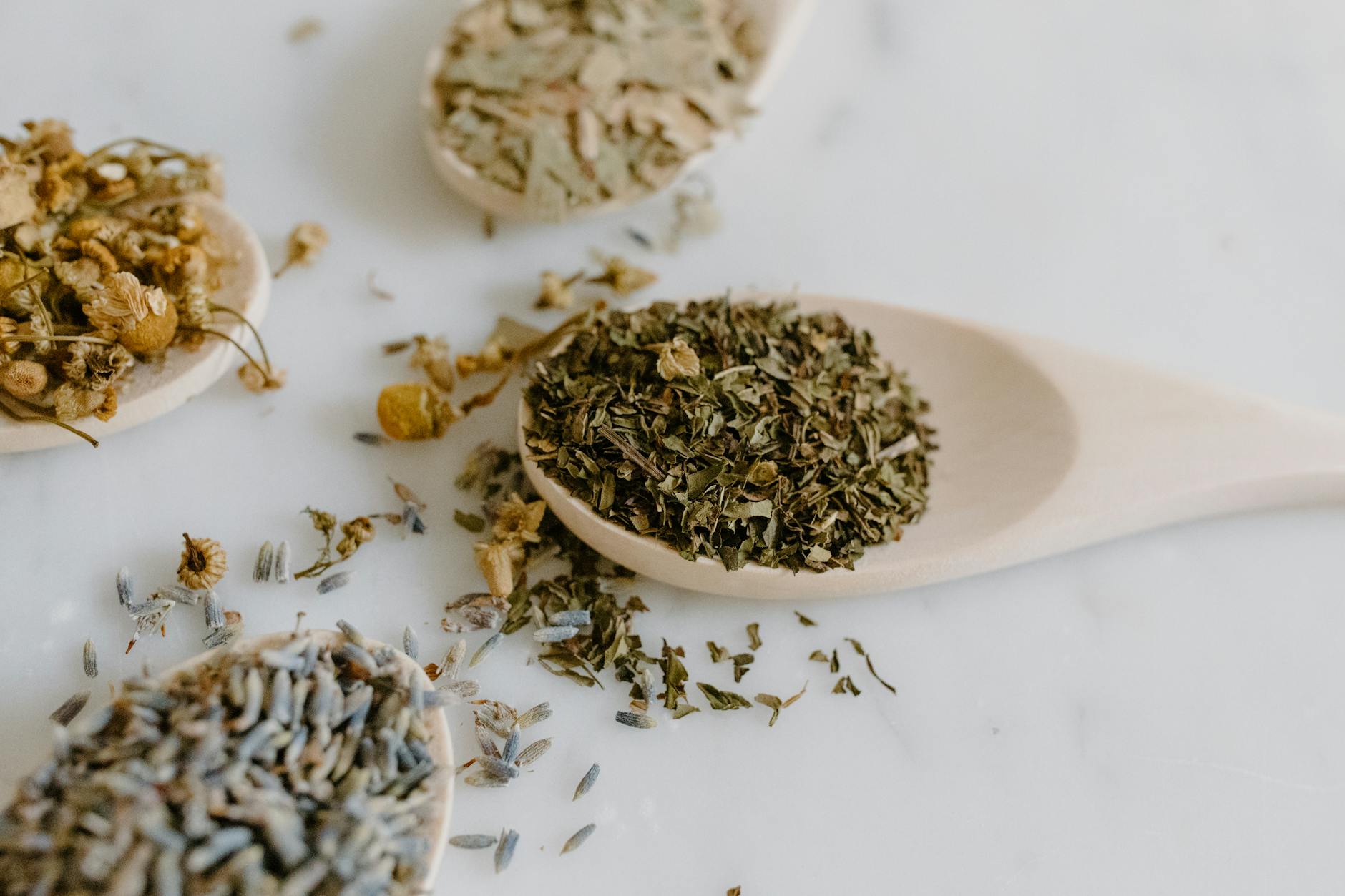
The absolute best tea for anxiety often depends on individual preferences and sensitivities, but generally, chamomile is considered a top choice due to its well-documented calming properties. Other beneficial options include lavender, green tea (in moderation), peppermint, and lemon balm.
Introduction: A Cup of Calm – Exploring the World of Tea and Anxiety Relief
For centuries, tea has been revered not only as a beverage of social grace and cultural significance but also as a source of therapeutic benefit. In today’s fast-paced world, the prevalence of anxiety is a growing concern, prompting many to seek natural remedies for relief. Among these, tea stands out as a readily accessible and enjoyable option. But what is the best tea for anxiety? The answer, as we will explore, is multifaceted and depends on the specific properties of different herbal infusions and tea varieties.
Understanding Anxiety and Its Management

Anxiety is a complex emotional state characterized by feelings of worry, nervousness, or unease, typically about an event or something with an uncertain outcome. While occasional anxiety is a normal part of life, persistent or excessive anxiety can significantly impact daily functioning and overall well-being. Management strategies often include:
- Therapy (e.g., Cognitive Behavioral Therapy)
- Medication
- Lifestyle adjustments (e.g., exercise, diet)
- Relaxation techniques (e.g., meditation, deep breathing)
Herbal remedies, such as tea, can be a valuable addition to these strategies, offering a gentle and accessible way to promote relaxation and reduce anxiety symptoms.
Key Components of Anxiety-Reducing Teas
The effectiveness of tea in managing anxiety stems from specific compounds found within various tea leaves and herbs. These components often act on the nervous system to promote relaxation and reduce feelings of stress. Key compounds include:
- L-theanine: An amino acid primarily found in green tea, known for its calming and focus-enhancing effects without causing drowsiness.
- Apigenin: An antioxidant found in chamomile, believed to bind to specific receptors in the brain to decrease anxiety and initiate sleep.
- Essential oils: Present in herbs like lavender and peppermint, these oils have aromatic properties that can promote relaxation and reduce stress hormones.
Popular Teas for Anxiety Relief and Their Benefits
Several types of tea have been shown to possess anxiety-reducing properties. Here’s a breakdown of some of the most popular options:
-
Chamomile Tea: Perhaps the most well-known tea for relaxation, chamomile contains apigenin, an antioxidant with calming effects. Studies suggest it can reduce anxiety symptoms and improve sleep quality.
-
Lavender Tea: Lavender’s soothing aroma is known to promote relaxation. Drinking lavender tea can help reduce feelings of stress and anxiety, especially before bedtime.
-
Green Tea: While containing caffeine, green tea also boasts L-theanine, which can promote relaxation and focus without the jittery side effects of caffeine. Opt for decaffeinated versions if caffeine sensitivity is a concern.
-
Lemon Balm Tea: Lemon balm is a member of the mint family and has been shown to reduce anxiety and improve mood. It’s often used in combination with other herbs for enhanced effects.
-
Peppermint Tea: While not directly targeting anxiety, peppermint tea can help alleviate digestive issues that often accompany stress and anxiety, thus providing indirect relief.
-
Passionflower Tea: Passionflower is an herb traditionally used to treat anxiety and insomnia. It is thought to increase levels of GABA, a neurotransmitter that promotes relaxation.
Comparing Different Tea Options
| Tea Type | Key Compound | Benefits | Potential Side Effects |
|---|---|---|---|
| Chamomile | Apigenin | Reduces anxiety, promotes sleep, anti-inflammatory | Rare allergic reactions, may interact with blood thinners |
| Lavender | Essential oils | Reduces stress, promotes relaxation, improves sleep | Rare allergic reactions |
| Green Tea | L-theanine | Promotes relaxation, enhances focus, antioxidant properties | Caffeine-related side effects (if caffeinated), stomach upset |
| Lemon Balm | Rosmarinic acid | Reduces anxiety, improves mood, enhances cognitive function | Possible drowsiness |
| Passionflower | GABA boosters | Reduces anxiety, promotes sleep, muscle relaxant | Drowsiness, dizziness |
Potential Mistakes to Avoid
When using tea for anxiety relief, it’s important to be mindful of a few potential pitfalls:
- Over-reliance: Tea should be used as a supportive measure, not a replacement for professional medical advice or treatment.
- Excessive caffeine: Caffeinated teas, especially when consumed in large quantities, can exacerbate anxiety symptoms in some individuals.
- Allergic reactions: Be aware of potential allergies to specific herbs or ingredients.
- Drug interactions: Certain herbs can interact with medications. Consult with a healthcare professional if you are taking any medications.
- Ignoring underlying issues: Tea can provide temporary relief, but addressing the root causes of anxiety is crucial for long-term management.
The Best Tea for Anxiety: Personalizing Your Choice
Ultimately, what is the best tea for anxiety? It’s a matter of personal preference and individual response. Experimenting with different types of tea and paying attention to how your body reacts can help you identify the most effective options for your specific needs. Consider starting with chamomile or lavender, known for their gentle and calming effects. Remember to practice mindful tea consumption, savoring each sip and allowing the warmth and aroma to soothe your senses.
Frequently Asked Questions (FAQs)
Is chamomile tea really effective for anxiety?
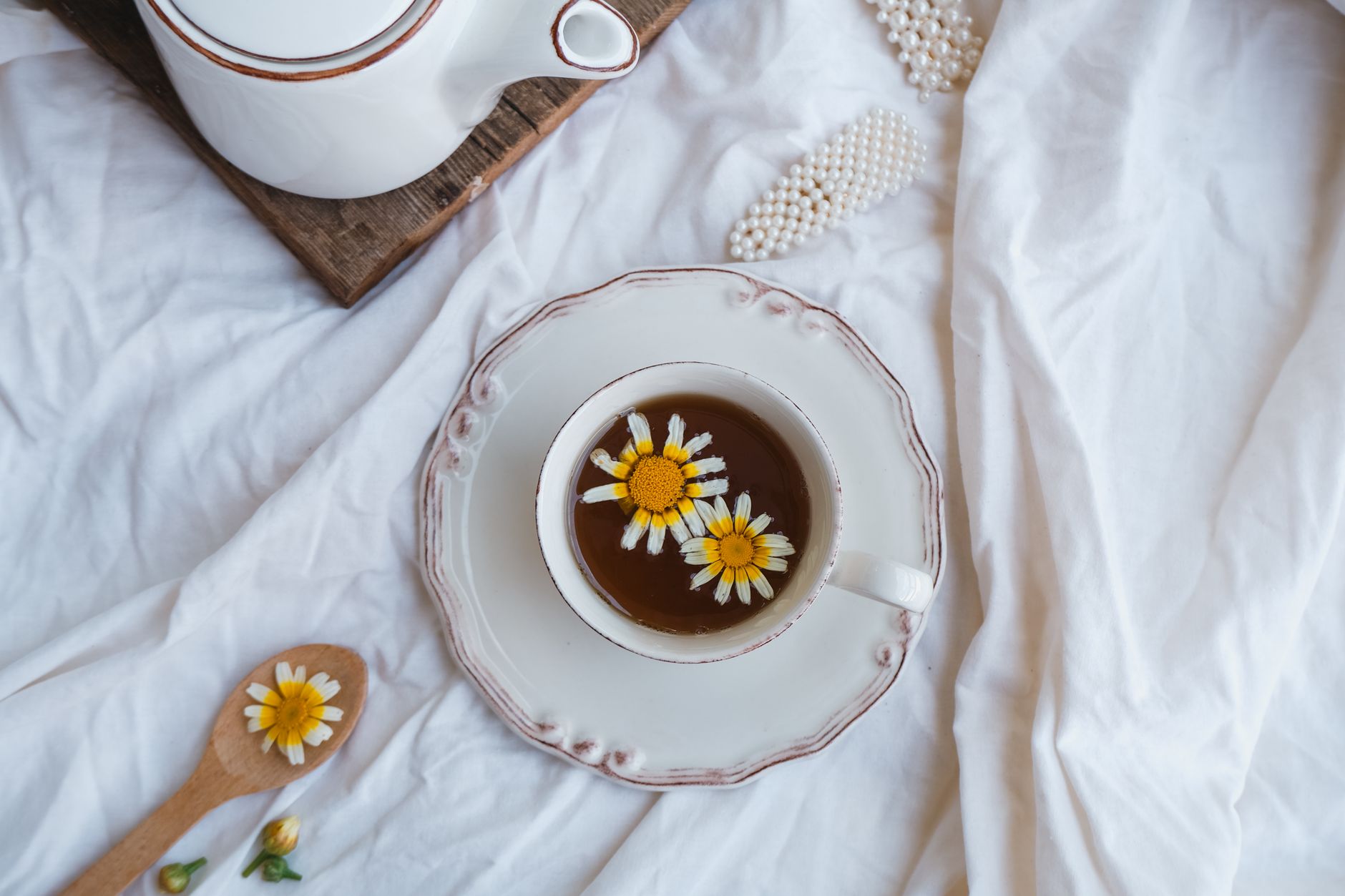
Yes, chamomile tea has been shown to be effective in reducing anxiety symptoms in several studies. It contains apigenin, an antioxidant that binds to specific receptors in the brain, promoting relaxation and reducing feelings of stress and worry.
Can I drink green tea for anxiety if it contains caffeine?
Yes, but moderation is key. Green tea contains both caffeine and L-theanine. The L-theanine can counteract the stimulating effects of caffeine, promoting relaxation and focus. However, if you are sensitive to caffeine, opt for decaffeinated green tea.
How much tea should I drink per day to help with anxiety?
A general guideline is to drink 1-3 cups of herbal tea per day. It’s best to start with a smaller amount and see how your body responds. Listen to your body and adjust the amount accordingly.
Are there any side effects to drinking herbal teas for anxiety?
While generally safe, some herbal teas can cause side effects in certain individuals. Allergic reactions are possible, and some herbs may interact with medications. Consult with a healthcare professional if you have any concerns.
Can tea replace anxiety medication?
No, tea should not be used as a replacement for prescribed anxiety medication. It can be a valuable complementary therapy, but it’s essential to follow your doctor’s recommendations and treatment plan.
What time of day is best to drink tea for anxiety?
Drinking calming teas like chamomile or lavender in the evening can promote relaxation and improve sleep quality. Drinking green tea in the morning or afternoon can help with focus and alertness without excessive stimulation.
Are tea blends more effective than single-ingredient teas?
Sometimes. Tea blends can combine the benefits of multiple herbs, creating a synergistic effect. For example, a blend of chamomile, lavender, and lemon balm may provide more comprehensive anxiety relief. However, it’s important to understand how each ingredient affects you individually.
Can tea help with panic attacks?
Tea may help to calm your nerves and reduce feelings of anxiety during a panic attack, but it’s not a substitute for professional medical help. Breathing exercises and grounding techniques are also valuable during a panic attack. Always seek support from a healthcare provider.
Is organic tea better for anxiety?
Organic tea is generally considered a healthier option because it’s grown without the use of synthetic pesticides and herbicides. This can minimize exposure to potentially harmful chemicals, which may indirectly reduce stress on the body.
What other lifestyle changes can I make to reduce anxiety besides drinking tea?
Other lifestyle changes that can help reduce anxiety include regular exercise, a balanced diet, adequate sleep, meditation or mindfulness practices, spending time in nature, and connecting with supportive friends and family.
How quickly can I expect to see results from drinking tea for anxiety?
The effects of tea on anxiety can vary depending on the individual and the type of tea consumed. Some people may experience immediate relaxation from the aroma and warmth of the tea, while others may need to drink it consistently for several days or weeks to notice a significant reduction in anxiety symptoms.
Can children drink tea for anxiety?
Certain teas, like chamomile, are generally considered safe for children in moderation. However, it’s important to consult with a pediatrician before giving tea to children, especially if they have any underlying health conditions or are taking medication. Avoid caffeinated teas.