

What is the Habitat of a Snake?
The habitat of a snake varies dramatically depending on the species, but generally refers to the natural environment where a snake finds food, shelter, and breeding opportunities; essentially, wherever a snake can successfully survive and reproduce. This can range from lush rainforests to arid deserts, and even aquatic environments.
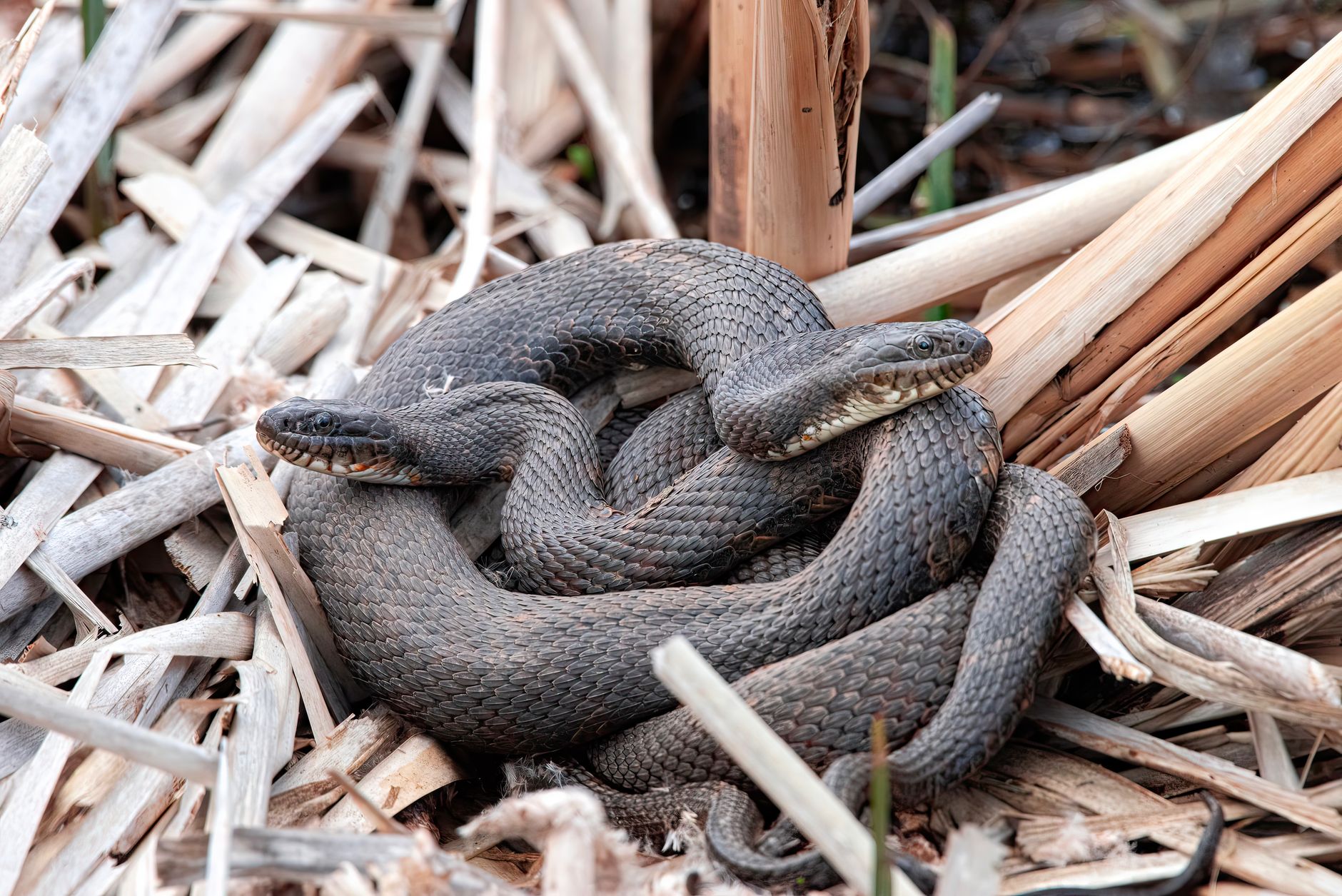
Introduction: The Diverse World of Snake Habitats
Snakes, belonging to the suborder Serpentes, are found on almost every continent except Antarctica. This widespread distribution is a testament to their adaptability and the variety of habitats they occupy. Understanding what is the habitat of a snake requires exploring the specific environmental conditions that support different species. Snakes have evolved specialized adaptations that allow them to thrive in diverse ecosystems, from burrowing in the soil to climbing trees, swimming in rivers, and even surviving in the ocean.

Why do people milk snake venom?
Is snake shed skin poisonous?
Terrestrial Habitats: Life on Land

Many snake species are terrestrial, meaning they live primarily on land. Their habitats within this category vary widely.
- Forests and Woodlands: These provide ample cover, food sources (rodents, birds, insects), and varying temperature gradients. Many species, like the common garter snake (Thamnophis sirtalis), are commonly found in these areas.
- Grasslands and Prairies: Snakes in these open areas often rely on camouflage and speed to hunt and avoid predators. The prairie kingsnake (Lampropeltis calligaster) is well-suited to this environment.
- Deserts and Arid Regions: Snakes like the sidewinder rattlesnake (Crotalus cerastes) have adapted to conserve water and tolerate extreme temperatures. They often burrow underground to escape the heat.
- Rocky Outcrops and Mountains: These terrains offer shelter in crevices and basking spots for thermoregulation. The copperhead (Agkistrodon contortrix) can be found in such rocky habitats.
Aquatic Habitats: Life in Water
Some snakes are fully aquatic, while others spend significant time near water sources.
- Freshwater Habitats: Rivers, lakes, and swamps provide habitat for snakes like the water moccasin (Agkistrodon piscivorus). These snakes are often excellent swimmers and hunters of fish, amphibians, and other aquatic creatures.
- Marine Habitats: A small number of snakes are fully marine, such as the sea snakes (Hydrophiinae). These snakes are found primarily in the Indo-Pacific region and have evolved adaptations for underwater living, including specialized scales for swimming and the ability to absorb oxygen through their skin. They can survive without fresh water.
Arboreal Habitats: Life in the Trees
A significant number of snake species are arboreal, meaning they live primarily in trees.
- Tropical Rainforests: The dense vegetation and high humidity provide ideal conditions for arboreal snakes like the emerald tree boa (Corallus caninus). They often have prehensile tails and slender bodies adapted for climbing.
- Tropical Forests: Many snakes live in lower branches or near the ground, but still rely on tree cover.
- Cloud Forests: Unique high altitude forests offer specialized niches.
Subterranean Habitats: Life Underground
Some snakes, such as the blind snakes (Scolecophidia), are adapted to living underground.
- Burrowing: These snakes are typically small, with smooth scales and reduced eyes. They feed on ants, termites, and other small invertebrates found in the soil.
- Urban Habitats: Snakes such as garter snakes may be found underground near foundations or burrowing in gardens.
Factors Influencing Habitat Selection
Several key factors influence what is the habitat of a snake.
- Temperature: Snakes are ectothermic, meaning they rely on external sources of heat to regulate their body temperature. Suitable habitats must provide opportunities for basking and shelter from extreme temperatures.
- Food Availability: The presence of prey is crucial. Different snake species have different dietary preferences, influencing their distribution.
- Shelter: Snakes need secure places to hide from predators, shed their skin, and breed. This can include burrows, rock crevices, dense vegetation, or hollow logs.
- Water Availability: While some snakes can tolerate arid conditions, all snakes need access to water, either directly or through their prey.
- Predator Avoidance: Snakes are preyed upon by various animals, so habitats with sufficient cover and escape routes are essential for their survival.
| Habitat Type | Examples of Snakes | Key Characteristics |
|---|---|---|
| Tropical Rainforest | Emerald Tree Boa, Green Tree Python | High humidity, dense vegetation, abundant prey |
| Desert | Sidewinder Rattlesnake, Horned Viper | Extreme temperatures, scarcity of water, sandy or rocky terrain |
| Grassland | Prairie Kingsnake, Garter Snake | Open areas, moderate temperatures, grassy vegetation |
| Freshwater | Water Moccasin, Northern Water Snake | Rivers, lakes, swamps, abundant prey (fish, amphibians) |
| Marine | Sea Snakes | Ocean environments, specialized adaptations for underwater living |
| Subterranean | Blind Snakes | Underground burrows, darkness, presence of small invertebrates |
Frequently Asked Questions (FAQs)
What are the primary components of a snake’s habitat?
A snake’s habitat must provide essential elements for survival: food, water, shelter, and appropriate temperature regulation. These factors interact to create an environment where a snake can successfully hunt, breed, and avoid predators. Variations in these components influence which snake species can thrive in a particular location.
How does temperature influence snake habitat?
Snakes are ectothermic, relying on external heat sources to regulate their body temperature. Habitats must offer basking spots to raise their temperature and shaded areas or burrows to avoid overheating. Temperature determines activity levels, digestion rates, and overall survival.
Do all snakes need water to survive in their habitat?
Yes, all snakes need water. While some species, like desert snakes, are adapted to conserve water, they still require access to it, either directly from water sources or indirectly through their prey. Dehydration can be fatal.
What kind of shelter do snakes use in their habitat?
Snakes use a wide variety of shelters, including burrows, rock crevices, hollow logs, dense vegetation, and leaf litter. These shelters provide protection from predators, harsh weather conditions, and extreme temperatures. The type of shelter used depends on the species and the available resources in the habitat.
Are there snakes that only live in urban habitats?
While some snakes, like garter snakes, can adapt to urban environments, there are no snakes exclusively found in urban habitats. They typically utilize green spaces, gardens, and areas with rodent populations.
What is the difference between a snake’s habitat and its niche?
A snake’s habitat is the physical environment where it lives, while its niche is its role within that environment. This includes its diet, behavior, and interactions with other species. The niche defines how the snake uses its habitat.
How does habitat loss affect snake populations?
Habitat loss is a major threat to snake populations. As natural habitats are destroyed for agriculture, development, and other human activities, snakes lose their food sources, shelter, and breeding grounds. This can lead to population declines and even extinction.
What is the best way to create a snake-friendly habitat in my backyard?
To create a snake-friendly habitat, provide a water source, offer plenty of cover (rock piles, brush piles, dense vegetation), and avoid using pesticides. Snakes are beneficial predators that help control rodent populations.
How can I tell if a snake is native to my region?
Consult local field guides, wildlife agencies, or herpetological societies to identify native snake species in your area. These resources provide information on their appearance, habitat preferences, and distribution. Understanding what is the habitat of a snake in your area will help you identify them correctly.
Do snakes only live in warm climates?
While many snake species are found in warm climates, some are adapted to colder regions. For example, the common garter snake can survive in colder climates by hibernating during the winter months. The key factor is their ability to find adequate shelter and thermoregulate.
How do sea snakes survive in saltwater habitats?
Sea snakes have evolved several adaptations to survive in saltwater. They have specialized scales for swimming, can absorb oxygen through their skin, and excrete excess salt through a gland under their tongue. Some species give birth to live young in the water, eliminating the need to return to land.
What role do snakes play in their habitats?
Snakes play a crucial role in their ecosystems as predators. They help control populations of rodents, insects, amphibians, and other small animals. They also serve as prey for larger animals, such as birds of prey and mammals. They are integral components of food webs and contribute to ecosystem balance.