

What is the Best Tile for Water Absorption?
The best tile for water absorption is porcelain tile, due to its extremely low porosity and high density, making it ideal for wet environments.

Understanding Tile Porosity and Water Absorption
The amount of water a tile absorbs is a crucial factor in determining its suitability for various applications, particularly in areas exposed to moisture, like bathrooms, kitchens, and outdoor spaces. Tile porosity is a measure of the open spaces within the tile’s structure, which directly impacts its ability to absorb water. Tiles are generally classified based on their water absorption rates, usually expressed as a percentage. A lower percentage indicates less water absorption and greater durability in wet conditions.

Can fish hear water?
How do I add oxygen to my goldfish water?
Do carbon filters remove water hardness?
What is the GREY African clawed frog?
Tile Types and Their Water Absorption Rates
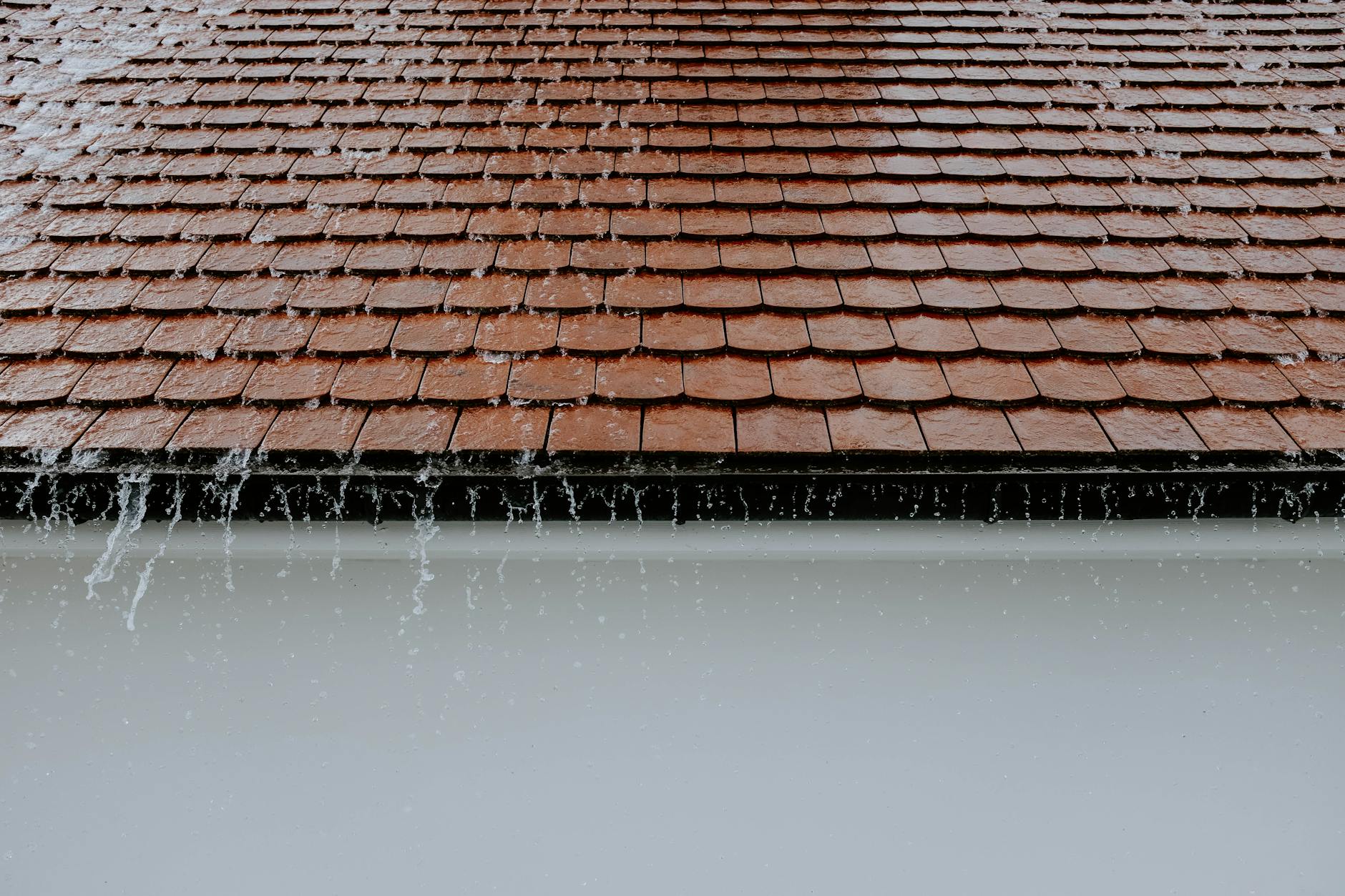
Different tile materials exhibit varying levels of porosity, leading to significant differences in water absorption. Here’s a breakdown of common tile types and their water absorption characteristics:
- Non-Vitreous Tiles: These tiles have the highest water absorption rate (over 7%). They are generally suitable only for indoor, dry areas and are often made of non-fired clay.
- Semi-Vitreous Tiles: With a water absorption rate between 3% and 7%, semi-vitreous tiles are slightly more water-resistant than non-vitreous tiles. They can be used in areas with limited moisture, such as powder rooms.
- Vitreous Tiles: Vitreous tiles absorb between 0.5% and 3% of water. They are suitable for both indoor and some outdoor applications but may require sealing for prolonged exposure to moisture.
- Impervious Tiles (Porcelain): Porcelain tiles are the gold standard for water resistance, absorbing less than 0.5% of water. They are the best tile for water absorption and can be used in all indoor and outdoor applications, including pools, showers, and patios.
Factors Influencing Water Absorption
Several factors during the manufacturing process and the tile’s inherent composition affect its water absorption rate:
- Firing Temperature: Higher firing temperatures lead to denser tiles with lower porosity. Porcelain tiles are typically fired at very high temperatures.
- Clay Composition: The type and quality of clay used significantly impact porosity. Finer clay particles result in denser tiles.
- Glazing: A glaze can provide an additional layer of protection against water absorption, but it only offers surface protection. If the underlying tile body is porous, water can still seep through cracks or unglazed edges.
- Density: Denser tiles inherently have fewer pores, reducing water absorption.
Testing Tile Water Absorption
The American Society for Testing and Materials (ASTM) has developed standardized tests to measure tile water absorption. The most common test is ASTM C373, which involves weighing a dry tile, submerging it in water for a specific period, and then re-weighing it. The difference in weight determines the water absorption percentage.
Why Low Water Absorption Matters
Choosing the best tile for water absorption is critical for several reasons:
- Durability: Tiles with low water absorption are less prone to cracking, chipping, and discoloration due to moisture.
- Freeze-Thaw Resistance: In cold climates, water absorbed by porous tiles can freeze and expand, causing the tile to crack. Porcelain tiles are highly resistant to freeze-thaw damage.
- Mold and Mildew Resistance: Porous tiles can harbor mold and mildew, which can cause health problems and unpleasant odors.
- Longevity: Low water absorption contributes to the overall longevity of the tile installation, saving you money in the long run.
Comparing Common Tile Types
| Tile Type | Water Absorption Rate | Suitable Applications | Advantages | Disadvantages |
|---|---|---|---|---|
| Porcelain | Less than 0.5% | All indoor and outdoor, including wet areas like showers/pools. | Highly durable, freeze-thaw resistant, low maintenance, versatile. | Can be more expensive than other types. |
| Ceramic | 0.5% to 7% | Indoor, light to moderate moisture exposure. | Affordable, wide variety of styles and colors, relatively easy to cut and install. | Less durable than porcelain, susceptible to cracking in cold climates. |
| Glass | Virtually 0% | Backsplashes, accent walls, some wet areas. | Non-porous, stain-resistant, adds a unique aesthetic. | Can be slippery when wet, generally more expensive. |
| Natural Stone | Varies, often 1-5% | Indoor and outdoor, depending on the specific stone. | Natural beauty, adds value to the home. | Requires regular sealing, can be porous and susceptible to staining. |
Installation Considerations for Waterproofing
Even when using the best tile for water absorption, proper installation is crucial for preventing water damage:
- Waterproof Membrane: Applying a waterproof membrane (e.g., Schluter-KERDI or RedGard) beneath the tile layer in wet areas is essential.
- Grout Selection: Use epoxy grout in areas with high moisture exposure. Epoxy grout is non-porous and resistant to staining and mold.
- Sealing: Regularly seal natural stone tiles and grout lines to prevent water penetration.
- Slope: Ensure proper slope towards drains in showers to prevent water from pooling.
Common Mistakes to Avoid
- Ignoring Water Absorption Rates: Failing to consider the water absorption rate when selecting tiles for wet areas.
- Skipping Waterproofing: Neglecting to install a waterproof membrane behind the tile layer.
- Using Porous Grout: Using standard cementitious grout in showers and other wet areas.
- Improper Sealing: Not sealing natural stone tiles and grout lines regularly.
- Poor Drainage: Failing to ensure proper slope towards drains in showers and other wet areas.
The Verdict: Choosing the Right Tile
Selecting the right tile involves considering its water absorption rate, intended application, and installation requirements. While other tile types may suffice for specific uses, porcelain tiles consistently emerge as the best tile for water absorption due to their low porosity, durability, and versatility, making them the ideal choice for environments prone to moisture exposure. By prioritizing low water absorption and adhering to proper installation techniques, you can ensure a long-lasting and water-resistant tile installation.
Frequently Asked Questions (FAQs)
What makes porcelain tile superior in terms of water absorption?
Porcelain tiles are fired at higher temperatures and use finer clay than other tile types, creating a dense, impervious material with a water absorption rate of less than 0.5%. This makes them incredibly resistant to water damage.
Can I use ceramic tile in a shower if I properly seal it?
While sealing can improve water resistance, ceramic tile is inherently more porous than porcelain. Even with sealing, water can still penetrate over time, potentially leading to mold growth and structural damage. Porcelain is the preferred choice for showers.
How do I identify if a tile is porcelain or ceramic?
One easy method is to look at the edge of the tile. Porcelain tiles often have the same color and texture throughout, while ceramic tiles may have a different color on the surface compared to the body of the tile. Also, checking the tile’s packaging or manufacturer’s specifications can confirm its composition.
What is the difference between glazed and unglazed porcelain tile regarding water absorption?
While a glaze provides a surface barrier, the inherent low porosity of porcelain is the key factor in its water resistance. Both glazed and unglazed porcelain tiles offer excellent water resistance, but unglazed porcelain can be more slip-resistant in wet areas.
Does grout sealer prevent all water from penetrating through the grout lines?
Grout sealer helps to slow down water penetration but is not a foolproof barrier. Over time, sealers can wear down, requiring reapplication. For maximum water resistance, epoxy grout is the best choice as it’s naturally non-porous.
Is natural stone tile suitable for wet areas like showers?
Some natural stone tiles, like granite and slate, are relatively dense and water-resistant, but most require regular sealing to prevent water absorption and staining. Softer stones, like limestone and marble, are more porous and may not be ideal for showers.
Can I use glass tile in a shower, considering it’s non-porous?
Glass tile is indeed non-porous, but its suitability for showers depends on the installation. The substrate behind the glass must be completely waterproofed, as any moisture trapped there can lead to problems.
What happens if I use a tile with high water absorption in an outdoor application during winter?
Water absorbed by the tile can freeze and expand during winter, causing the tile to crack and delaminate. This is particularly problematic in climates with frequent freeze-thaw cycles.
How often should I reseal grout lines in a shower?
The frequency of resealing depends on the type of grout and the amount of shower use. A good rule of thumb is to reseal every 1-2 years, or more often if you notice water beading less effectively on the grout.
Are there any additives I can mix with grout to improve its water resistance?
Yes, you can add latex additives to cementitious grout to improve its flexibility and water resistance. However, this is still not as effective as using epoxy grout for highly wet environments.
What role does the subfloor play in preventing water damage?
A stable and waterproof subfloor is crucial for preventing water damage. If the subfloor is not properly prepared, water can seep through, causing mold growth and structural problems. Consider using cement board or a waterproof membrane on the subfloor before tiling.
Is there a “best” brand of porcelain tile for water absorption?
While specific brands may have proprietary manufacturing processes that influence tile quality, the most important factor is ensuring the tile meets the ASTM C373 standard for water absorption (less than 0.5%). Look for tiles explicitly labeled as “porcelain” and check the manufacturer’s specifications for water absorption rates.