
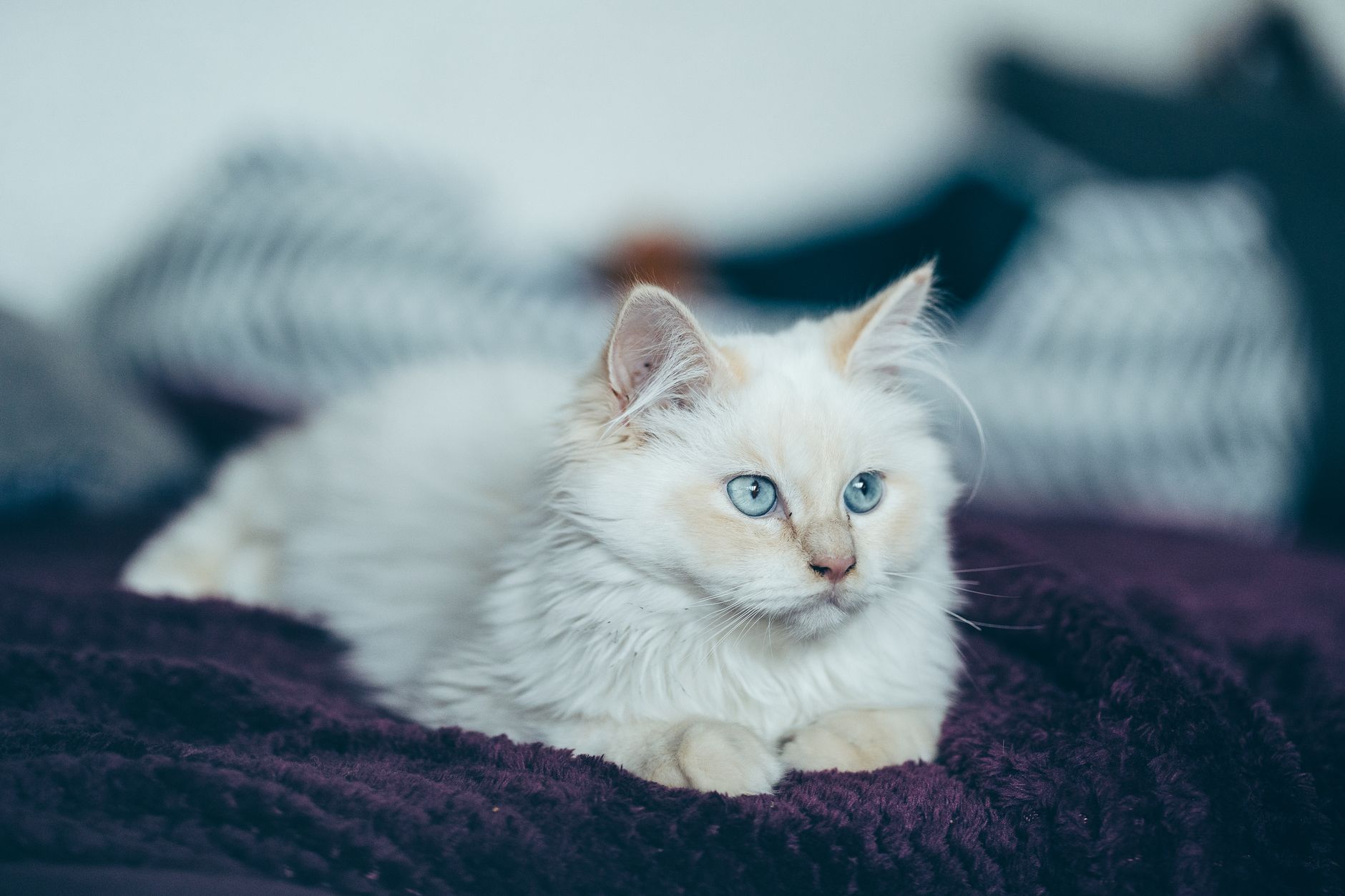
What Makes the Purr-fect Start? Finding the Best First Cat
Choosing the best first cat is a deeply personal decision, but generally, adult cats with calm and friendly temperaments are ideal as they are often more predictable and require less intensive training than kittens.

Introduction: The Joy of Cat Ownership
Bringing a cat into your life can be a wonderfully rewarding experience. Cats offer companionship, entertainment, and even therapeutic benefits. However, choosing your first cat can feel overwhelming. What is the best first cat? The answer isn’t always straightforward, as it depends on your lifestyle, living situation, and personal preferences. This guide will help navigate the factors to consider when making this important decision.
Factors to Consider: Lifestyle and Living Situation
Before welcoming a feline friend, honestly assess your current lifestyle. Consider these aspects:
- Time Commitment: Cats require daily care, including feeding, grooming, playing, and cleaning the litter box.
- Living Space: A small apartment might be better suited for a single cat, while a larger house can accommodate multiple cats.
- Allergies: Consider allergies in your household before bringing a cat home. Spend time with cats beforehand to gauge potential reactions.
- Other Pets: If you already have pets, select a cat known to get along with other animals or be prepared to introduce them slowly and carefully.
- Budget: Factor in the costs of food, litter, vet care (including vaccinations and potential emergencies), toys, and grooming supplies.
Age Matters: Kitten vs. Adult Cat
One of the first decisions you’ll face is whether to adopt a kitten or an adult cat. Both have their advantages and disadvantages.
-
Kittens:
- Pros: Adorable, highly adaptable (especially when young), and can be raised to your liking.
- Cons: Require significant time and attention for training and socialization, prone to destructive behavior if bored, and their personalities are still developing.
-
Adult Cats:
- Pros: Temperament is already established, often calmer and more independent, and generally easier to care for if you have limited time.
- Cons: May have pre-existing habits (both good and bad), can be more challenging to socialize with other pets if they weren’t socialized as kittens, and might have pre-existing health conditions.
Breed Considerations: Temperament and Care Needs
While personality trumps breed, certain breeds are known for specific traits that might make them better suited for first-time owners. Remember that individual personalities vary greatly within each breed.
| Breed | Temperament | Grooming Needs | Activity Level |
|---|---|---|---|
| American Shorthair | Friendly, adaptable | Low | Moderate |
| British Shorthair | Calm, affectionate | Low | Low |
| Ragdoll | Gentle, docile | Medium | Low |
| Maine Coon | Gentle giant, playful | High | Moderate |
| Persian | Docile, affectionate | High | Low |
The Adoption Route: Shelters and Rescues
Adopting from a shelter or rescue organization offers several benefits:
- You’re giving a deserving cat a second chance.
- Adoption fees are typically lower than purchasing from a breeder.
- Shelters often assess a cat’s temperament and health before adoption.
- Adopting an adult cat provides a more predictable personality fit.
When visiting a shelter, spend time interacting with the cats. Look for a cat that approaches you willingly, enjoys being petted, and seems comfortable around people. Talk to the shelter staff about the cat’s history and any known behavioral issues.
Common Mistakes to Avoid
- Choosing based solely on appearance: Focus on personality and compatibility with your lifestyle.
- Underestimating the time commitment: Cats require daily care and attention, even if they seem independent.
- Ignoring potential allergies: Get tested or spend time with cats before adopting.
- Failing to properly introduce a new cat to existing pets: This can lead to stress and behavioral problems.
- Skipping routine vet care: Regular checkups and vaccinations are essential for your cat’s health.
Frequently Asked Questions (FAQs)
What is the best first cat breed for a very busy owner?
For busy owners, breeds like the British Shorthair or Russian Blue are often recommended due to their relatively independent and calm nature. They don’t require constant attention and are content to entertain themselves, but still enjoy human interaction when you’re available.
Is it better to adopt two kittens or one adult cat as a first-time owner?
While adopting two kittens might seem like they’ll keep each other entertained, it can be significantly more work for a first-time owner. Two kittens means double the energy, training, and potential for mischief. An adult cat with an established, calmer personality is generally a better choice.
How much does it cost to own a cat in the first year?
The cost of owning a cat in the first year can vary, but you can expect to spend anywhere from $500 to $1,000, depending on factors such as adoption fees, initial vet visits, food, litter, toys, and other supplies. Unexpected vet bills can increase this cost significantly, so consider pet insurance.
What are the essential supplies I need before bringing my first cat home?
Before your cat arrives, make sure you have: a litter box and litter, food and water bowls, cat food, a scratching post, toys, a carrier, and a comfortable bed. These items will help your cat feel safe and secure in their new environment.
How do I properly introduce my new cat to my resident dog?
Introduce them slowly and gradually. Start by keeping them separated in different rooms, allowing them to get used to each other’s scents under the door. Then, supervise short, controlled meetings, rewarding calm behavior. Never force interaction.
How often should I take my cat to the vet?
Kittens need more frequent vet visits for vaccinations and checkups, typically every 3-4 weeks until they are fully vaccinated. Adult cats should have a yearly checkup to ensure their health and well-being.
What are the signs of a healthy cat?
A healthy cat has bright, clear eyes, a clean and well-groomed coat, a good appetite, regular bowel movements, and is active and playful. If you notice any changes in your cat’s behavior or physical condition, consult a veterinarian.
How do I train my cat to use the litter box?
Most cats instinctively use a litter box. Place the litter box in a quiet, easily accessible area. After meals and naps, gently place your cat in the litter box. Reward them with praise when they use it correctly. Avoid punishing them for accidents, as this can create a negative association with the litter box.
My cat is scratching my furniture. How do I stop this?
Provide plenty of scratching posts in various locations. Make the posts more appealing by sprinkling catnip on them. Discourage scratching furniture by covering it with double-sided tape or using a deterrent spray.
What type of food is best for my cat?
Choose a high-quality cat food that is appropriate for your cat’s age and activity level. Look for foods that list meat as the first ingredient and avoid foods with excessive fillers. Consult with your veterinarian for specific dietary recommendations.
How do I keep my indoor cat entertained?
Provide a variety of toys, including interactive toys that stimulate their hunting instincts. Rotate toys regularly to keep them interested. Offer climbing opportunities, such as cat trees or shelves. Spend time playing with your cat each day.
What is the best way to bond with my new cat?
Spend time with your cat each day, petting, playing, and talking to them. Offer treats and rewards for good behavior. Be patient and understanding, and allow your cat to come to you at their own pace. Building trust takes time. What is the best first cat is a matter of matching your personal qualities to your new friend.