

How Do Manta Rays Affect the Environment?: An Expert’s Perspective
Manta rays play a crucial role in maintaining healthy ocean ecosystems through nutrient cycling, supporting diverse food webs, and acting as flagship species for marine conservation. Understanding how manta rays affect the environment is vital for their protection and the overall health of our oceans.
Introduction: The Gentle Giants and Their Ecosystem Role
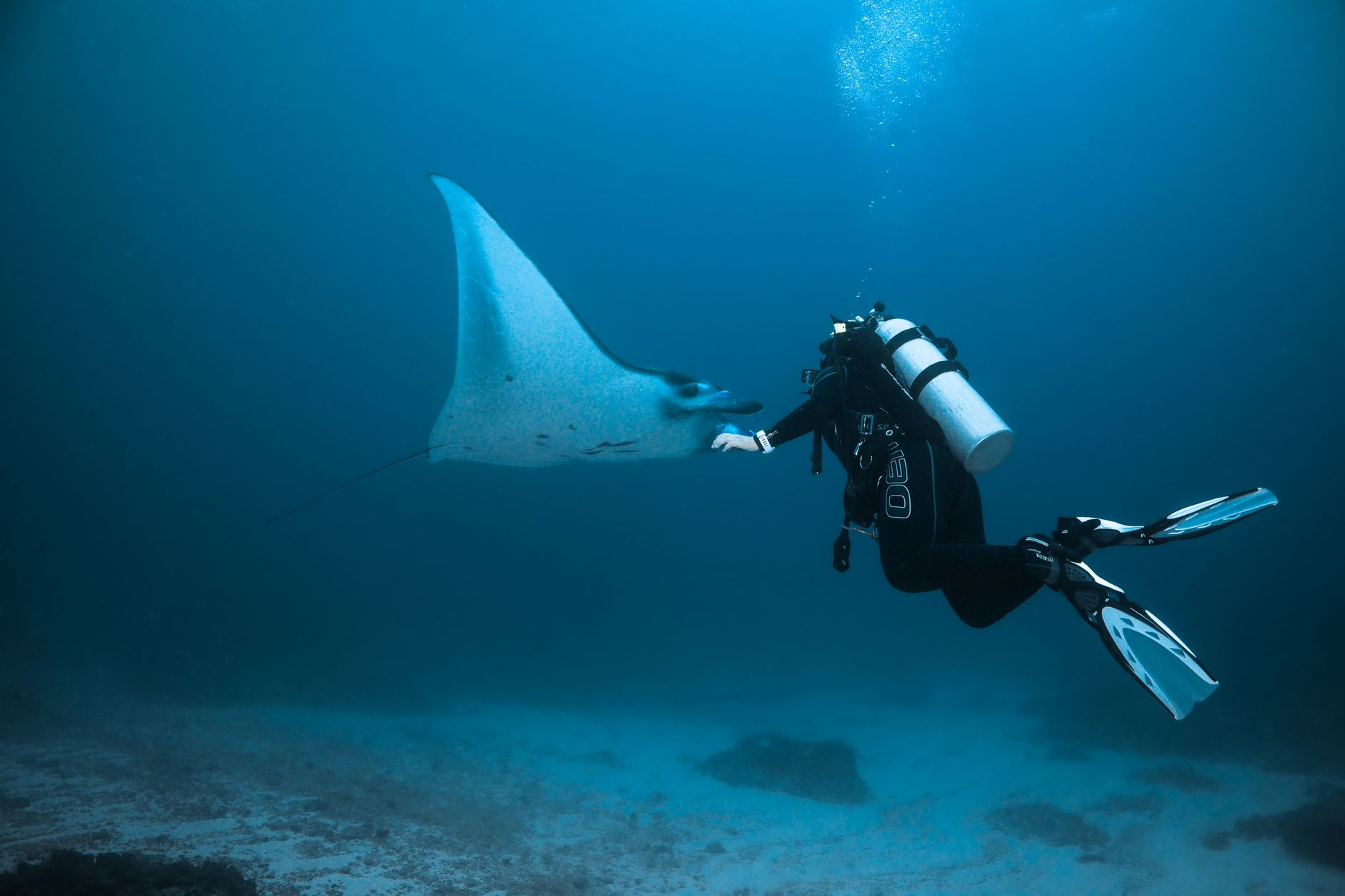
Manta rays, those graceful and enigmatic giants of the sea, are far more than just beautiful creatures. They are integral components of marine ecosystems, influencing their environment in ways that are only beginning to be fully understood. These filter-feeding elasmobranchs, closely related to sharks and rays, roam the tropical and subtropical oceans, playing a crucial role in nutrient cycling and contributing to the structure and function of marine food webs. The question of how manta rays affect the environment is complex, encompassing direct and indirect influences on everything from plankton communities to the tourism industry.
Nutrient Cycling: Manta Rays as Mobile Nutrient Pumps

One of the most significant ways manta rays affect the environment is through nutrient cycling. They consume vast quantities of zooplankton in nutrient-rich waters and then, after digestion, release these nutrients in the form of fecal plumes in nutrient-poor areas, like coral reefs. This process, known as nutrient translocation, helps to fertilize these otherwise barren environments, supporting primary productivity and fueling the food web.
- Manta rays feed in productive waters.
- They transport nutrients across large distances.
- Their fecal plumes act as localized fertilizer for reef ecosystems.
This constant movement of nutrients is particularly important for coral reefs, which are often located in nutrient-poor waters. The increased nutrient availability promotes algae growth, which in turn supports a diverse community of herbivores and other reef inhabitants.
Supporting Food Webs: Indirect Impacts
Manta rays indirectly support various components of the food web. By fertilizing reef ecosystems with their fecal plumes, they promote the growth of phytoplankton and zooplankton, which are the base of the food chain. This supports populations of small fish, which in turn provide food for larger predators. Furthermore, manta rays themselves are preyed upon by sharks and orcas, adding another layer to their contribution to the food web.
- Nutrient enrichment boosts plankton populations.
- Small fish populations increase due to greater food availability.
- Larger predators benefit from increased prey availability.
Manta Rays as Flagship Species: Conservation and Tourism
Manta rays are charismatic megafauna, meaning they attract significant public attention and support for marine conservation efforts. They are often used as flagship species, representing the health and biodiversity of the ecosystems they inhabit. The presence of healthy manta ray populations is often indicative of a healthy and thriving marine environment. Ecotourism focused on manta rays generates substantial revenue for local communities, providing an incentive for conservation. Manta ray tourism can, however, have negative impacts if not managed sustainably, highlighting the importance of responsible tourism practices.
Threats to Manta Rays: Understanding the Impact of Decline
Unfortunately, manta ray populations are facing numerous threats, including:
- Overfishing: Manta rays are targeted for their gill rakers, which are used in traditional medicine, primarily in Asia.
- Bycatch: They are often caught unintentionally in fishing nets, leading to injury or death.
- Habitat degradation: Pollution, coastal development, and climate change are all negatively impacting manta ray habitats.
- Climate Change: Changing ocean temperatures and acidification can disrupt their food supply and alter their distribution patterns.
The decline in manta ray populations can have cascading effects throughout the ecosystem. Reduced nutrient cycling can lead to a decline in reef health, impacting fish populations and the overall biodiversity of these vital ecosystems. The loss of manta rays also impacts ecotourism industries, affecting the livelihoods of local communities. Understanding these threats underscores the importance of implementing effective conservation measures to protect these magnificent creatures and the ecosystems they support.
Sustainable Tourism: Minimizing Negative Impacts
While manta ray tourism provides economic benefits, it is crucial to manage it sustainably to minimize its negative impacts. Unregulated tourism can lead to:
- Disturbance of natural behavior: Close encounters with boats and divers can disrupt manta ray feeding and mating behavior.
- Habitat degradation: Boat anchors can damage coral reefs.
- Pollution: Boat traffic can contribute to noise and water pollution.
Sustainable tourism practices include:
- Limiting the number of boats and divers at manta ray aggregation sites.
- Educating tourists about responsible behavior.
- Enforcing regulations to protect manta ray habitats.
- Supporting local communities that are involved in manta ray conservation.
Researching Manta Rays: Continued Efforts to Understand Their Role
Ongoing research is crucial for further understanding how manta rays affect the environment. Scientists are using various methods to study manta ray behavior, diet, movement patterns, and population dynamics. This research provides valuable information for developing effective conservation strategies. Tagging studies are used to track manta ray movements and identify important habitats. Genetic studies are used to assess population structure and identify distinct populations. Continued research will provide a more complete picture of the role manta rays play in marine ecosystems and inform efforts to protect them.
Monitoring Manta Ray Populations: Assessing Conservation Success
Regular monitoring of manta ray populations is essential for assessing the effectiveness of conservation efforts. Monitoring programs track population size, distribution, and health. Data collected from monitoring programs can be used to identify threats and evaluate the impact of conservation measures. Citizen science initiatives, such as photo identification projects, can also contribute to monitoring efforts by engaging the public in data collection.
Conclusion: Protecting Manta Rays for a Healthy Ocean
Manta rays are vital components of marine ecosystems, playing a crucial role in nutrient cycling, supporting food webs, and serving as flagship species for conservation. Understanding how manta rays affect the environment is essential for their protection. By implementing effective conservation measures, promoting sustainable tourism practices, and supporting ongoing research and monitoring efforts, we can ensure that these magnificent creatures continue to thrive and contribute to the health and biodiversity of our oceans.
Frequently Asked Questions (FAQs)
What exactly do manta rays eat, and how does this affect their environment?
Manta rays are filter feeders, primarily consuming zooplankton, which are microscopic animals and larvae drifting in the water column. By consuming large quantities of zooplankton, they help regulate plankton populations and prevent algal blooms in certain areas. This, in turn, helps maintain the balance of the marine ecosystem.
How far do manta rays travel, and what impact does this have on nutrient distribution?
Manta rays are known to travel long distances, sometimes hundreds or even thousands of kilometers, in search of food. This extensive movement plays a critical role in the translocation of nutrients across different marine environments. As they feed in nutrient-rich areas and then defecate in nutrient-poor areas, they act as mobile nutrient pumps, fertilizing otherwise barren ecosystems.
What are the main threats to manta ray populations, and how do these threats affect the environment?
The main threats include overfishing, bycatch, habitat degradation, and climate change. Overfishing directly reduces their population size, while bycatch leads to unnecessary mortality. Habitat degradation reduces their available feeding and breeding grounds. Climate change disrupts their food supply and alters their distribution patterns. The decline in manta ray populations disrupts nutrient cycling and can negatively impact reef health and overall biodiversity.
What role does manta ray tourism play in conservation efforts?
Manta ray tourism can provide significant economic incentives for conservation. When local communities benefit from manta ray tourism, they are more likely to support conservation efforts. However, it is essential to manage tourism sustainably to minimize its negative impacts on manta ray behavior and habitats.
What is the difference between reef manta rays and oceanic manta rays, and how do their impacts on the environment differ?
Reef manta rays (Mobula alfredi) are smaller and tend to stay closer to coastal reefs, while oceanic manta rays (Mobula birostris) are larger and roam the open ocean. Both contribute to nutrient cycling, but reef mantas have a more localized impact on reef ecosystems, whereas oceanic mantas influence larger open ocean environments.
How can I, as an individual, help protect manta rays?
You can support manta ray conservation by reducing your consumption of seafood that is unsustainably harvested, supporting organizations that are working to protect manta rays, and choosing sustainable tourism operators that are committed to responsible manta ray encounters. Also, advocate for policies that protect marine environments and regulate fishing practices.
What are the signs of a healthy manta ray population, and how can we monitor these signs?
Signs of a healthy population include a stable or increasing population size, a wide distribution range, and individuals in good physical condition. Monitoring can involve regular surveys, photo identification, and tracking studies.
How does climate change specifically impact manta rays and their environment?
Climate change leads to ocean warming and acidification, which can disrupt plankton populations, the primary food source for manta rays. Changes in ocean currents can also alter their migration patterns and affect their ability to find food. These changes can lead to reduced growth rates, reproductive success, and overall population health.
What is the legal status of manta rays, and how does this affect their protection?
Manta rays are protected under various national and international laws, including the Convention on International Trade in Endangered Species (CITES). These laws regulate the trade in manta ray products, such as gill rakers, and aim to protect them from overexploitation. Effective enforcement of these laws is crucial for their conservation.
How do manta rays contribute to the health of coral reefs beyond nutrient cycling?
While nutrient cycling is a primary contribution, manta rays also indirectly contribute to coral reef health by supporting the overall food web. The presence of healthy manta ray populations is often an indicator of a healthy and diverse reef ecosystem.
What research is currently being conducted to better understand manta ray behavior and ecology?
Researchers are using a variety of techniques, including satellite tagging, acoustic monitoring, and genetic analysis, to study manta ray movements, feeding habits, social behavior, and population structure. This research is providing valuable insights into their ecology and helping to inform conservation strategies.
What are some examples of successful manta ray conservation programs around the world?
Examples include the creation of marine protected areas in areas where manta rays aggregate, regulations on fishing gear that reduces bycatch, and community-based conservation initiatives that involve local communities in monitoring and protecting manta ray populations. In places like the Maldives and Raja Ampat, dedicated conservation efforts have led to significant improvements in manta ray populations.