
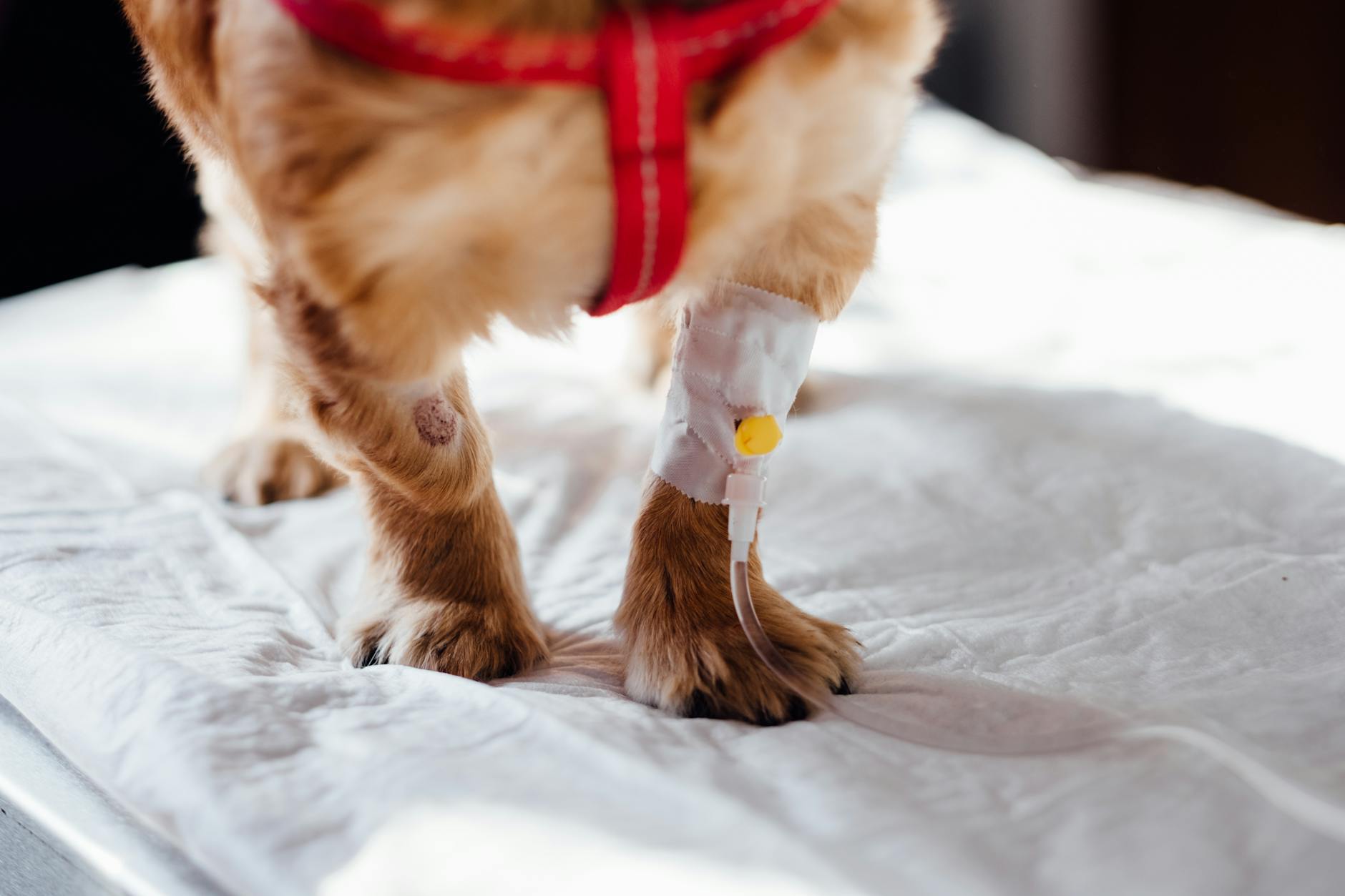
What is a Common Dog Paw Pad Injury? Unveiling Pododermatitis and Beyond
The most common dog paw pad injury is arguably pododermatitis, an inflammation of the paws, leading to redness, swelling, and often secondary infections. Understanding what is a common dog paw pad injury and its causes is crucial for proactive pet care and preventing discomfort for your furry friend.

Understanding Paw Pad Anatomy and Function
Dog paw pads are remarkable structures, designed to provide cushioning, insulation, and traction. These tough, leathery surfaces are made of thick skin containing fat and connective tissue.
- Digital Pads: Located on each toe, providing grip and stability.
- Metacarpal/Metatarsal Pads: The larger pads on the front and hind paws respectively, acting as shock absorbers.
- Carpal Pad: Found on the front legs only, located slightly above the metacarpal pad, offering extra grip during steep descents.
The pads lack a dense network of blood vessels in their outer layers, contributing to their durability. However, this also means that injuries can sometimes take longer to heal. The pads are essential for a dog’s mobility and comfort; therefore, their health should be a top priority.
Common Causes of Paw Pad Injuries

Numerous factors can contribute to paw pad injuries in dogs. Recognizing these potential threats is the first step in prevention.
- Trauma: Cuts, abrasions, punctures, and burns from rough surfaces, sharp objects (glass, thorns), hot pavement, or chemicals.
- Infection: Bacterial, fungal, or parasitic infections, often secondary to another injury.
- Allergies: Environmental or food allergies can manifest as itchy paws, leading to self-trauma and inflammation.
- Autoimmune Diseases: Conditions like pemphigus can affect the skin, including the paw pads.
- Foreign Bodies: Foxtails, splinters, or other objects embedded in the pads.
- Extreme Temperatures: Hot pavement in summer and ice melt chemicals in winter.
Understanding the underlying cause is essential for effective treatment.
Recognizing the Signs of Paw Pad Injuries
Early detection is crucial to preventing more severe complications. Watch for these signs:
- Limping or favoring a paw.
- Excessive licking or chewing at the paws.
- Redness, swelling, or inflammation of the pads.
- Bleeding or discharge from the pads.
- Visible cuts, blisters, or foreign objects.
- Changes in paw pad texture (e.g., cracking, scaling).
If you notice any of these signs, consult with your veterinarian promptly.

Prevention Strategies for Healthy Paw Pads
Proactive care is key to maintaining healthy paw pads.
- Regular Inspection: Examine your dog’s paws regularly for any abnormalities.
- Protective Footwear: Consider using dog boots or paw wax during extreme weather conditions or on rough terrain.
- Avoidance: Steer clear of hot pavement, icy surfaces treated with chemicals, and areas known to have sharp objects.
- Proper Hygiene: Keep your dog’s paws clean and dry. Trim the fur between the toes to prevent matting and moisture retention.
- Balanced Diet: Ensure your dog receives a nutritious diet to support healthy skin and coat.
Treatment Options for Paw Pad Injuries
Treatment will depend on the nature and severity of the injury.
- Wound Care: Cleaning the wound with antiseptic solution, removing foreign objects, and bandaging to prevent infection.
- Medication: Antibiotics for bacterial infections, antifungals for fungal infections, and anti-inflammatory drugs for pain and swelling.
- Pain Management: Providing pain relief through medication or other modalities like cold compresses.
- Surgery: In severe cases, surgery may be necessary to remove foreign objects or repair damaged tissue.
It’s crucial to follow your veterinarian’s instructions carefully for optimal healing.
Complications of Untreated Paw Pad Injuries
Ignoring paw pad injuries can lead to serious complications.
- Chronic Infection: Persistent infections can be difficult to treat and may require prolonged antibiotic therapy.
- Lameness: Untreated injuries can cause chronic pain and lameness, affecting your dog’s quality of life.
- Abscess Formation: Deep infections can lead to abscesses that require drainage.
- Spread of Infection: In rare cases, infection can spread to other parts of the body, causing systemic illness.
Prompt veterinary care is essential to prevent these complications.
Pododermatitis: A Deeper Dive into a Common Problem
Pododermatitis is often the result of underlying problems, and identifying the root cause is vital for long-term management.
- Allergic Pododermatitis: Caused by environmental or food allergies. Can present with red, itchy paws, and secondary infections are common.
- Infectious Pododermatitis: Caused by bacterial or fungal infections. Often presents with pus-filled lesions.
- Immune-Mediated Pododermatitis: Caused by autoimmune diseases such as pemphigus. Often involves ulceration and crusting.
Treating the underlying cause alongside addressing the inflammation and infection is critical for effective management of pododermatitis.
Comparing Paw Pad Injuries: Severity and Treatment
| Injury Type | Severity | Symptoms | Treatment |
|---|---|---|---|
| Minor Cuts/Abrasions | Mild | Superficial scratches, slight redness, minor bleeding | Cleaning with antiseptic, applying antibiotic ointment, bandaging (optional) |
| Puncture Wounds | Moderate | Deeper wounds, more significant bleeding, potential for infection | Cleaning with antiseptic, removing foreign objects, antibiotic ointment, bandaging, potential oral antibiotics |
| Burns | Moderate/Severe | Blisters, peeling skin, severe pain, potential for secondary infection | Pain management, cleaning with sterile saline, antibiotic ointment, bandaging, potential hospitalization for severe burns |
| Pododermatitis | Mild/Severe | Redness, swelling, itching, inflammation, pus-filled lesions, ulceration | Identifying and treating underlying cause (allergies, infection, immune disease), topical medications, oral medications (antibiotics, antifungals) |
| Foreign Bodies | Moderate | Limping, excessive licking, visible foreign object (splinter, foxtail), potential for infection | Removal of foreign object, cleaning with antiseptic, antibiotic ointment, bandaging, potential oral antibiotics |
Long-Term Paw Pad Care and Maintenance
Maintaining healthy paw pads is an ongoing process.
- Continue to inspect your dog’s paws regularly.
- Use paw protection when necessary.
- Keep your dog’s nails trimmed to prevent overgrowth and potential injuries.
- Consult your veterinarian if you notice any changes or concerns.
The Importance of Consulting a Veterinarian
While many minor paw pad injuries can be managed at home, it’s crucial to consult a veterinarian for:
- Deep or infected wounds.
- Suspected foreign bodies.
- Severe burns.
- Signs of systemic illness.
- Chronic or recurring paw problems.
A veterinarian can provide an accurate diagnosis and develop an appropriate treatment plan. Understanding what is a common dog paw pad injury is important, but professional guidance is paramount for effective treatment and prevention of future issues.
When to Seek Emergency Veterinary Care
Certain paw pad injuries require immediate veterinary attention:
- Severe bleeding that cannot be controlled.
- Deep puncture wounds.
- Significant pain or lameness.
- Signs of shock (pale gums, rapid breathing).
- Burns covering a large area of the paw pads.
Frequently Asked Questions (FAQs)
What are the most common types of foreign objects found in dog paw pads?
The most common foreign objects found in dog paw pads are foxtails, thorns, glass shards, and small pebbles. These objects can become embedded in the pads, causing pain, inflammation, and potentially infection. Regular paw checks after walks can help prevent this.
How can I tell if my dog has a paw pad infection?
Signs of a paw pad infection include redness, swelling, discharge (pus), a foul odor, and increased licking or chewing. In some cases, your dog may also exhibit lameness. If you suspect an infection, consult your veterinarian for diagnosis and treatment.
What is the best way to clean a minor cut on my dog’s paw pad?
For a minor cut, gently clean the area with lukewarm water and a mild antiseptic solution (such as diluted povidone-iodine). Pat the area dry and apply a thin layer of antibiotic ointment. Consider bandaging the paw to protect it from further contamination. Monitor the wound for signs of infection.
Is paw wax effective for protecting my dog’s paw pads?
Yes, paw wax can be effective for protecting paw pads from extreme temperatures, rough surfaces, and chemicals. It creates a barrier that helps prevent dryness, cracking, and irritation. Apply the wax before walks, especially in hot or cold weather.
Can food allergies cause paw pad problems in dogs?
Yes, food allergies can manifest as itchy paws, leading to self-trauma and inflammation, a condition known as allergic pododermatitis. If your dog has chronic paw problems, your veterinarian may recommend a food elimination trial to rule out food allergies.
How often should I check my dog’s paw pads?
Ideally, you should check your dog’s paw pads at least once a week, or after every walk in potentially hazardous environments. Regular inspections can help you identify problems early and prevent complications.
What should I do if my dog steps on hot pavement?
If your dog steps on hot pavement, immediately move them to a cooler surface and assess their paws for signs of burns. Cool their paws with cool (not cold) water and seek veterinary attention if they have blisters, peeling skin, or are showing signs of pain. Prevention is key; avoid walking your dog on hot pavement during the hottest part of the day.
Are dog boots necessary for all dogs in winter?
Dog boots are not necessary for all dogs in winter, but they can be beneficial for dogs with sensitive paws, dogs who are exposed to ice melt chemicals, or dogs who spend a lot of time outside in cold weather. Boots provide protection from the elements and can prevent frostbite and chemical burns.
Can I use human antibiotic ointment on my dog’s paw pad injury?
While some human antibiotic ointments are generally safe for dogs, it is always best to consult with your veterinarian before using any medication. Some human ointments contain ingredients that can be toxic to dogs if ingested. Your veterinarian can recommend a safe and effective ointment.
How long does it take for a dog paw pad injury to heal?
The healing time for a dog paw pad injury varies depending on the severity of the injury and the dog’s overall health. Minor cuts and abrasions may heal within a week, while deeper wounds or infections may take several weeks to heal. Follow your veterinarian’s instructions carefully to promote optimal healing.
What are the potential long-term effects of chronic paw pad injuries?
Chronic paw pad injuries can lead to long-term pain, lameness, and decreased quality of life. They can also increase the risk of secondary infections and other complications. Early diagnosis and treatment are essential to prevent these long-term effects.
Is licking a paw pad injury bad for my dog?
Excessive licking of a paw pad injury can hinder healing and increase the risk of infection. The saliva can introduce bacteria into the wound, and the constant moisture can create a breeding ground for microorganisms. Use an Elizabethan collar (cone) to prevent your dog from licking the injury.
Ultimately, recognizing what is a common dog paw pad injury, practicing preventative measures, and seeking timely veterinary care will ensure your dog’s paws remain healthy and comfortable, allowing them to enjoy an active and fulfilling life.