
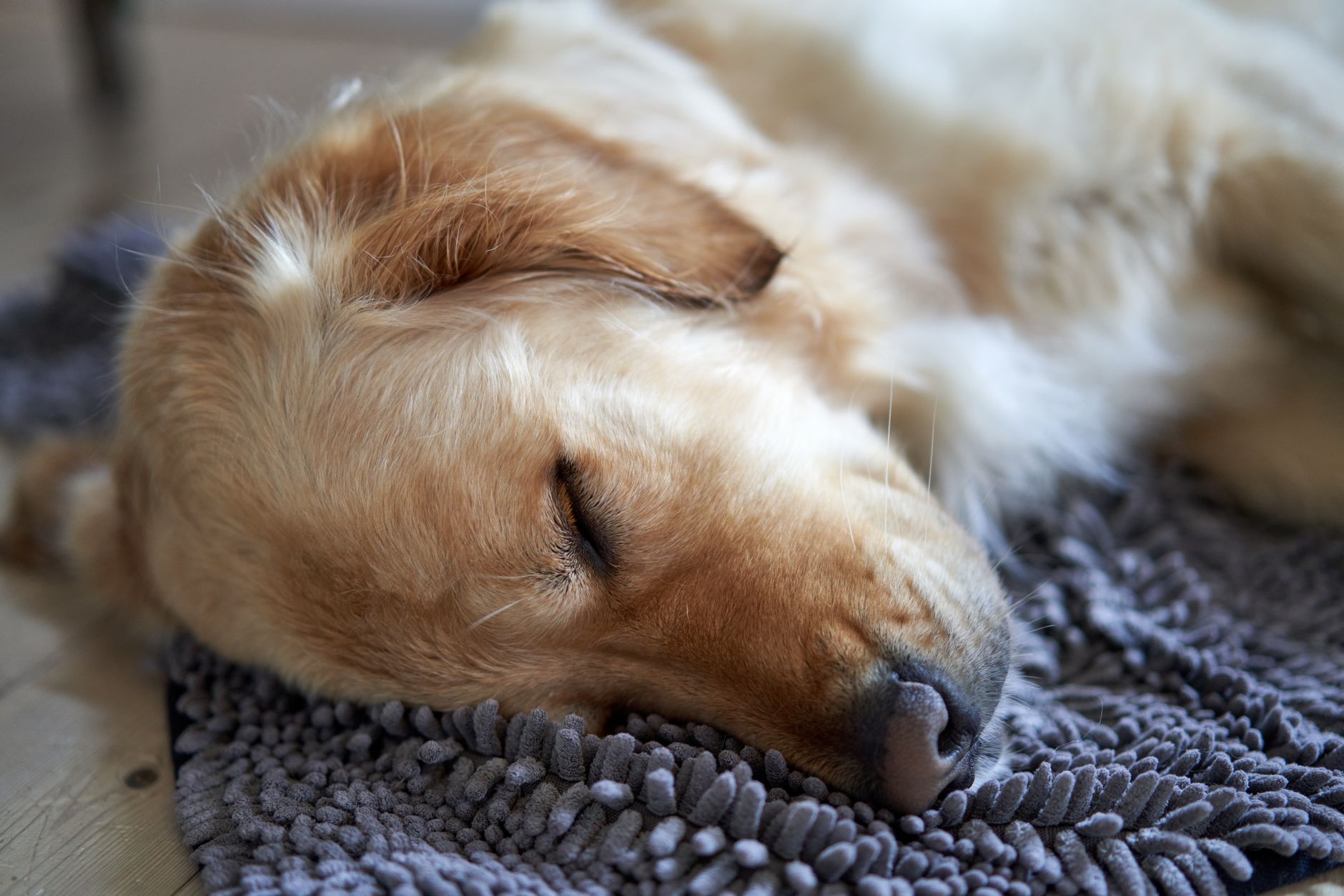
Should Your Dog Sleep in Your Tent With You? Weighing the Pros and Cons
Whether or not your dog should sleep in your tent with you is a complex decision, balancing comfort, safety, hygiene, and practicality; ultimately, a well-behaved, properly prepared dog can enhance your camping experience, but careful consideration is crucial.

Introduction: Camping Companionship
The allure of camping often includes sharing the experience with our beloved dogs. The image of a furry friend nestled beside you in the tent, providing warmth and companionship under the stars, is undeniably appealing. However, bringing your dog into your tent introduces a range of factors that warrant careful consideration. Should your dog sleep in your tent with you? This seemingly simple question requires a thorough assessment of your dog’s temperament, training, and health, as well as an honest evaluation of your camping style and the specific environment you’ll be venturing into. This article will delve into the various aspects of this decision, helping you make an informed choice that prioritizes the well-being of both you and your canine companion.
Benefits of Sharing Your Tent

Having your dog inside the tent can offer several advantages:
- Increased Security: A dog’s presence can deter potential wildlife encounters or unwanted human visitors. Their bark is often enough to alert you to approaching danger.
- Emotional Comfort: For many, the companionship of a dog reduces anxiety and loneliness, especially in unfamiliar outdoor settings.
- Added Warmth: Dogs can provide a significant source of body heat, which can be crucial in colder climates. This is especially helpful for smaller dogs.
- Stronger Bond: Sharing close quarters strengthens the bond between you and your dog, creating lasting memories of your outdoor adventures.
- Convenience: You avoid having to set up a separate sleeping area for your dog outside, and can more easily monitor them through the night.
Potential Drawbacks
While the benefits are attractive, several potential drawbacks must be addressed:
- Dirt and Odor: Dogs inevitably track in dirt, mud, and debris. Wet dog smell can also permeate the tent.
- Damage: Claws can tear tent fabric, and chewing can damage gear.
- Allergies: For allergy sufferers, sharing a confined space with a dog can trigger or exacerbate allergic reactions.
- Noise: Barking, whining, or restlessness can disrupt sleep for you and other campers.
- Space Limitations: A large dog can significantly reduce the usable space inside your tent, making it cramped and uncomfortable.
- Parasites: Fleas and ticks brought into the tent can infest your sleeping area.
- Wildlife Attraction: In some areas, the scent of dog food or the dog itself might attract larger predators.
Essential Preparations
Before deciding should your dog sleep in your tent with you, consider these vital preparations:
- Training: Your dog should have solid recall, “stay,” and “leave it” commands. They should also be comfortable being confined to a small space.
- Grooming: Thoroughly brush your dog before entering the tent to minimize shedding and dirt. Consider a pre-trip bath.
- Parasite Prevention: Ensure your dog is up-to-date on flea, tick, and heartworm prevention.
- Tent Protection: Consider using a dog bed or blanket to protect the tent floor from claws and dirt.
- Waste Management: Always pack out your dog’s waste and dispose of it properly.
- First-Aid Kit: Include items specific to dog first aid, such as antiseptic wipes, bandages, and a tick remover.
- Environmental Awareness: Research the specific environment and potential wildlife hazards before your trip. Be aware of any leash laws or park regulations regarding pets.
- A Trial Run: Practicing setting up your tent and having your dog inside it at home can help identify potential issues before you’re in the wilderness.
Evaluating Your Dog’s Temperament
Your dog’s personality plays a crucial role in determining the success of tent camping together:
- Anxious or Restless Dogs: Dogs prone to anxiety or restlessness may not adapt well to the confined space and unfamiliar sounds of a tent.
- Aggressive Dogs: Dogs with aggression issues towards other animals or people should never be allowed to sleep in the tent.
- Well-Behaved Dogs: Calm, well-trained dogs that are comfortable in new environments are the best candidates for tent camping.
Tent Hygiene and Maintenance
Maintaining a clean tent is essential for comfort and hygiene:
- Regular Sweeping: Use a small broom or vacuum to remove dirt and debris daily.
- Wipe Down Surfaces: Clean up spills and messes immediately.
- Air Out the Tent: Open the tent flaps whenever possible to ventilate and reduce moisture buildup.
- Protect Your Sleeping Bag: Use a sleeping bag liner to minimize contact with dog hair and dander.
- Dedicated Dog Towel: Keep a separate towel specifically for drying your dog after walks.
Creating a Comfortable Sleeping Space
A designated sleeping space can make your dog feel more secure:
- Dog Bed or Blanket: Provide a familiar and comfortable sleeping surface.
- Favorite Toys: Include a few favorite toys to help your dog relax.
- Water Bowl: Ensure your dog has access to fresh water throughout the night.
- Consistent Routine: Maintain your dog’s normal bedtime routine as much as possible.
Common Mistakes to Avoid
Avoid these common pitfalls when deciding should your dog sleep in your tent with you:
- Ignoring Training Needs: Assuming your dog will automatically behave well in the tent.
- Neglecting Hygiene: Failing to adequately groom and clean your dog before entering the tent.
- Overlooking Space Limitations: Not considering the size of your dog and the available space in your tent.
- Forgetting Safety Precautions: Neglecting to research potential wildlife hazards or to bring a dog first-aid kit.
- Ignoring Your Own Comfort: Prioritizing your dog’s comfort over your own sleep and well-being.
Alternative Sleeping Arrangements
If sharing a tent isn’t ideal, consider these alternatives:
- Dog Tent: A separate, smaller tent specifically for your dog.
- Covered Kennel: A portable kennel placed under a tarp or awning.
- Sleeping in the Car: If weather permits, your dog can sleep comfortably in the car. Ensure proper ventilation and safe temperatures.

Frequently Asked Questions
Here are some frequently asked questions regarding should your dog sleep in your tent with you:
What size tent is best if my dog is sleeping inside?
Choose a tent that is significantly larger than you would typically need for the number of people camping. This will provide ample space for both you and your dog to sleep comfortably without feeling cramped. Consider a tent with multiple rooms or a large vestibule for added space.
How do I keep my dog from scratching the tent floor?
Trim your dog’s nails regularly and provide a dedicated dog bed or blanket. You can also purchase a tent footprint or a heavy-duty tarp to place under the tent for added protection. Consider booties for inside the tent if scratching is a persistent problem.
What if my dog gets scared during the night?
Comfort your dog with gentle reassurance and physical contact. A familiar toy or blanket can also help them feel more secure. If severe anxiety persists, consult your veterinarian about anti-anxiety medication or calming aids.
How do I prevent my dog from bringing ticks into the tent?
Use a reliable tick repellent specifically designed for dogs. Check your dog thoroughly for ticks before entering the tent, paying close attention to areas around the ears, neck, and legs. Consider using a tick key for safe removal.
Can my dog attract wildlife to our campsite?
Yes, the scent of dog food or the dog itself can potentially attract wildlife. Store dog food in airtight containers and keep it away from the tent. Avoid leaving food scraps or bowls outside overnight. Be particularly cautious in areas with bears or other large predators.
Is it safe to leave my dog alone in the tent while I go hiking?
Generally, it is not recommended to leave your dog unattended in a tent, especially in hot weather. The tent can quickly overheat, posing a serious health risk. If you must leave your dog alone, ensure adequate ventilation and provide plenty of water. A better option is to find a shaded spot for your dog to rest outside or consider taking your dog with you on the hike (if permitted).
What are the legal considerations of camping with my dog?
Different parks and campgrounds have varying regulations regarding pets. Check the specific rules of the area you plan to visit before your trip. Some areas may require dogs to be leashed at all times, while others may prohibit dogs altogether. Be aware of any local ordinances regarding pet ownership.
How do I deal with dog hair in the tent?
Regular brushing before and during the camping trip is crucial. Use a lint roller or vacuum to remove dog hair from the tent floor and sleeping bags. Packing a pet hair remover glove can also be helpful.
What if my dog has an accident inside the tent?
Clean the area immediately with an enzymatic cleaner designed to remove pet odors. This will help prevent lingering odors and discourage your dog from repeating the behavior. Carry a dedicated cleaning kit for such situations.
What is the best way to dry my dog off after a rainy hike?
Use a highly absorbent dog towel to remove as much moisture as possible. Consider using a portable dog dryer or a car vent dryer to speed up the drying process. Ensure your dog is completely dry before allowing them to enter the tent to prevent moisture buildup and unpleasant odors.
My dog snores loudly. Is that a problem?
If your dog’s snoring is excessive or disruptive, it can be a problem for both you and other campers. Consider using earplugs or a white noise machine to mask the snoring. If the snoring is a new or worsening symptom, consult your veterinarian to rule out any underlying medical conditions.
Are there any specific health concerns to consider when camping with a dog?
Be aware of potential health risks such as heatstroke, dehydration, and exposure to parasites. Provide plenty of water, avoid strenuous activity during the hottest parts of the day, and check your dog regularly for ticks and other parasites. Know the signs of heatstroke and be prepared to provide immediate first aid.