
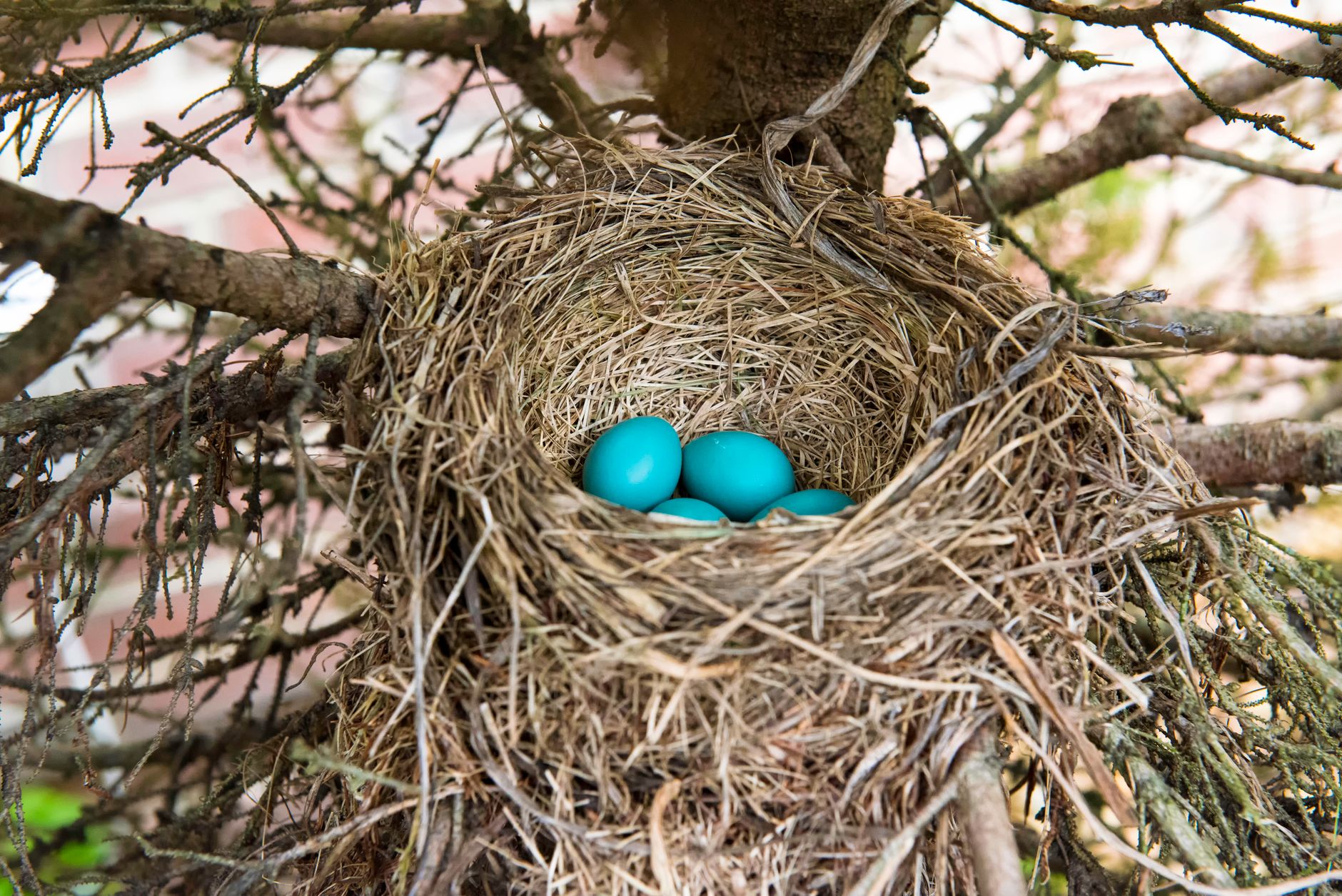
What Happens to Bird Nests When It Rains?
The effects of rain on bird nests vary greatly, but essentially, bird nests are designed to withstand rain to a reasonable extent, though excessive downpours can certainly lead to nest damage, chick mortality, and abandonment.

Introduction: The Resilient Architecture of Avian Homes
Bird nests are marvels of natural engineering, meticulously crafted to protect fragile eggs and developing chicks from the elements. Among the most challenging of these elements is rain. What happens to bird nests when it rains? The answer is a complex interplay of material science, structural design, and avian adaptability. Understanding how nests cope with rainfall provides fascinating insights into the ingenuity of birds and the ecological pressures that shape their behavior.
Nest Construction Materials: A Defense Against the Downpour

The choice of materials is crucial for a nest’s ability to withstand rain. Birds often select materials that are inherently water-resistant or that can be arranged to shed water effectively.
- Plant Fibers: Many nests incorporate plant fibers like grasses, stems, and leaves. These materials, when tightly woven, can create a relatively impermeable layer.
- Mud and Clay: Some species, like swallows, use mud or clay to construct their nests. When dried, these materials form a sturdy, waterproof shell.
- Mosses and Lichens: These absorbent materials can initially soak up water but also provide insulation and can dry relatively quickly.
- Spider Silk: Used as a binding agent, spider silk adds elasticity and strength, allowing the nest to flex and move without tearing in heavy rain and wind.
Nest Design: Channeling Water Away
The architecture of a nest plays a significant role in its ability to repel water. Several design features contribute to this:
- Shape: Domed nests, common among wrens and ovenbirds, are particularly effective at shedding water. The rounded shape prevents water from pooling on the surface.
- Drainage Holes: Some nests incorporate small drainage holes at the bottom to allow any water that does penetrate to escape.
- Location: Birds often choose sheltered locations for their nests, such as under the eaves of buildings, in dense foliage, or within tree cavities. These locations offer protection from direct rainfall and wind.
- Orientation: The direction a nest faces can influence its exposure to prevailing winds and rain. Birds may instinctively build nests facing away from the most frequent storms.
The Consequences of Excessive Rain: Challenges and Adaptations
While nests are designed to withstand typical rainfall, extreme weather events can overwhelm their defenses. What happens to bird nests when it rains heavily?
- Nest Flooding: Heavy rain can saturate the nest material, leading to flooding. This can drown eggs or young chicks.
- Structural Damage: Strong winds accompanying rain can tear apart nests, dislodging them from their supports and exposing the contents.
- Hypothermia: Wet chicks are particularly vulnerable to hypothermia, as they lack the ability to regulate their body temperature effectively.
- Food Scarcity: Rain can disrupt the foraging activities of parent birds, leading to food shortages for the chicks.
Birds employ various strategies to mitigate the negative effects of rain.
- Incubation: Parent birds may increase the amount of time they spend incubating eggs during rainy periods to keep them warm and dry.
- Brooding: Similarly, parent birds will brood chicks, sheltering them from the rain and providing warmth.
- Nest Repair: After a storm, birds will often repair damaged nests, reinforcing weak spots and replacing lost materials.
- Abandonment: In extreme cases, if a nest is severely damaged or the chicks are unlikely to survive, parent birds may abandon the nest and start anew. This is a last resort, as it represents a significant investment of time and energy lost.
Climate Change and the Future of Bird Nests
Climate change is altering rainfall patterns worldwide, with many regions experiencing more frequent and intense storms. This poses a significant challenge to birds and their nests. What happens to bird nests when it rains in increasingly severe weather conditions?
- Increased Stress: More frequent and intense rain events increase the stress on nests, making it more difficult for birds to successfully raise their young.
- Shifting Nesting Habits: Some birds may need to adapt their nesting habits, choosing different locations or materials that are better suited to the changing climate.
- Population Declines: If birds are unable to adapt quickly enough, increased rainfall could contribute to population declines, particularly for species that are already vulnerable.

Frequently Asked Questions (FAQs)
Why do some bird nests look so flimsy?
The apparent flimsiness of some bird nests can be deceiving. While they may appear fragile to us, they are often constructed with remarkable skill and designed to be flexible and resilient. The elasticity allows the nest to move with the wind and rain, reducing the risk of catastrophic damage. Remember, birds are not building houses, but rather temporary nurseries.
Do all birds build nests?
No, not all birds build nests. Some species, like the Brown-headed Cowbird, are brood parasites, meaning they lay their eggs in the nests of other birds. These host birds then incubate the cowbird eggs and raise the chicks as their own. Other birds, like certain seabirds, may simply lay their eggs directly on the ground or in a shallow scrape.
How long does it take a bird to build a nest?
The time it takes a bird to build a nest varies greatly depending on the species, the complexity of the nest, and the availability of materials. Some simple nests can be built in a day or two, while more elaborate nests may take weeks to complete. Environmental factors can also influence building time, as inclement weather can delay construction.
What is the lifespan of a bird nest?
The lifespan of a bird nest is typically limited to a single breeding season. Most birds build a new nest each year, although some species may reuse a nest if it is still in good condition. Over time, nests can become damaged by weather, parasites, and other factors. The nest is built to serve the purpose of rearing young, and is unlikely to last longer than needed.
Do birds ever waterproof their nests?
While birds don’t typically “waterproof” their nests in the way we might waterproof a building, they do use materials and construction techniques that enhance water resistance. For example, some birds use plant resins or waxes to coat the exterior of their nests, making them more impervious to rain. The domed shape is the primary defense against heavy rainfall.
What happens to the eggs in a nest during a heavy rainstorm?
If a nest is flooded during a heavy rainstorm, the eggs may drown or become chilled, which can kill the developing embryos. However, parent birds will often incubate the eggs more intensely during rainy periods to help keep them warm and dry. Quick action on the part of the parent bird is crucial for survival.
How do birds protect their chicks from the rain?
Parent birds protect their chicks from the rain by brooding them, sheltering them under their wings and feathers. This provides a physical barrier against the rain and also helps to keep the chicks warm. Brooding behavior is essential for the survival of young chicks in wet weather.
Can I help birds by providing nesting materials?
Yes, you can help birds by providing nesting materials in your yard. Suitable materials include dried grasses, twigs, leaves, moss, and pet hair. Avoid providing materials that could be harmful, such as yarn or string, which can entangle chicks. Providing materials reduces the energy that birds expend trying to find suitable materials.
Is it okay to touch a bird nest?
It is generally not advisable to touch a bird nest, as this can disturb the birds and potentially cause them to abandon the nest. Additionally, some birds are protected by law, and it is illegal to disturb their nests. Observe nests from a distance and appreciate the natural world without interfering.
What should I do if I find a bird nest that has fallen out of a tree?
If you find a bird nest that has fallen out of a tree, you can try to place it back in the tree if it is still intact and the chicks are still alive. However, it is important to handle the nest gently and to avoid disturbing the birds. If the nest is severely damaged or the chicks appear to be injured, you should contact a local wildlife rehabilitator for assistance. Always prioritize the safety and well-being of the birds.
Do different species of birds build nests differently?
Yes, different species of birds build nests in a wide variety of styles, reflecting their specific needs and the environments in which they live. Some birds build simple cup-shaped nests, while others construct elaborate domed nests or hanging nests. The materials used and the construction techniques employed also vary greatly. This diversity reflects the incredible adaptability of birds.
How does What happens to bird nests when it rains? Impact bird populations long term?
The long-term impact of rainfall on bird populations depends on several factors, including the frequency and intensity of rain events, the adaptability of the bird species, and the availability of suitable nesting habitat. In areas where rainfall patterns are becoming more extreme due to climate change, some bird populations may decline if they are unable to adapt quickly enough. Conservation efforts aimed at protecting and restoring nesting habitat can help to mitigate these impacts.