

The Vanishing Buffalo: How the Decline Devastated the Plains Indians
The dwindling buffalo population had a catastrophic and multifaceted impact on Plains Indian tribes, leading to widespread starvation, cultural disintegration, increased dependence on the U.S. government, and ultimately, the loss of their traditional way of life, marking a permanent and traumatic shift in their existence. What effect did the declining buffalo population have on the Plains Indians? was profound and irreversible.

A Legacy of Interdependence: Buffalo and the Plains Indians
For centuries, the Plains Indians existed in a delicate symbiotic relationship with the American buffalo, also known as the bison. These magnificent creatures were not merely a source of food; they were the cornerstone of their entire culture, spirituality, and economy. Understanding this interdependence is crucial to grasping the devastation caused by the buffalo’s decline.

Do all amphibians have eyelids?
Why do cuttlefish have W-shaped eyes?
Do all snakes have poison in them?
What is the GREY African clawed frog?
The Buffalo: Sustenance and Survival
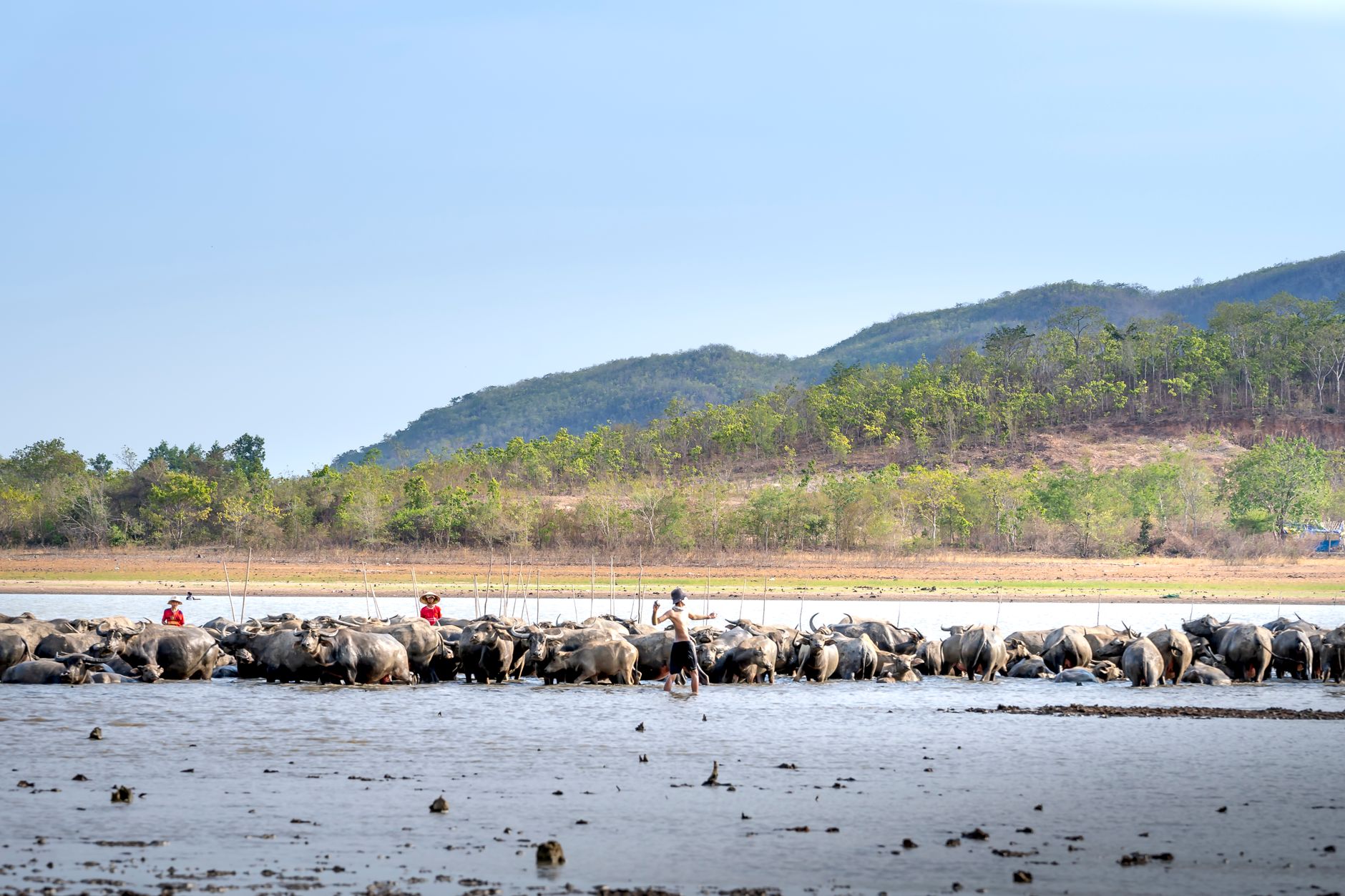
The buffalo provided virtually everything the Plains Indians needed to survive in the harsh environment of the Great Plains.
- Food: Buffalo meat was a staple food source, providing essential protein and fat. Every part of the animal was utilized, from the organs to the blood.
- Clothing: Hides were tanned and used to create clothing, including robes, shirts, leggings, and moccasins.
- Shelter: Buffalo hides were stretched over wooden poles to create tipis, mobile and adaptable dwellings perfectly suited for nomadic life.
- Tools: Bones were crafted into tools such as knives, scrapers, and awls. Horns were used for spoons and cups. Sinew provided thread for sewing.
- Fuel: Dried buffalo dung (buffalo chips) served as a readily available fuel source for fires.
The Cultural Significance of the Buffalo
Beyond its practical uses, the buffalo held deep spiritual and cultural significance for the Plains Indians.
- Religious Ceremonies: The buffalo figured prominently in many religious ceremonies and rituals. The White Buffalo Calf Woman, a sacred figure in Lakota Sioux tradition, represented abundance and spiritual power.
- Social Structure: Buffalo hunts were often communal events that fostered cooperation and strengthened social bonds.
- Symbolism: The buffalo symbolized strength, resilience, and the interconnectedness of life.
The Rapid Decline: Causes and Consequences
The decline of the buffalo population in the 19th century was a rapid and devastating process, driven primarily by several factors:
- Commercial Hunting: Driven by the demand for buffalo hides in the East and Europe, commercial hunters slaughtered buffalo en masse.
- U.S. Government Policy: The U.S. government actively encouraged the extermination of the buffalo as a means of controlling the Plains Indians and forcing them onto reservations.
- Railroad Expansion: The expansion of the railroads facilitated the transportation of buffalo hides to markets and further contributed to the slaughter.
- Disease: Introduced diseases, such as cattle diseases, impacted buffalo herds.
The result was catastrophic. Millions of buffalo were killed in a relatively short period, pushing the species to the brink of extinction.
The Devastating Impact: What effect did the declining buffalo population have on the Plains Indians?
The consequences of the buffalo’s decline were far-reaching and devastating for the Plains Indians.
- Starvation: The loss of their primary food source led to widespread starvation and malnutrition.
- Disease: Weakened by hunger, the Plains Indians became more susceptible to diseases.
- Cultural Disintegration: The destruction of their traditional way of life undermined their cultural identity and social structure.
- Dependence on the U.S. Government: The Plains Indians were forced to rely on the U.S. government for food and other supplies, making them vulnerable to manipulation and control.
- Loss of Land and Freedom: Faced with starvation and forced displacement, the Plains Indians were increasingly confined to reservations, losing their ancestral lands and their freedom.
| Category | Impact |
|---|---|
| Food Security | Widespread starvation and malnutrition. |
| Cultural Identity | Erosion of traditional customs, ceremonies, and social structures. |
| Economic Stability | Collapse of traditional trading systems and reliance on the U.S. government for resources. |
| Physical Health | Increased susceptibility to diseases due to malnutrition and weakened immune systems. |
| Territorial Loss | Forced relocation to reservations and loss of ancestral lands. |
From Independence to Dependence
The decline of the buffalo marked a tragic transition for the Plains Indians, from a position of self-sufficiency and independence to one of dependence and subjugation. The destruction of their primary food source and cultural foundation effectively stripped them of their power and autonomy. The long-term consequences of this period continue to resonate today.
Frequently Asked Questions (FAQs)
What was the estimated buffalo population before European contact?
Estimates vary, but most experts believe that the buffalo population in North America before European contact was between 30 million and 60 million. This vast number highlights the scale of the subsequent decline.
How did the introduction of horses affect the Plains Indians’ relationship with the buffalo?
The introduction of horses by Europeans in the 16th century initially enhanced the Plains Indians’ ability to hunt buffalo more effectively. They could travel faster and farther, making hunts more successful. However, this increased hunting efficiency also contributed to the eventual overhunting of the buffalo, especially with the later introduction of firearms and commercial hunting.
What role did the U.S. Army play in the buffalo’s decline?
The U.S. Army played a significant role in the buffalo’s decline by actively supporting and protecting commercial buffalo hunters. Some military leaders saw the extermination of the buffalo as a way to subdue the Plains Indians and force them onto reservations.
What were some of the key treaties between the U.S. government and Plains Indian tribes regarding land and resources?
Several key treaties, such as the Treaty of Fort Laramie (1868), were designed to establish reservation boundaries and provide resources to the Plains Indians. However, these treaties were often violated by the U.S. government, leading to further conflict and hardship.
What were some of the traditional hunting methods used by the Plains Indians?
Plains Indians employed various hunting methods, including:
- Buffalo jumps: Driving herds over cliffs.
- Surrounding: Enclosing herds with fire or by horseback.
- Individual hunts: Stalking and killing individual buffalo.
These methods were typically sustainable and respectful of the buffalo herds.
What efforts were made to preserve the buffalo from extinction?
By the late 19th century, the buffalo population had dwindled to a few hundred. Conservation efforts, led by individuals like William Temple Hornaday, helped to save the species from extinction. These efforts included establishing protected areas and breeding programs.
How did the decline affect the role of women in Plains Indian society?
The decline of the buffalo had a profound impact on women, who played a crucial role in processing buffalo meat and hides. With the loss of the buffalo, women lost a significant source of economic and social power.
What are some of the lasting cultural impacts of the buffalo’s decline on Plains Indian communities?
The buffalo’s decline left deep scars on Plains Indian communities, leading to:
- Loss of cultural traditions and knowledge.
- Increased rates of poverty and health problems.
- Ongoing struggles for self-determination and cultural revitalization.
How did the reservation system contribute to the hardship faced by the Plains Indians?
The reservation system confined the Plains Indians to small, often unproductive areas, making it difficult for them to sustain themselves. They were also subject to government control and policies that undermined their traditional way of life.
What are some examples of contemporary Plains Indian efforts to reclaim their cultural heritage related to the buffalo?
Many Plains Indian tribes are actively working to revitalize their cultural heritage related to the buffalo. These efforts include:
- Reintroducing buffalo to tribal lands.
- Teaching traditional hunting and processing techniques.
- Incorporating buffalo imagery and symbolism into art and ceremonies.
What lessons can be learned from the story of the buffalo and the Plains Indians?
The story of the buffalo and the Plains Indians serves as a stark reminder of the devastating consequences of:
- Environmental destruction.
- Cultural imperialism.
- The violation of treaties and indigenous rights.
It underscores the importance of respecting the environment and protecting the rights of indigenous peoples.
What is the current status of the American buffalo population?
While the American buffalo is no longer in immediate danger of extinction, the population remains significantly smaller than it once was. Conservation efforts are ongoing to ensure the long-term survival of the species and to support the cultural revitalization efforts of Plains Indian tribes. What effect did the declining buffalo population have on the Plains Indians? continues to have echoes today.