
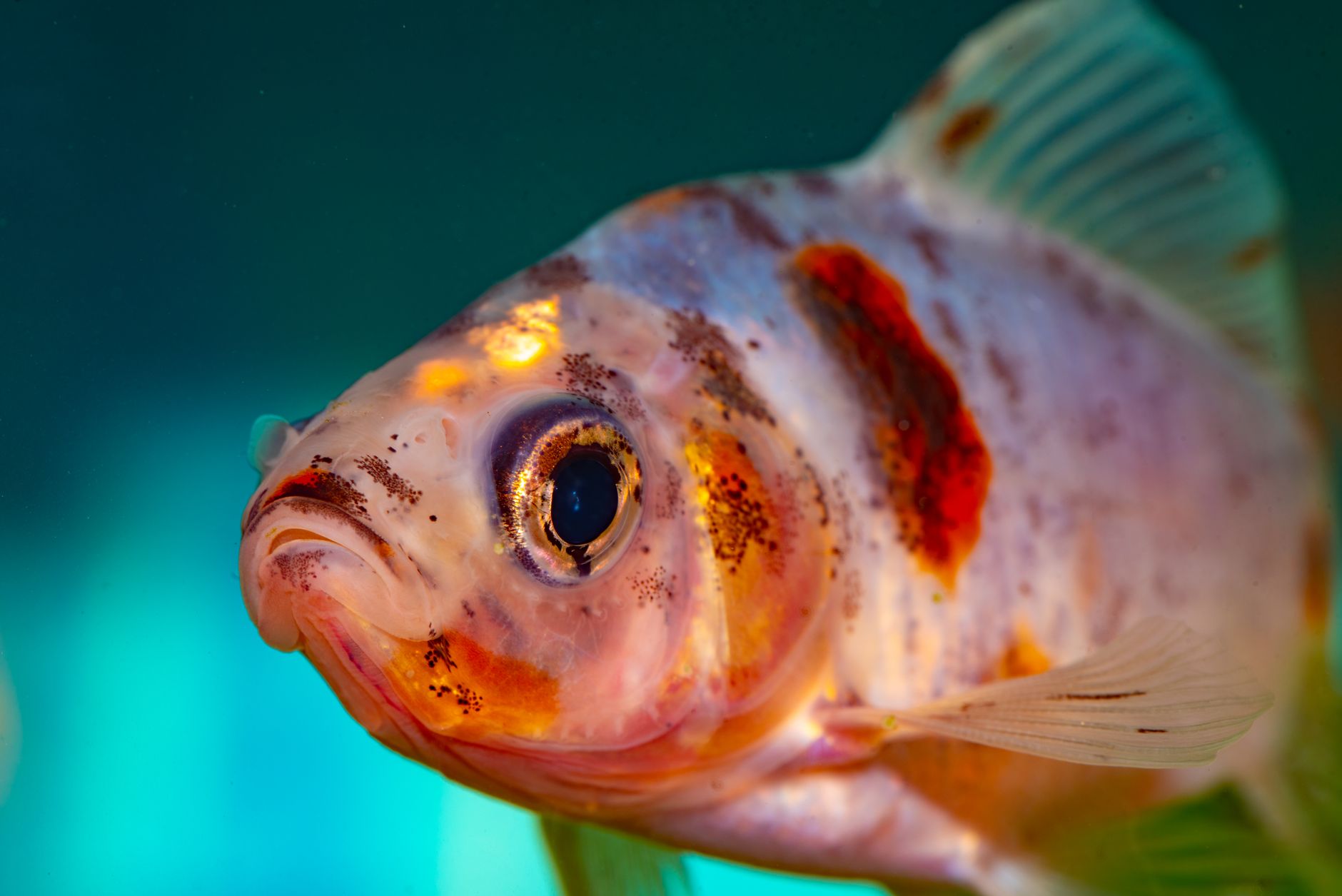
What Does a Sick Goldfish Look Like? Spotting the Signs
Discover how to identify illness in your goldfish. Sick goldfish often exhibit noticeable physical and behavioral changes that, if caught early, can be addressed to improve their chances of recovery.
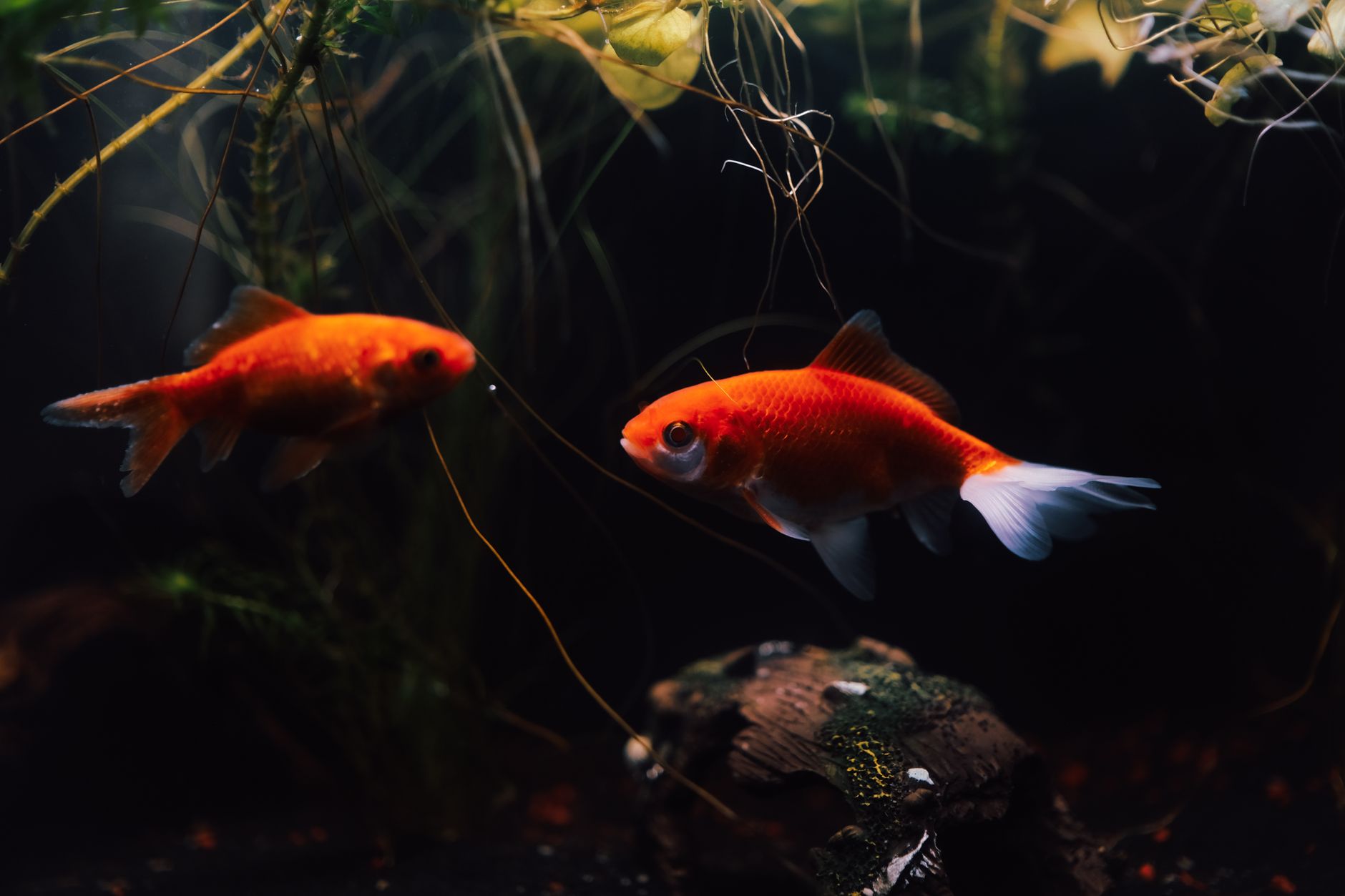
Goldfish, with their vibrant colors and playful demeanor, are popular pets. However, these aquatic companions are susceptible to various illnesses. Recognizing the signs of a sick goldfish is crucial for timely intervention and potentially saving their lives. This article provides a comprehensive guide to identifying the common symptoms of illness in goldfish, helping you provide the best possible care for your finned friends.
Understanding Goldfish Health
Goldfish are relatively hardy, but they thrive best in specific conditions. Maintaining optimal water quality, providing a balanced diet, and avoiding overcrowding are essential for their well-being. When these factors are compromised, goldfish become vulnerable to disease. What does sick goldfish look like? It’s not always obvious, requiring keen observation and a basic understanding of goldfish behavior.
Physical Signs of Illness
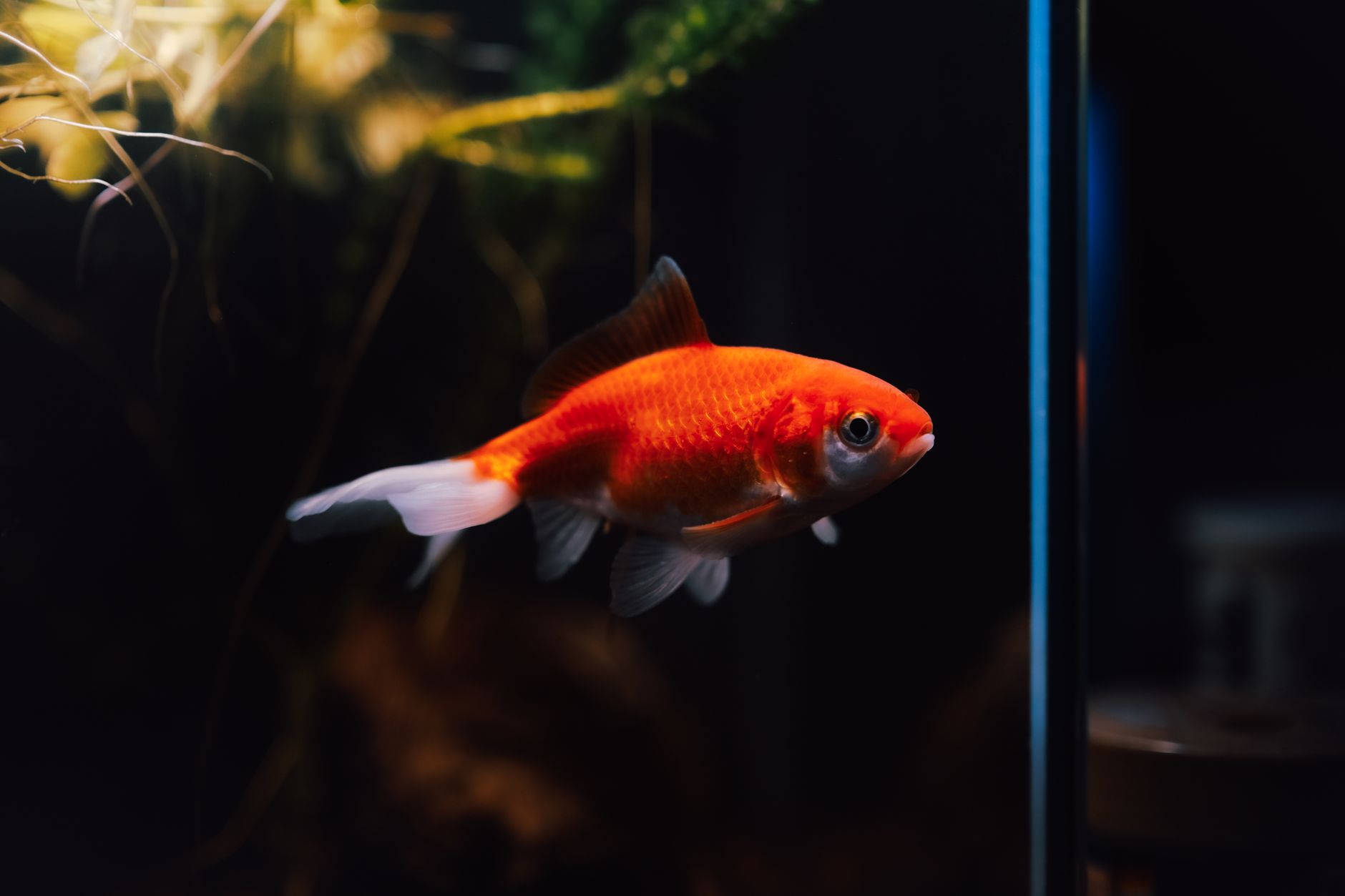
The appearance of a goldfish can be a telltale sign of illness. Here are some physical symptoms to watch out for:
- Abnormal Fin and Scale Appearance:
- Ragged or clamped fins
- Fin rot (characterized by decaying fin edges)
- Protruding scales (pinecone appearance, indicating dropsy)
- Ulcers or lesions on the body
- Changes in Color:
- Loss of color or fading
- Red streaks in fins or body (septicemia)
- Velvet-like gold or rust-colored dust on the body (velvet disease)
- Bloating or Swelling:
- Swollen abdomen (dropsy or constipation)
- Popeye (bulging eyes, often caused by infection)
- Other Physical Abnormalities:
- White spots resembling salt on the body (ich)
- Visible parasites, such as anchor worms or fish lice
- Tumors or growths
Behavioral Signs of Illness
Beyond physical symptoms, changes in behavior can also indicate that a goldfish is unwell. Look for these behavioral changes:
- Lethargy and Inactivity:
- Staying at the bottom of the tank
- Lack of swimming or movement
- Reduced interaction with other fish
- Difficulty Swimming:
- Swimming upside down or sideways
- Erratic or jerky movements
- Floating uncontrollably (swim bladder disorder)
- Changes in Appetite:
- Loss of appetite
- Refusal to eat
- Spitting out food
- Other Behavioral Changes:
- Gasping for air at the surface
- Scratching or rubbing against objects in the tank
- Isolation from other fish
Common Goldfish Diseases
Understanding the common ailments that affect goldfish can help you diagnose the problem more quickly. Here are some examples:
- Ich (White Spot Disease): A parasitic infection characterized by small white spots on the body.
- Fin Rot: A bacterial infection that causes the fins to decay.
- Dropsy: A condition caused by internal organ failure, leading to fluid retention and a bloated appearance.
- Swim Bladder Disorder: A condition that affects the swim bladder, causing difficulty swimming and maintaining balance.
- Fungal Infections: Infections that cause cotton-like growths on the body.
- Parasitic Infections: Infestations by parasites such as anchor worms, fish lice, or gill flukes.
Prevention is Key
Preventing illness is always better than trying to cure it. Here are some essential preventive measures:

- Maintain Optimal Water Quality: Regularly test and maintain water parameters (pH, ammonia, nitrite, nitrate). Perform regular water changes (25-50% weekly).
- Provide a Balanced Diet: Feed your goldfish a high-quality goldfish food in appropriate portions. Supplement their diet with vegetables and occasional treats.
- Avoid Overcrowding: Provide adequate space for your goldfish to swim and thrive. Overcrowding increases stress and susceptibility to disease.
- Quarantine New Fish: Quarantine new goldfish for several weeks before introducing them to your existing tank to prevent the spread of disease.
- Observe Your Fish Regularly: Regularly observe your goldfish for any signs of illness. Early detection is crucial for successful treatment.
Frequently Asked Questions (FAQs)
What are the first signs that my goldfish is sick?
The first signs of a sick goldfish are often subtle changes in behavior, such as decreased activity, loss of appetite, or hiding. Pay close attention to any deviations from your goldfish’s normal routine.
How do I know if my goldfish has ich?
Ich is characterized by small, white spots resembling salt scattered across the body and fins. You may also notice your goldfish scratching against objects in the tank.
What causes fin rot in goldfish?
Fin rot is usually caused by poor water quality and bacterial infections. Maintaining clean and well-filtered water is essential to prevent it.
How can I treat dropsy in my goldfish?
Dropsy is a serious condition, and treatment is often difficult. Improving water quality, administering antibiotics, and adding Epsom salt to the tank may help, but success is not guaranteed.
What is swim bladder disorder, and how can I treat it?
Swim bladder disorder can be caused by constipation, overfeeding, or infection. Treatment includes fasting, feeding shelled peas, and improving water quality. Severe cases might require antibiotics.
What should I do if my goldfish has a fungal infection?
Fungal infections appear as cotton-like growths on the body. Treat with antifungal medications available at pet stores and ensure excellent water quality.
How often should I change the water in my goldfish tank?
Regular water changes are essential for maintaining water quality. Aim to change 25-50% of the water weekly, depending on the size of the tank and the number of fish.
Can I use tap water for my goldfish tank?
Tap water can be used, but it must be treated with a dechlorinator to remove chlorine and chloramine, which are harmful to fish.
What temperature should I keep my goldfish tank at?
Goldfish thrive in cooler temperatures, ideally between 68-74°F (20-23°C).
What is the best food to feed my goldfish?
Feed your goldfish a high-quality goldfish food that is specifically formulated for their nutritional needs. Supplement their diet with vegetables and occasional treats.
How can I prevent my goldfish from getting sick?
Prevention is crucial. Maintain excellent water quality, provide a balanced diet, avoid overcrowding, and quarantine new fish. Regular observation is key to catching illnesses early. What does sick goldfish look like? By recognizing the subtle and obvious signs, you can proactively address health concerns.
Is it possible to cure a sick goldfish?
Yes, it’s often possible to cure a sick goldfish, especially if the illness is detected early and treated appropriately. However, the success of treatment depends on the specific disease, the severity of the condition, and the overall health of the fish.