
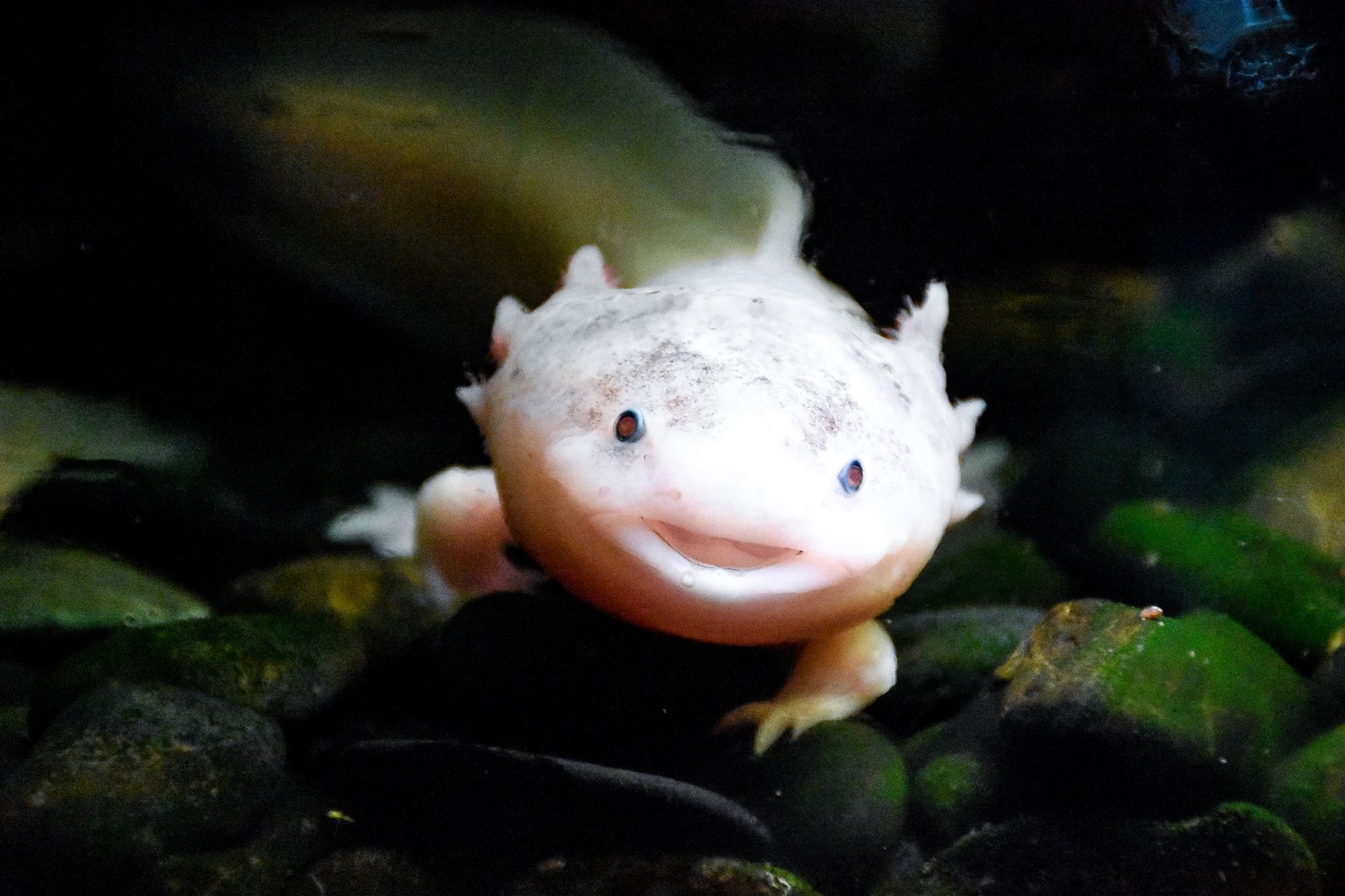
Is the Purple Axolotl Rare? Unveiling the Mystery of Violet Variation
Is the purple axolotl rare? While true purple axolotls are not naturally occurring, individuals with a violet hue due to specific genetic mutations are considered quite uncommon in the wild and require specific breeding to achieve in captivity.

Axolotls, those perpetually smiling aquatic salamanders from Mexico, captivate with their unique appearance. One of the most intriguing questions surrounding these creatures is their coloration, specifically: Is the purple axolotl rare? This article delves into the genetic underpinnings of axolotl pigmentation, explores the origins of purple variations, and clarifies the rarity of these fascinating amphibians.
Understanding Axolotl Coloration
Axolotl coloration is determined by a complex interplay of pigment cells called chromatophores. These cells contain different pigments, including:
- Melanophores: Contain melanin, producing black and brown pigments.
- Xanthophores: Contain carotenoids, producing yellow and red pigments.
- Iridophores: Reflect light, creating iridescent or shiny effects.
The combination and distribution of these pigments create the variety of colors seen in axolotls, including wild type (brown/olive), leucistic (pink/white with black eyes), albino (white with red eyes), and melanoid (dark).
The “Purple” Illusion: Genetics and Color Mixing
The perception of a purple axolotl often arises from a combination of genetic traits. Axolotls don’t naturally produce a true purple pigment. Instead, the “purple” appearance is usually a result of:
- High iridophore density: Excess iridophores reflecting blue light, layered over pink or white skin, can create a violet shimmer.
- Specific combinations of melanophores and xanthophores: In certain genetic backgrounds, melanophores (black) and xanthophores (yellow/red) can interact with the light reflected by iridophores to give a purple-ish or mauve appearance. This is more of a blending than an actual production of a purple pigment.
Therefore, when asking Is the purple axolotl rare?, it’s vital to understand we are typically not talking about an axolotl with purple pigment, but rather an axolotl that appears purple.
Captive Breeding and the Pursuit of Purple
While extremely rare in the wild, breeders have selectively bred axolotls to enhance the “purple” appearance. This involves:
- Identifying individuals with high iridophore counts and favorable color combinations.
- Carefully breeding these individuals to amplify the desired traits.
- Selective culling, choosing the most vibrant and purple-looking individuals for further breeding.
This process is time-consuming and requires a good understanding of axolotl genetics. Even with selective breeding, achieving a consistently “purple” offspring is challenging. This contributes to the perceived rarity of this morph.
The True Rarity of Naturally Occurring Purple
In the wild, axolotl populations are critically endangered, primarily due to habitat loss and pollution. Finding an axolotl with a naturally occurring “purple” shimmer, produced through the genetic combinations described above, is exceedingly rare. The wild axolotl population is already small, and the odds of a specific genetic combination arising and persisting are low. It is possible that the limited gene pool in the wild makes such color variants less likely to appear, as breeders can use more diverse lines in captivity. This further highlights the importance of conservation efforts to preserve axolotl genetic diversity.
Distinguishing True Colors from Lighting and Diet
It’s crucial to distinguish between a genuine purple axolotl and one that appears purple due to lighting or diet. Certain lighting conditions can enhance the iridescence and create a violet sheen. Also, the diet given to axolotls may slightly affect their coloration, typically causing them to become more vibrant.
| Factor | Effect on Appearance |
|---|---|
| Lighting | Can enhance iridescence, create violet sheens |
| Diet | Can affect overall vibrancy but not pigment color |
| Genetic Mutation | Alter the proportion of pigment cells |

Frequently Asked Questions (FAQs)
What exactly makes an axolotl appear purple instead of being a true purple?
The “purple” appearance in axolotls is usually not due to a true purple pigment, but rather a combination of factors. These typically include high iridophore density (reflecting blue light) layered over a pink or white base, or specific combinations of melanophores and xanthophores creating a mauve-like effect.
Are purple axolotls found in the wild?
Finding a naturally occurring purple axolotl in the wild is exceptionally rare. Wild axolotl populations are already critically endangered, and the specific genetic combinations needed for the “purple” appearance are unlikely to arise and persist in the limited gene pool.
Is it ethical to breed axolotls specifically for color morphs like purple?
The ethics of breeding for specific color morphs is a subject of debate. As long as the breeding process does not compromise the axolotl’s health or well-being, and the resulting offspring are properly cared for, it can be considered ethical. However, breeding for extreme traits that negatively impact health is unethical.
How much does a purple axolotl cost?
Due to their perceived rarity and the effort required to breed them, “purple” axolotls can be more expensive than common color morphs like leucistic or wild type. Prices vary depending on the breeder, the intensity of the purple hue, and the size of the axolotl, but expect to pay a premium.
Can I make my axolotl turn purple through diet or lighting?
You cannot make an axolotl permanently turn purple through diet or lighting alone. While lighting can enhance iridescence and create a violet sheen, and diet can affect overall vibrancy, these factors will not fundamentally change the axolotl’s underlying pigmentation.
What are iridophores, and how do they contribute to the “purple” color?
Iridophores are pigment cells that reflect light. In axolotls, high densities of iridophores can reflect blue light. When this blue reflection is layered over pink or white skin, it can create a violet shimmer or a “purple” appearance.
What other factors besides genetics influence axolotl coloration?
Besides genetics, factors like age and health can influence axolotl coloration. Axolotls may change slightly as they mature. Poor water quality or illness can cause them to appear duller or lose vibrancy.
Are there any health issues associated with the “purple” coloration in axolotls?
There are typically no specific health issues directly associated with the “purple” coloration itself. However, breeders should ensure that selective breeding for color morphs does not inadvertently select for other detrimental genetic traits that could impact the axolotl’s health.
How can I tell if an axolotl is genuinely “purple” or just appears that way due to lighting?
Examine the axolotl under different lighting conditions. If the purple hue persists regardless of the light source, it is more likely due to the axolotl’s underlying pigmentation and iridescence. If the “purple” appearance disappears in different light, it’s likely due to lighting effects.
What is the lifespan of an axolotl, and does color affect it?
Axolotls typically live for 5-15 years in captivity. Color morphs, including those with a “purple” appearance, generally do not affect their lifespan, provided they are well-cared for and not bred for extreme traits that compromise their health.
Where is the best place to buy a purple axolotl?
The best place to buy a purple axolotl is from a reputable breeder who specializes in axolotls. Look for breeders who prioritize the health and well-being of their animals and who can provide detailed information about the axolotl’s genetics and care requirements. Local reptile or amphibian expos are also a great place to find breeders.
Are purple axolotls good for beginners?
While beautiful, purple axolotls require the same care as any other axolotl. If you are a first time owner of axolotls, it may be more responsible to get one of the more common color varieties. All axolotls require the same care, and should be properly researched before considering a purple axolotl.