
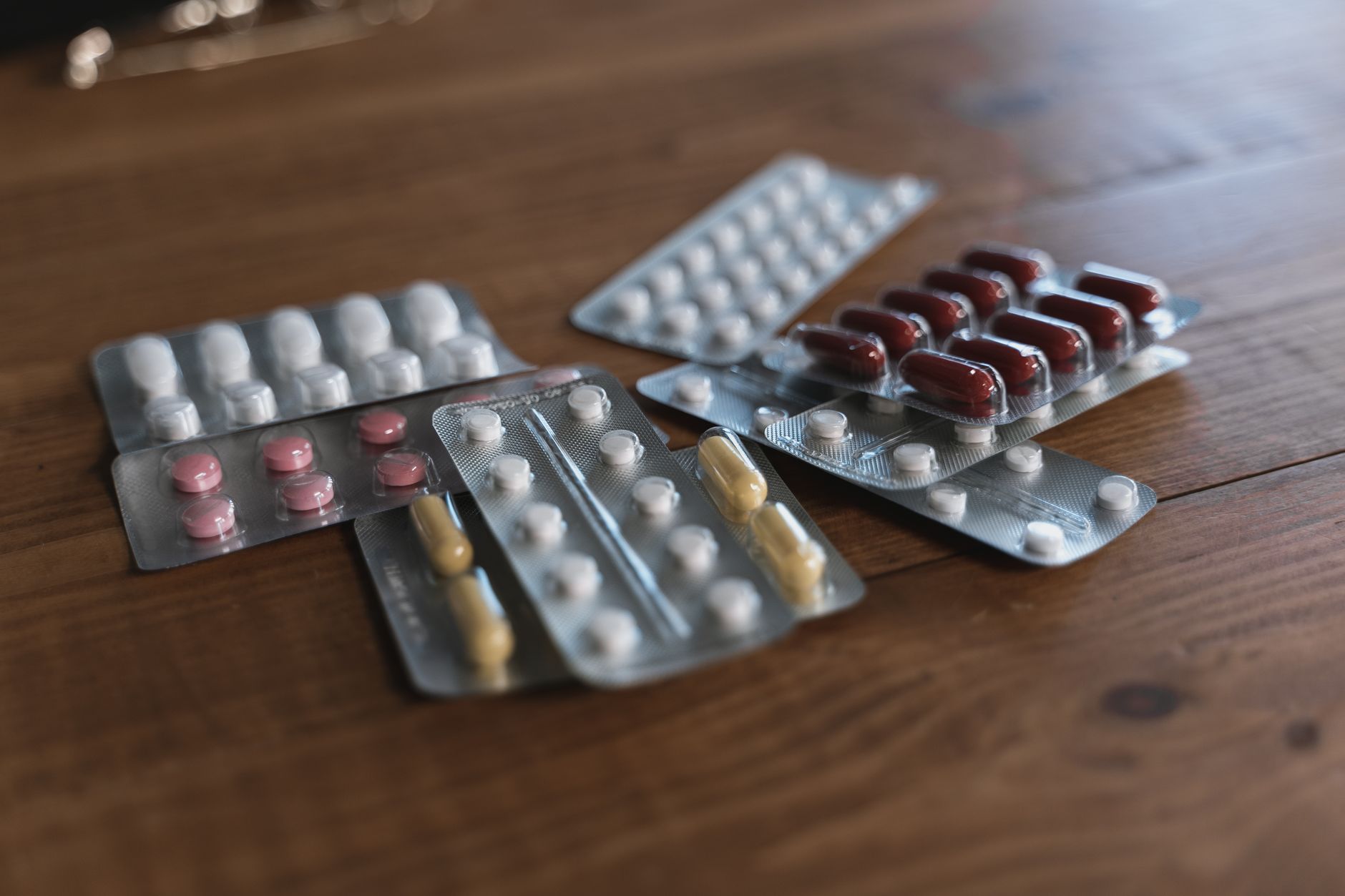
What Does ADHD Medicine Do to a Dog? Unveiling the Risks and Realities
ADHD medicine can be extremely dangerous, even fatal, to dogs. These medications, designed to stimulate the central nervous system in humans, can cause severe and potentially life-threatening side effects in canines.

Understanding the Dangers of ADHD Medication for Dogs
Attention-Deficit/Hyperactivity Disorder (ADHD) medications, such as stimulants like methylphenidate (Ritalin) and amphetamine/dextroamphetamine (Adderall), are commonly prescribed to humans to improve focus and reduce impulsivity. However, a dog’s physiology is drastically different from that of a human, making them highly susceptible to the toxic effects of these drugs. What does ADHD medicine do to a dog? In short, it overstimulates their central nervous system, leading to a cascade of potentially devastating consequences.
How ADHD Medication Affects a Dog’s Body
When a dog ingests ADHD medication, the drug is rapidly absorbed into their bloodstream. Unlike humans, dogs metabolize these medications differently, resulting in much higher concentrations of the drug circulating in their system. This leads to:
- Increased heart rate and blood pressure: The stimulant effect places immense stress on the cardiovascular system, potentially leading to arrhythmias and heart failure.
- Hyperthermia: The medication can cause a dangerous increase in body temperature, leading to organ damage and death.
- Tremors and Seizures: Overstimulation of the nervous system can manifest as muscle tremors, rigidity, and even life-threatening seizures.
- Agitation and Anxiety: Dogs may exhibit extreme restlessness, panting, vocalization, and signs of distress.
- Gastrointestinal Issues: Vomiting and diarrhea are common side effects, contributing to dehydration and electrolyte imbalances.
Why Dogs Are More Vulnerable
Several factors contribute to a dog’s increased vulnerability to ADHD medication:
- Size and Weight: Dogs are generally smaller than humans, meaning a proportionally smaller dose can have a much larger impact.
- Metabolism: As mentioned earlier, dogs metabolize these drugs differently, leading to higher concentrations in their system.
- Physiological Differences: Dogs’ cardiovascular and nervous systems are more sensitive to stimulants than humans.
- Ingestion Habits: Dogs often ingest pills indiscriminately, mistaking them for treats.
Common Mistakes and Accidental Exposure
Accidental ingestion is the most common scenario. This can happen in a number of ways:
- Leaving medication within reach: Failing to store medications in secure, child- and pet-proof containers is a major risk.
- Dropping pills on the floor: Even a single dropped pill can be fatal to a small dog.
- Medication in purses or bags: Dogs often explore purses and bags, leading to accidental ingestion.
- Sharing medication (intentional or unintentional): Never give your dog any medication prescribed for a human, regardless of the symptoms they may be exhibiting.
Symptoms to Watch For
If you suspect your dog has ingested ADHD medication, watch for these symptoms:
- Restlessness and hyperactivity
- Dilated pupils
- Rapid breathing
- Increased heart rate
- Tremors or seizures
- Vomiting
- Diarrhea
- Agitation
- Elevated body temperature
Immediate Action and Veterinary Care
If you suspect your dog has ingested ADHD medication, immediate veterinary attention is crucial. Contact your veterinarian or a pet poison control hotline (such as the ASPCA Animal Poison Control Center) immediately. Do not attempt to induce vomiting unless specifically instructed to do so by a veterinary professional.
Veterinary treatment may include:
- Inducing Vomiting: If ingestion is recent, your veterinarian may induce vomiting to remove the medication from the stomach.
- Activated Charcoal: This substance binds to the medication in the digestive tract, preventing further absorption.
- Intravenous Fluids: To combat dehydration and support organ function.
- Medications to Control Heart Rate and Blood Pressure: To stabilize the cardiovascular system.
- Anticonvulsants: To control seizures.
- Monitoring: Close monitoring of vital signs and blood work is essential.
| Treatment | Purpose |
|---|---|
| Induced Vomiting | Remove medication from stomach |
| Activated Charcoal | Prevent medication absorption |
| IV Fluids | Hydration and organ support |
| Cardiac Medications | Stabilize heart rate and blood pressure |
| Anticonvulsants | Control seizures |
| Monitoring | Assess organ function and treatment effectiveness |
Prevention is Key
The best way to protect your dog from the dangers of ADHD medication is to prevent accidental ingestion.
- Store all medications in a secure, child- and pet-proof container.
- Keep medications out of reach of children and pets.
- Be extra careful when taking medication around your dog.
- Never leave loose pills on counters or tables.
- Educate family members about the dangers of ADHD medication for dogs.
- When refilling pill organizers, ensure no stray pills are dropped.
Long-Term Effects and Prognosis
The long-term effects of ADHD medication ingestion in dogs can vary depending on the amount ingested, the dog’s overall health, and the promptness and effectiveness of veterinary treatment. In severe cases, permanent organ damage (particularly to the heart and kidneys) may occur. Even with successful treatment, some dogs may experience lasting neurological issues. Early intervention significantly improves the prognosis.
Frequently Asked Questions (FAQs)
Is even a small amount of ADHD medication dangerous for a dog?
Yes, even a small amount of ADHD medication can be dangerous for a dog, particularly smaller breeds. The severity of the reaction depends on the dose, the type of medication, and the individual dog’s sensitivity. Any suspected ingestion warrants immediate veterinary attention.
What is the most common type of ADHD medication ingested by dogs?
Methylphenidate (Ritalin) and amphetamine/dextroamphetamine (Adderall) are among the most commonly prescribed ADHD medications and, therefore, are frequently involved in accidental ingestions by dogs.
Can I give my dog a smaller dose of ADHD medication to calm them down?
Absolutely not. Never administer ADHD medication to your dog, even in a small dose. These medications are designed for human use and can have life-threatening consequences for dogs. If you are concerned about your dog’s behavior, consult with your veterinarian to explore safe and effective alternatives.
What should I tell my veterinarian if my dog ingested ADHD medication?
Provide your veterinarian with as much information as possible, including:
- The specific medication ingested, including the dosage.
- The approximate time of ingestion.
- Your dog’s weight and breed.
- Any symptoms your dog is exhibiting.
How quickly will symptoms appear after a dog ingests ADHD medication?
Symptoms can appear within 30 minutes to several hours after ingestion. The onset and severity of symptoms depend on various factors, including the dose and the dog’s individual sensitivity.
Is there an antidote for ADHD medication toxicity in dogs?
There is no specific antidote for ADHD medication toxicity in dogs. Treatment focuses on supportive care, such as inducing vomiting, administering activated charcoal, providing intravenous fluids, and managing symptoms.
Are certain dog breeds more susceptible to the effects of ADHD medication?
Smaller dog breeds are generally more susceptible to the toxic effects of ADHD medication due to their lower body weight. However, all dog breeds are at risk.
Can ADHD medication cause permanent damage to a dog’s organs?
Yes, in severe cases, ADHD medication ingestion can cause permanent damage to a dog’s heart, kidneys, and nervous system. Early and aggressive treatment is crucial to minimize the risk of long-term complications.
What is the cost of treating ADHD medication toxicity in dogs?
The cost of treatment can vary depending on the severity of the toxicity and the duration of hospitalization. Treatment can range from several hundred to several thousand dollars.
What are some alternative treatments for anxiety or hyperactivity in dogs?
Consult with your veterinarian about alternative treatments for anxiety or hyperactivity in dogs, such as:
- Behavior modification training.
- Environmental enrichment.
- Prescription medications specifically designed for dogs.
- Over-the-counter calming supplements.
Where can I find more information about pet poison control?
You can find more information about pet poison control at:
- ASPCA Animal Poison Control Center: (888) 426-4435
- Pet Poison Helpline: (855) 764-7661
What does ADHD medicine do to a dog? Can a veterinarian help?
Absolutely, a veterinarian is your best resource if you suspect your dog ingested ADHD medication. The veterinarian will perform a physical exam and run diagnostic tests to determine the severity of the situation and provide treatment options. The sooner you seek help, the better the chances for your dog’s recovery. Remember, prompt veterinary care is essential and can be lifesaving.