

What Do Most Wild Ducks Eat? A Deep Dive into Duck Diets
Wild ducks have a surprisingly diverse diet, but primarily consume aquatic plants, seeds, insects, and invertebrates depending on their species, habitat, and the season. Understanding what do most wild ducks eat is key to conservation and supporting these fascinating birds.

Introduction: The Omnivorous World of Wild Ducks
Wild ducks, far from being simple “bread-eaters” as commonly perceived, are adaptable omnivores with diets intricately linked to their environment. Their feeding habits play a vital role in maintaining healthy aquatic ecosystems. Different duck species have evolved specialized feeding techniques and preferences, making their dietary needs diverse and complex. Understanding this diversity is crucial for conservation efforts and responsible interactions with these birds. This article will explore what do most wild ducks eat, their feeding strategies, and the environmental factors that influence their dietary choices.

What do California tiger salamanders eat?
What is the most invasive plant in Australia?
What is the GREY African clawed frog?
Is distilled water good for goldfish?
Diving Deeper: The Building Blocks of a Wild Duck’s Diet
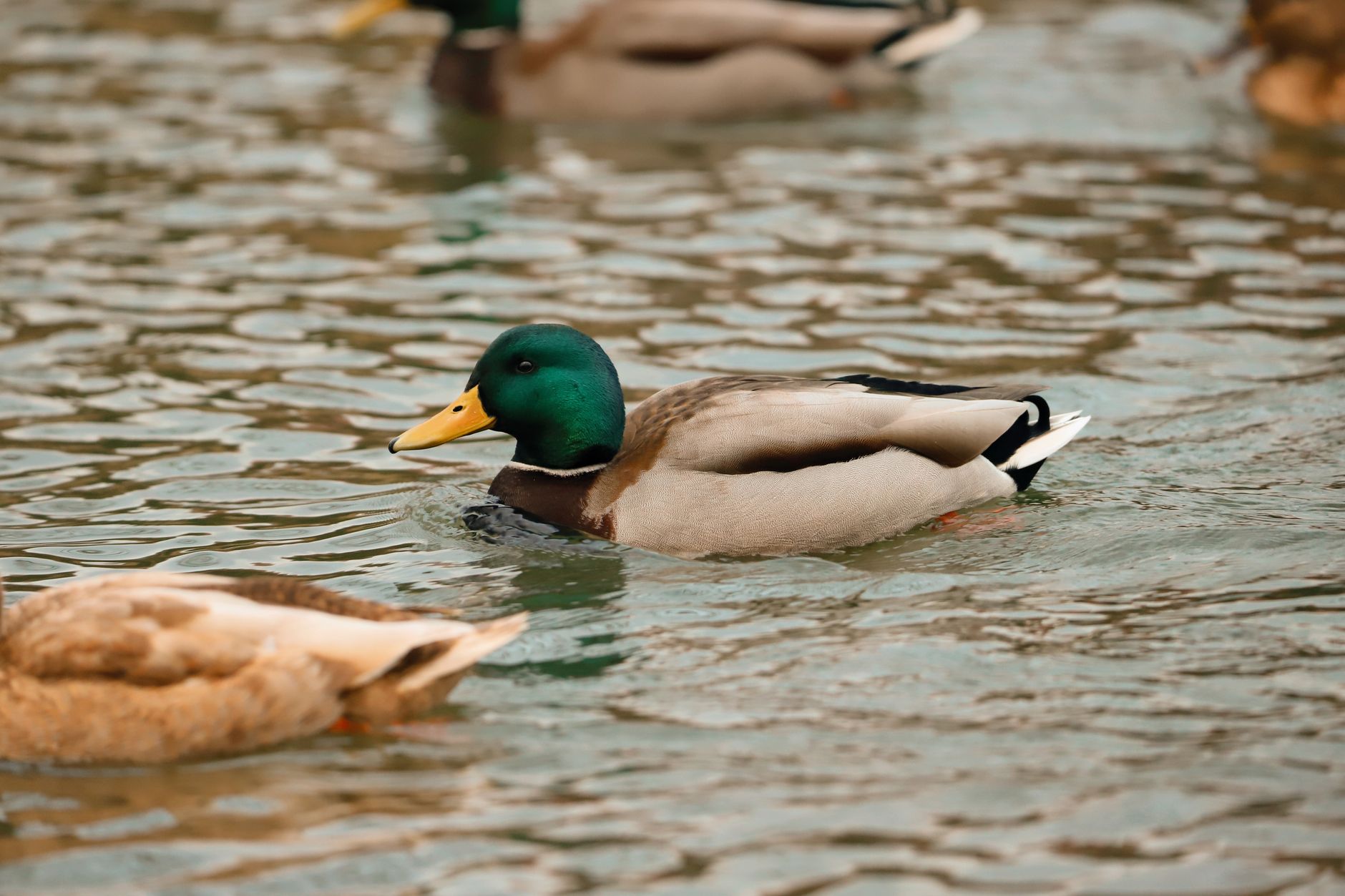
What do most wild ducks eat? The answer isn’t as simple as “duck food.” Their diet is a complex mix of plant and animal matter, influenced by availability and individual species.
- Aquatic Plants: These are a staple for many duck species. Ducks consume various parts of aquatic plants, including leaves, stems, roots, and seeds.
- Seeds: Seeds from aquatic and terrestrial plants are a rich source of energy, especially during migration and breeding season.
- Insects: Aquatic insects like dragonfly larvae, mayfly nymphs, and beetles are crucial for protein intake, particularly for ducklings and breeding females.
- Invertebrates: Snails, crustaceans (like small shrimp and amphipods), and worms provide essential nutrients and minerals.
- Grains and Agricultural Crops: In some areas, ducks will readily feed on spilled grains in agricultural fields, especially after harvest. This can be a significant food source, but also a source of conflict with farmers.
- Small Fish and Amphibians: While less common, some duck species, particularly diving ducks, will occasionally consume small fish and amphibians.
Feeding Strategies: From Dabbling to Diving
The method a duck uses to obtain food significantly impacts its diet. Ducks have developed various feeding strategies adapted to different habitats and food sources.
- Dabbling: Dabbling ducks, like Mallards and Northern Pintails, primarily feed at the surface or by tipping forward in shallow water to reach submerged vegetation.
- Diving: Diving ducks, like Canvasbacks and Ring-necked Ducks, dive underwater to forage for plants, invertebrates, and small fish. They often have specialized feet and body shapes for efficient underwater propulsion.
- Grazing: Some ducks, like American Wigeons and Canada Geese (which are related to ducks), graze on grasses and other vegetation on land.
- Filtering: Certain ducks, like Northern Shovelers, have specialized bills for filtering small organisms from the water.
Seasonal Variations: A Dynamic Diet
A duck’s diet isn’t static; it changes with the seasons.
- Spring: Protein-rich insects and invertebrates are crucial for breeding females and growing ducklings.
- Summer: Abundant aquatic vegetation and insects provide ample food.
- Autumn: Seeds and waste grains become important as ducks prepare for migration.
- Winter: Ducks rely on stored fat reserves and find available food sources, which may include submerged vegetation or agricultural fields.
Environmental Impacts: Threats to Duck Diets
Various environmental factors can negatively impact duck diets.
- Habitat Loss: Destruction of wetlands and other crucial habitats reduces food availability.
- Pollution: Pollution can contaminate food sources and harm the health of ducks.
- Climate Change: Changes in water levels, temperature, and plant growth can alter food availability.
- Invasive Species: Invasive plants and animals can outcompete native species, disrupting food webs.
Here’s a table summarizing the key food sources and feeding strategies of various duck types:
| Duck Type | Primary Food Sources | Feeding Strategy |
|---|---|---|
| Mallard | Aquatic plants, seeds, insects, grains | Dabbling |
| Northern Pintail | Seeds, aquatic plants, invertebrates | Dabbling |
| Canvasback | Aquatic plants (tubers, roots), invertebrates | Diving |
| Ring-necked Duck | Aquatic plants, insects, snails | Diving |
| American Wigeon | Grasses, aquatic plants | Grazing |
| Northern Shoveler | Small invertebrates filtered from the water | Filtering |
Conservation Efforts: Protecting Duck Diets
Protecting and restoring duck habitats are essential for ensuring these birds have access to a diverse and healthy diet. Conservation efforts include:
- Wetland Restoration: Restoring and protecting wetlands provides crucial habitat for ducks and their food sources.
- Water Quality Management: Reducing pollution helps maintain healthy aquatic ecosystems and ensures food sources are safe.
- Invasive Species Control: Controlling invasive species helps protect native plants and animals.
- Sustainable Agriculture Practices: Promoting sustainable agriculture practices can minimize the impact of farming on duck habitats and food sources.
Responsible Interactions: Avoiding Harmful Feeding Practices
While it’s tempting to feed wild ducks, doing so can be harmful. Bread and other processed foods lack the nutrients ducks need and can lead to health problems. It can also make them dependent on humans and disrupt their natural foraging behaviors. Observing ducks in their natural habitat and supporting conservation efforts is the best way to help them thrive.
Frequently Asked Questions (FAQs)
What is the main food source for ducklings?
Ducklings require a high-protein diet for rapid growth. Their primary food source is insects and other invertebrates found in aquatic environments. These provide the essential amino acids and nutrients needed for proper development.
Do all ducks eat the same thing?
No, different duck species have different dietary preferences based on their anatomy, feeding strategies, and habitat. For instance, diving ducks often consume more aquatic plants and invertebrates from the bottom of water bodies compared to dabbling ducks that prefer surface vegetation and insects.
Are ducks herbivores, carnivores, or omnivores?
Most ducks are considered omnivores. They consume both plant and animal matter, with the proportion of each varying depending on the species, season, and food availability.
Can I feed bread to wild ducks?
It’s generally not recommended to feed bread to wild ducks. Bread provides little nutritional value and can lead to health problems such as malnutrition, obesity, and angel wing.
What are the best alternatives to bread for feeding ducks?
If you feel compelled to feed ducks, healthier alternatives include birdseed, chopped grapes, peas, corn, or oats. However, it’s best to avoid feeding them altogether to encourage natural foraging.
How does water quality affect a duck’s diet?
Poor water quality can significantly impact a duck’s diet by reducing the availability and quality of food sources. Pollutants can kill aquatic plants and invertebrates, contaminating the food chain and affecting duck health.
What role do aquatic plants play in a wild duck’s diet?
Aquatic plants are a major component of the diet for many wild ducks. They provide essential nutrients, fiber, and energy, especially during migration and breeding season. They also support invertebrate populations, which are another important food source.
How do ducks find food in the winter?
In winter, when food is scarce, ducks rely on stored fat reserves and search for available food sources such as submerged vegetation, seeds, and waste grains in agricultural fields. Some species may also migrate to warmer regions with more abundant food.
What is the impact of agricultural practices on wild duck diets?
Agricultural practices can have both positive and negative impacts on wild duck diets. While waste grains can provide a food source, pesticide use and habitat destruction can reduce food availability and harm duck health.
How do invasive species affect the diets of wild ducks?
Invasive species can outcompete native plants and animals, disrupting food webs and reducing the availability of preferred food sources for wild ducks. This can lead to malnutrition and population declines.
What are the biggest threats to the food supply of wild ducks?
The biggest threats include habitat loss, pollution, climate change, and invasive species. These factors can reduce food availability, contaminate food sources, and disrupt the ecosystems that support duck populations.
Why is it important to understand what wild ducks eat?
Understanding what do most wild ducks eat is crucial for conservation efforts. By knowing their dietary needs, we can better protect their habitats, manage water quality, and promote sustainable agricultural practices that support healthy duck populations. This understanding is essential for ensuring these birds continue to thrive.