
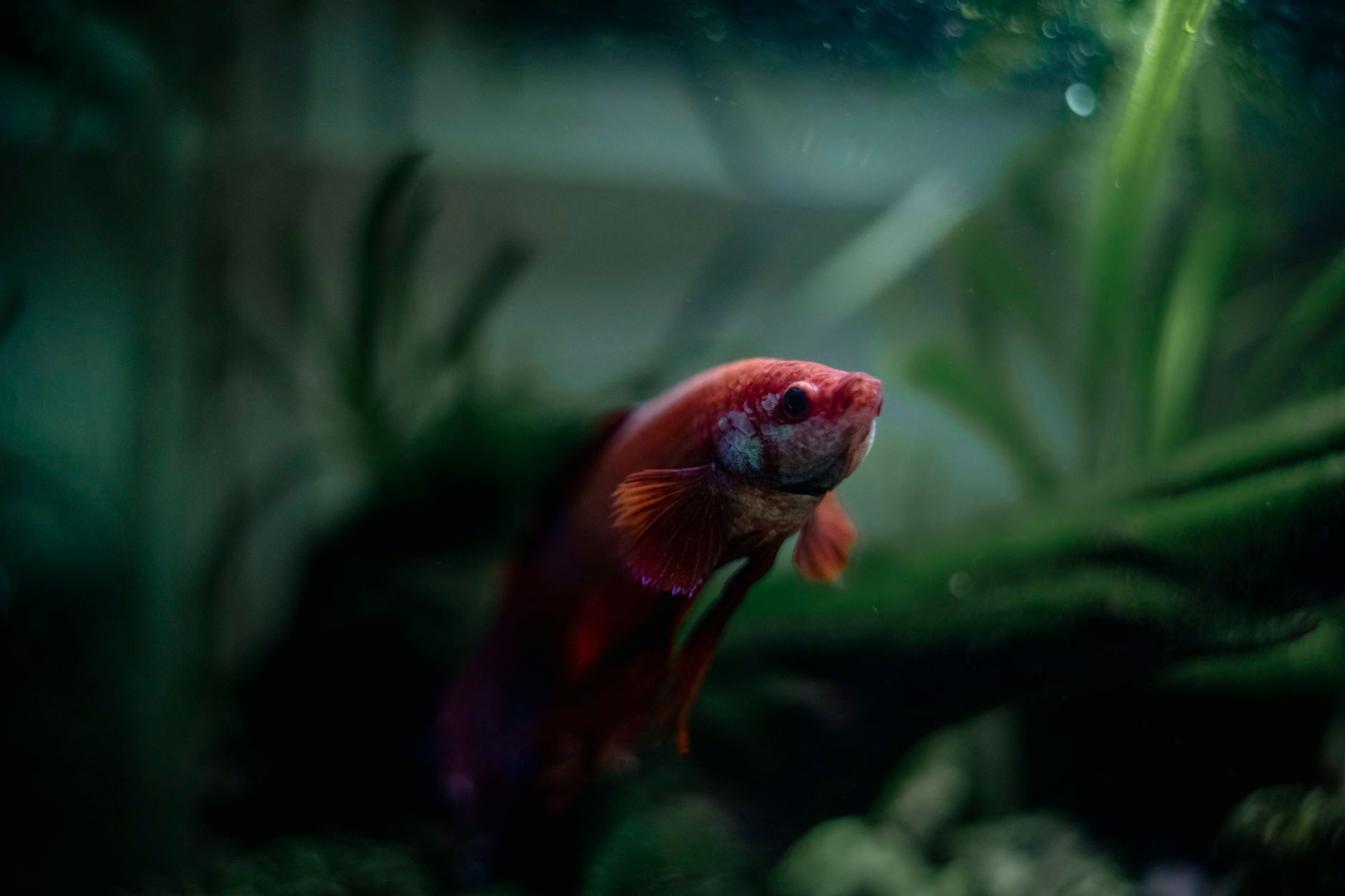
What Bugs Can Betta Eat? A Comprehensive Guide for Optimal Health
Betta fish, also known as Siamese fighting fish, are carnivorous and thrive on a diet rich in protein. What bugs can betta eat? Plenty! This guide will detail which insects are safe and beneficial for your betta, ensuring a healthy and vibrant life for your aquatic companion.

Introduction to Betta Diet
Betta fish have a reputation for being picky eaters, but in reality, they are primarily insectivores in the wild. Their natural diet consists of small insects, larvae, and crustaceans. Replicating this diet in captivity is crucial for their health and well-being. Offering a varied diet, including appropriate bugs, can prevent deficiencies and enhance their vibrant colors.
What do California tiger salamanders eat?
What is the GREY African clawed frog?
Is distilled water good for goldfish?
What colours are fish most attracted to?
The Benefits of Feeding Bugs to Bettas

Including bugs in your betta’s diet offers several advantages:
- High Protein Content: Bugs are a natural source of protein, essential for muscle development, tissue repair, and overall health.
- Essential Nutrients: Many insects contain vital vitamins and minerals that commercial fish food may lack.
- Improved Digestion: Natural foods are often easier for bettas to digest than processed flakes.
- Stimulation and Enrichment: Hunting live or frozen bugs provides mental stimulation and mimics their natural feeding behavior.
- Enhanced Coloration: Certain insects can enhance the vibrant colors of your betta.
Safe Bugs for Bettas: A Detailed List
Not all insects are safe for betta fish. Here’s a list of recommended bugs:
- Bloodworms: These are a staple food for bettas, available live, frozen, or freeze-dried. They are rich in iron and protein.
- Brine Shrimp: Both live and frozen brine shrimp are excellent sources of protein and carotenoids, which enhance color.
- Daphnia: These tiny crustaceans are a good source of fiber and help with digestion.
- Fruit Flies: Flightless fruit flies are a readily available and nutritious snack.
- Mosquito Larvae: A natural and readily available food source, especially if you breed them yourself. Ensure the source is clean.
- Wingless Fruit Flies: Easy to culture, these provide a fun and engaging feeding experience for your betta.
Bugs to Avoid
Certain insects are harmful to bettas and should be avoided:
- Wild-caught insects: These may carry parasites or pesticides.
- Large insects: These can be difficult for bettas to eat and may cause choking.
- Insects from treated areas: Avoid insects from gardens or areas where pesticides have been used.
- Mealworms: While not toxic, mealworms are high in fat and should only be given as an occasional treat.
Preparing Bugs for Your Betta
Proper preparation is crucial for ensuring the safety and nutritional value of the bugs you feed your betta.
- Live Bugs: Rinse live bugs before feeding to remove any debris or contaminants.
- Frozen Bugs: Thaw frozen bugs completely before feeding. Never refreeze thawed bugs.
- Freeze-dried Bugs: Soak freeze-dried bugs in water for a few minutes to rehydrate them before feeding. This helps prevent bloating in your betta.
Feeding Schedule and Portion Control
Bettas have small stomachs, so overfeeding is a common mistake. Feed your betta small portions once or twice a day.
- Portion Size: Feed only as much as your betta can eat in 2-3 minutes.
- Feeding Frequency: Once or twice a day is sufficient.
- Variety is Key: Offer a varied diet, including a mix of bugs and commercial betta food.
- Observe Your Betta: Adjust the amount and frequency of feeding based on your betta’s body condition. A slightly rounded belly is ideal.
Culturing Your Own Bugs
Culturing your own bugs can provide a readily available and cost-effective source of nutritious food for your betta. Common bugs to culture include:
- Daphnia: Easy to culture in a container with dechlorinated water and a food source like green water or yeast.
- Brine Shrimp: Hatch brine shrimp eggs in saltwater.
- Fruit Flies: Culture flightless fruit flies in a container with a suitable medium like mashed potatoes and yeast.
- Mosquito Larvae: Breed mosquitoes in a container with stagnant water. Ensure proper containment to prevent mosquito bites.
Common Mistakes When Feeding Bugs
Avoiding these common mistakes will ensure your betta’s health:
- Overfeeding: Leads to obesity, digestive problems, and water quality issues.
- Feeding only one type of bug: Can lead to nutritional deficiencies.
- Feeding contaminated bugs: Can introduce parasites or toxins into your tank.
- Ignoring expiration dates: Frozen and freeze-dried bugs can expire and lose their nutritional value.
- Feeding too much at once: Bettas are small and only need small, frequent meals.
| Mistake | Consequence | Prevention |
|---|---|---|
| Overfeeding | Obesity, digestive problems, water quality issues | Feed small portions, observe your betta’s body condition |
| Monodiet | Nutritional deficiencies | Offer a varied diet |
| Contaminated Bugs | Parasites, toxins | Source bugs from reputable sources, rinse live bugs |
| Expired Food | Reduced nutritional value | Check expiration dates regularly |
| Large Portions | Indigestion, bloating | Feed small, frequent meals |
Frequently Asked Questions (FAQs)
Can I feed my betta only bugs?
While bugs can make up a significant portion of your betta’s diet, it’s best to supplement with high-quality betta pellets to ensure a balanced nutritional intake. A varied diet is always preferable for optimal health.
How do I know if I’m feeding my betta too much?
If your betta has a visibly bloated belly or shows signs of lethargy, you are likely overfeeding. Reduce the amount of food you offer and monitor your betta’s condition.
Are freeze-dried bugs as nutritious as live bugs?
Freeze-dried bugs retain much of their nutritional value, but some vitamins and minerals may be lost during the drying process. Soaking them in water before feeding can help rehydrate them and improve digestion.
Where can I buy safe bugs for my betta?
Purchase bugs from reputable pet stores or online retailers specializing in aquarium supplies. Avoid wild-caught insects, as they may carry parasites or pesticides.
How often should I feed my betta live bugs?
Live bugs can be offered several times a week as part of a varied diet. Monitor your betta’s condition and adjust the frequency based on their needs.
Is it safe to feed my betta mosquito larvae?
Yes, mosquito larvae are a natural and nutritious food source for bettas. However, ensure the source is clean and free from pesticides or contaminants. Always prevent mosquitoes from escaping.
Can baby bettas eat the same bugs as adult bettas?
Baby bettas require smaller bugs, such as microworms or newly hatched brine shrimp. As they grow, you can gradually introduce larger bugs.
Do bugs cause my betta’s tank to become dirty faster?
Uneaten bugs can contribute to water pollution, so it’s essential to remove any uneaten food promptly. Regular water changes are crucial for maintaining a healthy environment.
How do I store bugs for my betta?
Live bugs should be stored according to their specific requirements. Frozen bugs should be stored in the freezer, and freeze-dried bugs should be stored in a cool, dry place.
Can I feed my betta bugs that I find in my house?
It is generally not recommended to feed your betta bugs found in your house, as they may have been exposed to pesticides or other harmful substances. Stick to commercially available or cultured bugs.
What are the best bugs to feed my betta to enhance its colors?
Bugs rich in carotenoids, such as brine shrimp and daphnia, can help enhance the vibrant colors of your betta.
My Betta won’t eat the bugs I offer. What should I do?
Try offering a variety of bugs to see which ones your betta prefers. You can also try enticing your betta by wiggling the bugs in front of them. If your betta consistently refuses to eat, consult with a veterinarian or experienced fish keeper.