

What Bird Has an Orange Breast and Black Head? A Definitive Guide
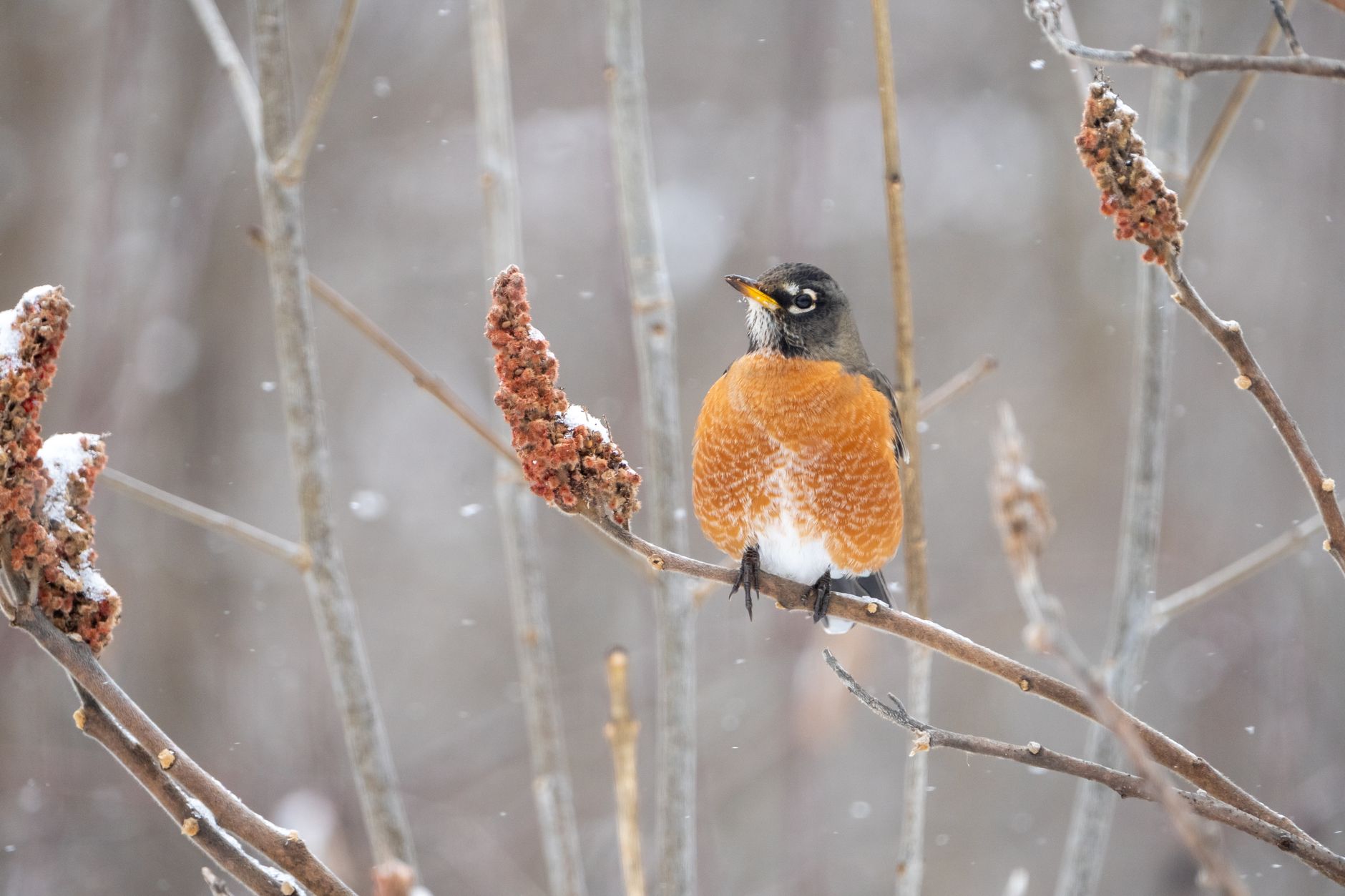
The most common bird fitting the description of an orange breast and black head is the American Robin; however, several other species could also match, depending on the specific shade of orange and the bird’s range. This guide will help you identify these fascinating birds and explore their unique characteristics.

Introduction: The Intrigue of Avian Identification
Identifying birds can be a delightful challenge, especially when relying on simple descriptors like color patterns. What bird has an orange breast and black head? While the American Robin springs to mind for many, nature is far more diverse. This article dives into the common and less common avian candidates, providing key identifying features beyond just coloration to enhance your birdwatching skills. We’ll explore their habitats, behaviors, and other clues to help you pinpoint precisely which orange-breasted, black-headed bird you’ve encountered.
The Prime Suspect: American Robin (Turdus migratorius)

The American Robin is often the first bird people think of when asked, “What bird has an orange breast and black head?” It’s a widespread and familiar species across North America, making it the most probable answer in many cases.
- Coloration: The robin boasts a rich, rusty-orange breast that extends from its chin to its abdomen. Its head is a distinctive glossy black (in males, especially during breeding season), contrasting sharply with its white eye-ring. Females tend to have a duller, more grayish head.
- Size and Shape: Robins are medium-sized birds, larger than sparrows but smaller than crows. They have a plump body shape and a relatively long tail.
- Habitat: These birds are highly adaptable and thrive in various habitats, including suburban lawns, parks, woodlands, and open fields.
- Behavior: Robins are ground feeders, often seen hopping across lawns in search of earthworms and insects. They have a characteristic upright posture.
Other Potential Candidates: Expanding the Search
While the American Robin is a strong contender, several other birds could potentially fit the “orange breast and black head” description, depending on the observer’s interpretation of color and location.
-
Baltimore Oriole (Icterus galbula): Male Baltimore Orioles have a vibrant orange or reddish-orange breast, a black head, and black wings with white wing bars. The specific shade of orange can vary, and in some light, it might appear more yellow or reddish. However, the distinctive black head makes it a candidate.
-
Varied Thrush (Ixoreus naevius): This striking thrush, found primarily in western North America, exhibits a dark black bib and head contrasted by a vibrant orange eyebrow, breast, and flanks.
Key Identification Tips Beyond Color
Relying solely on color can be misleading. Here are other crucial aspects to consider for accurate bird identification:
- Size and Shape: Note the bird’s overall size and body shape. Is it slender or stout? Does it have a long tail or a short one?
- Habitat: Where did you see the bird? Different species prefer different habitats.
- Behavior: How was the bird behaving? Was it hopping on the ground, perched in a tree, or flying overhead?
- Song and Calls: Bird songs and calls are often species-specific and can be invaluable for identification. Learn common bird songs in your area.
- Range: Consider the geographic location. Some species are only found in specific regions.
Distinguishing Similar Species
Here’s a table summarizing key differences between the American Robin, Baltimore Oriole, and Varied Thrush:
| Feature | American Robin | Baltimore Oriole | Varied Thrush |
|---|---|---|---|
| Breast Color | Rusty-Orange | Vibrant Orange/Reddish-Orange | Orange/Rusty |
| Head Color | Black (in males) | Black | Black bib and head |
| Size | Medium | Medium | Medium |
| Habitat | Varied, including lawns | Woodlands, Orchards | Forests, Coniferous woods |
| Geographic Range | North America | Eastern North America | Western North America |
Frequently Asked Questions (FAQs)
What is the best way to attract American Robins to my yard?
American Robins are attracted to yards with plenty of open lawn space for foraging for earthworms. Providing a birdbath for drinking and bathing is also helpful. They enjoy fruits like berries, so planting berry-producing shrubs can be beneficial. Avoid using pesticides, as they can harm robins and other birds.
What do American Robins eat besides earthworms?
While earthworms are a staple in their diet, American Robins also consume a variety of insects, fruits, and berries. In the fall and winter, they rely more heavily on fruits, like crabapples, berries and cherries. This dietary flexibility allows them to thrive in diverse environments.
How can I tell the difference between a male and female American Robin?
Male American Robins typically have a more vivid orange breast and a darker black head, especially during the breeding season. Female robins are generally duller in color, with a more grayish head and a less intense orange breast. However, the difference can be subtle, particularly outside the breeding season.
Are American Robins migratory?
Yes, American Robins are migratory, though the extent of their migration varies depending on the region. Birds in northern areas migrate south for the winter, while those in milder climates may remain year-round. Their migratory patterns are influenced by food availability and weather conditions.
What is the typical lifespan of an American Robin?
The average lifespan of an American Robin in the wild is about two years. However, some individuals can live much longer, with the oldest recorded robin living to be over 14 years old. Predation, disease, and habitat loss are major factors limiting their lifespan.
What should I do if I find a baby robin that has fallen from its nest?
If the baby robin is mostly feathered and appears healthy, the best course of action is to try to return it to its nest. If you can’t find the nest or the baby is injured, contact a local wildlife rehabilitation center for assistance. Avoid handling the bird unnecessarily.
Do Baltimore Orioles always have an entirely black head?
Yes, male Baltimore Orioles in breeding plumage typically have a completely black head. Immature males or females may have a less intense black coloration, sometimes with orange or yellow tinges.
What is the best way to attract Baltimore Orioles to my yard?
Baltimore Orioles are attracted to yards with fruit trees, such as crabapples, cherries, and mulberries. They also enjoy nectar and can be attracted to oriole feeders filled with grape jelly or sugar water. Planting nectar-rich flowers can also attract them.
Where do Varied Thrushes typically live?
Varied Thrushes primarily inhabit the dense, moist coniferous forests of western North America. They are often found in areas with dense undergrowth and plenty of decaying logs, where they forage for insects.
What does a Varied Thrush song sound like?
The Varied Thrush has a distinctive, ethereal song that is often described as a haunting whistle or flute-like tone. It’s a single, sustained note that can carry a considerable distance through the forest.
Are there any other birds with orange breasts and black heads?
While the American Robin, Baltimore Oriole, and Varied Thrush are the most likely candidates, other, less common species or variations might exhibit similar coloration. Juvenile birds or those in unusual plumages can also be confusing.
How can I become better at bird identification?
Practice is key! Start by learning the common birds in your area. Use field guides, birding apps, and online resources to help you identify birds by sight and sound. Join a local birding club or take a birdwatching class to learn from experienced birders. The more you observe, the better you’ll become.