

How to Deal With a Cottonmouth Snake: A Comprehensive Guide
Knowing how to deal with a cottonmouth snake is crucial for anyone living in or visiting areas where these venomous reptiles reside; avoidance is key, but understanding proper response protocols can save lives.
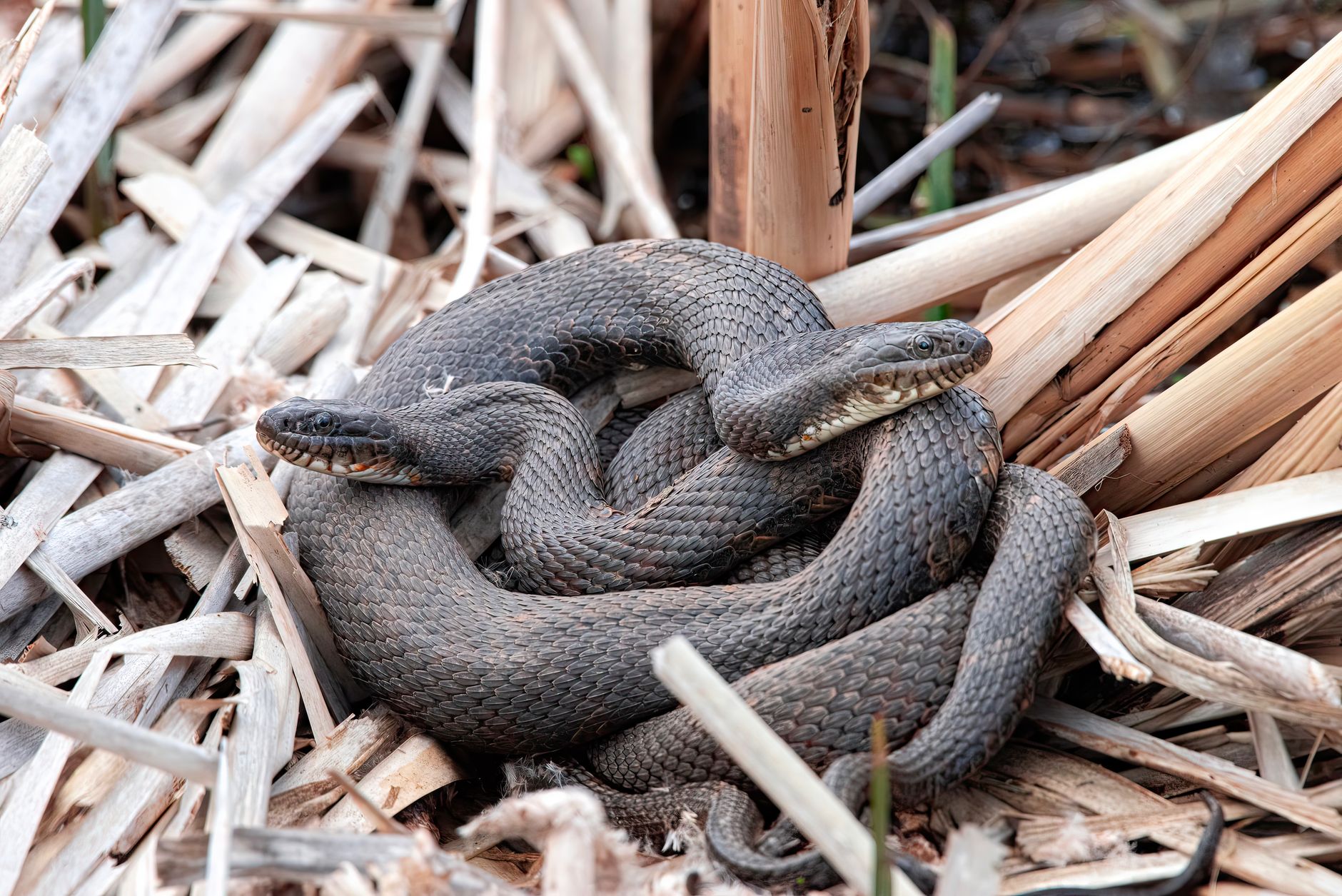
This comprehensive guide, drawing upon expert knowledge and practical advice, aims to equip you with the information necessary to minimize your risk of encountering these snakes and, if an encounter occurs, how to react safely and effectively. Understanding their behavior, habitat, and potential dangers is essential for coexisting with these fascinating creatures.
Understanding Cottonmouth Snakes
The cottonmouth, also known as the water moccasin ( Agkistrodon piscivorus), is a venomous snake found primarily in the southeastern United States. They are known for their aggressive defense when threatened, though they typically prefer to avoid confrontation. Recognizing them and their habitat is paramount for safety.
- Identification: Cottonmouths have thick bodies, keeled scales, and a triangular head. Adults typically range from 2 to 4 feet in length. They can vary in color from dark brown or black to olive green or yellowish-brown, often with darker crossbands. The inside of their mouth is white, hence the name “cottonmouth,” which they display as a warning.
- Habitat: These snakes are commonly found near bodies of water such as swamps, rivers, lakes, and marshes. They are adept swimmers and can often be seen basking on logs or rocks near the water’s edge.
- Behavior: Cottonmouths are primarily nocturnal, but they can be active during the day, especially when basking to regulate their body temperature. While they have a reputation for aggression, they often try to escape before resorting to biting. They will typically display their characteristic open-mouthed threat display before striking.
Preventing Encounters with Cottonmouths

Prevention is the best defense. Taking proactive steps to avoid encounters is crucial.
- Be Aware of Your Surroundings: When hiking or spending time near water in cottonmouth territory, be extra vigilant. Watch where you step and avoid dense vegetation.
- Wear Appropriate Clothing: Wear sturdy boots and long pants to provide some protection against bites.
- Use a Walking Stick: When hiking in areas with dense undergrowth, use a walking stick to probe the ground ahead of you.
- Avoid Attracting Snakes: Keep your yard free of debris and overgrown vegetation, which can provide shelter for snakes. Store firewood away from your house.
- Teach Children about Snake Safety: Educate children about the dangers of snakes and what to do if they encounter one.
What to Do If You Encounter a Cottonmouth
Despite your best efforts, you might encounter a cottonmouth. Here’s how do you deal with a cottonmouth snake when that happens:
- Stay Calm: Panicking will only make the situation worse.
- Give the Snake Space: Back away slowly and give the snake plenty of room to escape. The further the distance between you and the snake, the better.
- Do Not Attempt to Capture or Kill the Snake: This is the most common way people get bitten. Leave the snake alone.
- Warn Others: If you are with a group, alert everyone to the snake’s presence.
- Report the Sighting: If the snake is in a public area, report it to the local authorities or animal control.
First Aid for a Cottonmouth Bite
If you are bitten by a cottonmouth, prompt and appropriate medical attention is critical.
- Stay Calm: Panic can increase your heart rate and spread the venom faster.
- Call Emergency Services Immediately: Dial 911 (or your local emergency number) and explain that you have been bitten by a venomous snake.
- Keep the Bite Area Still: Immobilize the affected limb and keep it below the level of your heart. This helps to slow the spread of the venom.
- Remove Restrictive Clothing and Jewelry: Remove any rings, bracelets, or tight clothing from the affected limb, as swelling is likely to occur.
- Clean the Wound: Gently wash the bite area with soap and water.
- Do Not Apply a Tourniquet: Tourniquets can cause more harm than good and are not recommended for snakebites.
- Do Not Try to Suck Out the Venom: This method is ineffective and can introduce bacteria into the wound.
- Get to a Hospital as Quickly as Possible: Antivenom is the most effective treatment for a cottonmouth bite, and it needs to be administered by medical professionals.
Debunking Myths About Cottonmouths
Many misconceptions surround cottonmouths. It’s important to separate fact from fiction.

- Myth: Cottonmouths are always aggressive.
- Fact: Cottonmouths are typically defensive and will try to escape before biting.
- Myth: You can identify a cottonmouth by its cotton-white mouth.
- Fact: While they do display the white lining of their mouth as a defense mechanism, you shouldn’t get close enough to verify this!
- Myth: Cottonmouths always drop from trees.
- Fact: While they can climb, it’s uncommon for them to drop from trees.
Frequently Asked Questions
How dangerous is a cottonmouth bite?
A cottonmouth bite is dangerous and requires immediate medical attention. The venom is hemotoxic, meaning it affects blood cells and tissues, causing pain, swelling, and potential tissue damage. While fatalities are rare with prompt treatment, bites can lead to significant complications.
What is the best way to identify a cottonmouth?
Look for a thick body, triangular head, and dark coloring, ranging from brown to black with possible crossbands. The distinctive white lining of the mouth, displayed when threatened, is another key characteristic, but avoid getting close enough to verify!
Are cottonmouths more aggressive than other snakes?
Cottonmouths have a reputation for aggression, but they are primarily defensive. They typically prefer to escape if given the opportunity and will only bite if they feel threatened or cornered.
What kind of habitat do cottonmouths prefer?
Cottonmouths are semi-aquatic and prefer habitats near water, such as swamps, rivers, lakes, marshes, and ditches. They are often found basking on logs or rocks near the water’s edge.
What should I do if I see a cottonmouth in my yard?
Stay calm and do not approach the snake. Keep children and pets away from the area. Contact your local animal control or a professional wildlife removal service to safely relocate the snake.
Is there antivenom available for cottonmouth bites?
Yes, antivenom is available for cottonmouth bites. It is most effective when administered promptly after the bite. This is why it is essential to seek immediate medical attention.
Can cottonmouths bite underwater?
Yes, cottonmouths can bite underwater, although it is less common. They are capable of hunting and defending themselves in aquatic environments.
What is the difference between a cottonmouth and a water snake?
Water snakes are non-venomous snakes often mistaken for cottonmouths. Key differences include the shape of the head (triangular in cottonmouths vs. more slender in water snakes), the presence of a heat-sensing pit between the eye and nostril in cottonmouths, and the overall body shape (cottonmouths are thicker).
How long can a cottonmouth survive without water?
Cottonmouths are dependent on water and cannot survive for extended periods without it. They typically stay close to water sources to maintain hydration and regulate their body temperature.
Are cottonmouths protected by law?
In some areas, cottonmouths may be protected by local or state laws. Before taking any action against a snake, it is important to check with your local wildlife authorities to understand the regulations in your area.
What are the long-term effects of a cottonmouth bite?
The long-term effects of a cottonmouth bite can vary depending on the severity of the bite and the promptness of treatment. Some individuals may experience scarring, nerve damage, or chronic pain.
How can I make my property less attractive to cottonmouths?
- Remove potential food sources: Control rodents, which are a primary food source for cottonmouths.
- Trim vegetation: Keep grass and shrubs trimmed to eliminate hiding places.
- Remove standing water: Eliminate sources of standing water, such as bird baths and leaky hoses.
- Seal cracks and crevices: Seal any cracks or crevices in your foundation and around pipes to prevent snakes from entering your home.
Knowing how do you deal with a cottonmouth snake? through these measures is essential for ensuring your safety and promoting coexistence with these important creatures.