
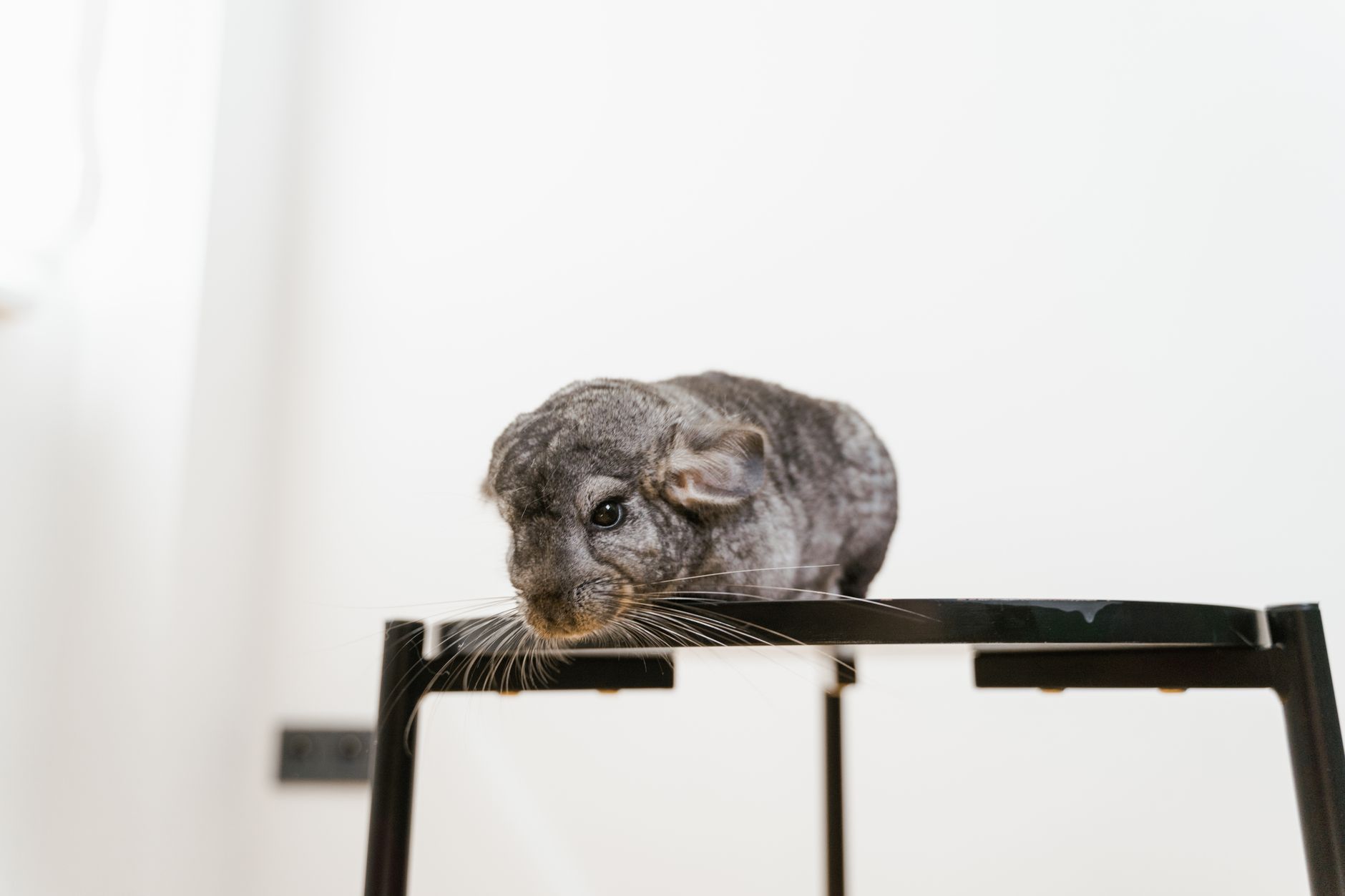
What are the Symptoms of Old Age in Chinchillas?
As chinchillas age, they exhibit a range of physical and behavioral changes. Identifying these symptoms is crucial for providing appropriate care and ensuring a comfortable quality of life for your old chinchilla.
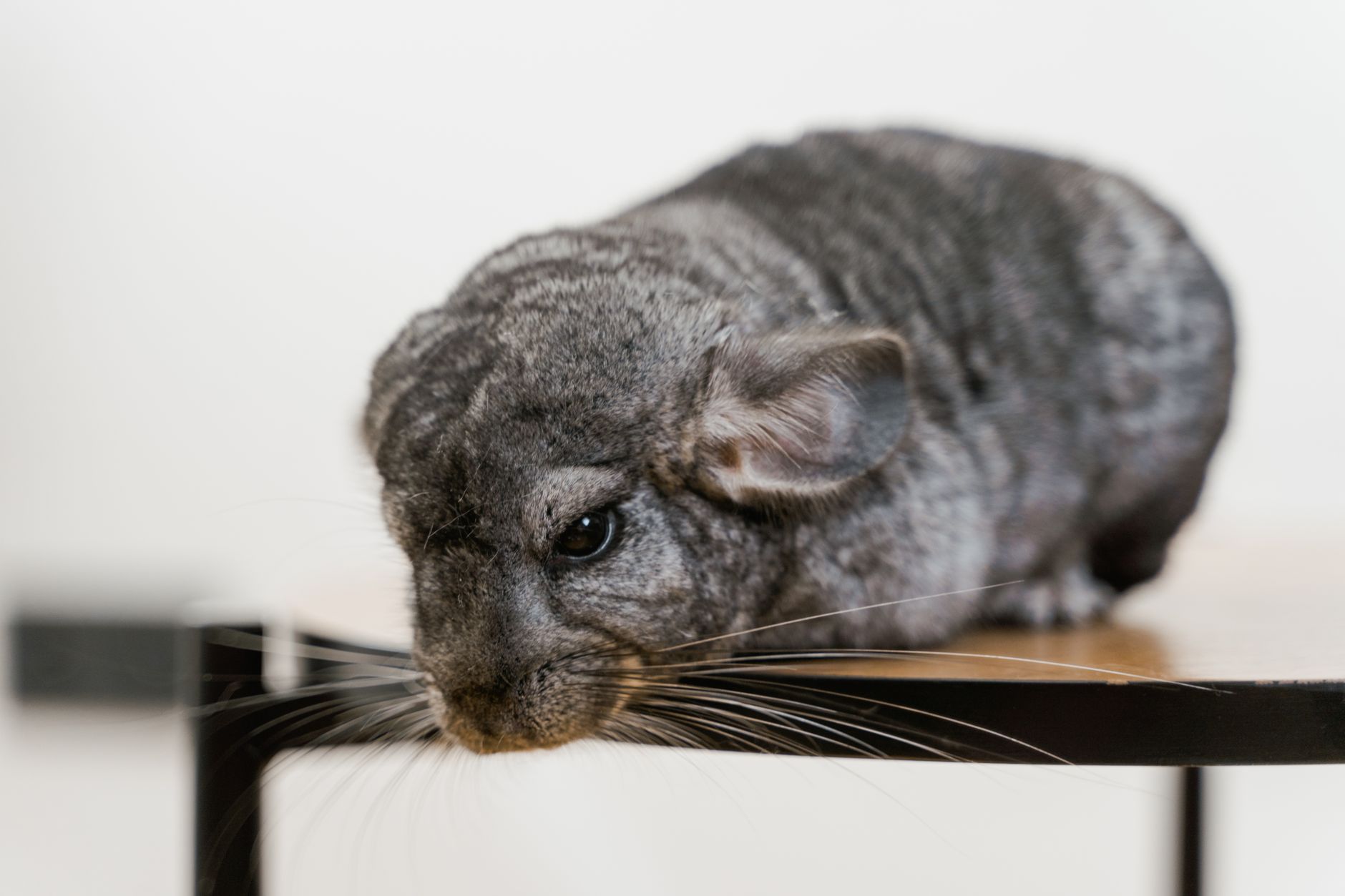
Introduction to Aging in Chinchillas
Chinchillas, with their soft fur and playful personalities, can live surprisingly long lives, often reaching 15-20 years or even longer with proper care. As these endearing rodents age, their needs change, and recognizing the symptoms of old age is paramount to providing them with the best possible care. Unlike dogs or cats, the signs of aging in chinchillas can be subtle and easily overlooked. This article will serve as a comprehensive guide, exploring the typical symptoms of old age in chinchillas and offering insights into managing their senior years.
Understanding the Chinchilla Lifespan

While the average lifespan of a chinchilla is 15-20 years, some individuals may live even longer. Factors such as genetics, diet, environment, and healthcare all play a significant role in determining their longevity. A healthy, well-cared-for chinchilla is more likely to reach its full lifespan. Just as humans experience age-related changes, so do chinchillas. It’s important to understand that aging is a natural process and that some changes are to be expected.
Physical Symptoms of Aging
As chinchillas age, several physical changes become apparent. These changes can affect their mobility, sensory perception, and overall comfort.
- Weight Loss: Older chinchillas may experience weight loss due to decreased appetite, dental issues, or reduced ability to absorb nutrients.
- Dental Problems: Malocclusion (misalignment of teeth) is common in older chinchillas, leading to difficulty eating and potential pain. This can result in weight loss and reluctance to chew hard food items.
- Mobility Issues: Arthritis or other joint problems can develop with age, making it difficult for chinchillas to jump, climb, or even walk comfortably.
- Fur Changes: The fur may become thinner, coarser, or lose its luster. Hair loss can also occur in patches.
- Cataracts: Clouding of the lens of the eye is a common age-related change that can impair vision.
- Reduced Hearing: Gradual hearing loss is a natural part of the aging process in chinchillas.
Behavioral Symptoms of Aging
In addition to physical changes, older chinchillas may exhibit noticeable behavioral changes. These changes can indicate underlying health problems or simply reflect a decreased energy level.
- Decreased Activity Level: Older chinchillas tend to be less active and may spend more time sleeping or resting.
- Changes in Sleep Patterns: Sleep patterns can become disrupted, with increased daytime sleeping and restlessness at night.
- Reduced Grooming: They may groom themselves less frequently, leading to a duller or unkempt appearance.
- Decreased Appetite: A reduced appetite can be a sign of dental problems, internal organ dysfunction, or simply a decreased metabolic rate.
- Social Isolation: Older chinchillas may become less interested in interacting with their cagemates or owners.
- Cognitive Decline: Some older chinchillas may exhibit signs of cognitive decline, such as disorientation or difficulty remembering routines.
Providing Optimal Care for Senior Chinchillas
Once you recognize the symptoms of old age in your chinchilla, it’s crucial to adjust their care to meet their changing needs. Here are some tips:
- Regular Veterinary Checkups: Schedule regular veterinary checkups, ideally every six months, to monitor their health and address any emerging problems.
- Dietary Adjustments: Provide soft, easily digestible food to accommodate dental problems. Consider supplementing their diet with chinchilla-specific vitamin supplements.
- Environmental Modifications: Make their cage more accessible by adding ramps, platforms, and soft bedding. Ensure the temperature is stable and comfortable.
- Pain Management: If your chinchilla has arthritis or other painful conditions, your veterinarian can prescribe pain medication.
- Enrichment: Provide gentle enrichment activities, such as providing soft toys or spending time petting and talking to them.
- Minimize Stress: Reduce stress by maintaining a calm and quiet environment. Avoid sudden changes in routine or loud noises.
Common Mistakes in Caring for Senior Chinchillas
Several common mistakes can negatively impact the health and well-being of senior chinchillas.
- Ignoring Early Signs of Aging: It’s crucial to be vigilant and recognize the early signs of aging so that you can address any health problems promptly.
- Failing to Adjust Diet: Feeding an older chinchilla the same diet as a younger one can lead to malnutrition and dental problems.
- Neglecting Veterinary Care: Regular veterinary checkups are essential for monitoring their health and addressing any emerging problems.
- Overlooking Environmental Modifications: Making their cage more accessible and comfortable can significantly improve their quality of life.
- Ignoring Pain: Pain can significantly impact their well-being. It’s important to work with your veterinarian to manage any pain effectively.
Conclusion
Recognizing the symptoms of old age in chinchillas is essential for providing them with the best possible care during their senior years. By understanding the physical and behavioral changes that occur with age, you can adjust their environment, diet, and healthcare to ensure a comfortable and fulfilling life. Remember that early detection and proactive care are key to maximizing their lifespan and quality of life.

Frequently Asked Questions (FAQs)
What is the average lifespan of a chinchilla?
The average lifespan of a chinchilla is 15-20 years, but some can live longer with proper care and genetics. Consistent care contributes to the length of their lives.
How can I tell if my chinchilla is in pain?
Signs of pain in chinchillas can be subtle. Look for decreased appetite, reluctance to move, changes in posture, teeth grinding, or vocalizations. Consult your veterinarian if you suspect your chinchilla is in pain.
What is malocclusion, and how does it affect older chinchillas?
Malocclusion is the misalignment of teeth, a common problem in older chinchillas. It makes eating difficult and painful, leading to weight loss and nutritional deficiencies. Regular dental checkups are vital.
What type of bedding is best for senior chinchillas?
Soft, absorbent bedding such as fleece liners or shredded paper is ideal for senior chinchillas. This minimizes pressure on their joints and provides a comfortable sleeping surface. Avoid using cedar or pine shavings, which can be harmful.
How often should I take my senior chinchilla to the vet?
Ideally, senior chinchillas should have veterinary checkups every six months. This allows for early detection of health problems and proactive management of age-related conditions.
Can I give my chinchilla human food?
No. Human food is generally not safe for chinchillas and can lead to digestive problems and other health issues. Stick to a high-quality chinchilla pellet diet and occasional, chinchilla-safe treats.
How can I make my chinchilla’s cage more accessible as they age?
Add ramps and platforms to make it easier for your chinchilla to move around. Keep everything on one level if mobility becomes a major issue. Position food and water within easy reach, and provide soft bedding.
Is it normal for older chinchillas to sleep more?
Yes, it is normal for older chinchillas to sleep more. As they age, their energy levels naturally decrease. However, sudden or excessive lethargy should be evaluated by a veterinarian.
What are some safe treats for senior chinchillas?
Safe treats for senior chinchillas include small amounts of rose hips, dried herbs, or unsweetened shredded wheat. Avoid sugary treats, which can cause dental problems and digestive upset.
How can I help my chinchilla stay mentally stimulated in their old age?
Provide gentle enrichment activities, such as providing soft toys, hiding treats, or spending time petting and talking to them. Avoid activities that are too strenuous or stressful.
What should I do if my chinchilla stops grooming themselves?
If your chinchilla stops grooming themselves, it could be a sign of underlying health problems. Consult your veterinarian to rule out any medical issues. You can gently groom your chinchilla with a soft brush to help keep their fur clean.
My chinchilla is losing weight. What should I do?
Weight loss in older chinchillas can be concerning. Consult your veterinarian immediately to determine the cause and develop a treatment plan. Common causes include dental problems, organ dysfunction, and malabsorption. You may need to supplement their diet with softer foods.