

How to Connect with a Horse: Building a Bond Beyond Riding
Connecting with a horse goes beyond simply riding; it’s about establishing a genuine and respectful relationship, built on trust and understanding. How do you connect with a horse? By focusing on communication, patience, and empathy, you can forge a powerful and rewarding bond with these magnificent animals.

The Essence of Horsemanship: More Than Just Riding
For centuries, humans and horses have enjoyed a symbiotic relationship. From agriculture and transportation to companionship and sport, horses have played a crucial role in our lives. However, truly connecting with a horse means acknowledging its inherent intelligence, sensitivity, and individuality. It moves beyond utilitarian or recreational purposes and embraces a deeper understanding.
Benefits of a Strong Horse-Human Connection
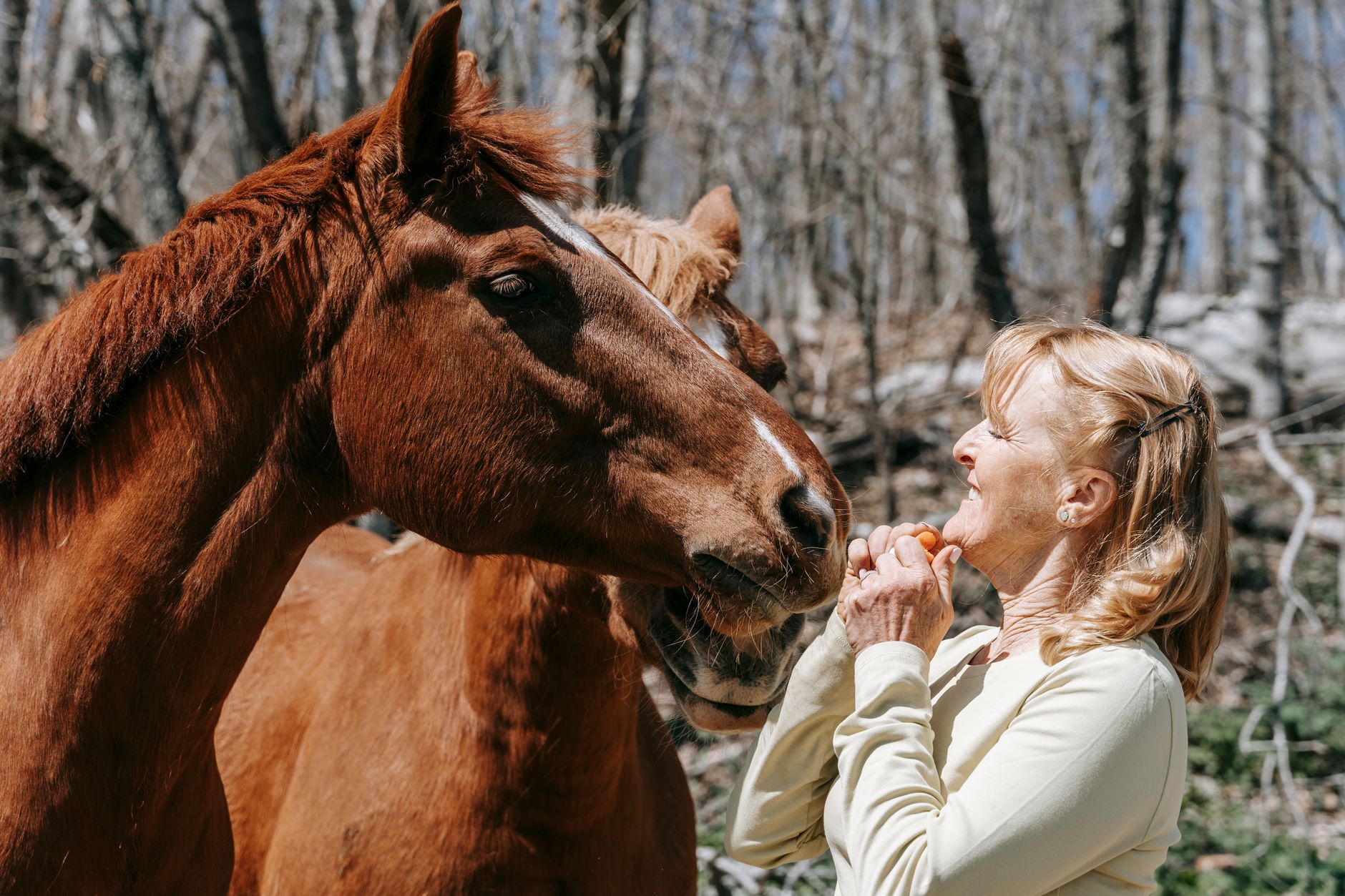
Building a strong connection with a horse offers numerous advantages:
- Enhanced Communication: Understanding your horse’s body language and cues allows for smoother interactions and improved training.
- Increased Trust: A trusting horse is more willing to cooperate and less likely to react out of fear.
- Improved Safety: A well-bonded horse is more attentive and responsive, reducing the risk of accidents.
- Deeper Fulfillment: The emotional connection with a horse can be incredibly rewarding and therapeutic.
- Better Performance: A horse that trusts and respects its handler is more likely to perform willingly and consistently.
The Path to Connection: A Step-by-Step Guide
So, how do you connect with a horse? Here’s a structured approach:
-
Observe and Understand: Spend time simply observing your horse in its natural environment. Learn to recognize its body language, social interactions, and individual personality. Pay attention to subtle cues like ear position, tail swishing, and facial expressions.
-
Approach with Respect: Always approach a horse calmly and respectfully. Avoid sudden movements or loud noises. Speak in a gentle, reassuring voice.
-
Build Trust Through Grooming: Grooming is an excellent way to build trust and bond with a horse. It’s a soothing and enjoyable experience for both of you. Pay attention to areas where the horse seems to enjoy being touched.
-
Engage in Groundwork: Groundwork exercises, such as leading, lunging, and obstacle courses, can help you establish leadership and improve communication with your horse. Focus on positive reinforcement and clear, consistent signals.
-
Respect Personal Space: Be mindful of a horse’s personal space. Avoid crowding or overwhelming the animal. Allow the horse to approach you on its own terms.
-
Listen and Respond: Pay attention to your horse’s reactions and adjust your approach accordingly. If the horse seems anxious or uncomfortable, back off and try a different approach.
-
Positive Reinforcement: Use positive reinforcement techniques, such as praise, petting, and treats, to reward desired behaviors. Avoid punishment, which can damage trust and create fear.
-
Patience and Consistency: Building a strong connection with a horse takes time and patience. Be consistent in your interactions and avoid getting frustrated. Celebrate small successes and focus on progress, not perfection.
Common Mistakes That Hinder Connection
Several common mistakes can hinder your ability to connect with a horse:
- Using force or intimidation: This approach can create fear and distrust.
- Lack of consistency: Inconsistent signals and expectations can confuse the horse.
- Ignoring the horse’s signals: Failing to recognize and respond to the horse’s body language.
- Being impatient or demanding: Rushing the process and expecting too much too soon.
- Projecting human emotions onto the horse: Assuming the horse thinks and feels exactly like a human.
Creating a Safe and Positive Environment
The environment plays a crucial role in fostering connection. Ensure the horse’s living space is:
- Clean and comfortable: A clean and comfortable environment promotes relaxation and reduces stress.
- Safe and secure: A safe and secure environment allows the horse to feel confident and secure.
- Socially enriching: Horses are social animals and benefit from interaction with other horses.
- Stimulating and engaging: Providing opportunities for mental and physical stimulation can prevent boredom and frustration.
Table: Comparing Connection Styles
| Style | Approach | Potential Outcomes |
|---|---|---|
| Dominance-Based | Using force and intimidation | Fear, resistance, decreased trust |
| Partnership-Based | Respectful, empathetic, and consistent | Trust, willingness, enhanced communication |
| Apathetic | Ignoring the horse’s needs and signals | Disconnection, lack of cooperation, frustration |

Frequently Asked Questions (FAQs)
How long does it take to connect with a horse?
The time it takes to connect with a horse varies depending on the individual horse’s personality, past experiences, and your own approach. It can take days, weeks, or even months to establish a deep bond. The key is patience, consistency, and a genuine desire to understand the horse.
What is the most important thing to remember when connecting with a horse?
The most important thing is to treat the horse with respect and empathy. Remember that horses are sentient beings with their own thoughts, feelings, and needs. Approach them with kindness and understanding, and they will be more likely to trust and connect with you.
How do you build trust with a fearful horse?
Building trust with a fearful horse requires extra patience and sensitivity. Start by creating a safe and predictable environment. Avoid sudden movements or loud noises. Approach the horse slowly and allow it to approach you on its own terms. Use positive reinforcement to reward even the smallest signs of progress.
Is it possible to connect with a horse that has been abused?
Yes, it is possible to connect with a horse that has been abused, but it may take considerable time and effort. These horses may have deep-seated trust issues and require a highly patient and understanding approach. Seek guidance from experienced professionals who specialize in working with abused horses.
How do you know if a horse trusts you?
There are several signs that indicate a horse trusts you. These include: approaching you willingly, relaxing in your presence, allowing you to touch it without flinching, and responding to your cues calmly and confidently.
How can you tell if a horse is comfortable around you?
A comfortable horse will exhibit relaxed body language. Look for signs such as a soft eye, relaxed muzzle, loose ears, and a lowered head. The horse may also sigh or lick its lips, indicating relaxation.
What are some activities that can help strengthen the bond with a horse?
Activities that can help strengthen the bond with a horse include: grooming, hand-walking, grazing together, groundwork exercises, and simply spending time together in a quiet and relaxed setting.
How do you communicate effectively with a horse?
Effective communication with a horse involves understanding its body language and using clear and consistent signals. Pay attention to your own body language and tone of voice, as horses are highly sensitive to these cues. Use positive reinforcement to reward desired behaviors.
Can you connect with a horse without riding it?
Absolutely! In fact, many people develop deep and meaningful connections with horses without ever riding them. Groundwork, grooming, and simply spending time together can be just as rewarding as riding.
What’s the best treat to give a horse to build a connection?
While treats can be helpful, it’s important to offer healthy options in moderation. Carrots, apples, and commercially available horse treats can be used, but avoid overfeeding. More important than the treat itself is the positive association and the moment of connection it represents.
How important is eye contact when connecting with a horse?
While direct, intense eye contact can be perceived as a challenge in the horse world, soft, relaxed eye contact can be a valuable tool for communication. Avoid staring directly at the horse, but use gentle, intermittent eye contact to convey your presence and attentiveness.
How do you maintain a strong connection with a horse over time?
Maintaining a strong connection with a horse requires ongoing effort and consistency. Continue to spend time with the horse regularly, engage in activities that you both enjoy, and always treat the horse with respect and empathy. Remember that building a strong connection is an ongoing process, not a one-time event.