

What are Texas Non-Game Fish? Understanding the State’s Overlooked Aquatic Life
What are Texas non game fish? These are native fish species in Texas that are not legally classified as game fish, typically because they are not commonly sought for sport or commercial purposes, yet they play vital roles in the state’s aquatic ecosystems.

Introduction to Texas Non-Game Fish
Texas, with its diverse array of rivers, lakes, and streams, boasts a remarkable diversity of fish species. While many anglers are familiar with popular game fish like bass, catfish, and crappie, a vast and often overlooked segment of the state’s fish population comprises the non-game species. Understanding what are Texas non game fish is crucial for effective conservation and management of the state’s aquatic biodiversity.
Defining Non-Game Fish
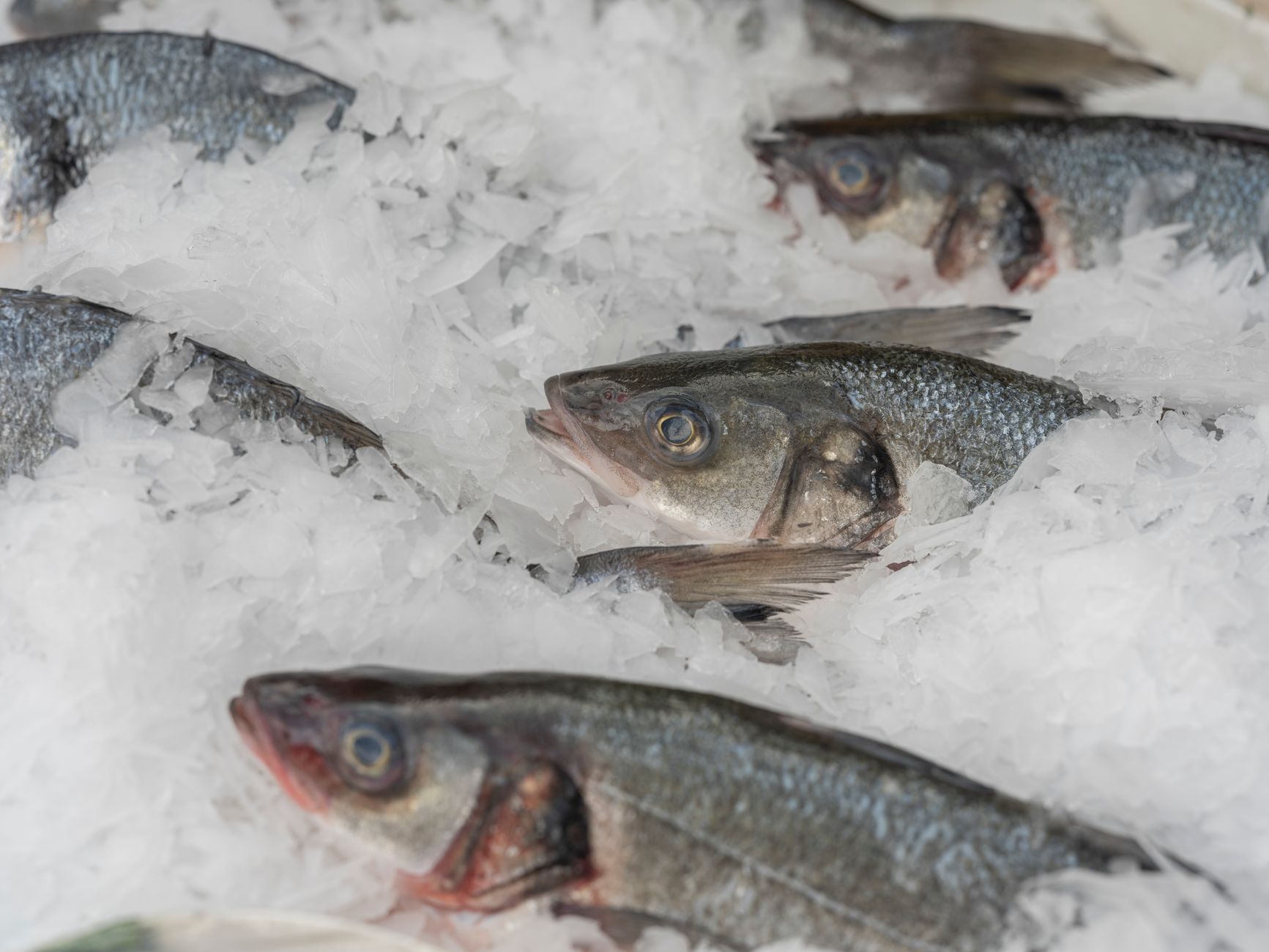
The term “non-game fish” can be somewhat misleading. It does not imply that these fish are unimportant or lacking in ecological value. Rather, it simply means that they are not regulated as game fish under Texas Parks and Wildlife Department (TPWD) regulations. These species are often smaller, less commercially valuable, or less frequently targeted by recreational anglers. It’s important to note that this classification does not mean they are unprotected; many regulations exist to protect endangered or threatened species, regardless of their “game” status.
Ecological Importance of Non-Game Fish
What are Texas non game fish contributing to the ecosystem? They are critical components of aquatic food webs. Many non-game fish serve as important food sources for larger game fish, birds, and other wildlife. They also play key roles in nutrient cycling and habitat maintenance. For instance, minnows and darters consume insects and algae, helping to keep waterways clean and balanced. Certain species help aerate the sediment, while others control aquatic vegetation. The health of Texas’s game fish populations is inextricably linked to the health and abundance of its non-game fish.
Examples of Texas Non-Game Fish
The diversity of Texas non-game fish is astounding. Here are just a few examples:
- Minnows: Numerous species, including the Red River shiner, speckled chub, and bluntnose minnow.
- Darters: Small, colorful fish adapted to life in riffles and rocky streams. Examples include the Texas logperch and Guadalupe darter.
- Suckers: Bottom-feeding fish that play a role in nutrient cycling, such as the golden redhorse and the bigmouth buffalo.
- Silversides: Small, schooling fish that are important forage for larger predators.
- Killifish: Adapted to a variety of habitats, including brackish water.
- Madtoms: Small catfish species that are often nocturnal and prefer hiding under rocks.
- Lampreys: Primitive, jawless fish that are native to some Texas rivers.
Threats to Texas Non-Game Fish Populations
Many Texas non-game fish populations face significant threats, including:
- Habitat loss and degradation: Dam construction, channelization, and urbanization can alter stream flows and destroy critical spawning and rearing habitats.
- Water pollution: Runoff from agricultural and urban areas can introduce pollutants that negatively impact fish health and water quality.
- Invasive species: Non-native fish can compete with native non-game fish for food and habitat, or even prey on them.
- Water extraction: Excessive water withdrawals can reduce stream flows, impacting fish populations, especially during drought conditions.
- Climate change: Increasing water temperatures and altered precipitation patterns can further stress fish populations.
Conservation Efforts for Non-Game Fish
Protecting Texas non-game fish requires a multi-faceted approach, including:
- Habitat restoration: Restoring degraded streams and riparian areas can improve water quality and create suitable habitat for fish.
- Water quality management: Reducing pollution from agricultural and urban runoff is essential for maintaining healthy aquatic ecosystems.
- Invasive species control: Preventing the introduction and spread of invasive species is crucial for protecting native fish populations.
- Water conservation: Implementing water conservation measures can help maintain stream flows and protect fish habitats.
- Research and monitoring: Continued research and monitoring are needed to better understand the distribution, abundance, and threats facing Texas non-game fish.
- Public education: Raising awareness about the importance of non-game fish and the threats they face is essential for garnering public support for conservation efforts.
Texas Parks and Wildlife Department Role
The TPWD plays a vital role in the conservation of Texas non-game fish. Their efforts include:
- Conducting research and monitoring of fish populations.
- Developing and implementing conservation plans.
- Managing state fish hatcheries.
- Enforcing regulations to protect threatened and endangered species.
- Educating the public about the importance of aquatic conservation.
Legal Protections
What are Texas non game fish legally protected under? While most non-game fish are not specifically protected by fishing regulations (size or bag limits), some species are listed as threatened or endangered under the Texas Parks and Wildlife Code and/or the federal Endangered Species Act. These listings afford them special protections, including restrictions on habitat modification and take (killing or harming).
Citizen Science and Non-Game Fish
Citizen science initiatives are increasingly important for gathering data on non-game fish populations. Volunteers can participate in surveys, habitat assessments, and other projects that contribute to our understanding of these important species.
Future of Texas Non-Game Fish
The future of Texas non-game fish depends on our ability to address the threats they face. By implementing effective conservation measures and raising public awareness, we can help ensure that these important species continue to thrive in the state’s waterways. Understanding what are Texas non game fish and advocating for their protection is vital for the long-term health of Texas’s aquatic ecosystems.

Frequently Asked Questions (FAQs)
What is the difference between game fish and non-game fish in Texas?
Game fish are those species specifically managed for recreational fishing through size and bag limits, while non-game fish generally lack these specific protections, though they are still vital to the ecosystem. Often, game fish are targeted for sport or consumption and contribute significantly to the fishing industry and recreational economy.
Are all non-game fish in Texas native to the state?
No, not all non-game fish are native. Invasive species can also be classified as non-game fish, but they pose a significant threat to native non-game fish populations and the overall ecosystem.
What should I do if I catch a threatened or endangered non-game fish?
If you accidentally catch a threatened or endangered non-game fish, handle it with extreme care and release it immediately back into the water. Avoid causing any unnecessary stress or injury. Report the catch to TPWD if possible, as this data is valuable for conservation efforts.
Can I keep or sell non-game fish in Texas?
Generally, you can keep or sell non-game fish, except for species that are listed as threatened or endangered. However, it’s crucial to consult TPWD regulations to ensure you are in compliance with all applicable laws. Some species may have restrictions on harvest or sale.
What is the role of non-game fish in the food web?
Non-game fish are critical components of the aquatic food web. Many serve as food for larger game fish, birds, and other wildlife, transferring energy up the food chain. They also control algae and insect populations, maintaining balance within the ecosystem.
How does pollution affect non-game fish populations?
Pollution, including agricultural runoff and urban stormwater, can have devastating effects on non-game fish populations. Pollutants can contaminate their food sources, damage their gills, disrupt their reproductive cycles, and even kill them directly.
How can I help protect Texas non-game fish?
There are many ways to help protect Texas non-game fish, including supporting conservation organizations, reducing your water consumption, properly disposing of waste, and advocating for policies that protect aquatic habitats. Participating in citizen science initiatives is another great way to contribute.
What is the Texas Conservation Action Plan (TCAP) and how does it relate to non-game fish?
The Texas Conservation Action Plan (TCAP) is a statewide strategy for conserving Texas’s natural heritage, including non-game fish. It identifies priority conservation areas and outlines specific actions to protect at-risk species and habitats.
Are there any specific regulations on the type of bait I can use when fishing for non-game fish?
While general fishing regulations apply, there aren’t typically specific bait restrictions targeting non-game fish unless you are fishing in areas where specific regulations apply to protect specific species or habitats. Always consult local regulations before fishing.
What are some examples of stream restoration projects that benefit non-game fish?
Stream restoration projects can include removing dams, stabilizing eroding banks, planting native vegetation, and restoring natural stream channels. These efforts can improve water quality, increase habitat complexity, and enhance the overall health of aquatic ecosystems for non-game fish.
How does climate change impact non-game fish in Texas?
Climate change can impact non-game fish through increased water temperatures, altered precipitation patterns, and increased frequency of extreme weather events. These changes can stress fish populations, alter their habitats, and make them more vulnerable to disease and invasive species.
Where can I find more information about Texas non-game fish?
The Texas Parks and Wildlife Department (TPWD) website is an excellent resource for information on Texas non-game fish, including species profiles, conservation plans, and fishing regulations. Numerous books and scientific publications also provide valuable information on the topic.