

Should You Touch a Dog with Fleas? Weighing the Risks and Benefits
The short answer is generally no, should you touch a dog with fleas without taking precautions. Fleas can easily transfer to humans, causing irritating bites and potentially spreading diseases.
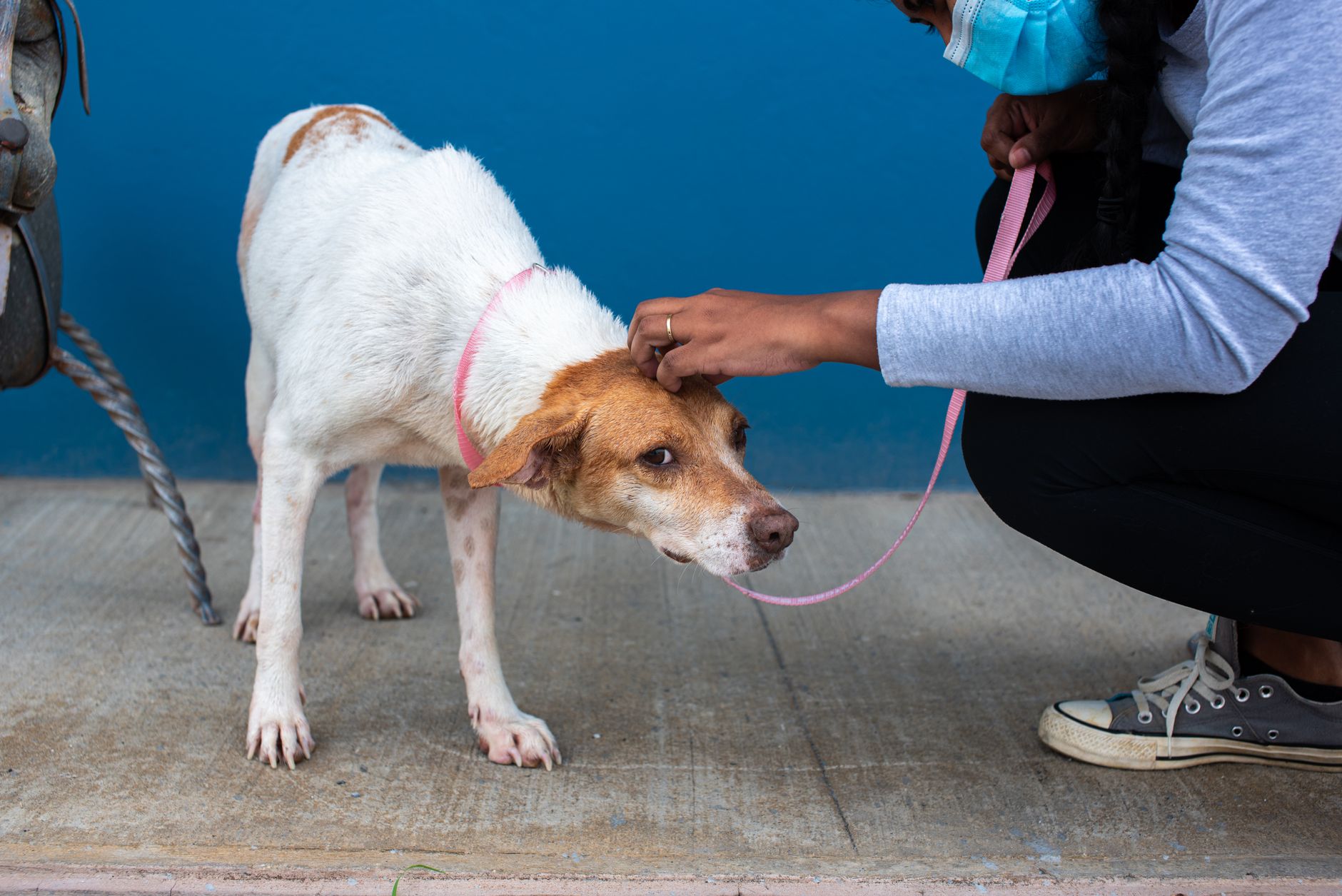
Understanding Fleas and Their Impact
Fleas are tiny, wingless insects that thrive on the blood of warm-blooded animals, including dogs and humans. They are a common problem for pet owners, and dealing with them requires understanding their lifecycle, the risks they pose, and effective methods of prevention and treatment.
- Lifecycle: Fleas undergo a complete metamorphosis, with four stages: egg, larva, pupa, and adult. The entire lifecycle can take weeks to months depending on environmental conditions.
- Transmission: Fleas are excellent jumpers and can easily hop from one host to another. They can also survive for extended periods without a host in favorable environments.
- Health Risks: Besides the irritating itch, fleas can transmit diseases such as tapeworms to pets and, in rare cases, serious diseases like bubonic plague and murine typhus to humans. Constant scratching due to flea bites can lead to skin infections in dogs.
The Risks of Touching a Dog with Fleas
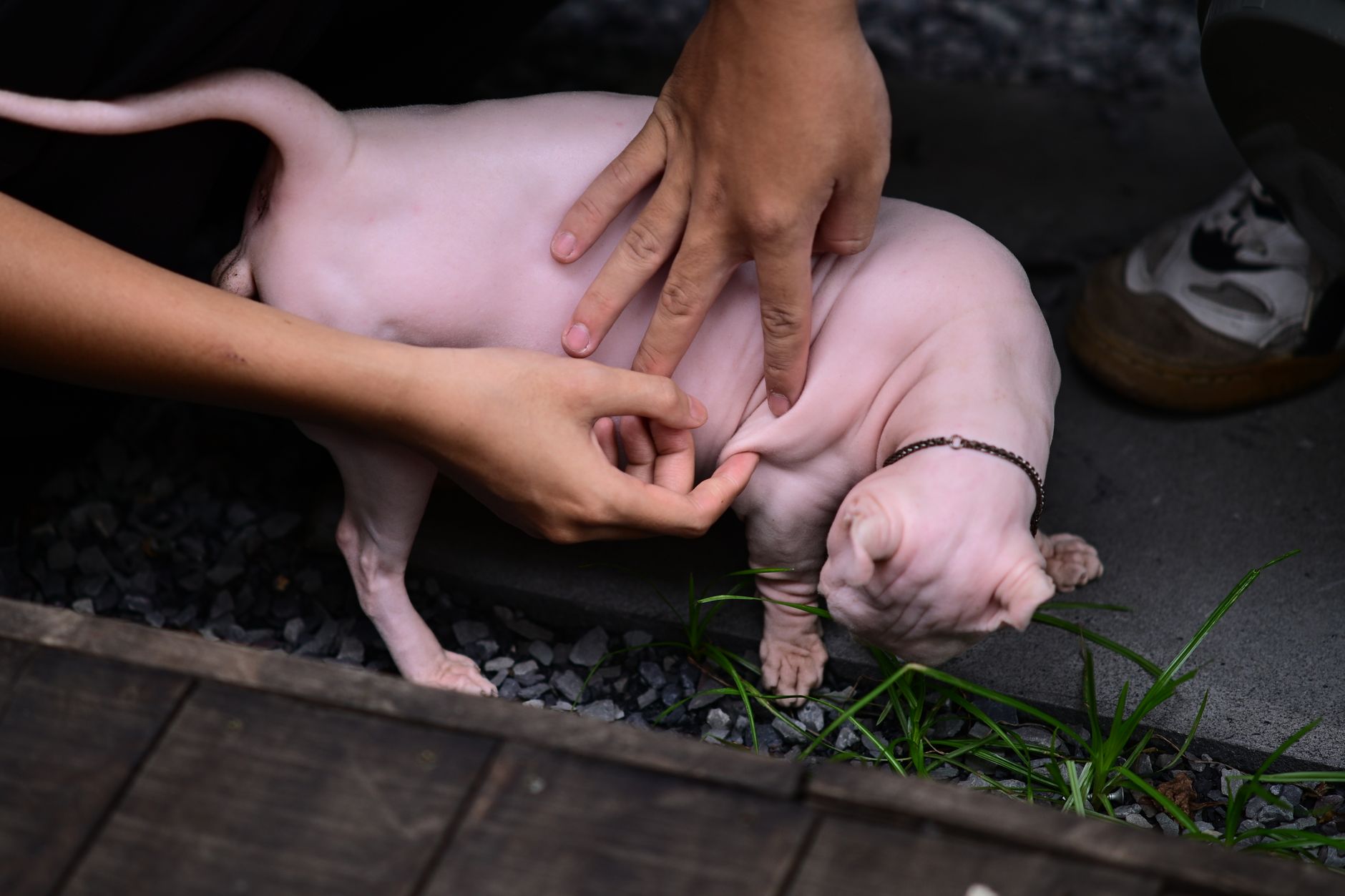
Touching a dog infested with fleas increases the risk of bringing these pests into your home and onto your own body. While fleas prefer dogs, they will happily bite humans for a blood meal.
- Flea Bites: Human flea bites typically appear as small, red, itchy bumps, often in clusters, usually around the ankles and lower legs.
- Home Infestation: Fleas can easily jump off the dog and onto your clothing or furniture, leading to an infestation in your home.
- Disease Transmission: Although rare, flea bites can transmit diseases to humans.
Precautions to Take
If you must touch a dog with fleas, taking the proper precautions minimizes the risk of flea bites and infestation.
- Wear Protective Clothing: Wear long sleeves, long pants, and socks to minimize exposed skin.
- Use Insect Repellent: Apply an insect repellent containing DEET to your skin and clothing.
- Wash Your Hands: Wash your hands thoroughly with soap and water immediately after touching the dog.
- Change and Wash Your Clothes: Remove your clothes as soon as possible and wash them in hot water.
- Inspect for Fleas: Carefully inspect your body for any signs of fleas.
Identifying Fleas on a Dog
Early detection is key to preventing a full-blown flea infestation. Regularly checking your dog for fleas can help you take action quickly.
- Flea Dirt: Look for small, dark specks in your dog’s fur, often referred to as “flea dirt.” This is actually flea feces, which consists of digested blood.
- Live Fleas: Part your dog’s fur and look for live fleas, which are small, dark brown insects that move quickly.
- Excessive Scratching: Watch for excessive scratching, biting, or licking, especially around the base of the tail, groin, and armpits.
- Hair Loss: Prolonged flea infestations can lead to hair loss and skin irritation.
Treating Fleas on a Dog
Numerous effective treatments are available for eliminating fleas on dogs. Consult with your veterinarian to determine the best option for your pet.
- Topical Treatments: These are applied directly to the dog’s skin, usually between the shoulder blades, and kill fleas on contact.
- Oral Medications: Some medications are administered orally and work by killing fleas after they bite the dog.
- Flea Shampoos: Flea shampoos can provide immediate relief from fleas, but they are not a long-term solution.
- Flea Collars: Flea collars release insecticides that kill or repel fleas.
Preventing Flea Infestations
Prevention is always better than cure. Taking preventative measures can significantly reduce the risk of flea infestations.
- Regular Grooming: Regularly groom your dog to remove fleas and flea dirt.
- Flea Prevention Medications: Use veterinarian-recommended flea prevention medications year-round.
- Wash Bedding: Regularly wash your dog’s bedding in hot water.
- Vacuum Regularly: Vacuum your home frequently, especially carpets and upholstery, to remove fleas, eggs, and larvae.
- Yard Maintenance: Keep your yard clean and well-maintained to reduce flea habitats.
The Importance of Treating Your Home
Treating your home environment is just as important as treating your dog, as fleas can live and breed indoors.
- Vacuuming: Vacuum carpets, rugs, upholstery, and cracks and crevices thoroughly. Dispose of the vacuum bag or empty the canister outside.
- Washing Bedding: Wash all bedding, including your own, in hot water.
- Insecticides: Use insecticides specifically designed for flea control, following the instructions carefully. Consider using a professional pest control service for severe infestations.
- Steam Cleaning: Steam cleaning carpets and upholstery can kill fleas and their eggs.
Natural Flea Control Methods
For those who prefer natural remedies, several options can help control fleas. However, their effectiveness may vary.
- Diatomaceous Earth: Food-grade diatomaceous earth is a natural powder that can kill fleas by dehydrating them.
- Essential Oils: Certain essential oils, such as lavender, cedarwood, and peppermint, are believed to repel fleas. Always dilute essential oils before applying them to your dog.
- Lemon Spray: Boil lemon slices in water and then spray the solution on your dog and in your home.
- Apple Cider Vinegar: Adding apple cider vinegar to your dog’s water can help repel fleas.
Addressing Common Misconceptions
Many misconceptions surround fleas and their control. Understanding the truth can help you make informed decisions.
- Fleas Only Live on Animals: Fleas can survive for extended periods in the environment, especially in warm, humid conditions.
- Indoor Dogs Don’t Get Fleas: Fleas can be brought into your home on your shoes or clothing, even if your dog never goes outside.
- Natural Remedies Are Always Safe: Some natural remedies can be harmful to pets. Always research and consult with your veterinarian before using any new treatment.
- Flea Control Is Only Necessary in the Summer: Fleas can be active year-round in warm climates.

Frequently Asked Questions (FAQs)
Will fleas jump off the dog and onto me immediately?
Fleas are opportunistic and can jump onto humans from dogs if given the chance, especially if they are looking for a new blood meal. However, they generally prefer dogs as their primary hosts due to factors like body temperature and coat density. The speed and frequency with which this happens can vary based on the severity of the infestation and the proximity.
How long can fleas live on humans?
Fleas typically don’t live on humans long-term. While they will bite for a blood meal, they prefer to live on animals with fur. They may stay on you temporarily, but they will usually jump off to find a more suitable host or environment for breeding.
Can I get fleas from petting a dog with fleas?
Yes, should you touch a dog with fleas, you can get fleas from petting them, especially if the infestation is severe. Fleas can easily jump from the dog’s fur onto your hands or clothing. Taking precautions like wearing protective clothing and washing your hands immediately afterward can reduce this risk.
Are flea bites on humans dangerous?
In most cases, flea bites on humans are not dangerous. They typically cause itching and irritation but usually resolve on their own within a week or two. However, in rare cases, fleas can transmit diseases, so it’s essential to monitor for any unusual symptoms and seek medical attention if necessary.
How can I tell if my dog has fleas?
Signs of fleas on a dog include excessive scratching, biting, or licking, especially around the base of the tail, groin, and armpits. You may also see small, dark specks (flea dirt) in their fur or even live fleas moving quickly through their coat. Regular grooming and inspection can help you detect fleas early.
What’s the best way to get rid of fleas on my dog?
The best way to get rid of fleas on your dog depends on the severity of the infestation and your dog’s individual needs. Consult with your veterinarian to determine the most appropriate treatment, which may include topical medications, oral medications, flea shampoos, or flea collars.
Do I need to treat my house if my dog has fleas?
Yes, treating your house is crucial if your dog has fleas. Fleas can live and breed in carpets, upholstery, and bedding, so it’s essential to vacuum regularly, wash bedding in hot water, and use insecticides specifically designed for flea control.
Can fleas live on other pets in my home?
Yes, fleas can infest other pets in your home, including cats, rabbits, and even rodents. Treating all pets simultaneously is essential to prevent re-infestation.
Are there natural ways to get rid of fleas on my dog and in my house?
Yes, several natural methods can help control fleas, such as using diatomaceous earth, essential oils, lemon spray, or apple cider vinegar. However, their effectiveness may vary, and it’s essential to research and consult with your veterinarian before using any new treatment.
How often should I give my dog flea prevention medication?
The frequency of flea prevention medication depends on the specific product and your veterinarian’s recommendations. Some medications are administered monthly, while others are given every three months. Year-round prevention is generally recommended, especially in warm climates.
Can humans use flea shampoo meant for dogs?
No, humans should not use flea shampoo meant for dogs. These products are formulated with ingredients and concentrations that are safe for dogs but can be harmful to humans. Use products specifically designed for human use to treat flea bites.
Should you touch a dog with fleas if you are pregnant?
Should you touch a dog with fleas when pregnant? It is generally not advisable to touch a dog with fleas if you’re pregnant, even with precautions. While the risk of disease transmission is low, pregnant women should minimize any potential exposure to diseases or harmful chemicals found in flea control products. Consult with your doctor and veterinarian for the safest approach.