

Can Two Female Bettas Live in a 2 Gallon Tank? The Truth Revealed
No, housing two female bettas in a 2-gallon tank is generally a bad idea. The extremely limited space is far too small to support even one betta, let alone two, leading to stress, aggression, and potential health problems.

Understanding Betta Fish and Their Needs
Betta splendens, commonly known as Betta fish or Siamese fighting fish, are captivating creatures known for their vibrant colors and flowing fins. However, their beauty often overshadows their specific needs, leading to improper care. Originating from the shallow rice paddies of Southeast Asia, Bettas are naturally solitary fish. In the wild, they have access to larger territories, which minimizes conflict. Replicating this in a domestic setting is crucial for their well-being. The misconception that Bettas can thrive in small spaces stems from their ability to survive in less-than-ideal conditions, but survival shouldn’t be mistaken for thriving.

Are all shrimps born female?
What is the GREY African clawed frog?
Is distilled water good for goldfish?
What colours are fish most attracted to?
Why 2 Gallons is Insufficient
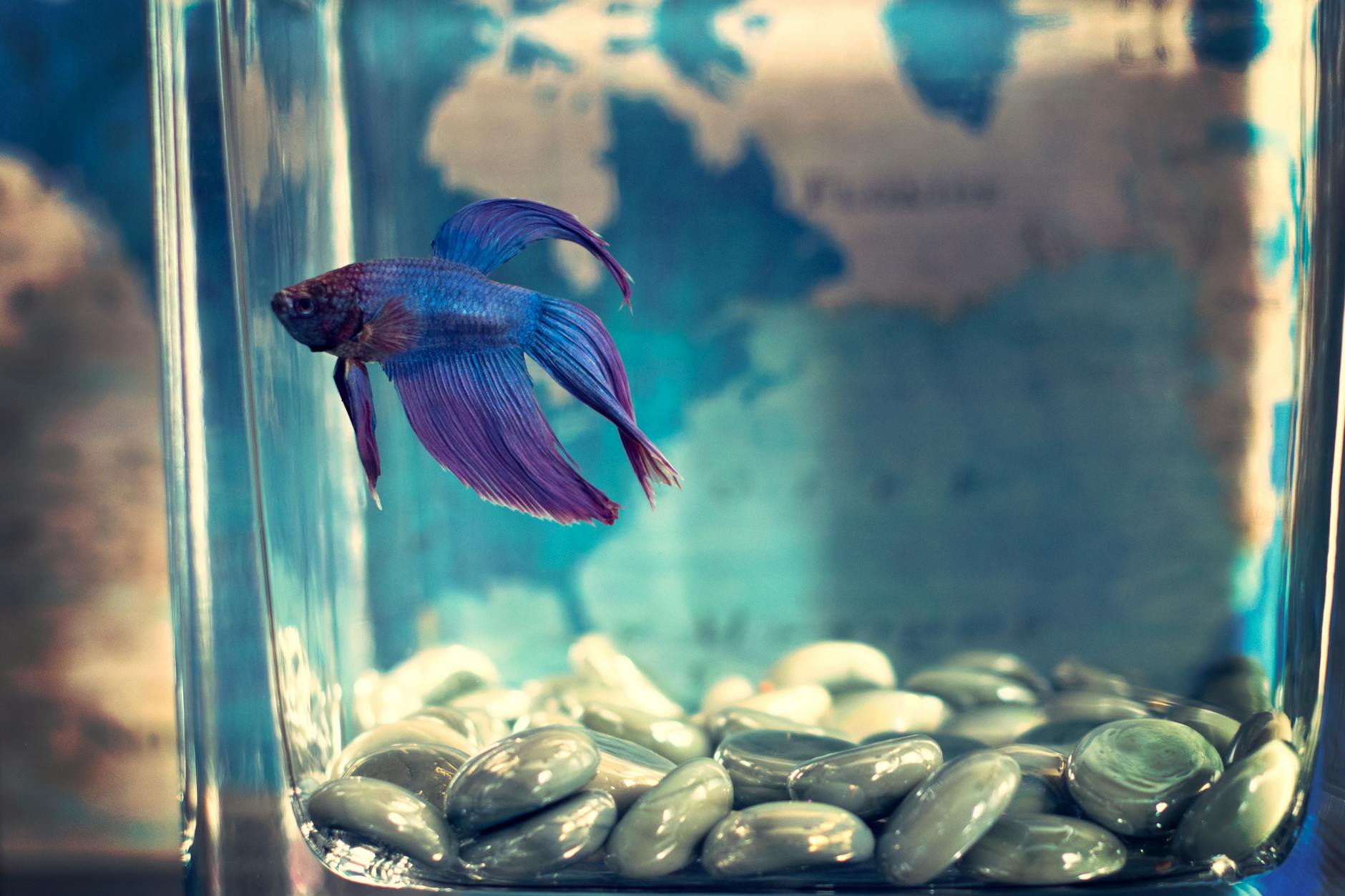
The size of an aquarium is paramount to a Betta’s health and happiness. A 2-gallon tank simply doesn’t offer enough space for adequate swimming, exploration, or the establishment of individual territories.
- Space Constraints: Limited space intensifies stress levels and increases the likelihood of aggressive interactions.
- Water Quality: Small tanks are prone to rapid fluctuations in water parameters, such as ammonia and nitrite levels, which are toxic to fish. Maintaining stable water quality in a 2-gallon tank requires extremely diligent monitoring and frequent water changes, often multiple times a week.
- Lack of Enrichment: Insufficient space limits the ability to provide enriching elements like plants, caves, and other decorations that offer hiding places and mental stimulation.
The Sorority Myth: Understanding Female Betta Aggression
The concept of a “Betta sorority,” where multiple female bettas coexist peacefully, is often misunderstood. While it’s theoretically possible, it requires a specific setup, including:
- A significantly larger tank (minimum 20 gallons for 5-6 females).
- A well-established hierarchy.
- Plenty of hiding places to diffuse aggression.
- Consistent monitoring for signs of bullying or stress.
A 2-gallon tank completely negates any chance of establishing a stable sorority. The confined space guarantees conflict and inhibits the ability of submissive females to escape dominant ones. Even in larger tanks, sororities can be challenging and may ultimately fail, requiring the separation of individual fish.
The Risks of Overcrowding
Overcrowding in a small tank leads to a cascade of problems:
- Increased Stress: Constant competition for resources and territory leads to chronic stress, weakening the immune system and making fish susceptible to diseases like fin rot and ich.
- Aggression and Injuries: Fighting is inevitable, resulting in torn fins, injuries, and even death.
- Poor Water Quality: Increased waste production overwhelms the biological filter, leading to ammonia and nitrite spikes that poison the fish.
- Stunted Growth: Inadequate space can physically stunt the growth of the fish, leading to health complications.
Ideal Tank Size and Setup for Betta Fish
A single Betta requires a minimum of 5 gallons, although 10 gallons is considered optimal. This provides enough space for:
- Swimming and exploration.
- Maintaining stable water parameters.
- Creating a comfortable and enriching environment.
The tank should also be equipped with:
- A filter to maintain water quality.
- A heater to maintain a consistent temperature (78-82°F).
- Live or silk plants for hiding and enrichment.
- A smooth-edged decor to prevent injuries.
- Regular water changes (25% weekly).
| Feature | 2 Gallon Tank | Recommended Tank (5-10+ Gallons) |
|---|---|---|
| Space | Severely Limited | Ample for Swimming & Exploration |
| Water Quality | Unstable, Difficult to Maintain | Easier to Maintain Stable Levels |
| Aggression | High Risk of Aggression | Lower Risk with Proper Setup |
| Enrichment | Limited Enrichment Options | Greater Enrichment Opportunities |
| Fish Health | Compromised | Enhanced Health and Well-being |
Can two female bettas live in a 2 gallon tank? – The Definitive Answer
Absolutely not. The question “Can two female bettas live in a 2 gallon tank?” is unfortunately common, but the answer is a resounding no. Attempting to house two female bettas in such a small space is inhumane and will inevitably lead to stress, aggression, and health problems. Prioritize the well-being of your fish by providing them with adequate space and a suitable environment.
Frequently Asked Questions (FAQs)
Is it ever okay to keep two female bettas in a small tank?
No, it is never okay to keep two female bettas in a small tank, especially one as small as 2 gallons. The risk of aggression and poor water quality far outweighs any perceived benefits.
What is the bare minimum tank size for a single Betta?
While 5 gallons is often cited as the bare minimum, a 10-gallon tank is significantly better for a single Betta’s health and well-being.
What are the signs of stress in Betta fish?
Signs of stress include clamped fins, loss of appetite, lethargy, hiding excessively, and increased aggression. Changes in color and the appearance of stress stripes can also be indicators.
How often should I perform water changes in a Betta tank?
For a properly sized and filtered tank (5+ gallons), a 25% water change should be performed weekly. Smaller tanks require more frequent water changes.
What type of filter is best for a Betta tank?
A sponge filter or a filter with adjustable flow is best for Bettas, as they prefer gentle water movement. Strong currents can stress them.
What temperature should I maintain my Betta tank at?
Bettas thrive in temperatures between 78-82°F (25-28°C). Use a reliable aquarium heater to maintain a consistent temperature.
What do Bettas eat?
Bettas are primarily carnivores and should be fed a high-quality Betta pellet food. Supplement their diet with frozen or live foods like bloodworms and daphnia.
Can I keep a Betta with other fish in a larger tank?
While possible, keeping Bettas with other fish requires careful consideration. Avoid fish with long, flowing fins that Bettas might mistake for other Bettas. Peaceful, non-nippy tank mates are essential. Ensure the tank is large enough (20+ gallons) to provide ample space for all inhabitants.
What are the common diseases that affect Betta fish?
Common diseases include fin rot, ich (white spot disease), and velvet. Proper water quality and a healthy diet are crucial for preventing these diseases.
How do I cycle a new aquarium before adding a Betta?
Cycling a tank establishes beneficial bacteria that break down harmful waste. This can be done using various methods, but generally involves adding ammonia to the tank and monitoring water parameters (ammonia, nitrite, nitrate) until the bacteria colonies are robust. A fully cycled tank will have 0 ammonia, 0 nitrite, and a measurable level of nitrate.
Can two female bettas live in a 2 gallon tank? What if I clean it every day?
Even with daily cleaning, can two female bettas live in a 2 gallon tank? The answer remains a firm no. While frequent cleaning helps, the fundamental problem of insufficient space and resulting aggression persists. Daily cleaning is also stressful to the fish.
How long do Betta fish typically live?
With proper care, Betta fish can live for 3-5 years. Providing a suitable environment, a healthy diet, and maintaining good water quality are essential for a long and healthy life.