

Should You Feed Your Dog Before or After Their Morning Run?: The Definitive Guide
The question of should you feed dog before or after morning run? is crucial for your canine companion’s health; generally, it’s best to feed your dog after their morning run to avoid potential digestive issues and optimize performance.
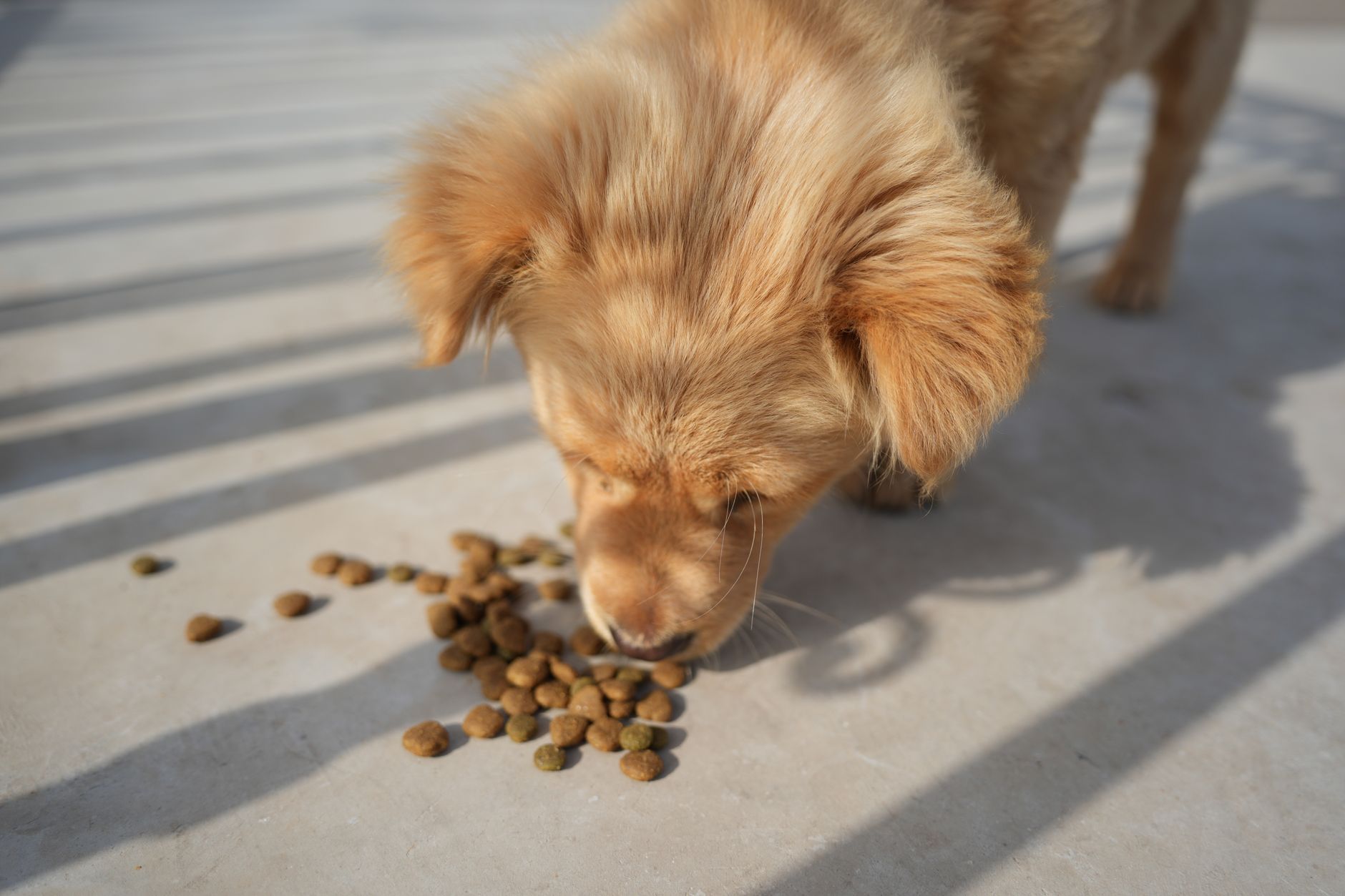
Introduction: Fueling Fido for Fitness
A morning run is a fantastic way to bond with your dog and keep them physically and mentally stimulated. However, timing your dog’s meals in relation to exercise is essential for their well-being. While a quick treat before a leisurely walk is generally fine, a full meal right before a run can lead to discomfort and even more serious health problems. Understanding the physiological effects of exercise on a dog’s digestive system is key to making the right decision. This guide will help you navigate the intricacies of pre- and post-run feeding to ensure your furry friend enjoys a safe and beneficial workout.
The Risks of Feeding Before Exercise

Should you feed dog before or after morning run? The risks associated with feeding before exercise are significant, particularly for larger breeds.
- Gastric Dilatation-Volvulus (GDV) or Bloat: This is a life-threatening condition where the stomach fills with gas and then twists, cutting off blood supply. Deep-chested dogs like Great Danes, German Shepherds, and Irish Setters are particularly susceptible. Eating a large meal and then exercising vigorously can greatly increase the risk of bloat.
- Digestive Discomfort: Even if bloat doesn’t occur, a full stomach can cause discomfort, cramping, and nausea during exercise. Imagine trying to run a marathon after Thanksgiving dinner!
- Reduced Performance: When a dog exercises, blood flow is diverted away from the digestive system and towards the muscles. If the digestive system is working hard to process food, it can lead to inefficient energy utilization and reduced performance.
The Benefits of Feeding After Exercise
Waiting to feed your dog after their run offers several advantages.
- Reduced Risk of Bloat: Allowing the stomach to empty before exercise significantly reduces the risk of GDV.
- Improved Digestion: After exercise, your dog’s body is more relaxed, and digestion can occur more efficiently.
- Replenishing Energy Stores: A post-run meal provides essential nutrients to replenish glycogen stores and aid in muscle recovery.
- Positive Association: Feeding your dog after a run can create a positive association with exercise, making them more enthusiastic about future runs.
Practical Guidelines for Feeding and Running
Here’s a recommended schedule for feeding and exercising your dog:
- Early Morning Potty Break and Light Exercise: Start with a quick potty break and a short, gentle walk to warm up.
- Run/Exercise: Engage in your planned run or exercise routine.
- Cool Down: Allow your dog to cool down with a leisurely walk after the run.
- Feeding: Offer your dog their full meal approximately 30-60 minutes after cooling down. This allows their digestive system to settle.
- Water: Provide fresh, clean water throughout the process, especially after the run.
Considerations for Specific Dog Breeds and Conditions
While these guidelines are generally applicable, certain dogs may require special considerations:
- Small Breeds: Small breeds are less prone to bloat but can still experience digestive upset. A smaller, easily digestible meal can be given a few hours before a run, if needed.
- Older Dogs: Older dogs may have slower metabolisms and reduced digestive efficiency. Consult with your veterinarian for specific feeding recommendations.
- Dogs with Medical Conditions: Dogs with conditions like diabetes or inflammatory bowel disease (IBD) require individualized feeding plans. Work closely with your vet to determine the best timing and type of food.
- Working Dogs / High-Intensity Exercise: Dogs participating in high-intensity activities might require a small, easily digestible snack an hour or two before intense work to provide a quick energy boost.
Identifying Signs of Digestive Distress
It’s important to be vigilant and watch for signs that your dog is experiencing digestive distress during or after exercise.
- Excessive Panting: Unusual or excessive panting can be a sign of discomfort.
- Restlessness: Your dog may be unable to settle down or appear agitated.
- Bloated Abdomen: A noticeably distended abdomen is a serious warning sign of bloat.
- Retching or Vomiting: Attempting to vomit without producing anything is a common symptom of GDV. Actual vomiting can also indicate digestive upset.
- Weakness or Collapse: Sudden weakness or collapse requires immediate veterinary attention.
Making the Transition
If you currently feed your dog before their morning run, it’s essential to transition them gradually to a post-run feeding schedule.
- Start Slow: Begin by reducing the amount of food you give before the run and increasing the amount after.
- Monitor Your Dog: Closely observe your dog’s behavior and stool consistency during the transition.
- Consult Your Veterinarian: If you have any concerns, consult with your veterinarian for personalized guidance.

Frequently Asked Questions (FAQs)
Is it okay to give my dog treats before a run?
A small treat or two before a run is generally fine, especially for shorter runs, but avoid giving large quantities of treats immediately before exercise. Opt for easily digestible treats such as small pieces of cooked chicken or carrots.
What if my dog refuses to eat after a run?
Some dogs may not have an appetite immediately after exercise. Try offering food in small portions or adding a palatable topper to their food. You can also try waiting a bit longer (up to an hour or so) before offering food. If your dog consistently refuses to eat after exercise, consult with your veterinarian.
How long should I wait to feed my dog after a run?
A general guideline is to wait 30-60 minutes after the run before feeding your dog. This allows their body to cool down and their digestive system to settle. However, you know your dog best, so adjust based on their individual needs and behavior.
Can I give my dog water before, during, and after a run?
Yes, absolutely! Hydration is crucial. Offer small amounts of water before, during (if possible), and especially after the run. Avoid letting your dog gulp down large quantities of water at once, as this can also contribute to bloat.
What type of food is best to feed my dog after a run?
Choose a high-quality dog food that is appropriate for their age, breed, and activity level. Look for foods that are rich in protein and carbohydrates to help replenish energy stores and support muscle recovery. Consult with your veterinarian for specific dietary recommendations.
My dog is a picky eater. How can I encourage them to eat after exercise?
Try offering warm food, adding a small amount of broth to their kibble, or mixing in some cooked chicken or fish. You can also try feeding them from a puzzle toy to make mealtime more engaging.
Should I change my dog’s food based on their activity level?
Yes, dogs that engage in regular exercise may require a food with higher caloric density to meet their increased energy demands. Talk to your veterinarian about switching to a more active formula.
Is it okay to feed my dog a raw food diet after a run?
While raw food diets have gained popularity, it’s crucial to ensure that they are properly balanced and prepared to minimize the risk of bacterial contamination. If you choose to feed a raw food diet, discuss it with your veterinarian to ensure it is appropriate for your dog’s individual needs and activity level.
How can I prevent bloat in my dog?
Besides avoiding feeding before exercise, other measures to prevent bloat include feeding smaller, more frequent meals, using a slow-feeder bowl, and avoiding vigorous exercise immediately after eating.
Are some dog breeds more prone to bloat than others?
Yes, deep-chested breeds such as Great Danes, German Shepherds, Standard Poodles, Irish Setters, and Weimaraners are more susceptible to bloat. If you own one of these breeds, it’s particularly important to follow preventative measures.
What are the signs of bloat that warrant immediate veterinary attention?
Key signs of bloat requiring immediate veterinary attention include a distended abdomen, retching without producing anything, restlessness, excessive panting, and weakness or collapse. Bloat can be fatal within hours, so do not delay seeking treatment.
Should you feed dog before or after morning run if they take medication?
If your dog needs medication given with food, consult with your veterinarian to determine the best strategy. You might be able to give the medication with a small treat after the run, or adjust the medication schedule if possible. Your vet can give specific advice based on the medication and your dog’s needs.