

Can You Pick Up a Sand Crab? Unveiling the Secrets of the Mole Crab
Yes, you can pick up a sand crab, also known as a mole crab, but understanding how to do so safely for both you and the creature is crucial. This article explores the fascinating world of sand crabs, offering insights on their biology, behavior, and the proper techniques for observing them up close.

Introduction to Sand Crabs: Tiny Titans of the Surf
Sand crabs, scientifically classified under the Emerita genus, are small crustaceans perfectly adapted to life in the dynamic environment of sandy beaches. These fascinating creatures are not true crabs but belong to a different group of crustaceans called mole crabs. Their streamlined bodies and specialized appendages allow them to bury themselves rapidly in the sand and filter feed on plankton and organic matter carried by the waves. Understanding their unique adaptations is key to appreciating and interacting responsibly with these often overlooked inhabitants of our coastlines.
The Sand Crab’s Unique Adaptations
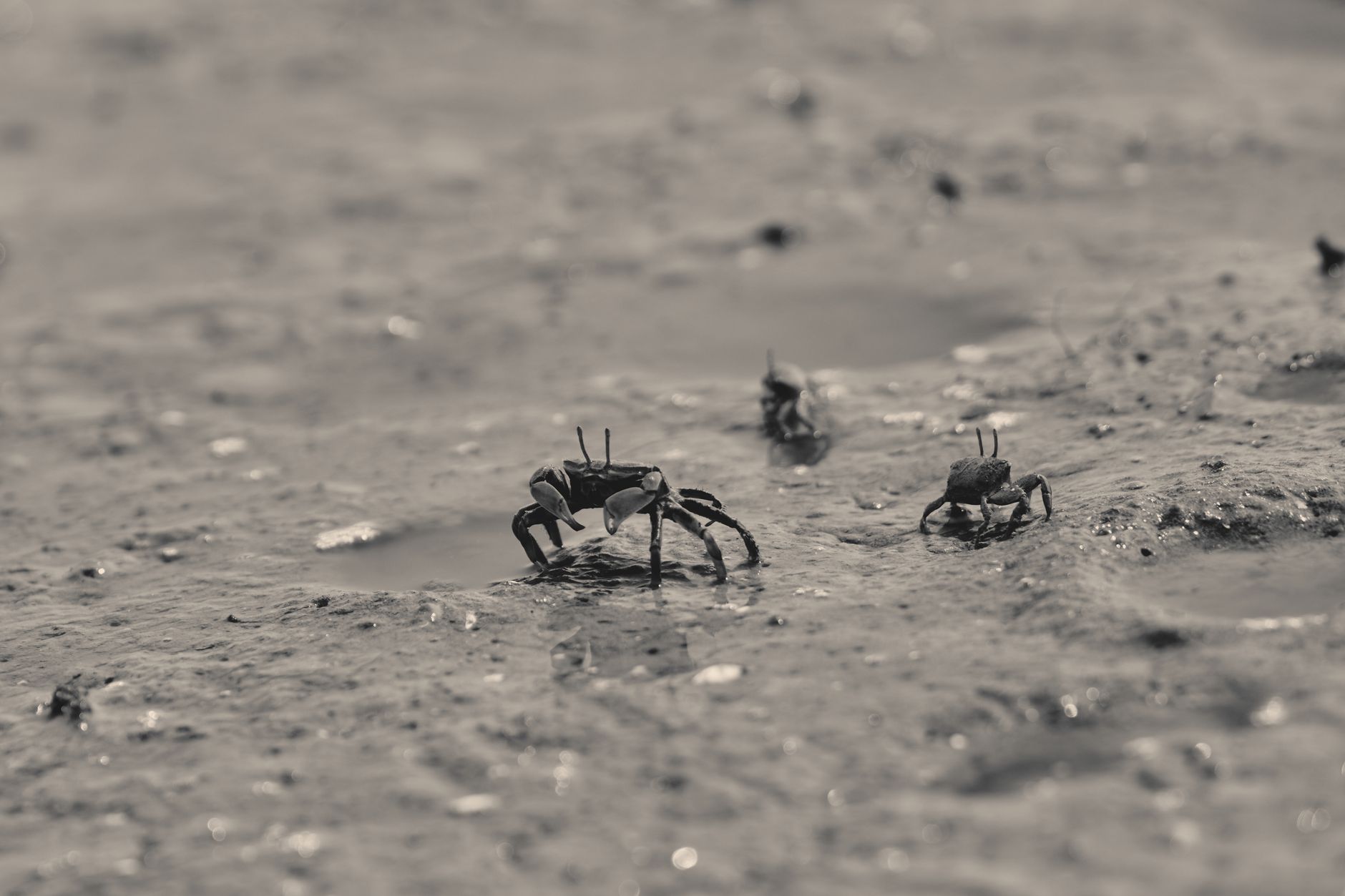
Sand crabs have evolved a remarkable set of adaptations that allow them to thrive in the harsh, constantly shifting environment of the intertidal zone. These adaptations include:
- Streamlined Body: Their smooth, oval-shaped bodies reduce drag as they burrow into the sand, allowing them to quickly escape predators and position themselves for optimal feeding.
- Specialized Antennae: Feather-like antennae extend from the sand, filtering plankton and detritus from the incoming waves.
- Strong Legs: Their flattened legs are adapted for digging and anchoring themselves in the sand, preventing them from being swept away by the surf.
- Rapid Burrowing: Sand crabs can bury themselves completely in a matter of seconds, a vital defense mechanism against birds and other predators.
Observing Sand Crabs Responsibly: A Guide
While can you pick up a sand crab?, responsible interaction with these animals is paramount. Here’s how to observe them without causing harm:
- Locate Them: Look for the telltale “V” shaped disturbance in the sand as the tide recedes. This indicates a sand crab buried just beneath the surface.
- Gentle Excavation: Carefully dig around the area with your hands or a small shovel. Avoid digging directly on top of the crab to prevent injury.
- The Pick-Up: If you want to pick one up, gently scoop it up from underneath, supporting its body. Avoid pinching or squeezing it.
- Observation: Observe the crab briefly, noting its coloration, size, and behavior.
- Return: Return the crab to the same spot or a nearby area where the sand is wet and undisturbed. Cover it lightly with sand.
Common Mistakes When Handling Sand Crabs
Even with good intentions, some common mistakes can harm sand crabs. Avoiding these pitfalls ensures a more ethical encounter:
- Squeezing or Pinching: This can easily crush their delicate exoskeletons.
- Removing Them From Their Habitat For Extended Periods: They depend on the water to breathe and feed.
- Digging Carelessly: This can damage their burrow or directly injure the crab.
- Taking Them Home: Sand crabs are adapted to a very specific environment and are unlikely to survive in a home aquarium without specialized care. Furthermore, in some locations it’s illegal to remove them from their natural habitat.
Sand Crabs and the Ecosystem
Sand crabs play a crucial role in the coastal ecosystem. They are an important food source for shorebirds, fish, and other marine predators. As filter feeders, they help to keep the water clean by removing organic matter and plankton. The presence of a healthy sand crab population is an indicator of a healthy beach ecosystem. Changes in their population can signal larger environmental problems.
Legal Considerations
Before collecting or handling sand crabs, it’s important to be aware of local regulations. Many coastal areas have restrictions on the collection of marine life. Check with your local wildlife agency or park service to ensure that you are complying with all applicable laws and regulations. Respecting these rules is essential for the long-term health of sand crab populations and the coastal environment.
The Future of Sand Crabs
Climate change and human activity threaten sand crab populations. Rising sea levels, beach erosion, and pollution can all negatively impact their habitat and food sources. Conservation efforts, such as beach cleanups and habitat restoration projects, are crucial for protecting these vital creatures. Understanding and appreciating sand crabs is the first step towards ensuring their survival for future generations.

Frequently Asked Questions About Sand Crabs
Why are sand crabs also called mole crabs?
The term “mole crab” comes from their burrowing behavior, which is similar to that of moles. They dig rapidly into the sand, creating temporary burrows for feeding and protection.
What do sand crabs eat?
Sand crabs are filter feeders, meaning they use their feathery antennae to strain plankton and other organic matter from the water. This process helps to keep the water clean and provides them with the nutrients they need to survive.
How do sand crabs breathe underwater?
Sand crabs have gills located within their carapace (shell). They circulate water over their gills to extract oxygen, allowing them to breathe underwater.
How can you tell the difference between male and female sand crabs?
Female sand crabs are generally larger than males and have a broader abdomen. They also have pleopods (small swimming appendages) on their abdomen, which are used to carry eggs.
What is the lifespan of a sand crab?
The lifespan of a sand crab varies depending on the species and environmental conditions, but they typically live for 1 to 3 years.
Are sand crabs dangerous to humans?
No, sand crabs are not dangerous to humans. They do not bite or sting, and their small size makes them harmless.
What should I do if I accidentally injure a sand crab?
If you accidentally injure a sand crab, gently return it to the water in a protected area. The survival chances are slim, but this is the most humane action.
When is the best time to see sand crabs?
The best time to see sand crabs is during low tide, when they are actively feeding near the water’s edge. Look for the “V” shaped disturbances in the sand.
Can sand crabs survive out of water?
Sand crabs cannot survive out of water for long. They rely on the moisture of the sand and the water to breathe and stay hydrated.
Are sand crabs good to eat?
While sand crabs are consumed in some cultures, they are not a common food source in many parts of the world. Their small size and limited meat yield make them less desirable compared to other seafood.
What is the ecological role of sand crabs on the beach?
Sand crabs serve as a vital link in the food chain, providing sustenance for shorebirds, fish, and other marine predators. They also contribute to the health of the beach ecosystem by filtering organic matter from the water.
How does pollution impact sand crab populations?
Pollution, such as oil spills and plastic debris, can have devastating effects on sand crab populations. These pollutants can contaminate their food sources, disrupt their reproduction, and directly harm or kill them. Protecting our beaches from pollution is crucial for the survival of these important creatures.