
Tracking local weather patterns directly from your own backyard provides insights that generic forecasts simply cannot match. Whether you are a gardening enthusiast planning your planting schedule or a homeowner preparing for seasonal shifts, having a reliable system is essential for gathering accurate, real-time environmental data.
Finding the Best Wireless Weather Station involves balancing your need for smart connectivity against the simplicity of a standalone display. In this guide, we examine five distinct models to help you understand which features—from Wi-Fi integration to sensor precision—best suit your specific monitoring requirements.
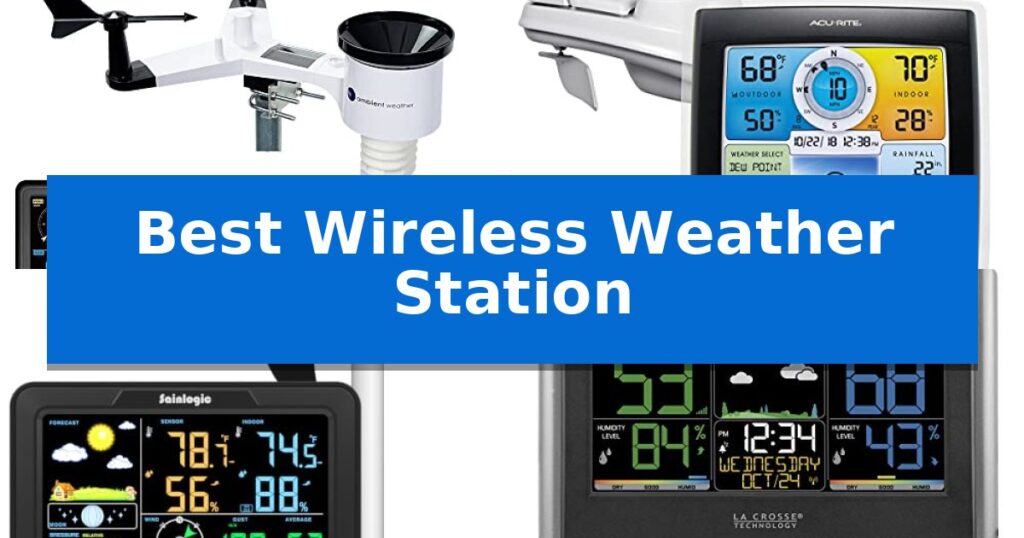
Best Wireless Weather Station in 2026: Smart Home Connectivity
1 Ambient Weather WS-2902 Weather Station — Best for Smart Home Integration
Capturing precise environmental data from your own backyard is simplified with the Ambient Weather WS-2902 Wi-Fi Smart Weather Station, a comprehensive system featuring an Osprey Sensor Array that measures wind speed, direction, temperature, humidity, rainfall, UV intensity, and solar radiation. This station provides a direct line to your local microclimate, ensuring that the data you view is specific to your immediate surroundings rather than generalized regional reports.
The system centers on a brilliant, easy-to-read LCD color display that presents your hyper-local metrics in real-time. Designed for modern connectivity, the enhanced Wi-Fi capability allows the station to transmit data wirelessly to the world's largest personal weather station network, providing you with a seamless way to track conditions remotely via the Ambient Weather Network.
Beyond simple monitoring, this station is smart home ready, integrating with platforms like IFTT, Google Home, and Alexa. Users can program their home automation based on specific weather triggers, such as adjusting irrigation or climate control systems when certain rainfall or temperature thresholds are met. This level of integration transforms basic weather tracking into an active tool for home management.
The Ambient Weather WS-2902 Weather Station offers a balanced approach to meteorological monitoring, combining a robust, all-in-one sensor array with sophisticated digital connectivity. While it provides extensive data points and smart home compatibility, users should ensure they have a stable Wi-Fi connection to fully utilize the remote monitoring and alert features, as the station relies on this link for its advanced cloud-based functionalities.
PROS
- Comprehensive sensor array measuring seven distinct weather variables.
- Smart home integration with Alexa, Google Home, and IFTT.
- Hyper-local data collection for precise backyard monitoring.
- Enhanced Wi-Fi connectivity for remote data access and network sharing.
CONS
- Wi-Fi dependency required for full remote monitoring and alert features.
2 AcuRite Iris Weather Station — Easiest Setup for Beginners
Monitoring local climate conditions becomes a streamlined experience with the AcuRite Iris (01512MCB) Indoor/Outdoor Wireless Weather Station, Color Screen, which provides over 55 distinct data points to keep you informed. This system simplifies the process of tracking environmental changes by delivering real-time updates on wind speed, wind direction, barometric pressure, and rainfall directly to a centralized, vibrant display.
The AcuRite Iris Weather Station is engineered for straightforward operation, featuring what is described as the easiest setup on the market. Users simply install the required batteries and mount the wireless outdoor sensor using the included bracket to begin receiving data. This hassle-free installation allows for quick deployment, making it an accessible choice for those who want to start tracking weather patterns immediately without complex configuration.
At the heart of the system is a large, color LCD display that serves as a comprehensive weather clock. This screen presents the current time, date, and environmental data with an adjustable dimmer for optimal visibility in various lighting conditions. Beyond current readings, the device utilizes elevation data paired with internal barometric pressure sensors to generate a personalized 12-hour weather forecast, helping you anticipate upcoming shifts in your local conditions.
The station offers a robust suite of analytical tools, including historical data tracking, heat index calculations, dew point, and feels-like temperature. By monitoring pressure trends with an integrated trend arrow, the device provides a detailed overview of atmospheric behavior. This combination of real-time monitoring and long-term data collection ensures that you have a thorough understanding of the weather environment surrounding your home.
PROS
- Comprehensive data collection providing over 55 weather metrics.
- Easy setup process with included mounting hardware.
- Personalized 12-hour weather forecasting based on local elevation and pressure.
- Large color LCD display with adjustable brightness for convenient viewing.
CONS
- Requires manual installation of batteries and mounting of the outdoor sensor.
3 Sainlogic 12-in-1 Weather Station — Comprehensive Non-Wi-Fi Monitoring
For those managing large outdoor spaces like orchards or farms, the Sainlogic 12-in-1 Weather Station provides a robust, wire-free solution for tracking environmental changes. By utilizing advanced wireless transmission technology, this device eliminates the need for complex cabling, ensuring reliable data collection even in challenging outdoor environments.
The system is anchored by a high-precision Swiss-made temperature and humidity sensor, which delivers dependable readings across a wide range of -40°F to 140°F. It also features specialized tracking for rainfall with ±1 mm precision in light rain, alongside comprehensive monitoring of wind speed, wind direction, barometric pressure, and dew point, all displayed in real-time.
Designed for high visibility, the 6.5-inch large screen features extra-large, high-contrast fonts that remain legible in various lighting conditions. The display includes a 3-level adjustable backlight, making it equally effective for placement in bright garden areas or dimly lit indoor rooms. The unit is powered by solar energy with a battery backup, supporting consistent 24/7 operation.
Installation is straightforward, allowing users to mount the outdoor sensor on poles, rooftops, or fences without professional assistance. The indoor console features clearly marked buttons for rapid setting adjustments and custom alert configurations. For added peace of mind, the manufacturer provides U.S. local phone support and dedicated email assistance to help with any technical inquiries.
PROS
- Swiss-made sensors for high-precision temperature and humidity tracking.
- Wireless transmission ideal for large outdoor areas without messy cables.
- Solar-powered operation with battery backup for reliable 24/7 monitoring.
- 6.5-inch high-contrast display with adjustable backlight for easy reading.
CONS
- No Wi-Fi connectivity for remote smartphone data access.
- Batteries not included for the backup power system.
4 La Crosse Technology Weather Station — Best for Customizable Alerts
Monitoring environmental changes with precision is simplified by the La Crosse Technology Weather Station, which features a digital color forecast display that utilizes dynamic icons and trend arrows to visualize upcoming weather shifts. This device is designed for users who require immediate, localized data, providing both indoor and wireless outdoor temperature and humidity readings in a single, streamlined interface.
The station offers extensive tracking capabilities, including HI/LO records for temperature and humidity that reset automatically each day. Users can maintain specific environmental conditions by setting custom alerts for high and low thresholds, ensuring you are notified of changes in your immediate surroundings. The unit also provides Dew Point and Heat Index views for a more comprehensive understanding of the current climate.
Beyond its sensing capabilities, the device functions as an atomic self-set clock that automatically adjusts for Daylight Savings time and offers seven time zone settings. The large display includes adjustable brightness settings, powered by an included 5V power cord, while an optional battery backup ensures that time and data settings remain preserved during power outages.
Designed for versatility, the La Crosse Technology Weather Station incorporates colorful comfort level bars that provide a visual representation of indoor and outdoor humidity ranges from 10% to 99% RH. This combination of meteorological tracking, precise timekeeping, and customizable alert thresholds makes it a functional tool for home environmental management.
PROS
- Customizable HI/LO alerts for both temperature and humidity.
- Atomic self-set clock with automatic Daylight Savings time adjustment.
- Dynamic color forecast icons with trend arrows for quick visual reference.
- Constant backlight capability when using the included 5V power cord.
CONS
- Barometric calibration requires a 7-10 day settling period for optimal accuracy.
- Battery-only operation limits the backlight to a power-saving mode.
5 AcuRite Wireless Home Weather Station — Compact Pick for Basic Tracking
Monitoring local climate conditions becomes a seamless experience with the AcuRite Wireless Home Weather Station, which utilizes a dedicated outdoor sensor to deliver a personalized, hyperlocal weather forecast 12 hours into the future. This system is designed for those who want to move beyond generic reports and track specific changes in their immediate environment.
The device features an illuminated LCD color display that serves as a central hub for your environmental data. It provides real-time updates on indoor and outdoor temperature, humidity, and barometric pressure. With an adjustable dimmer, the display is versatile enough to be placed in a bedroom, office, or even an RV without causing unwanted glare.
Beyond simple temperature tracking, the station acts as a comprehensive weather monitoring system with over 15 data points. Users can view high and low records, trend arrows for pressure changes, and even the current moon phase. The outdoor sensor is built for convenience, featuring an integrated hanger that allows for quick installation on a post or tree branch using only 2 AA batteries.
This unit is recognized for its clear data presentation and engaging interface, making it a functional addition to any home. While it offers extensive monitoring capabilities, it remains a compact, user-friendly solution for those who prioritize ease of setup and reliable, localized weather insights from a company with a long history in precision instrumentation.
PROS
- Provides a hyperlocal 12-hour weather forecast based on current conditions.
- Features a clear illuminated LCD color display with adjustable brightness.
- Tracks over 15 distinct data points including humidity and barometric trends.
- Includes an integrated hanger on the outdoor sensor for simple mounting.
CONS
- Requires separate purchase of AA batteries for the outdoor sensor.
- Offers no manufacturer warranty coverage.
Best Wireless Weather Station Buying Guide
Connectivity and Smart Integration
Modern weather stations often bridge the gap between simple backyard monitoring and advanced smart home ecosystems. Models equipped with Wi-Fi connectivity allow you to push data to online platforms, enabling remote access via smartphone apps or integration with services like Alexa and Google Home.
If you prefer a hands-off approach that automates home climate controls based on outdoor conditions, prioritize units with IFTTT compatibility. Conversely, if you simply want to view data on a dedicated console without managing network settings, a non-Wi-Fi model offers a more streamlined, plug-and-play experience.
Sensor Array Accuracy and Placement
The heart of any station is its sensor array, which typically measures wind speed, direction, temperature, humidity, and rainfall. High-precision sensors, such as those using Swiss-made components, provide more reliable data for critical tasks like irrigation planning or severe weather tracking.
Consider the physical installation requirements before purchasing. Most systems require mounting on a pole, fence, or rooftop. Ensure the chosen location has clear exposure to the elements, away from obstructions like trees or buildings that could skew wind and rainfall readings.
Display Clarity and User Interface
The indoor console serves as your primary interface for reading live data. Look for large, color LCD screens with adjustable brightness levels, which make it easier to read information from across a room or in varying lighting conditions.
Many consoles also feature customizable alerts for high or low thresholds, such as freezing temperatures or high wind gusts. A well-designed interface should allow you to toggle through these metrics easily, providing a clear snapshot of your local environment at a glance.
Power Management and Durability
Outdoor sensors must withstand harsh conditions throughout the year. Many professional-grade arrays are solar-powered with battery backups, ensuring consistent operation even during extended periods of low sunlight or power outages.
Check the battery requirements for both the indoor display and outdoor sensors. Some units include power adapters for the console to maintain a constant backlight, while others rely entirely on alkaline batteries, which may require more frequent maintenance depending on usage.
Data Logging and Historical Tracking
Beyond real-time updates, many stations offer historical data logging to help you identify long-term trends. This is particularly useful for tracking seasonal changes in barometric pressure, dew point, and cumulative rainfall over months or years.
If you are interested in contributing to the broader scientific community, some systems allow you to upload your data to global weather networks. This feature transforms your personal device into a valuable resource for hyperlocal forecasting and community-wide climate observation.
Frequently Asked Questions
Do all weather stations require Wi-Fi?
No, many models operate as standalone units using a direct wireless connection between the outdoor sensor and the indoor display, requiring no internet access.
How difficult is the installation process?
Most systems are designed for DIY installation, typically involving mounting the sensor array to a pole or post and following the manual to sync the display console.
Can I view my weather data on my phone?
Only models with Wi-Fi capabilities and dedicated app support allow you to view your backyard weather data remotely on a smartphone or tablet.
What happens to my data if the power goes out?
Many consoles include battery backup compartments to maintain settings and data logging, while solar-powered sensors continue to collect data independently.
Are these stations accurate enough for professional use?
While these consumer-grade stations provide excellent data for home and garden management, they are generally intended for personal use rather than certified meteorological research.
Conclusion: Our Top Pick
Choosing the right equipment depends on how you intend to use your data. For those seeking a robust, connected experience, the Ambient Weather WS-2902 Weather Station stands out as the most versatile option due to its comprehensive sensor array and seamless integration with smart home platforms.
If you prefer a simpler setup or do not require Wi-Fi connectivity, other models in this list offer excellent precision and ease of use. Regardless of your choice, ensure you have a clear, unobstructed location for your sensor array to guarantee the most accurate readings for your home.