

Is Vacuuming Aquarium Gravel Necessary? Exploring the Depths of Aquarium Maintenance
Is vacuuming aquarium gravel necessary? Yes, it is essential for maintaining a healthy aquarium ecosystem. Regular gravel vacuuming removes harmful waste and debris, preventing the buildup of toxins that can harm your fish and plants.
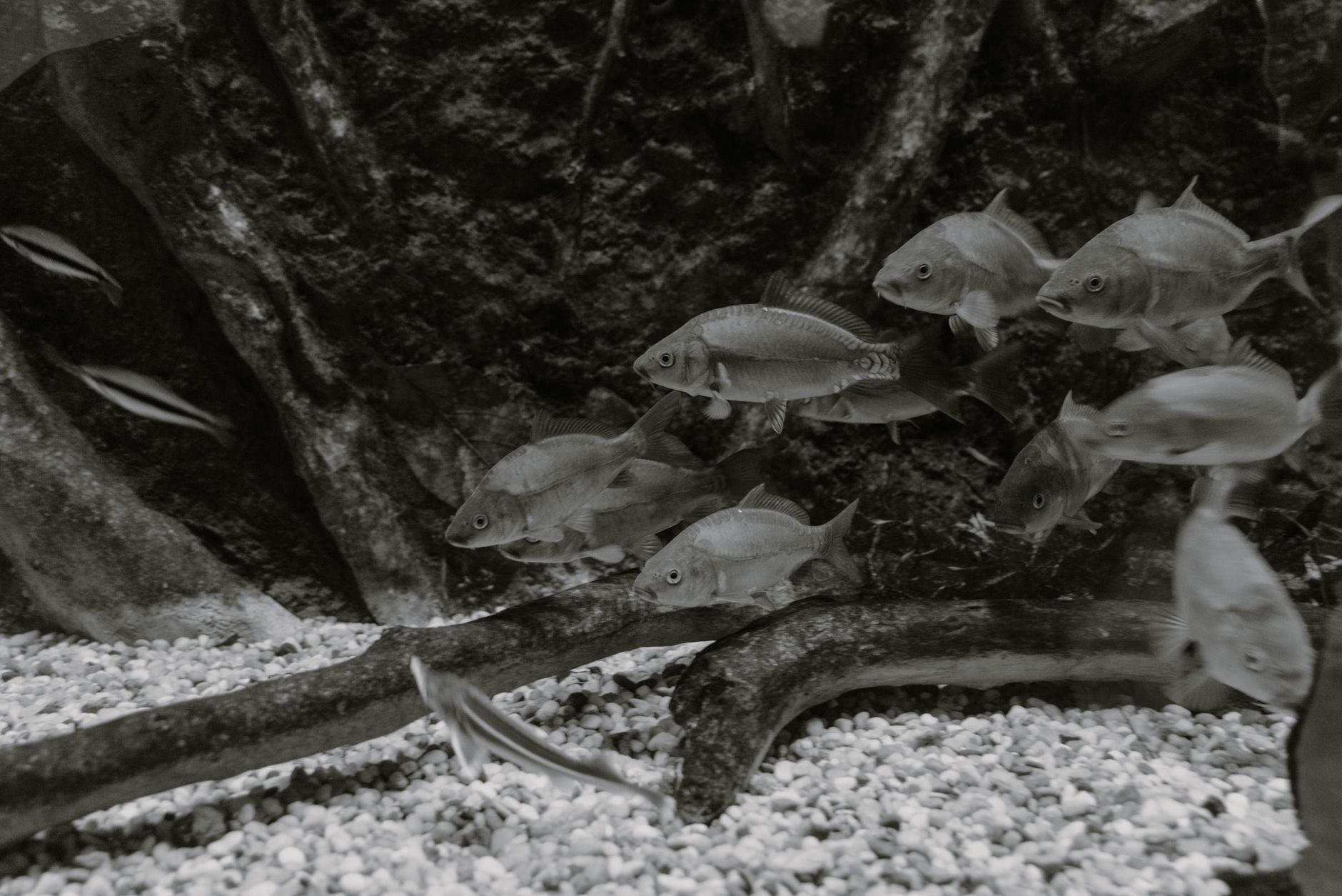
The Importance of Gravel Vacuuming: A Foundation for Aquarium Health
Maintaining a thriving aquarium requires more than just feeding your fish. The substrate, typically gravel, acts as a biological filter, housing beneficial bacteria. However, it also accumulates uneaten food, fish waste, decaying plant matter, and other debris. This build-up can lead to a host of problems, making regular gravel vacuuming a vital part of aquarium maintenance. Understanding the “why” behind this task makes it more likely you’ll keep up with it.

How do you buff aquarium glass?
What is the GREY African clawed frog?
Is distilled water good for goldfish?
What colours are fish most attracted to?
Benefits of Vacuuming Aquarium Gravel
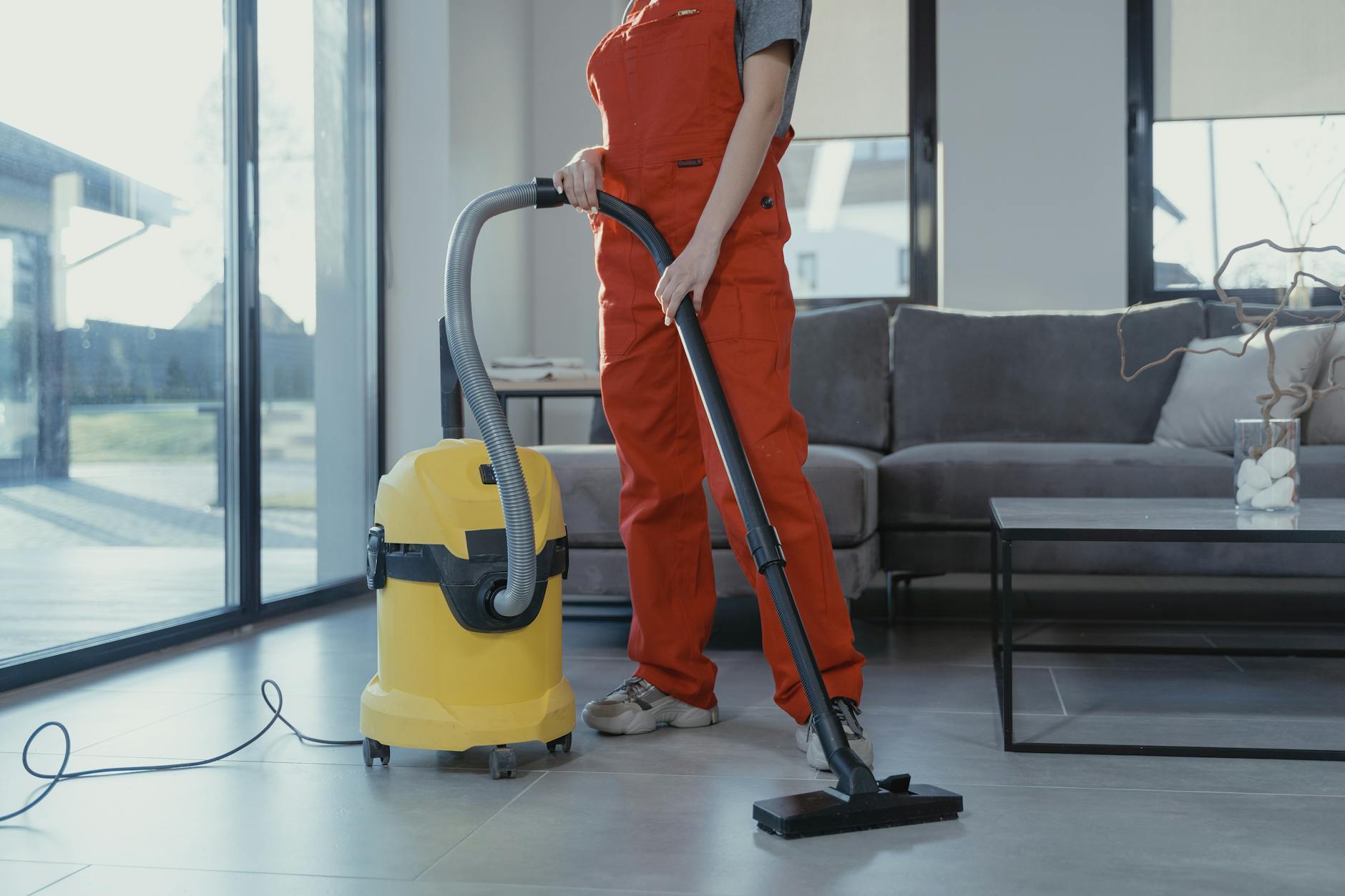
The benefits of regular gravel vacuuming are numerous and contribute significantly to the overall health and longevity of your aquarium inhabitants:
- Reduces Toxic Build-Up: Decaying organic matter releases ammonia, nitrites, and nitrates, all toxic to fish. Vacuuming removes the source of these toxins, preventing dangerous spikes in water parameters.
- Improves Water Quality: Removing debris improves water clarity and reduces the overall bioload, leading to healthier water conditions.
- Prevents Algae Blooms: Excess nutrients from decaying matter fuel algae growth. Vacuuming helps control nutrient levels, reducing the likelihood of unsightly algae blooms.
- Maintains Substrate Health: Excessive anaerobic decomposition (decomposition without oxygen) in the substrate can create harmful gas pockets, which can be disturbed and released into the water column, harming your fish. Vacuuming helps aerate the gravel bed, preventing this.
- Promotes Fish Health: Cleaner water and reduced toxins directly contribute to the health and well-being of your fish, reducing stress and susceptibility to disease.
The Gravel Vacuuming Process: A Step-by-Step Guide
Vacuuming your aquarium gravel is a straightforward process, but it’s important to do it correctly to avoid stressing your fish and disrupting the tank’s ecosystem.
- Gather Your Supplies: You’ll need a gravel vacuum (also known as a siphon), a bucket, and dechlorinated water for topping off the tank.
- Prepare the Siphon: Place one end of the siphon into the aquarium and the other end into the bucket, positioning the bucket lower than the tank.
- Start the Siphon: You can usually start the siphon by shaking the gravel vacuum up and down in the tank until water starts flowing into the bucket. Some models have a hand pump.
- Vacuum the Gravel: Gently push the open end of the siphon into the gravel. The suction will lift the gravel, separating debris. Hold the siphon just above the gravel to allow the gravel to fall back down while the debris is sucked up into the bucket.
- Work Systematically: Move the siphon methodically across the entire gravel bed, overlapping each area to ensure thorough cleaning.
- Avoid Disturbing Plants: Be careful not to damage or uproot plants while vacuuming around them.
- Water Change: As you vacuum, you’ll be removing water from the aquarium. This is your water change! Don’t remove more than 25-50% of the water at a time to avoid stressing your fish.
- Refill the Tank: Refill the aquarium with dechlorinated water of the same temperature as the existing water.
Common Mistakes to Avoid When Vacuuming Aquarium Gravel
While the process is simple, certain mistakes can negate the benefits of gravel vacuuming or even harm your aquarium:
- Vacuuming Too Deeply: Avoid pushing the siphon too far into the gravel bed, as this can disturb beneficial bacteria colonies.
- Vacuuming Too Frequently: Over-vacuuming can remove too many beneficial bacteria and disrupt the biological filter.
- Vacuuming Too Infrequently: Letting debris accumulate for extended periods can lead to significant water quality issues.
- Not Using Dechlorinated Water: Using tap water without removing chlorine and chloramine can kill beneficial bacteria and harm your fish.
- Vacuuming After Treating with Medications: Some medications can be absorbed by the gravel. Avoid vacuuming immediately after treating the tank with these medications, as you may remove the medication before it has had a chance to work.
- Removing too much water: Changing excessive amounts of water can be damaging.
Vacuuming Sand Substrate
Sand substrates require a slightly different approach. Instead of pushing the siphon into the sand, hover it just above the surface to suck up debris without disturbing the sand itself. Agitating the sand too much can release trapped gases and cloud the water. The same frequency and water change principles apply.
Alternative Substrates
Some aquarists choose substrates other than gravel, such as aquarium soil. These may require a different cleaning technique; always check the manufacturer’s recommendations. Ultimately, determining whether or not is vacuuming aquarium gravel necessary depends on the type of substrate you utilize.
Understanding Biofilm
Biofilm is a thin layer of microorganisms that forms on surfaces in the aquarium, including gravel. It’s a natural part of the ecosystem and, in small amounts, is beneficial as a food source for some fish and invertebrates. However, excessive biofilm build-up can contribute to water quality issues, making regular gravel vacuuming essential to keep it in check.
Frequently Asked Questions
How often should I vacuum my aquarium gravel?
The frequency of gravel vacuuming depends on factors like tank size, fish load, and feeding habits. Generally, vacuuming once every 1-2 weeks is a good starting point. Monitor your water parameters and adjust the frequency as needed.
How much water should I change during a gravel vacuuming session?
A 25-50% water change is typically recommended during gravel vacuuming. Avoid changing more than 50% of the water at once to prevent shocking your fish and disrupting the biological filter.
Can I vacuum all the gravel in my aquarium at once?
No, never vacuum all the gravel at once. This will remove too many beneficial bacteria and disrupt the biological filter, leading to a potential ammonia spike. Vacuum only a portion of the gravel during each cleaning session.
Is it okay to leave some debris in the gravel?
Leaving some debris in the gravel is generally acceptable, as the beneficial bacteria will help break it down. However, excessive build-up should be removed to prevent water quality issues. A good rule of thumb is if you can visibly see a lot of debris, it should be removed.
Does vacuuming gravel remove beneficial bacteria?
Yes, vacuuming gravel removes some beneficial bacteria. However, the majority of these bacteria reside in the filter and on other surfaces in the aquarium. Regular vacuuming helps maintain a healthy balance by removing excess waste and preventing the build-up of harmful toxins.
Can I use a regular household vacuum to clean aquarium gravel?
No, do not use a regular household vacuum to clean aquarium gravel. These vacuums are not designed for underwater use and can release harmful chemicals into the water. Always use a gravel vacuum specifically designed for aquariums.
Do I need to remove my fish from the tank before vacuuming?
Removing fish isn’t necessary for gravel vacuuming, unless the fish are particularly sensitive or become overly stressed during the process. Work carefully and avoid disturbing them as much as possible.
Can I vacuum the gravel when my fish are sick?
Yes, vacuuming the gravel is generally safe when your fish are sick, and it can even help improve their environment. However, avoid vacuuming immediately after treating the tank with medications, as you may remove the medication before it has had a chance to work.
How do I clean gravel in a planted aquarium?
When cleaning gravel in a planted aquarium, be extra careful not to damage or uproot your plants. Use the gravel vacuum to gently clean around the plants, avoiding excessive suction.
What if my aquarium gravel is heavily soiled?
If your aquarium gravel is heavily soiled, you may need to perform multiple vacuuming sessions over several days, removing only a portion of the waste each time. Avoid removing too much waste at once, as this can disrupt the biological filter.
Are there any alternatives to vacuuming aquarium gravel?
While gravel vacuuming is the most effective way to clean aquarium gravel, some aquarists use detritus worms or other invertebrates to help break down waste. However, these creatures are not a substitute for regular vacuuming, especially in heavily stocked tanks.
What does “cycling” a tank mean, and how does it relate to vacuuming gravel?
“Cycling” a tank refers to establishing a healthy colony of beneficial bacteria that break down harmful ammonia and nitrites. Vacuuming gravel too aggressively during the cycling process can remove too many beneficial bacteria and stall the cycle. Therefore, it’s best to avoid vacuuming the gravel extensively during the initial cycling period.