

Is Soil the Same as Substrate in Aquarium?
The answer is a resounding no. While both soil and substrate can serve as the foundation for an aquarium, their composition, purpose, and effects on the aquarium ecosystem are significantly different.

Understanding Aquarium Substrate
Aquarium substrate forms the bottom layer of your tank, playing a crucial role beyond just aesthetics. It anchors plants, provides a surface for beneficial bacteria to colonize, and can influence water chemistry. The choice of substrate greatly impacts the overall health and stability of your aquarium.

How do you buff aquarium glass?
What is the GREY African clawed frog?
Is distilled water good for goldfish?
What colours are fish most attracted to?
The Role of Soil
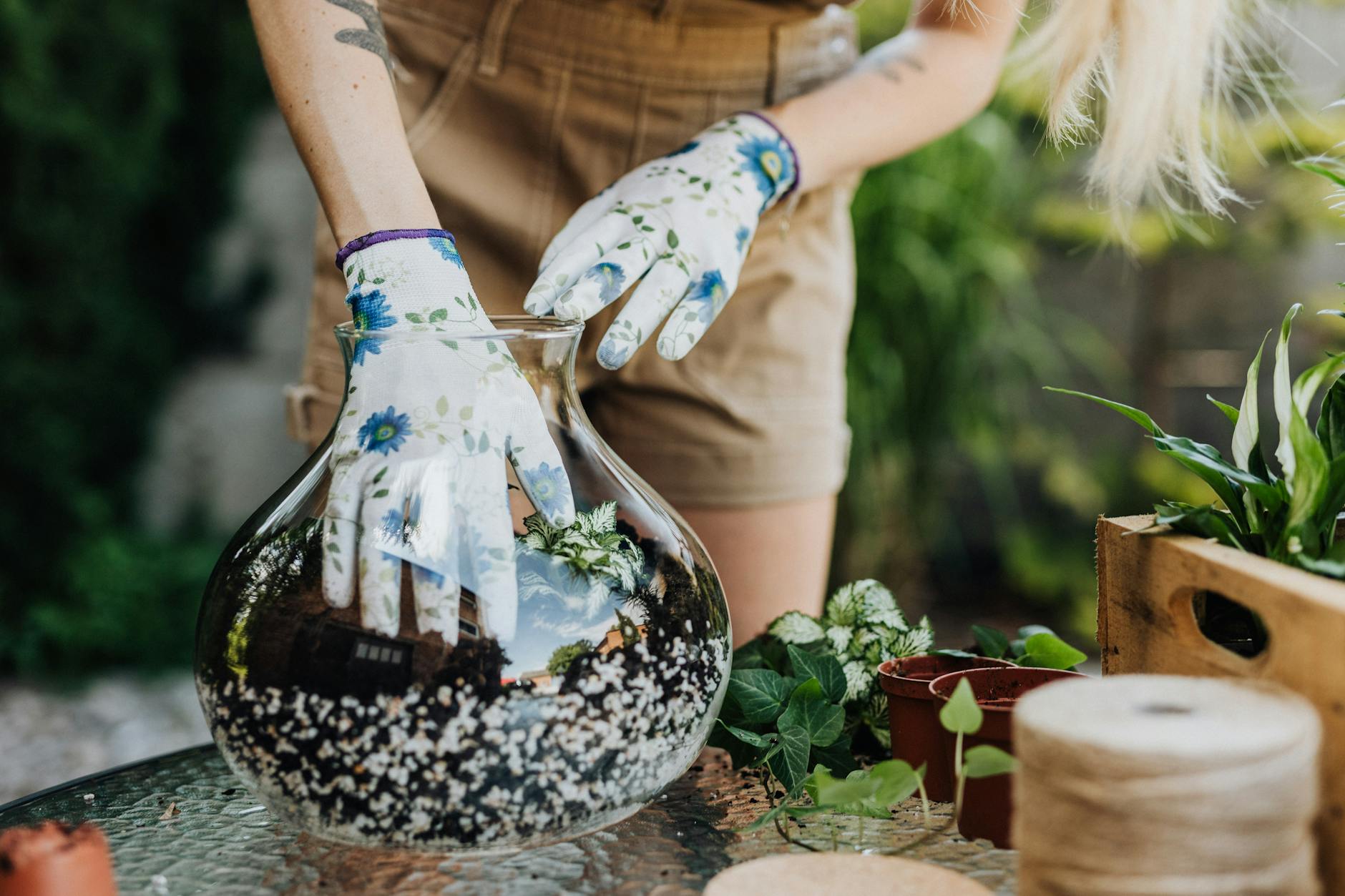
In the context of aquariums, “soil” often refers to aquatic soil or planted tank substrate. This is specifically designed for aquariums and differs significantly from garden soil. These specialized soils are nutrient-rich and formulated to release nutrients slowly without causing harmful ammonia spikes. However, using regular garden soil is generally discouraged as it can introduce unwanted chemicals, pests, and organic matter, leading to disastrous water quality issues.
Types of Aquarium Substrate
There’s a wide variety of aquarium substrates available, each with its own pros and cons:
- Gravel: An inexpensive and readily available option. It provides good surface area for bacteria but offers minimal nutrients for plants.
- Sand: Creates a natural-looking environment and is suitable for bottom-dwelling fish. Requires regular cleaning to prevent anaerobic pockets from forming.
- Aquarium Soil: Specifically formulated for planted tanks. Releases nutrients slowly and can lower pH. Requires proper capping to prevent clouding.
- Laterite: A clay-based substrate rich in iron. Excellent for promoting root growth in plants.
- Specialty Substrates: These include products like Flourite, Eco-Complete, and Controsoil, which are engineered for optimal plant growth and water parameters.
Benefits of Using Appropriate Substrate
Choosing the correct substrate offers numerous benefits:
- Plant Growth: Provides essential nutrients for healthy plant growth and vibrant colors.
- Biological Filtration: Offers a large surface area for beneficial bacteria to thrive, which are vital for maintaining water quality by converting harmful ammonia and nitrites into less toxic nitrates.
- Water Chemistry: Some substrates can buffer pH, helping to maintain stable water conditions.
- Aesthetics: Enhances the visual appeal of the aquarium, creating a more natural and pleasing environment.
- Fish Health: Provides a suitable habitat for bottom-dwelling fish and invertebrates.
How to Choose the Right Substrate
Consider these factors when selecting your aquarium substrate:
- Type of Aquarium: Planted, fish-only, or reef tank? Each type has different substrate requirements.
- Plant Species: Some plants require nutrient-rich substrates, while others thrive in inert substrates.
- Fish Species: Consider the burrowing habits and pH preferences of your fish.
- Water Parameters: Choose a substrate that helps maintain stable water parameters, such as pH and KH.
- Budget: Substrates range in price, so consider your budget when making your selection.
Common Mistakes to Avoid
Avoid these common pitfalls when dealing with aquarium substrate:
- Using Garden Soil: This is almost always a bad idea and can lead to significant water quality problems.
- Not Rinsing Substrate: Always rinse new substrate thoroughly before adding it to the aquarium to remove dust and debris.
- Over-Fertilizing: Too much fertilizer can lead to algae blooms. Start with a small amount and increase as needed.
- Ignoring Anaerobic Pockets: Prevent the formation of anaerobic pockets by regularly stirring the substrate or using Malaysian trumpet snails.
- Using the Wrong Substrate for Your Plants: Research the specific needs of your plants to choose the most suitable substrate.
Substrate Layering Techniques
Layering different types of substrate can optimize plant growth and water quality. A common method involves placing a nutrient-rich base layer (like aquatic soil) underneath a layer of inert substrate (like gravel or sand). This prevents the soil from clouding the water while still providing nutrients to plant roots.
| Layer | Material | Purpose |
|---|---|---|
| Top Layer | Gravel/Sand | Cap nutrient-rich layer, prevent clouding |
| Base Layer | Aquatic Soil | Provide nutrients for plant roots |
| Optional | Laterite/Clay | Add iron and trace elements |
Replacing or Refreshing Substrate
Over time, substrate can become compacted and lose its nutrient content. Regularly gravel vacuuming during water changes helps remove debris and prevents the buildup of harmful substances. In established tanks, carefully consider the disturbance to beneficial bacteria when fully replacing substrate. It is often better to do partial replacements gradually over time.
Frequently Asked Questions (FAQs)
Can I use topsoil from my garden in my aquarium?
Absolutely not. Garden topsoil contains organic matter, fertilizers, and other substances that can decompose and release harmful chemicals into your aquarium water, leading to ammonia spikes, algae blooms, and potentially harming or killing your fish and plants.
Is it necessary to use substrate in a fish-only aquarium?
While not strictly necessary, substrate is highly recommended even in fish-only tanks. It provides a surface for beneficial bacteria to colonize, contributing to the nitrogen cycle and improving water quality. Additionally, it offers a more natural environment for your fish.
How often should I clean my aquarium substrate?
You should clean your aquarium substrate during regular water changes, typically every one to two weeks. Use a gravel vacuum to remove debris and uneaten food from the substrate surface.
What is the best substrate for beginner planted tanks?
For beginners, inert substrates like gravel or sand are a good starting point. They are easy to maintain and won’t drastically alter water parameters. You can supplement with root tabs or liquid fertilizers to provide nutrients for plants.
Can I mix different types of substrate in my aquarium?
Yes, you can mix different types of substrate. This can be beneficial for creating different zones in your aquarium. For example, you might use sand in the foreground and gravel in the background. Layering is another common method.
Does substrate affect the pH of my aquarium water?
Some substrates, like aquatic soil and aragonite, can affect the pH of your aquarium water. Aquatic soil typically lowers pH, while aragonite raises it. Choose a substrate that helps maintain the desired pH range for your fish and plants.
How much substrate should I put in my aquarium?
The amount of substrate depends on your tank size and the needs of your plants. A general guideline is to use 1-3 inches of substrate. Planted tanks often benefit from a deeper substrate layer.
What is the difference between gravel and sand substrate?
Gravel has larger particles than sand, allowing for better water circulation and preventing compaction. Sand provides a more natural look and is suitable for burrowing fish. However, sand can become compacted and lead to anaerobic pockets if not properly maintained.
Are root tabs necessary if I use aquarium soil?
While aquarium soil provides nutrients, root tabs can still be beneficial, especially for heavy root feeders. They provide a concentrated dose of nutrients directly to the roots of your plants.
How do I prevent anaerobic pockets in my substrate?
Regularly stir your substrate during water changes to release trapped gases. You can also use Malaysian trumpet snails, which burrow through the substrate and prevent compaction. Adequate water circulation also helps.
How long does aquarium substrate last before it needs to be replaced?
The lifespan of aquarium substrate varies depending on the type and maintenance. Inert substrates like gravel and sand can last for several years with proper cleaning. Nutrient-rich substrates like aquarium soil may need to be replaced or supplemented with fertilizers after 1-2 years.
Is black aquarium substrate better than other colors?
The color of the substrate is primarily an aesthetic choice. Black substrate can enhance the colors of your fish and plants and create a more dramatic look. However, it does not necessarily offer any functional advantages over other colors.