
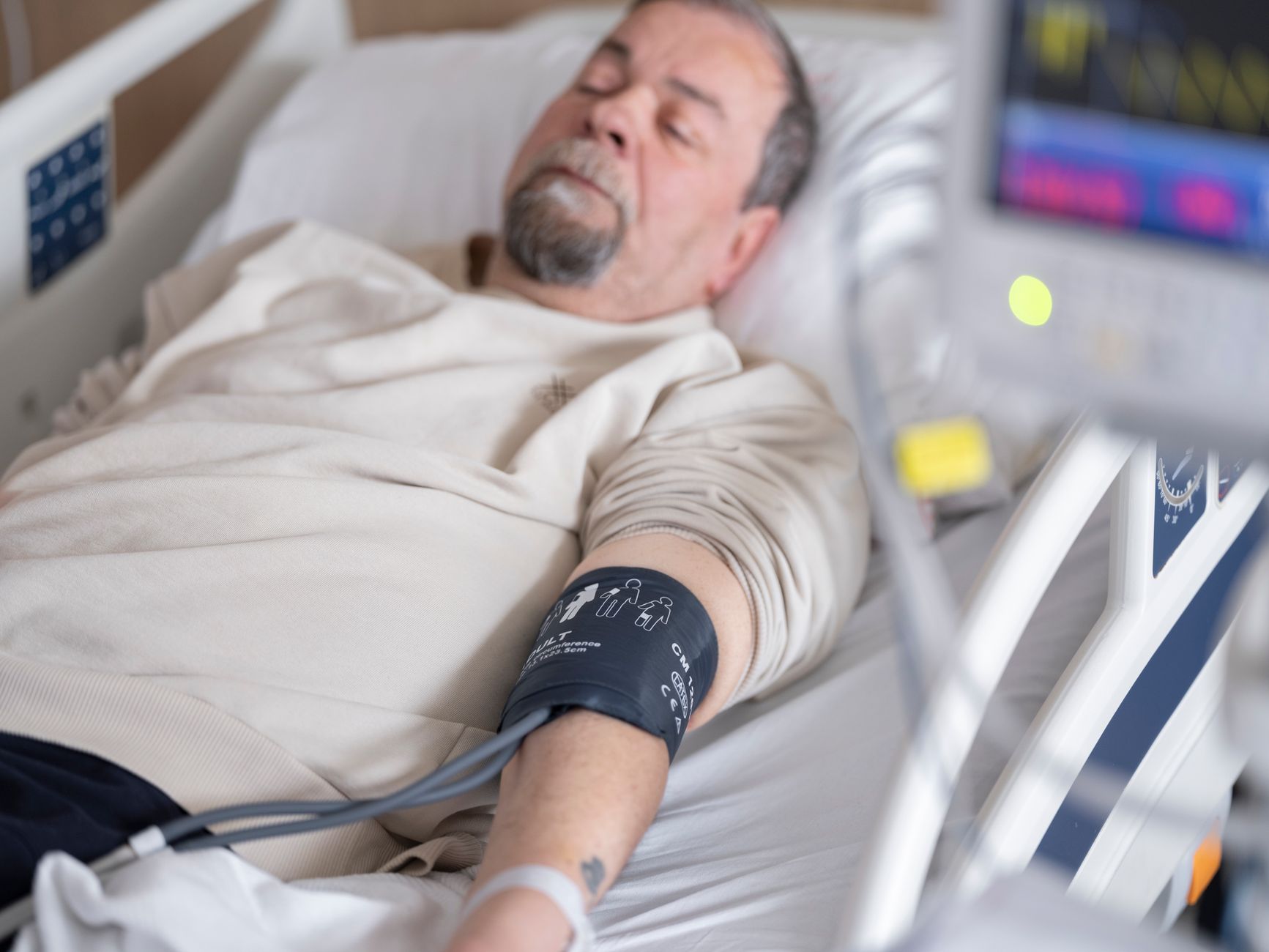
Is Sleep Good for Stroke Recovery? The Undeniable Link
Yes, sleep is fundamentally beneficial for stroke recovery. Optimizing sleep quality and duration significantly enhances neuroplasticity, cognitive function, and overall rehabilitation outcomes following a stroke.

The Crucial Role of Sleep After Stroke
Stroke, a devastating neurological event, often leaves individuals with physical and cognitive impairments. While rehabilitation therapies are vital, the often-overlooked aspect of sleep plays a pivotal role in the recovery process. In fact, answering the question “Is sleep good for stroke recovery?” with a resounding yes is scientifically accurate. Good sleep isn’t merely rest; it’s a period of active brain repair and consolidation.
Understanding Neuroplasticity and Sleep
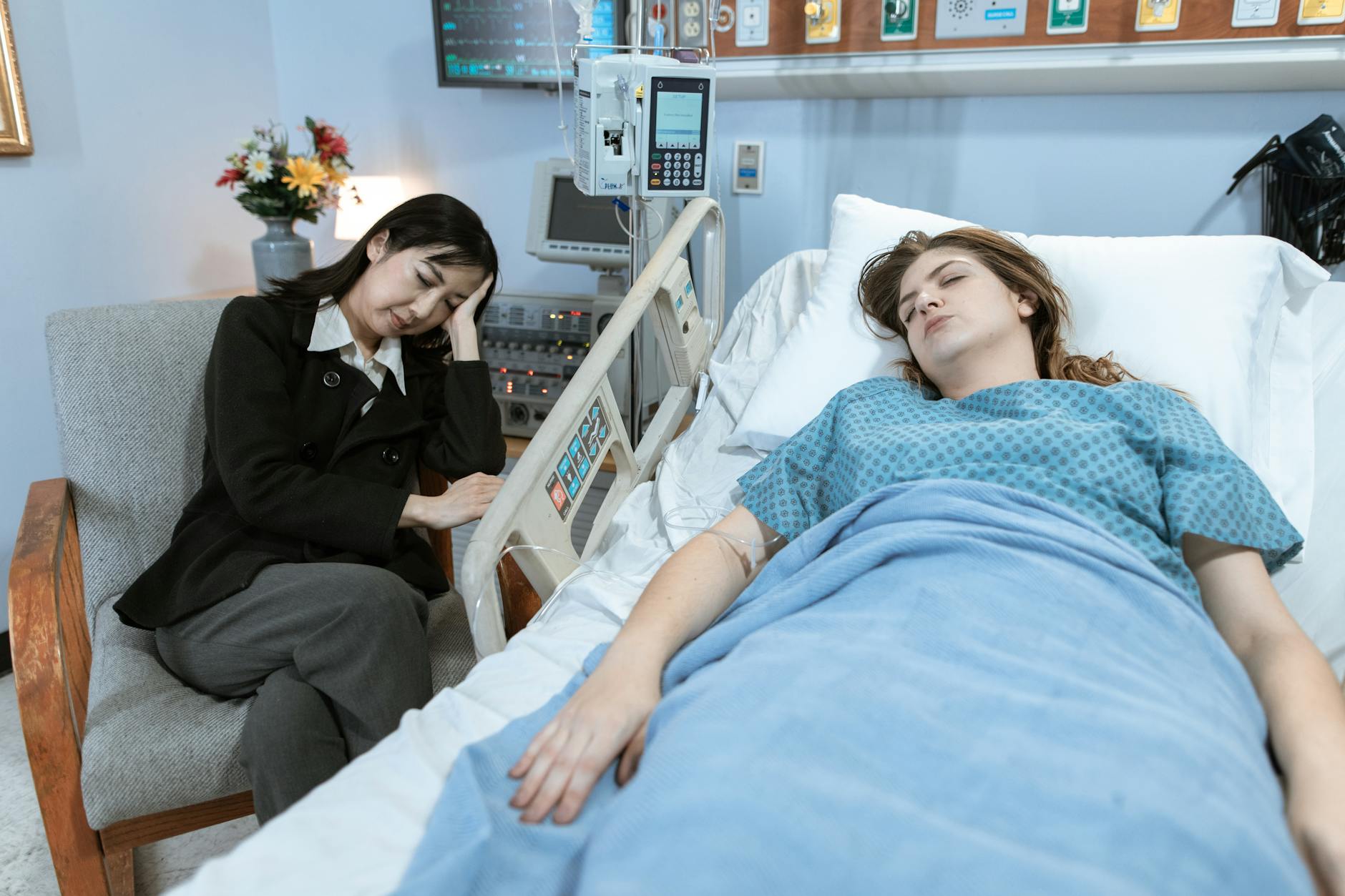
Neuroplasticity, the brain’s ability to reorganize itself by forming new neural connections, is the cornerstone of stroke recovery. Sleep, particularly slow-wave sleep (SWS) and REM sleep, facilitates this process. During SWS, the brain replays learned information, strengthening synaptic connections and consolidating memories. REM sleep further enhances learning and emotional processing. Without adequate sleep, neuroplasticity is significantly impaired, hindering the recovery of motor skills, language, and cognitive function.
Benefits of Adequate Sleep for Stroke Survivors
The advantages of prioritizing sleep post-stroke extend far beyond mere rest. Here’s a breakdown of key benefits:
- Enhanced Cognitive Function: Improved memory, attention, and executive function.
- Motor Skill Recovery: Better coordination and control due to improved neural pathways.
- Mood Regulation: Reduced depression and anxiety, common after stroke.
- Reduced Fatigue: Improved energy levels and overall quality of life.
- Immune System Support: Strengthened immune response, minimizing the risk of complications.
- Faster Healing: Accelerated tissue repair and overall recovery timeline.
The Sleep-Stroke Connection: A Vicious Cycle
Unfortunately, stroke often disrupts sleep patterns, creating a vicious cycle. Damage to brain regions involved in sleep regulation, pain, emotional distress, and medications can all contribute to sleep disturbances such as insomnia, sleep apnea, and restless legs syndrome.
This sleep deprivation then exacerbates stroke-related impairments, further hindering recovery. Addressing these sleep disorders is crucial for optimizing rehabilitation outcomes.
Common Sleep Disturbances After Stroke
Recognizing and addressing specific sleep disturbances is paramount for effective intervention. Some common issues include:
- Insomnia: Difficulty falling or staying asleep.
- Sleep Apnea: Interrupted breathing during sleep.
- Restless Legs Syndrome (RLS): An irresistible urge to move the legs, especially at night.
- Central Sleep Apnea: Breathing stops because the brain doesn’t send proper signals to the muscles that control breathing.
- Nocturia: Frequent urination at night.
- Pain-Related Sleep Disruption: Pain interferes with sleep onset and maintenance.
Strategies to Improve Sleep After Stroke
Improving sleep quality after a stroke requires a multi-faceted approach.
- Establish a Regular Sleep Schedule: Go to bed and wake up at the same time each day, even on weekends.
- Create a Relaxing Bedtime Routine: Engage in calming activities like reading, taking a warm bath, or listening to soothing music.
- Optimize the Sleep Environment: Ensure a dark, quiet, and cool bedroom.
- Limit Caffeine and Alcohol Consumption: Avoid these substances, especially in the evening.
- Regular Exercise: Engage in regular physical activity, but avoid strenuous exercise close to bedtime.
- Cognitive Behavioral Therapy for Insomnia (CBT-I): A structured therapy that helps individuals identify and change negative thoughts and behaviors related to sleep.
- Treat Underlying Medical Conditions: Address pain, depression, or other conditions that may be interfering with sleep.
- Consult with a Sleep Specialist: Seek professional help to diagnose and treat sleep disorders such as sleep apnea.
The Role of Technology in Sleep Monitoring
Wearable devices and smartphone apps can track sleep patterns, providing valuable data for healthcare providers. These tools can monitor sleep duration, sleep stages, and heart rate variability, helping to identify potential sleep disturbances and track the effectiveness of interventions. However, it’s essential to remember that these devices are not always completely accurate and should be used in conjunction with professional medical advice.
Common Mistakes to Avoid
Several common mistakes can sabotage sleep after a stroke:
- Ignoring Sleep Problems: Dismissing sleep disturbances as unimportant.
- Excessive Napping: Long or frequent naps during the day can disrupt nighttime sleep.
- Using Electronics Before Bed: The blue light emitted from screens can interfere with melatonin production.
- Relying on Sleep Aids: While sleep aids can be helpful in the short term, long-term use can lead to dependence and other side effects.
- Inconsistent Sleep Schedule: Erratic sleep patterns can disrupt the body’s natural sleep-wake cycle.
| Mistake | Consequence | Solution |
|---|---|---|
| Ignoring Sleep Disturbances | Impaired recovery, reduced quality of life | Seek medical evaluation and treatment for sleep disorders. |
| Excessive Napping | Disrupted nighttime sleep, decreased sleep quality | Limit naps to 30 minutes and avoid napping late in the afternoon. |
| Using Electronics Before Bed | Suppression of melatonin production, difficulty falling asleep | Avoid screens for at least an hour before bed. |
| Over-Reliance on Sleep Aids | Potential dependence, side effects | Explore non-pharmacological options and consult with a healthcare provider. |
| Inconsistent Sleep Schedule | Disrupted circadian rhythm, difficulty regulating sleep-wake cycle | Maintain a consistent sleep schedule, even on weekends. |
The Future of Sleep Research in Stroke Recovery
Ongoing research continues to explore the intricate relationship between sleep and stroke recovery. Studies are investigating the effects of specific sleep interventions, such as targeted memory reactivation and transcranial magnetic stimulation, on neuroplasticity and functional outcomes. Future research may also focus on developing personalized sleep therapies tailored to individual patient needs. Understanding the nuances of the sleep-stroke connection will undoubtedly lead to more effective rehabilitation strategies.

Frequently Asked Questions (FAQs)
Is sleep apnea common after stroke?
Yes, sleep apnea is significantly more prevalent in stroke survivors compared to the general population. This is due to various factors, including damage to brain regions controlling breathing and muscle weakness in the upper airway. Untreated sleep apnea can worsen stroke-related complications, emphasizing the importance of screening and treatment.
How does stroke affect circadian rhythm?
Stroke can disrupt the circadian rhythm, the body’s internal clock that regulates sleep-wake cycles. This disruption can lead to irregular sleep patterns, daytime sleepiness, and increased fatigue. Maintaining a consistent sleep schedule and exposure to natural light can help to re-establish a healthy circadian rhythm.
Can medications prescribed after a stroke affect sleep?
Absolutely. Many medications commonly prescribed after a stroke, such as antidepressants, antihypertensives, and pain relievers, can have side effects that interfere with sleep. It’s essential to discuss any sleep disturbances with your doctor to determine if medication adjustments are necessary.
What is the best sleeping position after a stroke?
The best sleeping position after a stroke depends on individual needs and physical limitations. Some individuals may find it more comfortable to sleep on their side, while others may prefer sleeping on their back. It’s important to consult with a physical therapist or occupational therapist to determine the most appropriate and safe sleeping position.
How can caregivers help stroke survivors improve their sleep?
Caregivers play a crucial role in supporting stroke survivors’ sleep. They can help to establish a consistent sleep routine, create a relaxing bedtime environment, and monitor for signs of sleep disturbances. They can also encourage the individual to seek professional help if sleep problems persist.
Is it normal to experience nightmares after a stroke?
Yes, some stroke survivors experience nightmares or vivid dreams. This may be related to emotional distress, medications, or changes in brain function. If nightmares are frequent or disturbing, cognitive behavioral therapy or medication may be helpful.
Can sleep deprivation worsen stroke symptoms?
Definitely. Sleep deprivation can exacerbate stroke-related impairments, such as cognitive deficits, motor weakness, and mood disorders. Prioritizing sleep is essential for optimizing recovery and minimizing the impact of stroke symptoms.
What are some non-pharmacological treatments for insomnia after a stroke?
Cognitive Behavioral Therapy for Insomnia (CBT-I) is a highly effective non-pharmacological treatment for insomnia. Other options include relaxation techniques, sleep hygiene education, and stimulus control therapy.
How long does it take to re-establish normal sleep patterns after a stroke?
The time it takes to re-establish normal sleep patterns varies depending on the severity of the stroke and individual factors. Some individuals may experience improvement within a few weeks, while others may require several months of consistent effort and treatment.
Is there a link between stroke and restless legs syndrome?
Yes, there is evidence suggesting a link between stroke and restless legs syndrome (RLS). Stroke can damage brain regions involved in dopamine regulation, which may contribute to the development of RLS. Treatment for RLS may include medication and lifestyle modifications.
What should I do if I suspect I have sleep apnea after a stroke?
If you suspect you have sleep apnea after a stroke, it is crucial to consult with a healthcare professional for diagnosis and treatment. A sleep study can confirm the diagnosis, and treatment options may include continuous positive airway pressure (CPAP) therapy or oral appliances.
What are the long-term implications of poor sleep after a stroke?
Long-term poor sleep after a stroke can have significant implications for overall health and well-being. It can increase the risk of depression, cardiovascular disease, and cognitive decline, ultimately hindering long-term recovery and quality of life.