
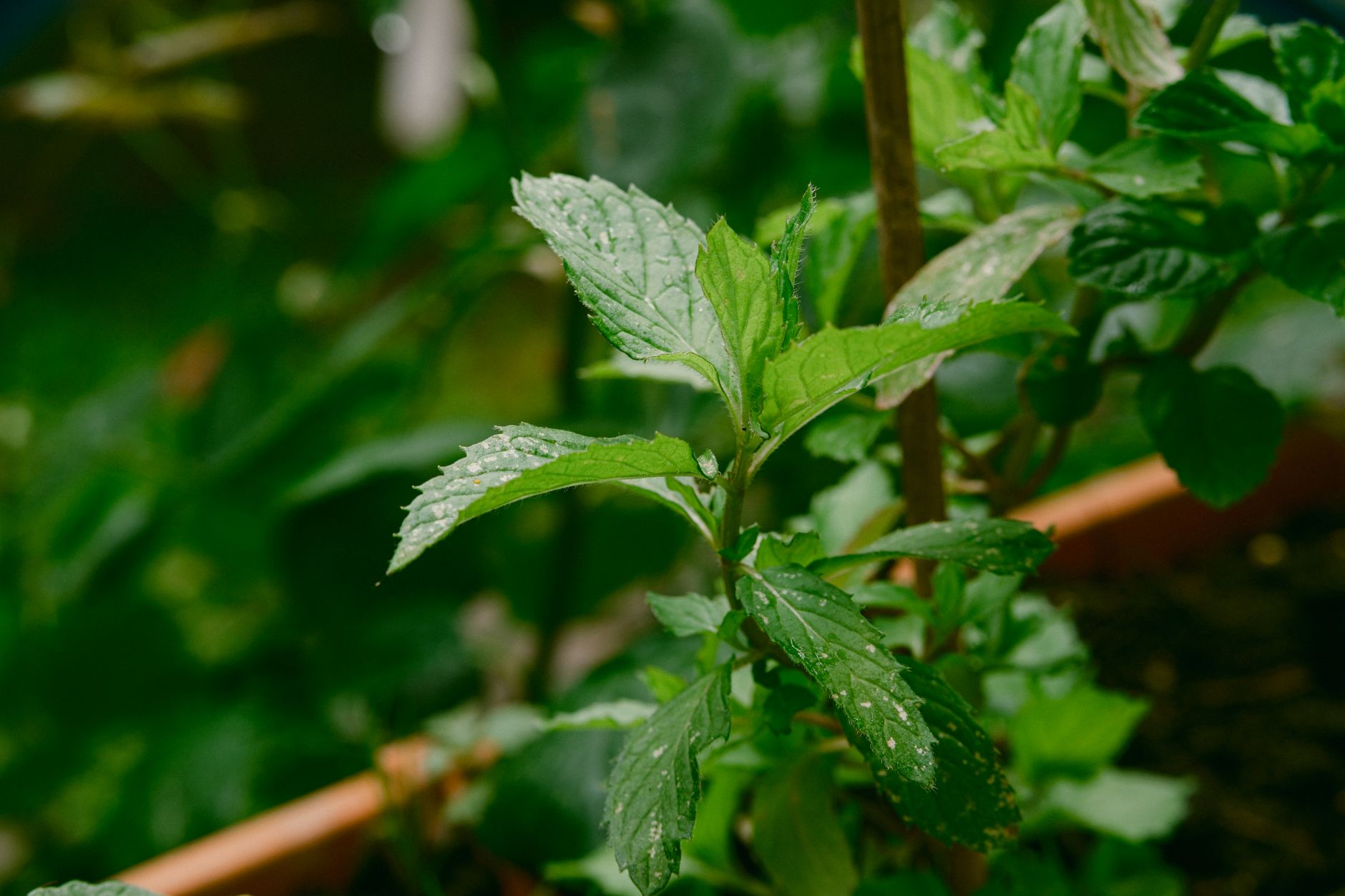
Do Mint Plants Keep Deer Away? Exploring the Repellent Myth
No, definitively, mint plants alone are not a reliable method for keeping deer away. While their strong scent may deter deer in some instances, it’s not a foolproof solution, and more comprehensive deer-repellent strategies are necessary for effective protection.

The Allure (and Limits) of Aromatic Plants
For centuries, gardeners have sought natural solutions to pest problems, and the idea that certain plants can repel deer has become deeply ingrained. Mint, with its pungent aroma, is a frequent contender in this discussion. But do mint plants keep deer away in any meaningful way? The answer is more nuanced than a simple yes or no.
Why Mint is Thought to Repel Deer

The theory behind using mint as a deer repellent stems from its strong scent. Deer rely heavily on their sense of smell to locate food and identify potential threats. The intense aroma of mint, particularly varieties like peppermint and spearmint, is believed to overwhelm or irritate their olfactory senses, making the area less appealing.
- Strong Scent Masking: Mint’s aroma can mask the scent of more palatable plants, making it harder for deer to find them.
- Irritation and Discomfort: The pungent oils in mint might cause slight irritation to a deer’s nose and mouth, discouraging them from browsing.
- Associative Learning: If deer have a negative experience near mint (perhaps alongside other deterrents), they may learn to avoid the area.
The Reality of Deer Behavior: A Hunger-Driven Force
While the above points are plausible, it’s critical to understand deer behavior. Deer are primarily driven by hunger, especially during certain times of the year. When food is scarce, they become less discriminating and more willing to tolerate unpleasant smells or tastes in their quest for sustenance. Do mint plants keep deer away when they’re starving? Unlikely.
- Adaptation: Deer can become accustomed to certain scents over time, rendering them less effective as repellents.
- Variety Preferences: Deer have individual preferences. Some deer may dislike mint, while others might tolerate or even nibble on it.
- Desperation Measures: During winter or periods of drought, deer are more likely to eat whatever is available, including plants they would normally avoid.
Mint: An Element of a Larger Strategy
Instead of relying solely on mint, consider it as one component of a broader deer-management plan.
- Physical Barriers: Fencing is the most effective way to exclude deer from gardens and landscapes. Options range from tall, woven-wire fences to less obtrusive deer netting.
- Commercial Repellents: A wide array of commercial deer repellents are available, containing ingredients like putrescent egg solids, capsaicin, and garlic. Rotate repellents to prevent deer from becoming accustomed to any one scent.
- Plant Selection: Choose plants that deer find less palatable. These include thorny shrubs, plants with fuzzy or prickly leaves, and strongly scented herbs (in addition to mint, consider rosemary, lavender, and thyme).
Maximizing Mint’s Potential as a Deterrent
If you want to try using mint as part of your deer-repellent strategy, here are a few tips:
- Plant Strategically: Plant mint around the perimeter of your garden or near plants that deer find particularly appealing.
- Increase Potency: Crush the leaves regularly to release more of the scent. You can also make a mint-infused spray by steeping mint leaves in water and applying it to plants.
- Combine with Other Deterrents: Use mint in conjunction with fencing, commercial repellents, and other deer-resistant plants for a more comprehensive approach.
Comparing Deer Repellents
Here’s a quick comparison of different deer repellent strategies:
| Repellent Method | Effectiveness | Cost | Maintenance |
|---|---|---|---|
| Fencing | High | High | Moderate |
| Commercial Repellents | Moderate | Moderate | High (frequent reapplication) |
| Mint Plants | Low | Low | Low |
| Deer-Resistant Plants | Moderate | Low to Moderate | Moderate |

Frequently Asked Questions (FAQs)
Is peppermint better than spearmint for repelling deer?
While both peppermint and spearmint have strong scents, peppermint is generally considered more potent due to its higher menthol content. Therefore, peppermint might be slightly more effective at deterring deer, but the difference is likely minimal.
Can I make a homemade deer repellent using mint?
Yes, you can create a homemade deer repellent by steeping fresh mint leaves in hot water for several hours. Strain the liquid and spray it on plants. However, this is a temporary solution and needs to be reapplied frequently, especially after rain.
Will planting mint in pots around my garden keep deer away?
Planting mint in pots can help to concentrate the scent and make it easier to maintain. However, even with potted mint, the effectiveness is limited. It’s better to supplement this with other deterrents for reliable protection.
Does mint attract other pests besides deer?
While mint is primarily known for its potential to repel certain pests, it can attract other insects, such as aphids, spider mites, and mint beetles. Regularly inspect your mint plants and take appropriate measures to control any infestations.
How often should I replace my mint plants to maintain their repellent properties?
Mint plants can become leggy and less fragrant over time. Replace or divide your mint plants every 2-3 years to maintain their vigor and scent production.
Are there any specific types of mint that are more effective at repelling deer?
As previously mentioned, peppermint, due to its high menthol concentration, may offer a slight advantage. However, any strong-scented variety of mint can contribute to a deer-repellent strategy. Experiment with different varieties to see what works best in your area.
Can I use dried mint instead of fresh mint to repel deer?
While dried mint still retains some scent, it is less potent than fresh mint. Fresh mint leaves contain more volatile oils, which are responsible for the strong aroma. Therefore, fresh mint is the preferred option.
Does planting mint with other plants affect their growth?
Mint can be an aggressive grower and may crowd out other plants. Consider planting mint in containers or using barriers to prevent it from spreading. Some companion plants, like tomatoes and cabbage, may benefit from being planted near mint, as it can help to repel certain pests that affect these crops.
Is it harmful for deer to eat mint?
Mint is generally not considered toxic to deer, although they may not find it palatable. However, ingesting large quantities of any plant can cause digestive upset. The goal is to deter them from eating any of your garden plants, not to harm them.
Are there any legal restrictions on using mint to repel deer?
There are generally no legal restrictions on using mint plants in your garden. However, it’s always a good idea to check with your local authorities for any specific regulations regarding plant cultivation or pest control methods.
How large of an area will a single mint plant protect from deer?
A single mint plant will only protect a very small area (a few feet at best). For larger gardens, you will need to plant multiple mint plants or use other deer-repellent strategies in conjunction with mint.
Do mint plants keep deer away permanently?
No, mint plants will not keep deer away permanently. Deer can adapt to the scent over time, and their hunger will eventually override any initial aversion. Regularly refreshing the mint (by crushing the leaves) and combining it with other deterrents will improve its effectiveness, but it is not a permanent solution.