
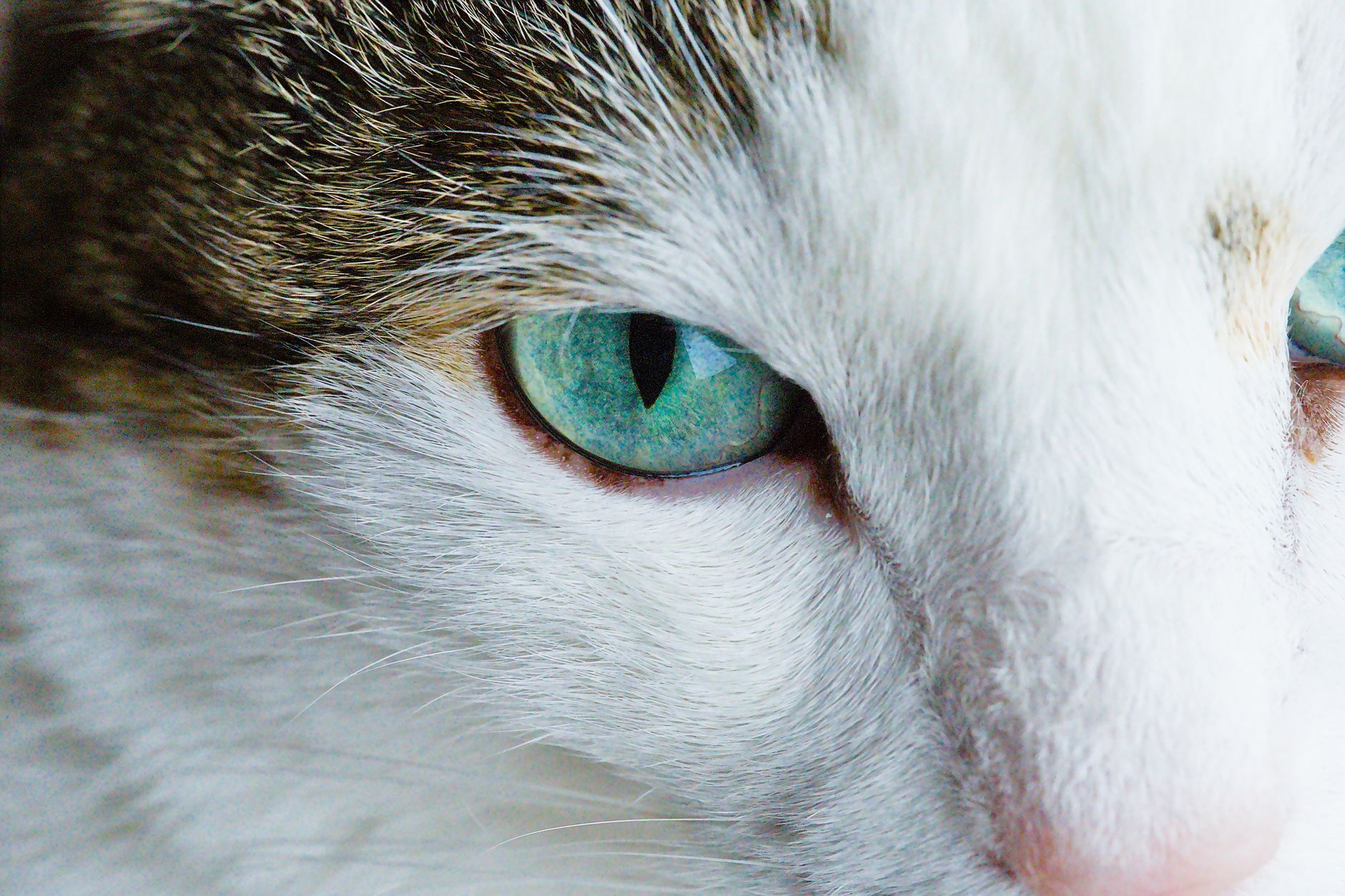
Is it Normal for Cats to Have Eye Boogers Every Day? Understanding Feline Eye Health
While a small amount of eye discharge in cats can be normal, it’s not always normal for cats to have eye boogers every day. Persistent or excessive discharge should be evaluated by a veterinarian.

Understanding Normal Feline Eye Discharge
Cats, just like humans, produce tears to keep their eyes lubricated and healthy. These tears drain through the nasolacrimal ducts, small channels that connect the eyes to the nasal passages. A tiny amount of discharge, often clear or slightly brownish, is a normal byproduct of this process. It’s similar to the “sleep” we sometimes find in our own eyes in the morning. This is usually composed of dust, dead cells, and dried tear film.
Do all amphibians have eyelids?
Why do cuttlefish have W-shaped eyes?
Do all snakes have poison in them?
What is the GREY African clawed frog?
When Eye Boogers Signal a Problem
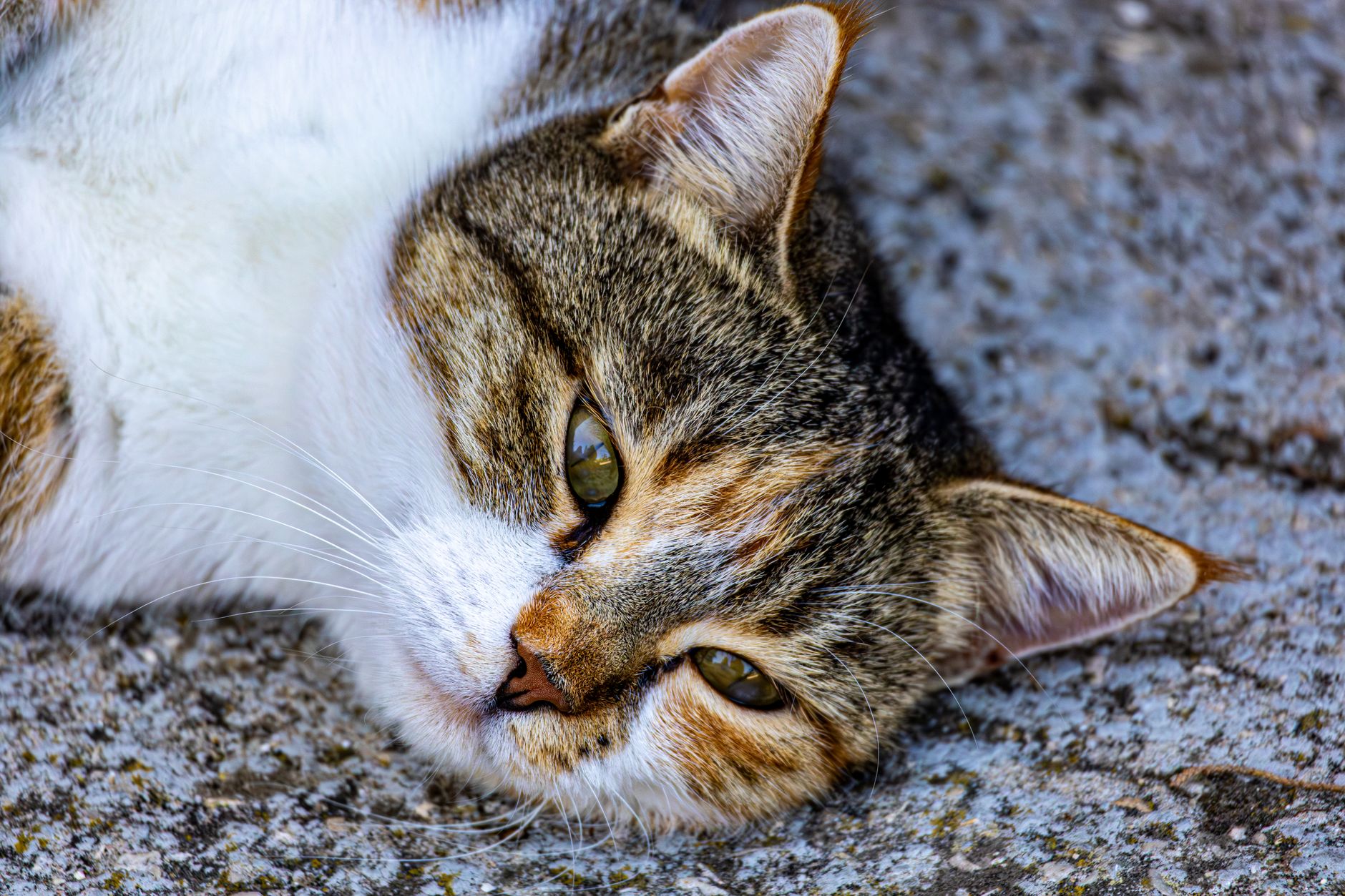
The key is to differentiate between normal, minimal discharge and abnormal, excessive discharge. Is it normal for cats to have eye boogers everyday? Not necessarily. Several factors can indicate a problem:
- Color and Consistency: Discharge that is yellow, green, or thick and pus-like is always abnormal.
- Quantity: Excessive discharge, especially if it requires frequent wiping, is a red flag.
- Associated Symptoms: Watch for other signs like squinting, redness, pawing at the eyes, sneezing, coughing, or nasal discharge. These symptoms often indicate an underlying issue.
- Changes in Behavior: If your cat is suddenly more withdrawn, less playful, or shows signs of discomfort, it could be related to eye problems.
Potential Causes of Abnormal Eye Discharge
Many conditions can cause excessive or abnormal eye discharge in cats:
- Conjunctivitis (Pinkeye): This is an inflammation of the conjunctiva, the membrane that lines the eyelids and covers the white part of the eye. Common causes include viral infections (like feline herpesvirus), bacterial infections, allergies, and irritants.
- Upper Respiratory Infections (URIs): Cat colds and URIs often cause both eye and nasal discharge.
- Corneal Ulcers: Scratches or injuries to the cornea (the clear front part of the eye) can lead to ulcers, which are often painful and cause discharge.
- Blocked Tear Ducts: Obstruction of the nasolacrimal ducts can prevent tears from draining properly, leading to a buildup of discharge.
- Foreign Bodies: Dust, debris, or other foreign objects can irritate the eye and cause discharge.
- Glaucoma: Increased pressure inside the eye can lead to pain, vision loss, and discharge.
- Entropion: A condition where the eyelid rolls inward, causing the eyelashes to rub against the eye and cause irritation and discharge.
Home Care and When to See a Vet
For mild cases of clear or slightly brownish discharge, you can gently wipe the area around your cat’s eyes with a soft, damp cloth. Avoid using soap or harsh chemicals. However, if the discharge is excessive, discolored, or accompanied by other symptoms, it’s crucial to consult a veterinarian promptly. They can diagnose the underlying cause and recommend appropriate treatment. Don’t attempt to self-treat with human eye drops or medications, as these can be harmful to cats.
Prevention is Key
While you can’t always prevent eye problems, there are steps you can take to minimize the risk:
- Vaccination: Keep your cat up-to-date on vaccinations, especially against feline herpesvirus and other common respiratory viruses.
- Environmental Control: Minimize dust, allergens, and irritants in your cat’s environment.
- Regular Checkups: Schedule regular veterinary checkups to catch potential problems early.
- Good Hygiene: Keep your cat’s litter box clean and provide a clean environment.
| Condition | Discharge Type | Other Symptoms |
|---|---|---|
| Conjunctivitis | Clear, watery, or pus-like | Redness, swelling, squinting, pawing at eyes |
| URI | Clear or colored discharge | Sneezing, coughing, nasal discharge, lethargy |
| Corneal Ulcer | Watery, sometimes bloody | Squinting, excessive tearing, sensitivity to light |
| Blocked Tear Duct | Excessive tearing, watery discharge | Overflow of tears onto face |
Frequently Asked Questions (FAQs)
Is it normal for my cat to have black crust around their eyes?
A small amount of dark crust or “eye boogers” in the inner corner of the eye can be normal, especially if it’s dry and easily wiped away. However, if it’s excessive, sticky, or accompanied by redness or other symptoms, it’s best to consult a vet to rule out any underlying issues. The color can be influenced by tear composition and environmental factors, but persistent dark discharge warrants investigation.
What does green eye discharge mean in a cat?
Green eye discharge in a cat almost always indicates an infection, likely bacterial. This could be conjunctivitis, a corneal ulcer, or another type of eye infection. Is it normal for cats to have eye boogers everyday? In this case, definitely not! Veterinary attention is needed for diagnosis and treatment with appropriate antibiotics.
Can allergies cause eye boogers in cats?
Yes, allergies can be a cause of eye discharge in cats. Allergic conjunctivitis can lead to watery or slightly mucousy discharge, along with redness and itching. This is often seasonal and can be related to pollen, dust mites, or other allergens. A vet can help identify the allergy and recommend treatment options like antihistamines or topical medications.
How can I clean my cat’s eye boogers safely?
Use a soft, damp cloth or cotton ball to gently wipe away eye discharge. Start from the inner corner of the eye and move outwards. Avoid using soap or harsh chemicals. Use a separate clean cloth for each eye to prevent the spread of infection. If the discharge is difficult to remove, consult your vet.
Can a cat’s diet affect their eye health?
Yes, a balanced diet rich in essential nutrients, particularly Vitamin A and omega-3 fatty acids, is important for overall health, including eye health. Deficiencies can contribute to eye problems. Talk to your vet about choosing a high-quality cat food or supplementing their diet if needed.
Is it normal for kittens to have more eye discharge than adult cats?
Kittens are more susceptible to eye infections and URIs, so they may experience more eye discharge than adult cats. This is because their immune systems are still developing. Any excessive or abnormal discharge in a kitten should be checked by a veterinarian promptly.
What are the signs of a corneal ulcer in a cat?
Signs of a corneal ulcer include squinting, excessive tearing, sensitivity to light, redness, and sometimes a visible cloudy spot on the cornea. The cat may also paw at their eye. Corneal ulcers are painful and require prompt veterinary treatment to prevent complications.
Can stress cause eye boogers in cats?
While stress doesn’t directly cause eye boogers, it can weaken the immune system, making cats more susceptible to infections and conditions that can lead to eye discharge, such as feline herpesvirus reactivation. Providing a safe and comfortable environment can help reduce stress levels.
How often should I be cleaning my cat’s eyes?
If your cat has normal, minimal discharge, cleaning their eyes once a day or every other day is usually sufficient. For cats with more discharge, or if your vet has recommended it, you may need to clean them more frequently. Always use a gentle approach and monitor for any signs of irritation.
Are some cat breeds more prone to eye problems than others?
Yes, some breeds, such as Persians and Himalayans with their brachycephalic (flat-faced) features, are more prone to tear duct problems and other eye issues. Other breeds may have a genetic predisposition to certain eye diseases.
What is a Schirmer Tear Test, and why might my vet perform it?
A Schirmer Tear Test measures the amount of tear production in a cat’s eye. Your vet might perform this test if they suspect dry eye (keratoconjunctivitis sicca), a condition where the eyes don’t produce enough tears. This can lead to irritation, inflammation, and discharge.
How much does it cost to treat a cat’s eye infection?
The cost of treating a cat’s eye infection can vary depending on the severity of the infection, the underlying cause, and the diagnostic tests and treatments required. A simple case of conjunctivitis might cost around $50-$150, while more complex cases requiring surgery or specialized medications could cost hundreds or even thousands of dollars. It’s always best to get an estimate from your veterinarian.