
Is It Good or Bad to Have a Submissive Dog? Understanding Canine Submission
Whether having a submissive dog is good or bad depends largely on the degree of submission and its underlying causes; while mild submissiveness can make training easier, excessive submission can indicate underlying anxiety or fear, requiring careful attention and positive reinforcement.
Understanding Canine Submission: A Balanced Perspective
Canine submission is a complex behavior, often misunderstood by owners. While some level of submission is natural within a canine social structure, recognizing the difference between healthy submission and problematic fear-based submission is crucial for responsible dog ownership. This article will explore the nuances of canine submission, examining its causes, potential benefits, and the steps owners can take to foster a happy, confident, and well-adjusted dog.

Who wins a hyena or wild dog?
What is the best turtle to have as a pet in Australia?
The Nature of Submissive Behavior in Dogs
Submissive behavior in dogs is a display of deference towards another individual, whether human or canine. It’s a communication strategy aimed at avoiding conflict and maintaining social harmony. This behavior stems from the canine’s inherent pack mentality, where a social hierarchy exists to ensure order and cooperation.
- Typical displays of submissive behavior include:
- Lowering the body
- Tucking the tail
- Avoiding eye contact
- Licking the face of a perceived dominant individual
- Rolling onto the back (displaying the belly)
- Urination (in extreme cases of fear)
However, it’s vital to distinguish between normal submissive behavior and fearful submissive behavior. Normal submission is displayed calmly and confidently, while fearful submission is characterized by anxiety, trembling, and excessive displays of appeasement. Understanding this distinction is key in addressing “Is it good or bad to have a submissive dog?“
Potential Benefits of a Mildly Submissive Dog
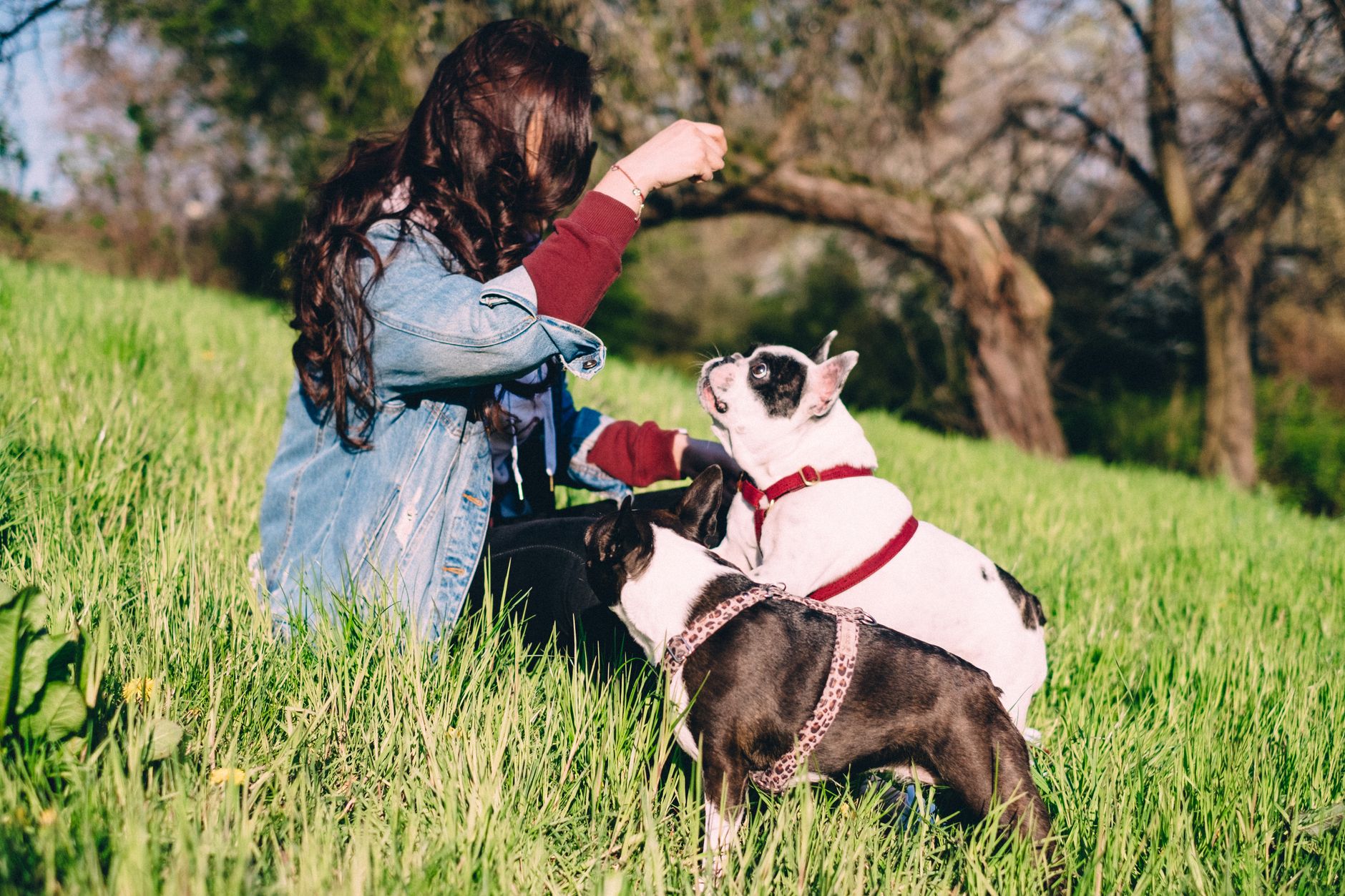
A mildly submissive dog can be a joy to own. These dogs are often eager to please, making them highly trainable and cooperative. This type of submission isn’t rooted in fear but rather in a natural desire to follow leadership and avoid conflict.
- Benefits include:
- Easier training: They are typically responsive to commands and less likely to challenge your authority.
- Reduced aggression: Their submissive nature minimizes the likelihood of aggressive displays towards other dogs or people.
- Stronger bond with owner: Their desire to please often translates into a close and affectionate relationship.
- Adaptability: They often adapt more easily to new environments and situations.
The Dark Side: When Submission Becomes Problematic
While mild submissiveness can be beneficial, excessive or fear-based submission is a cause for concern. This type of submission is often a result of negative experiences, such as abuse, neglect, or inconsistent training. It can significantly impact a dog’s well-being and lead to various behavioral issues. Asking “Is it good or bad to have a submissive dog?” is best addressed when the dog exhibits extreme, fear-based submission.
- Potential problems include:
- Anxiety and fear: The dog may be constantly anxious and fearful of new situations or people.
- Stress-related behaviors: This can manifest as excessive barking, chewing, or self-harm.
- Urination or defecation: Involuntary urination or defecation due to fear is common.
- Difficulty socializing: The dog may struggle to interact with other dogs or people, leading to social isolation.
- Learned helplessness: The dog may become passive and withdrawn, losing its natural curiosity and playfulness.
Identifying the Root Cause of Submissive Behavior
Determining the cause of submissive behavior is crucial for developing an appropriate intervention strategy. Possible causes include:
- Genetics: Some breeds are naturally more submissive than others.
- Early socialization: Lack of proper socialization during puppyhood can lead to fear and anxiety.
- Past trauma: Abuse, neglect, or negative experiences can trigger fearful submissive behavior.
- Inconsistent training: Inconsistent or harsh training methods can create anxiety and undermine a dog’s confidence.
- Medical conditions: Certain medical conditions can affect a dog’s behavior, including their level of submissiveness. Consulting a veterinarian is always the first step in addressing behavioral changes.
Fostering Confidence and Addressing Problematic Submission
If your dog exhibits excessive or fearful submission, there are several steps you can take to help them build confidence and overcome their anxieties.
- Create a safe and predictable environment: Ensure your dog has a safe space where they can retreat when feeling overwhelmed.
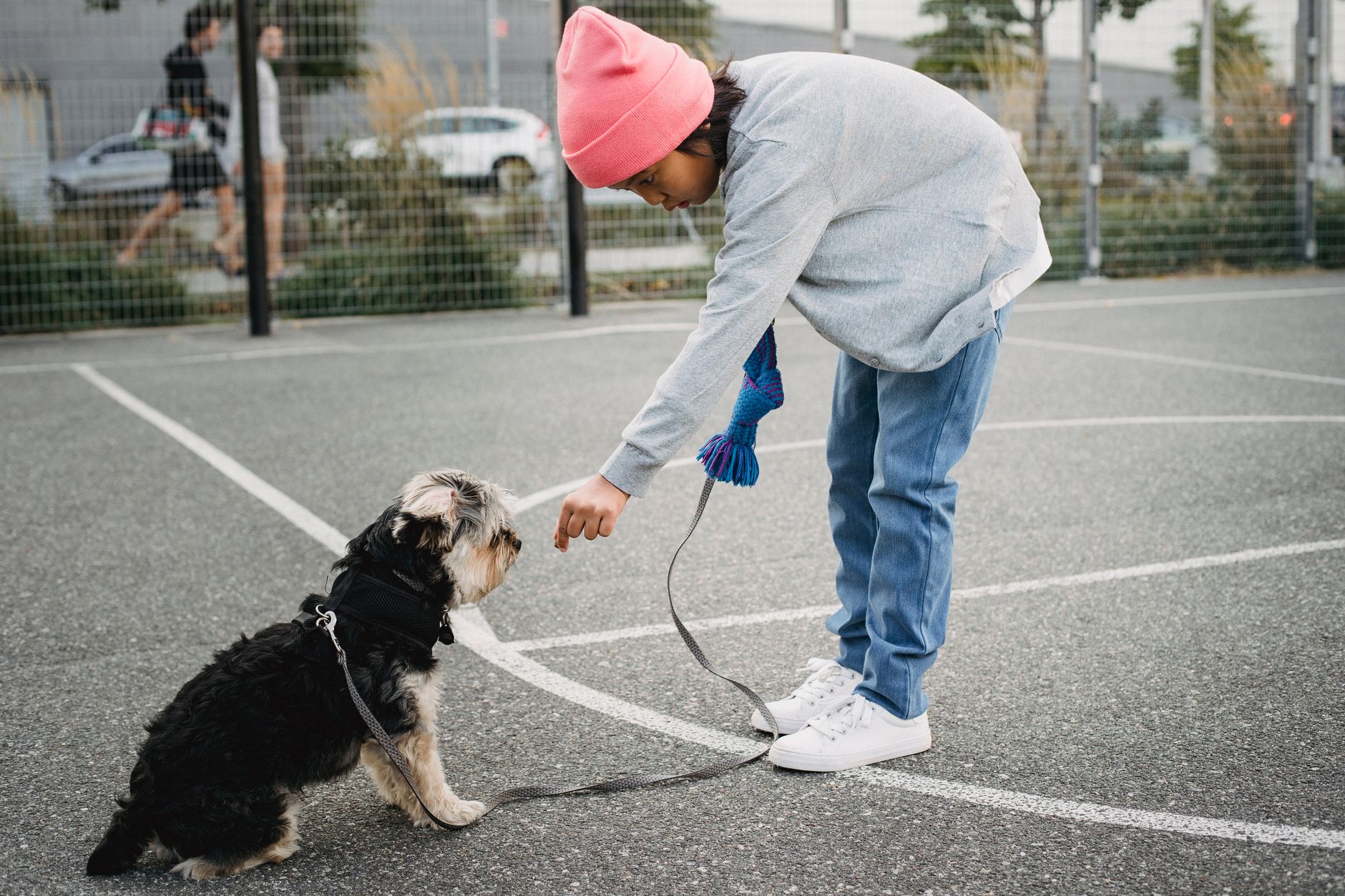
- Use positive reinforcement training: Reward desired behaviors with treats, praise, and affection. Avoid punishment or harsh corrections, as these can exacerbate anxiety and fear.
- Gradual exposure to new situations: Introduce your dog to new environments and people gradually, allowing them to adjust at their own pace.
- Build their confidence with training: Start with simple commands and gradually increase the difficulty as they become more confident.
- Consult a qualified professional: A certified dog trainer or veterinary behaviorist can provide personalized guidance and support.
The Importance of Positive Reinforcement Training
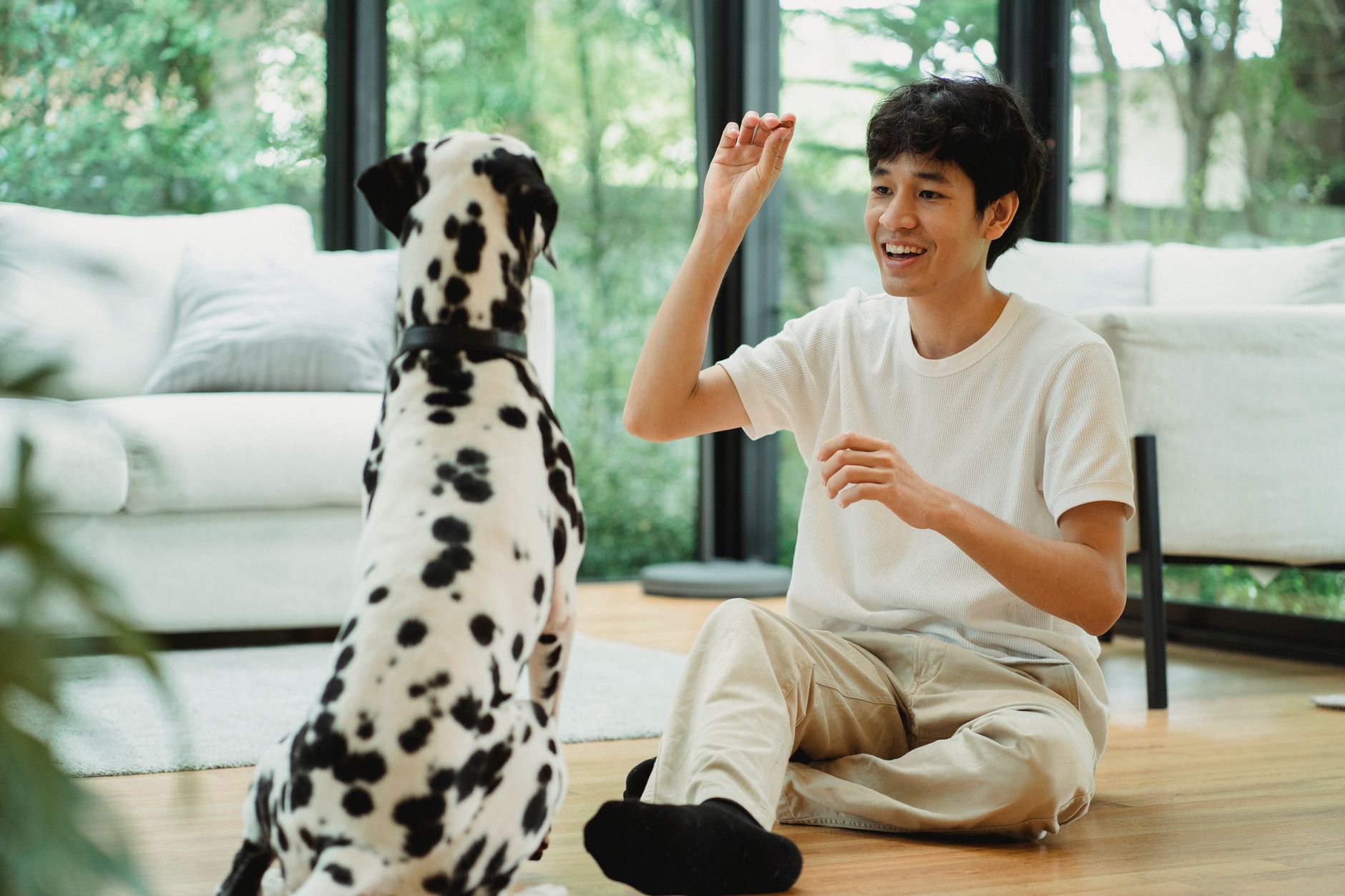
Positive reinforcement training is essential for addressing problematic submission. This method focuses on rewarding desired behaviors, which encourages the dog to repeat those behaviors in the future.
| Method | Description | Benefits | Drawbacks |
|---|---|---|---|
| Positive Reinforcement | Rewarding desired behaviors with treats, praise, or toys. | Builds confidence, strengthens the bond between dog and owner, reduces anxiety and fear. | Requires patience and consistency; may be less effective with dogs who are not food-motivated. |
| Negative Punishment | Removing something the dog enjoys to decrease an undesirable behavior (e.g., ignoring the dog when it jumps). | Can be effective in reducing unwanted behaviors; less aversive than positive punishment. | Can be confusing for the dog if not applied consistently; may not be effective for all behaviors. |
| Positive Punishment | Adding something aversive to decrease an undesirable behavior (e.g., yelling at the dog). | May suppress unwanted behaviors quickly. | Can lead to fear, anxiety, and aggression; can damage the bond between dog and owner; often ineffective in the long run. |
| Negative Reinforcement | Removing something aversive when the dog performs the desired behavior (e.g., releasing pressure on the leash when the dog stops pulling). | Can be effective if used correctly; less aversive than positive punishment. | Can be difficult to implement correctly; requires precise timing; may not be suitable for all dogs. |
By focusing on positive reinforcement, you can help your dog build confidence, overcome their anxieties, and develop a stronger bond with you. Avoid punishment or harsh corrections, as these can exacerbate existing problems and create new ones. When evaluating “Is it good or bad to have a submissive dog?“, positive reinforcement methods are ideal to promote healthy behavior.
Managing Interactions with Other Dogs
If your submissive dog interacts with other dogs, it’s important to ensure that those interactions are positive and safe. Supervise interactions closely, and intervene if you see signs of bullying or aggression.
- Tips for managing interactions:
- Introduce dogs slowly: Allow dogs to sniff each other through a barrier before allowing them to interact freely.
- Choose appropriate playmates: Select dogs who are known to be gentle and tolerant.
- Intervene early: If you see signs of bullying or aggression, separate the dogs immediately.
- Provide escape routes: Ensure your dog has a way to escape if they feel overwhelmed.
Creating a Predictable Routine
Dogs thrive on routine, especially submissive dogs. A predictable daily schedule can help reduce anxiety and provide a sense of security. Establish a consistent routine for feeding, walking, playing, and resting.
Seeking Professional Help
If you’re struggling to manage your dog’s submissive behavior, don’t hesitate to seek professional help. A certified dog trainer or veterinary behaviorist can provide personalized guidance and support. They can help you identify the underlying causes of the behavior and develop a tailored intervention plan.
FAQs: Understanding Canine Submissiveness
What is the difference between submissive behavior and fear aggression?
Submissive behavior is aimed at avoiding conflict, while fear aggression is a defensive response to perceived threats. A submissive dog will typically display appeasement gestures, while a fear-aggressive dog will growl, snap, or bite. It’s important to differentiate between the two as the management strategies are different.
Can submissive behavior be trained out of a dog?
You can’t completely eliminate submissive behavior, as it’s a natural part of canine communication. However, you can help a dog build confidence and reduce excessive or fearful submission through positive reinforcement training and socialization. Focus on building confidence and changing the dog’s association with situations that trigger submission.
Is it okay to dominate a submissive dog to reinforce my leadership?
No. Dominance-based training methods, which involve physically dominating or intimidating a dog, are outdated and often harmful. These methods can increase anxiety and fear, exacerbating submissive behavior and potentially leading to aggression. Instead, use positive reinforcement to establish yourself as a trustworthy leader.
How can I tell if my puppy is being overly submissive?
Signs of excessive submission in puppies include frequent urination when excited or approached, excessive cowering, and trembling even in non-threatening situations. These puppies need extra care and socialization to build confidence.
What are some good games to play with a submissive dog to build confidence?
Games that allow the dog to succeed and gain confidence are ideal. Examples include:
- Find the treat: Hide treats around the room and encourage the dog to find them.
- Simple obedience exercises: Reward the dog for performing basic commands like “sit” and “stay.”
- Tug-of-war (gently): Allow the dog to win occasionally to boost their confidence.
- Puzzle toys: Provide puzzle toys that require the dog to problem-solve and earn a reward.
How often should I socialize a submissive dog?
Socialize a submissive dog gradually and consistently. Start with short, positive interactions with familiar people and dogs, and gradually introduce them to new environments and situations. Avoid overwhelming the dog, and always provide them with an escape route if they feel uncomfortable.
Can a submissive dog still be a good guard dog?
While a submissive dog is less likely to initiate aggression, they can still be a good alarm barker. They may bark to alert you to the presence of strangers, but they are less likely to engage in protective aggression. For the question “Is it good or bad to have a submissive dog?“, consider that a guard dog may be better if it has at least some measure of assertive confidence.
What is the role of genetics in submissive behavior?
Genetics can play a role in a dog’s temperament, with some breeds being naturally more submissive than others. However, environment and experiences also play a significant role in shaping a dog’s behavior. Even within a breed, there can be considerable variation in temperament.
Should I discourage my dog from rolling onto its back in a submissive posture?
Not necessarily. Rolling onto the back is a natural submissive behavior, and discouraging it may confuse the dog. However, if the dog is displaying this behavior excessively or fearfully, you can redirect their attention with a treat or toy. Focus on building their confidence in other ways.
My dog is submissive to my spouse but not to me. Why?
This could be due to differences in how you and your spouse interact with the dog. Perhaps your spouse is more gentle and patient, while you are more assertive. It could also be due to differences in body language or tone of voice. Try observing your spouse’s interactions with the dog and adopting similar approaches.
Is submissive urination always a sign of a problem?
Submissive urination is more common in puppies and often resolves as they mature. However, in adult dogs, it can indicate underlying anxiety or fear. If your adult dog is submissively urinating, consult a veterinarian or veterinary behaviorist to rule out any medical or behavioral issues. The answer to “Is it good or bad to have a submissive dog?” depends on whether the urination is a sign of fear or anxiety.
What if I have children? Is a submissive dog a good fit?
A mildly submissive dog can be a good fit for a family with children, as they are less likely to display aggression. However, it’s important to teach children how to interact with the dog respectfully and avoid overwhelming them. Never leave young children unsupervised with any dog, regardless of temperament.