

Is it Bad to Have Otters in Your Pond?
Whether it’s bad to have otters in your pond depends largely on your pond’s ecosystem and your goals for it. While otters can bring benefits like pest control, their presence can also disrupt fish populations and overall pond balance.

Introduction: The Otter Enigma
The sight of an otter frolicking in a pond can evoke feelings of wonder and connection with nature. These charismatic creatures, known for their playful antics and sleek bodies, are often viewed as desirable additions to any aquatic environment. However, the reality of sharing your pond with otters is more nuanced than a simple nature documentary might suggest. Is it bad to have otters in your pond? The answer isn’t always straightforward, and understanding the potential impacts – both positive and negative – is crucial for responsible pond management. This article will delve into the complexities of otter-pond relationships, offering insights from an expert perspective.
Do all amphibians have eyelids?
Why do cuttlefish have W-shaped eyes?
Do all snakes have poison in them?
What is the GREY African clawed frog?
Otter Biology and Ecology

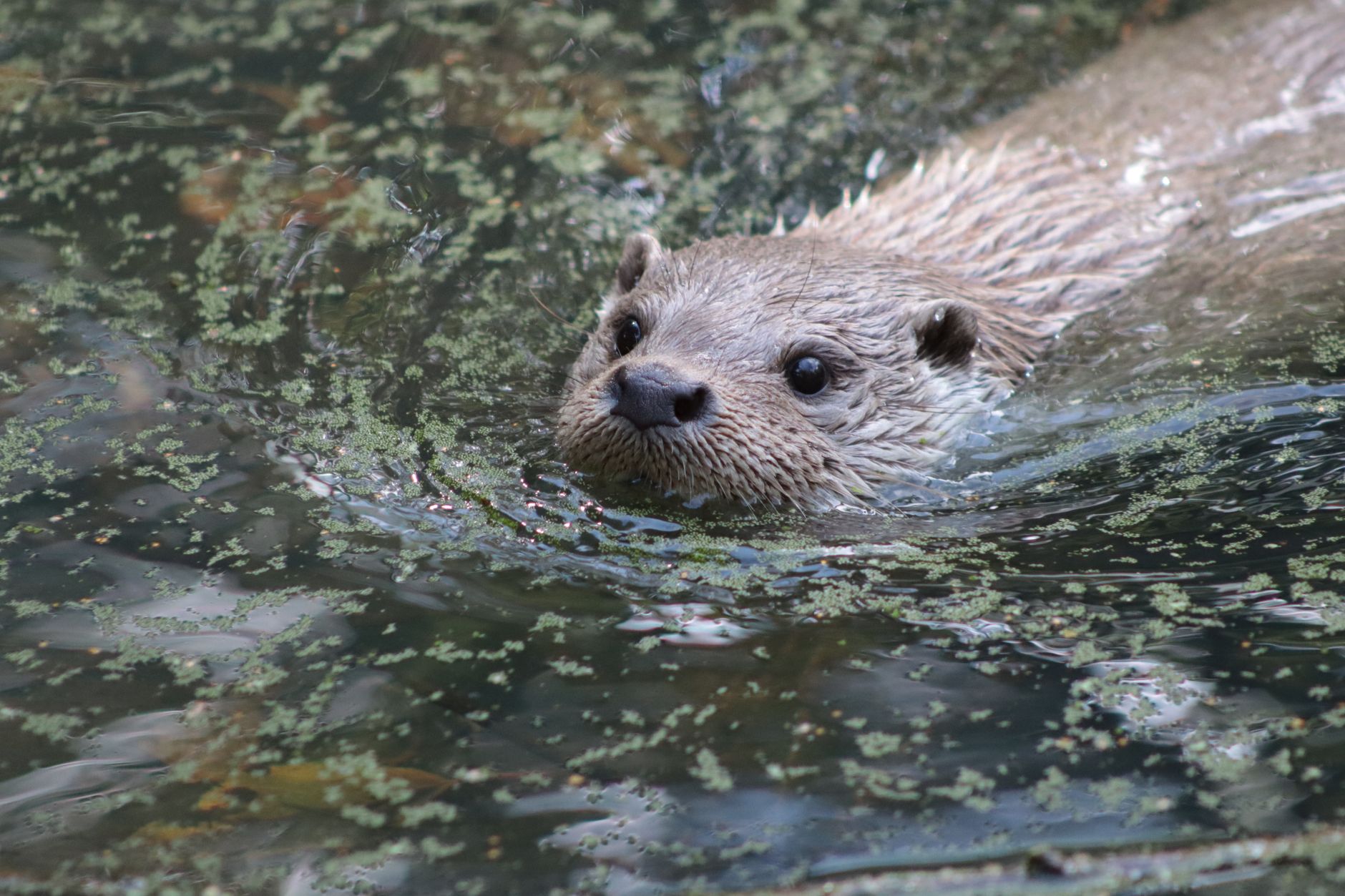
Otters are semi-aquatic mammals belonging to the Mustelidae family, which also includes weasels, badgers, and wolverines. They are highly adaptable animals found in a variety of freshwater and coastal habitats across the globe. Their diet primarily consists of fish, but they also consume amphibians, crustaceans, insects, and small mammals. Otters are opportunistic predators, meaning they will target the most readily available food source. Their presence in a pond indicates a healthy, functioning ecosystem capable of supporting their dietary needs.
Potential Benefits of Otters in a Pond
Surprisingly, allowing otters into your pond has benefits.
- Pest Control: Otters are effective predators of nuisance species like carp, which can disrupt pond ecosystems by stirring up sediment and competing with native fish. They also eat frogs, snails and certain large insects.
- Natural Balance: By controlling populations of certain species, otters can help maintain a more balanced ecosystem within the pond, preventing overpopulation and resource depletion.
- Aesthetic Value: Many people enjoy observing otters and appreciate the presence of these charismatic animals in their local environment.
Potential Drawbacks of Otters in a Pond
Now for the issues you are likely worried about.
- Fish Depletion: Otters are voracious predators and can quickly decimate fish populations in a pond, especially if the pond is small or contains valuable fish like koi or trout.
- Ecosystem Disruption: While they can control certain populations, otters can also disrupt the natural balance of a pond by eliminating key species, leading to unforeseen consequences.
- Damage to Structures: Otters may dig burrows along the banks of a pond, potentially damaging retaining walls or other structures.
- Mess: Otters can be messy, as with any animal. There will be waste products left behind, possibly even remains of the food they consume.
Managing Otters in Your Pond
If you determine that it is bad to have otters in your pond, several management strategies can be implemented, depending on the severity of the problem and your tolerance level. However, remember that some methods are illegal in certain jurisdictions, so research local laws beforehand.
- Exclusion: Fencing can be erected around the pond to prevent otters from entering. This method is most effective for smaller ponds. Make sure the fence extends far enough beneath the surface so that the otters can not burrow under it.
- Habitat Modification: Removing potential denning sites, such as piles of rocks or logs, can discourage otters from establishing themselves near the pond.
- Population Control: Relocation is sometimes an option. However, this requires the cooperation of local wildlife authorities and may not be feasible in all areas. Trapping or hunting them is a consideration, but may require an official permit.
- Deterrents: Noise makers, motion-activated lights, and even certain scents can be used to deter otters from entering a pond. However, these methods may only be temporarily effective, as otters can habituate to them over time.
Understanding Your Pond Ecosystem
Before making any decisions about otter management, it’s essential to understand the specific characteristics of your pond ecosystem. Factors to consider include:
- Pond Size and Depth: Smaller ponds are more susceptible to the impacts of otter predation.
- Fish Species and Population: The type and abundance of fish in the pond will determine the impact of otter predation.
- Surrounding Habitat: The availability of alternative food sources and denning sites will influence the likelihood of otters establishing themselves near the pond.
- Your Personal Goals: Are you primarily concerned with maintaining a healthy fish population, or are you willing to tolerate some impact in exchange for the presence of otters?
Common Mistakes in Otter Management
Many people make common mistakes when dealing with otters in their ponds.
- Ignoring the Problem: Assuming that otters will simply move on their own is often a mistake. If otters are impacting your pond, it’s important to take action before the problem escalates.
- Using Illegal Methods: It’s crucial to be aware of local laws regarding otter management and avoid using methods that are illegal or harmful to the animals.
- Lack of Monitoring: After implementing management strategies, it’s important to monitor the pond regularly to assess the effectiveness of the measures and make adjustments as needed.
- Poor Understanding of Local Wildlife Laws: Know your area’s regulations regarding trapping, relocation, or deterrents. The information can often be found online or through a call to local wildlife management.
Frequently Asked Questions (FAQs)
Is it bad to have otters in your pond if I have a koi pond?
If you have a valuable koi pond, it is generally considered bad to have otters. Otters are highly effective predators and can quickly decimate a koi population, causing significant financial and emotional loss.
What types of fish do otters typically eat?
Otters are opportunistic feeders, so they will eat almost any type of fish that is readily available. Common prey species include trout, bass, carp, and sunfish. They especially enjoy easy meals.
How can I tell if otters are present in my pond?
Signs of otter presence include tracks (five toes on each foot, often with webbing visible), scat (containing fish bones and scales), and sightings of the animals themselves. Look for evidence of predation, such as partially eaten fish.
Are otters dangerous to humans?
While otters are generally not aggressive towards humans, they are wild animals and should be treated with caution. Avoid approaching or attempting to handle otters, as they may bite if they feel threatened. Keep a safe distance.
What is the best way to deter otters from my pond?
There is no single “best” method for deterring otters, as effectiveness can vary depending on the specific situation. Fencing, habitat modification, and the use of deterrents like noise makers are all potential options. A combination of methods is often the most effective approach.
How much food does an otter eat in a day?
An otter can eat approximately 15-20% of its body weight per day. This translates to several pounds of fish and other prey. This is a key reason for concern.
Are there any plants I can use to protect my fish from otters?
Dense aquatic vegetation can provide some refuge for fish, making them more difficult for otters to catch. However, this is not a foolproof solution. Plants add some level of defense, though.
How do otters find ponds with fish?
Otters have a keen sense of smell and can detect the presence of fish from a considerable distance. They also use visual cues and may follow waterways to locate ponds. Sense of smell is very important to them.
Is it illegal to trap or kill otters?
The legality of trapping or killing otters varies depending on your location. In many areas, otters are protected, and trapping or killing them is prohibited without a permit. Always check local regulations.
Will otters leave my pond if the fish population is depleted?
Otters may eventually leave a pond if the fish population is significantly depleted. However, they may remain in the area and continue to prey on other available food sources. They can adapt but generally prefer fish.
Do otters only hunt during the day?
Otters can be active both during the day and at night, depending on the availability of prey and other factors. They are opportunistic and hunt when there’s an opportunity.
How can I support otter conservation?
You can support otter conservation by protecting and restoring wetland habitats, reducing pollution, and supporting organizations dedicated to wildlife conservation. Every small step helps.