
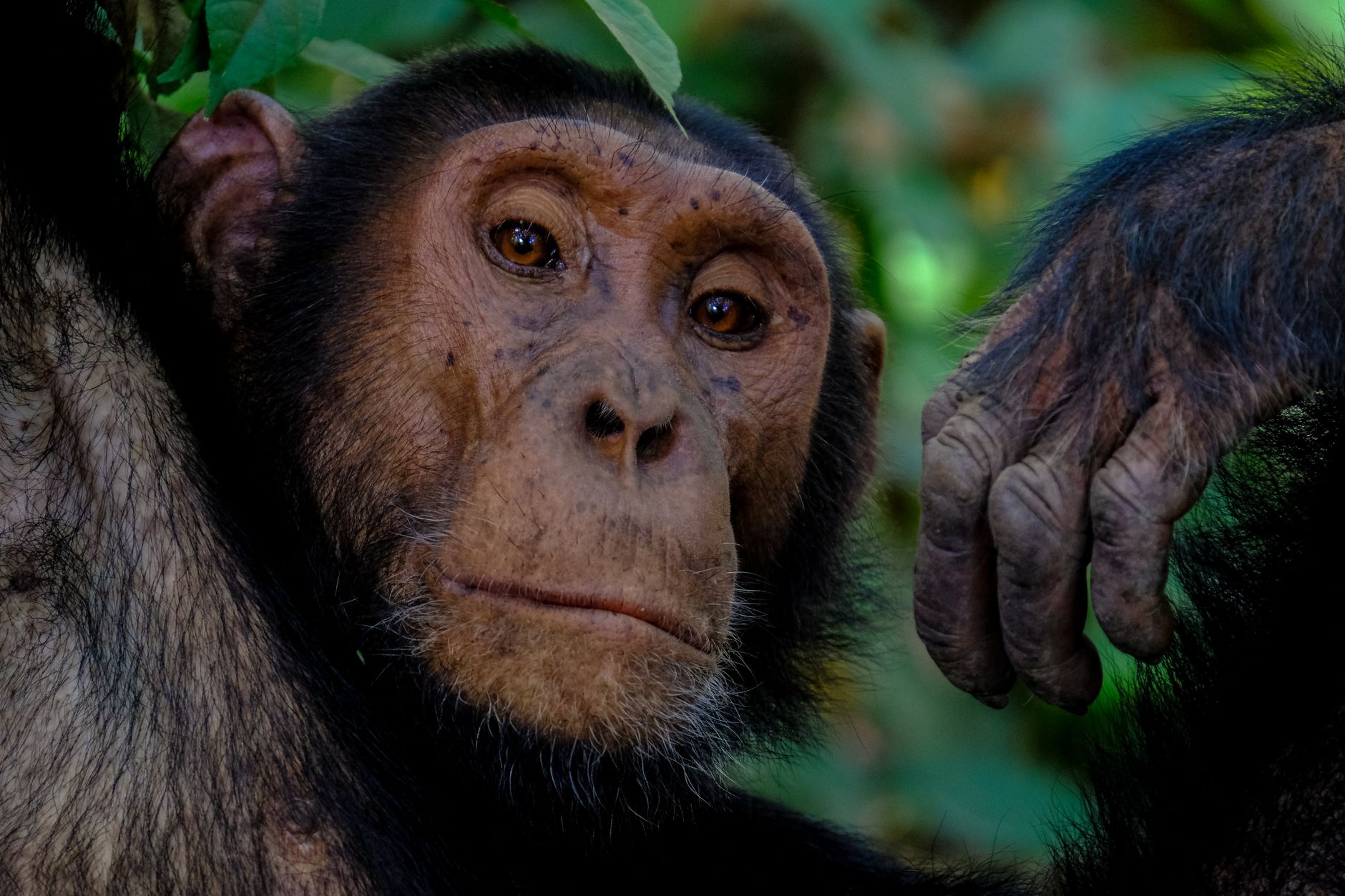
Is it Bad to Have a Chimp as a Pet? Understanding the Risks and Realities
The answer to Is it bad to have a chimp as a pet? is a resounding YES. Owning a chimpanzee as a pet is highly detrimental to both the animal and the owner, laden with ethical, safety, and logistical impossibilities.

The Allure and the Harsh Reality
The idea of owning a chimpanzee, with their seeming intelligence and captivating personalities, may seem appealing to some. Media portrayals often romanticize these animals, portraying them as playful companions. However, this image is far removed from the complex and ultimately dangerous reality of keeping a chimpanzee in a domestic setting. The reality is that Is it bad to have a chimp as a pet? goes beyond a simple yes or no answer; it involves a tangled web of ethical concerns, safety hazards, and insurmountable challenges.

Do all amphibians have eyelids?
Why do cuttlefish have W-shaped eyes?
Do all snakes have poison in them?
What is the GREY African clawed frog?
The Ethical Quandary

Perhaps the most significant argument against chimpanzee ownership is the ethical one. These intelligent and social primates are ill-suited to life in a human home. They require:
- Complex social structures: Chimpanzees thrive in large, established social groups. A single chimpanzee kept as a pet is inherently deprived of crucial social interaction and development.
- Extensive ranges: In the wild, chimpanzees roam over vast territories. The confines of a house or even a large backyard are inadequate to meet their physical and psychological needs.
- Specialized diets: Chimpanzee diets are diverse and require specific nutrients that are difficult to replicate in captivity without expert guidance.
- Enrichment and stimulation: Chimpanzees are incredibly intelligent and require constant mental stimulation. Lack of enrichment leads to boredom, frustration, and behavioral problems.
Removing a chimpanzee from its natural habitat or a reputable sanctuary for personal gratification is a fundamentally unethical act. Conservation efforts aimed at protecting chimpanzees in the wild are undermined by the demand for them as pets.
The Safety Concerns
Chimpanzees are incredibly strong and possess immense physical power. Even chimpanzees raised from infancy can exhibit unpredictable and aggressive behavior, especially as they reach maturity. A “playful nip” from a young chimpanzee can inflict serious injury, and an adult chimpanzee is capable of inflicting fatal harm.
Consider these points:
- Strength: Adult male chimpanzees are estimated to be four to seven times stronger than adult human males.
- Unpredictability: While some owners may believe they have a special bond with their chimpanzee, these animals can be unpredictable and react defensively, especially when feeling threatened or protective.
- Zoonotic diseases: Chimpanzees can carry diseases that are transmissible to humans, some of which can be fatal.
- Liability: Owning a chimpanzee carries significant legal liability. If the animal injures someone, the owner can face severe legal consequences.
The Logistical Nightmares
Even if one were to disregard the ethical and safety considerations, the logistical challenges of caring for a chimpanzee are overwhelming.
| Challenge | Description |
|---|---|
| :———————– | :————————————————————————————————————————————————————————————————————- |
| Space Requirements | Chimpanzees need large, secure enclosures, far beyond the capabilities of most homeowners. |
| Dietary Needs | Providing a chimpanzee with a nutritionally adequate diet requires specialized knowledge and can be very expensive. |
| Veterinary Care | Finding a veterinarian qualified to treat chimpanzees can be extremely difficult. Specialized veterinary care is often very costly. |
| Long Lifespan | Chimpanzees can live for 50-60 years in captivity, requiring a lifelong commitment that many owners are unprepared for. |
| Behavioral Problems | Captive chimpanzees frequently develop behavioral problems, such as aggression, self-harm, and destructive behaviors. Addressing these issues requires expert intervention. |
| Legal Restrictions | Many jurisdictions have laws prohibiting or severely restricting the ownership of chimpanzees. These laws are in place to protect both the animals and the public. Is it bad to have a chimp as a pet? Legally, in many locations, the answer is a definitive yes. |
The Long-Term Consequences for Chimpanzees
Chimpanzees raised as pets often face a bleak future. As they mature and become more difficult to manage, many are abandoned or relegated to substandard living conditions. Sanctuaries are often overwhelmed and lack the resources to care for all the chimpanzees in need. Even in the best sanctuaries, chimpanzees who have been raised in isolation often struggle to integrate into social groups and may suffer from lasting psychological trauma.
Frequently Asked Questions (FAQs)
If I raise a chimpanzee from infancy, won’t it bond with me and be a good pet?
No. While a young chimpanzee may appear affectionate and playful, their behavior changes dramatically as they mature. Their natural instincts, including dominance and aggression, can surface unexpectedly. Even with the best intentions, a chimpanzee’s inherent nature cannot be suppressed. Their strength and unpredictable behavior make them inherently unsuitable as pets, regardless of how they were raised.
Are there any circumstances where owning a chimpanzee is acceptable?
Generally, no. Only accredited zoos, sanctuaries, or research facilities that meet strict animal welfare standards and have the necessary expertise and resources should keep chimpanzees. These institutions play vital roles in conservation, research, and education. Private ownership should be universally prohibited.
Can I train a chimpanzee to behave appropriately in a home environment?
While chimpanzees are intelligent and can be trained to perform certain tasks, training cannot override their natural instincts. Training does not eliminate the inherent dangers associated with owning a chimpanzee. Their strength, unpredictability, and potential for aggression remain significant risks.
What should I do if I encounter someone who owns a chimpanzee?
Report the situation to your local animal control agency or law enforcement. Owning a chimpanzee is often illegal, and it poses a significant risk to public safety and animal welfare. Your intervention can help protect both the chimpanzee and the community.
Are there alternatives to owning a chimpanzee that allow me to interact with these animals?
Yes. You can support chimpanzee conservation by:
- Visiting accredited zoos and sanctuaries that provide ethical care for chimpanzees.
- Donating to organizations dedicated to chimpanzee conservation and research.
- Becoming an advocate for stricter laws protecting chimpanzees.
These actions allow you to contribute to chimpanzee welfare without putting yourself or the animals at risk.
What happens to chimpanzees who are rescued from private ownership?
Rescued chimpanzees are typically placed in sanctuaries that provide specialized care and social rehabilitation. These sanctuaries offer a safe and enriching environment where chimpanzees can live out their lives with dignity. However, the transition can be difficult for chimpanzees who have been raised in isolation.
Is it legal to own a chimpanzee in my state?
Laws regarding chimpanzee ownership vary by state and even by local jurisdiction. Many states have banned or severely restricted the private ownership of chimpanzees. It is essential to check your local laws to determine whether it is legal to own a chimpanzee in your area. Even if it is legal, it is still ethically and practically unsound.
What are the psychological effects of captivity on chimpanzees?
Captive chimpanzees often suffer from a range of psychological problems, including anxiety, depression, self-harm, and aggression. These problems are often a result of inadequate social interaction, limited space, and lack of environmental enrichment. Even in the best captive environments, chimpanzees cannot fully express their natural behaviors.
Can chimpanzees be safely released back into the wild after being raised in captivity?
Releasing chimpanzees raised in captivity back into the wild is extremely difficult and often unsuccessful. Captive-born chimpanzees lack the skills and knowledge necessary to survive in the wild, and they may face hostility from wild chimpanzee groups.
What is the role of zoos in chimpanzee conservation?
Accredited zoos play a vital role in chimpanzee conservation by:
- Supporting research on chimpanzee behavior and health.
- Participating in breeding programs to maintain genetic diversity.
- Educating the public about chimpanzee conservation issues.
Ethical zoos prioritize the welfare of their animals and contribute to conservation efforts in the wild.
Why are chimpanzees considered endangered?
Chimpanzee populations are threatened by habitat loss, poaching, and disease. These threats are exacerbated by the demand for chimpanzees as pets and performers. Conservation efforts are crucial to ensuring the survival of chimpanzees in the wild.
Beyond physical danger, Is it bad to have a chimp as a pet? in terms of the psychological trauma it can inflict on the animal?
Absolutely. The psychological toll on a chimpanzee forced to live as a pet is immense. They are deprived of their natural social structures, their ability to roam and explore, and the stimulation they need to thrive. This can lead to severe psychological distress, manifesting as self-harm, aggression, and other abnormal behaviors. The emotional and mental suffering inflicted on a chimpanzee by a life in captivity underscores the cruelty and irresponsibility of keeping them as pets.