

Is Bottled Water Considered RO Water? Unveiling the Truth
The answer is complex. While some bottled water is RO water (reverse osmosis water), not all bottled water undergoes the RO process. It’s crucial to understand the different types of bottled water and their purification methods to make informed choices.
Bottled Water Basics: Beyond the Label
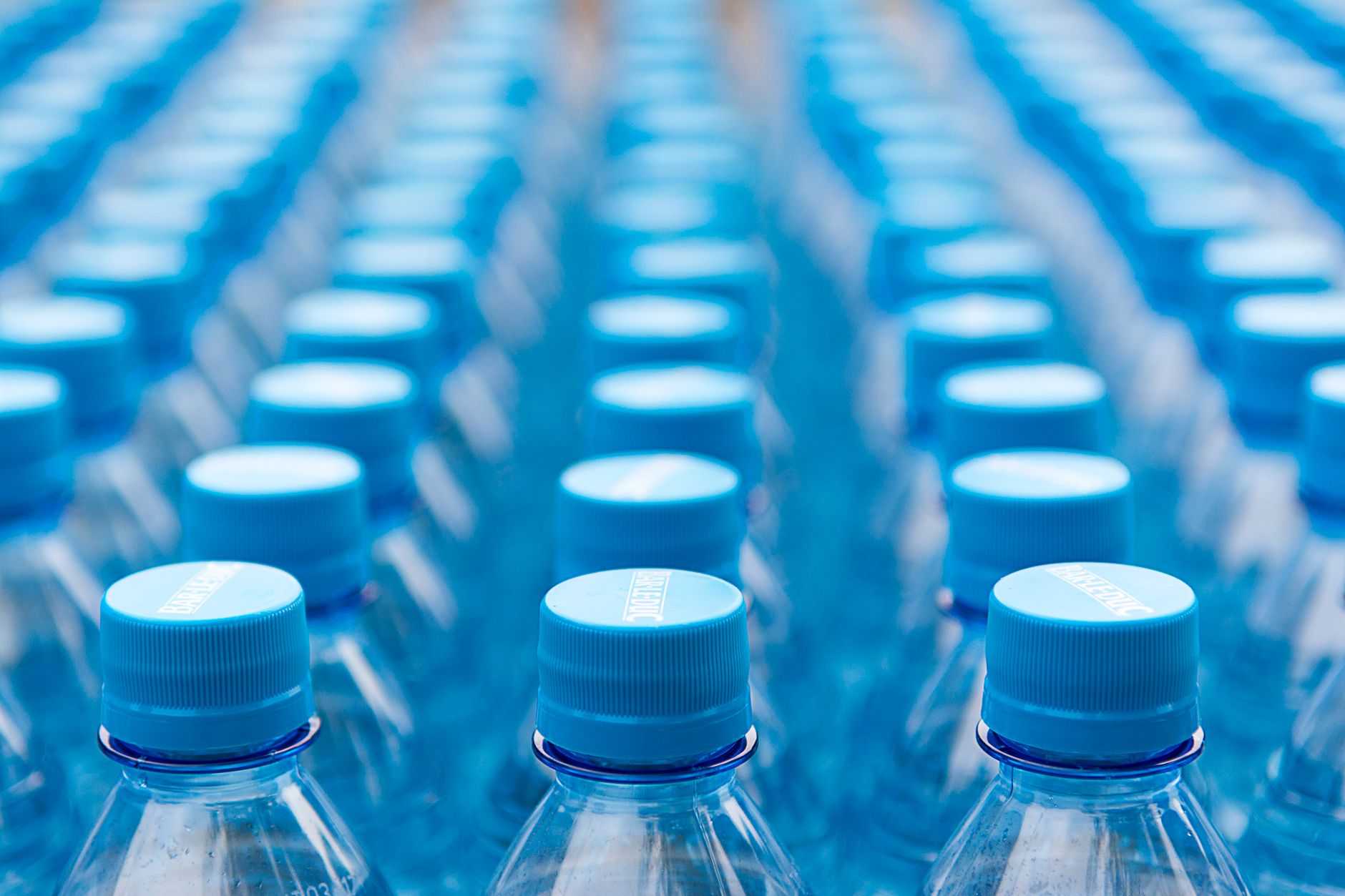
The world of bottled water is vast and varied. Simply seeing “bottled water” on a label doesn’t tell the whole story. Understanding the source and processing methods is key to determining its quality and purity. Is bottled water considered RO water? Often, the answer lies in the fine print or the product description.

Can fish hear water?
How do I add oxygen to my goldfish water?
Do carbon filters remove water hardness?
What is the GREY African clawed frog?
Understanding Reverse Osmosis (RO)
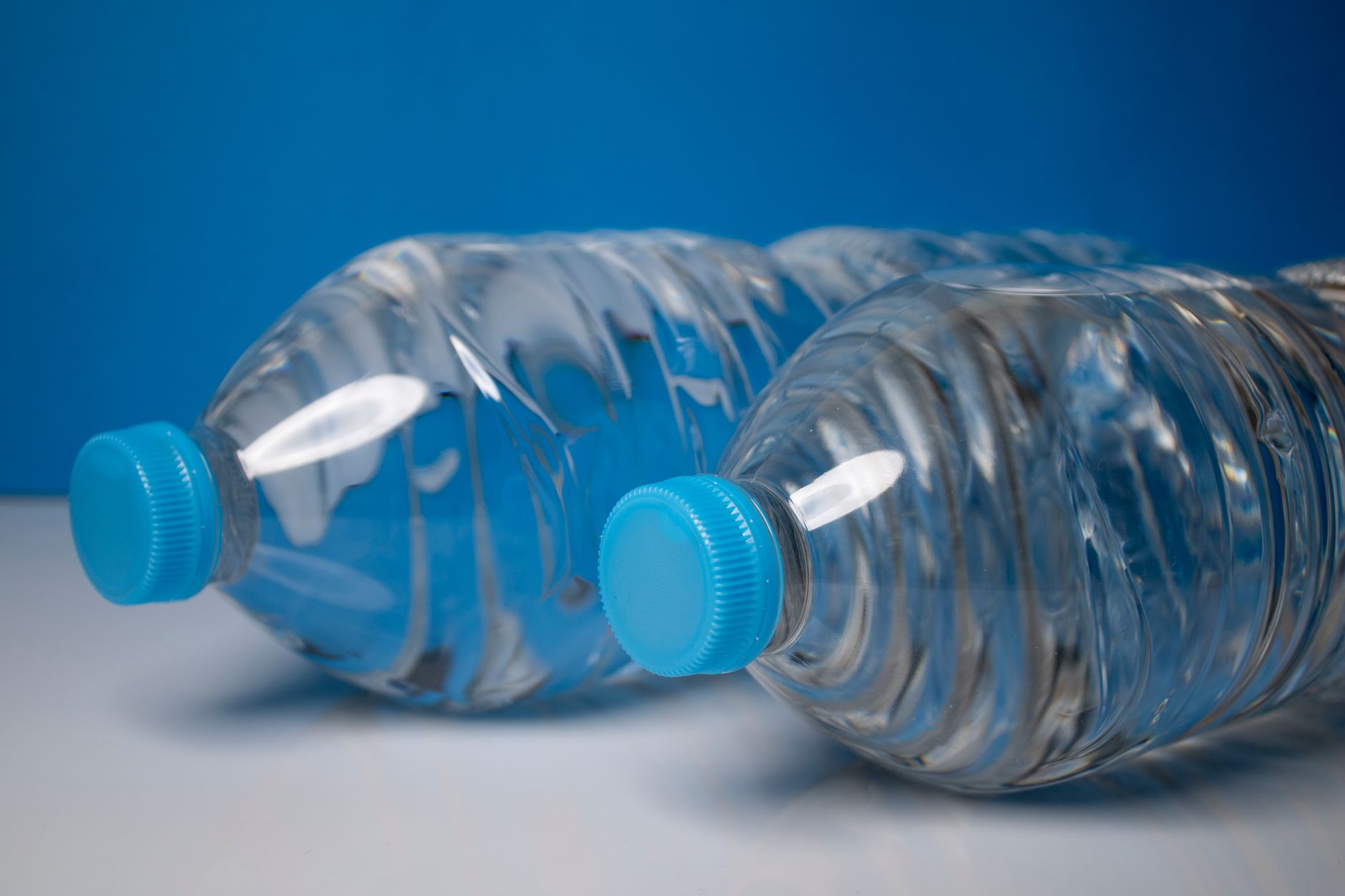
Reverse osmosis is a sophisticated water purification process. It uses pressure to force water through a semi-permeable membrane that filters out contaminants such as:
- Dissolved salts
- Minerals
- Bacteria
- Viruses
- Heavy metals
- Other impurities
The result is highly purified water. The effectiveness of RO systems depends on the quality of the membrane and the maintenance of the system.
Types of Bottled Water: A Breakdown
Not all bottled water is created equal. Here’s a look at some common types:
- Purified Water: This category can include water treated using RO, distillation, or deionization. The defining characteristic is that it has been processed to remove impurities.
- Spring Water: Sourced from an underground aquifer that naturally flows to the surface. It should be collected only at the spring or through a borehole tapping the underground formation feeding the spring.
- Mineral Water: Contains a specific amount of minerals from its source. These minerals are naturally present and not added artificially.
- Artesian Water: Sourced from a confined aquifer, meaning an underground layer of rock or sediment that holds water under pressure.
- Distilled Water: Produced by boiling water and then condensing the steam back into a liquid. This process removes almost all impurities.
How to Identify RO Bottled Water
- Check the Label: Look for terms like “RO water“, “reverse osmosis purification“, or similar phrases indicating the use of reverse osmosis.
- Contact the Manufacturer: If the label is unclear, contact the bottling company directly for clarification on their purification methods.
- Research the Brand: Online resources and consumer reviews can sometimes provide insights into a brand’s water processing practices.
Benefits and Drawbacks of RO Water
Benefits:
- Highly purified water, free from many contaminants.
- Consistent taste due to the removal of minerals.
- Can be a good option for people with specific health concerns or sensitivities.
Drawbacks:
- Removes beneficial minerals along with impurities.
- Some argue that it can have a “flat” taste due to the lack of minerals.
- The RO process can be energy-intensive and generate wastewater.
Comparing RO Water to Other Purification Methods
| Purification Method | Effectiveness | Mineral Content | Taste | Environmental Impact |
|---|---|---|---|---|
| Reverse Osmosis | Very High | Very Low | Flat | Moderate to High |
| Distillation | Very High | Very Low | Flat | High |
| Filtration | Moderate | Varies | Varies | Low |
| UV Disinfection | Moderate | Unchanged | Unchanged | Low |
Impact of RO Water on Health
While RO water is exceptionally pure, the debate continues about its long-term health effects due to the removal of minerals. Some argue that consuming water devoid of minerals can lead to mineral deficiencies over time. Others believe that a balanced diet provides sufficient minerals, making the mineral content of water less critical.
Factors Affecting Bottled Water Quality
The quality of bottled water is impacted by a variety of factors, including:
- Source Water Quality: The quality of the initial water source significantly influences the final product.
- Purification Processes: The effectiveness of the purification method is paramount.
- Packaging Materials: The type of plastic or glass used can affect the water’s taste and potential contamination.
- Storage Conditions: Exposure to heat and sunlight can degrade the quality of bottled water.
Frequently Asked Questions (FAQs)
Is all purified water RO water?
No, not all purified water is RO water. Purified water refers to water that has undergone a process to remove impurities, but this can be achieved through various methods, including reverse osmosis, distillation, deionization, and filtration.
Does RO water leach minerals from the body?
The concern that RO water leaches minerals from the body is a common misconception. While it is true that RO water lacks minerals, it doesn’t actively pull minerals from your body. Your body obtains minerals primarily from food.
Is it safe to drink RO water long-term?
Generally, it is safe to drink RO water long-term. However, some health professionals recommend supplementing with minerals or consuming a balanced diet to ensure adequate mineral intake, as RO water is devoid of essential minerals.
How can I tell if my bottled water is RO water without a label?
Unfortunately, without a label, it’s very difficult to definitively determine if your bottled water is RO water. The taste can sometimes be a clue, as RO water often tastes “flat” due to the absence of minerals. However, this isn’t a foolproof method.
Is RO water better than tap water?
Whether RO water is better than tap water depends on the quality of your tap water. If your tap water contains contaminants or has an unpleasant taste, RO water can be a better option. However, if your tap water meets safety standards, it can be a more sustainable and cost-effective choice.
Does bottled water expire?
While the water itself doesn’t technically expire, bottled water does have a “best by” date. This date refers to the potential degradation of the plastic bottle, which can leach chemicals into the water over time.
What is the environmental impact of bottled water?
The environmental impact of bottled water is significant. It includes the energy used in manufacturing the bottles, the transportation of the water, and the disposal of plastic waste. Choosing reusable water bottles and filtering tap water is a more sustainable alternative.
Is distilled water the same as RO water?
No, distilled water is not the same as RO water, though both processes aim to purify water. Distillation involves boiling water and collecting the steam, while reverse osmosis uses pressure to force water through a membrane. Both methods produce highly purified water, but the process is different.
Does RO water remove fluoride?
Yes, RO water does effectively remove fluoride from water. The semi-permeable membrane used in the RO process blocks fluoride ions, resulting in water that is virtually fluoride-free.
Are all bottled water companies transparent about their purification methods?
No, not all bottled water companies are fully transparent about their purification methods. Some labels may be vague or misleading. It is always best to research the brand or contact the company directly for clarification.
What are the alternatives to drinking bottled water?
Alternatives to drinking bottled water include:
- Using a water filter pitcher.
- Installing an under-sink water filter.
- Drinking tap water (if safe and palatable).
- Carrying a reusable water bottle and refilling it from filtered water sources.
Is bottled water considered RO water in all countries?
No, the regulations and definitions of bottled water, including whether is bottled water considered RO water?, vary from country to country. What is considered purified or RO water in one region might not be the same in another. Always check local labeling laws.