

Is an Aquarium a Natural Ecosystem? A Deeper Look
An aquarium, while mimicking some aspects of a natural ecosystem, is not a true natural ecosystem. It is a closed, artificial environment subject to human control and intervention, lacking the complexity and self-regulation of a natural environment.
Introduction: The Allure of Aquatic Worlds
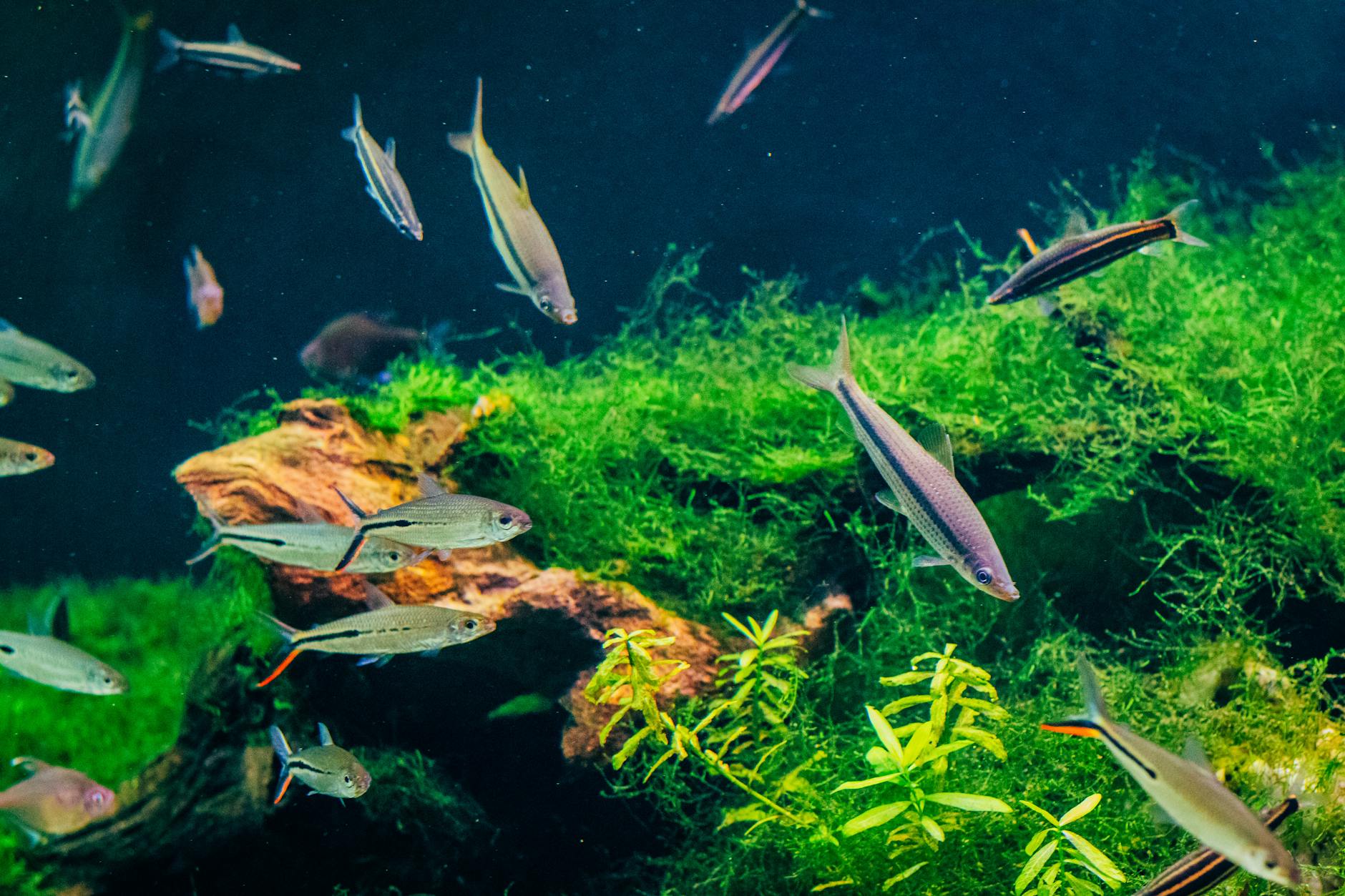
Aquariums, from small desktop displays to sprawling public exhibits, captivate us with glimpses into the underwater world. The vibrant colors of fish, the intricate patterns of coral, and the graceful sway of aquatic plants offer a sense of tranquility and wonder. But beneath the aesthetic appeal lies a fundamental question: Is an aquarium a natural ecosystem? Understanding the differences between a man-made aquarium and a naturally occurring aquatic environment is crucial to appreciating both the beauty of aquariums and the delicate balance of nature.

How do you buff aquarium glass?
What is the GREY African clawed frog?
Is distilled water good for goldfish?
What colours are fish most attracted to?
Defining Natural Ecosystems

A natural ecosystem is a complex community of living organisms (plants, animals, and microorganisms) that interact with each other and their physical environment (soil, water, air, climate). These interactions create a self-regulating system where energy flows, nutrients cycle, and populations fluctuate naturally. Key characteristics of a natural ecosystem include:
- Biodiversity: A wide variety of species inhabiting the environment.
- Self-regulation: The ecosystem’s ability to maintain balance through natural processes like predator-prey relationships and nutrient cycles.
- Open System: Exchange of energy and matter with the surrounding environment (e.g., sunlight, rainfall, immigration/emigration).
- Natural Selection: Organisms best adapted to the environment thrive and reproduce.
- Evolution: The ecosystem changes over long periods as species adapt and evolve.
The Aquarium: A Controlled Environment
In contrast, an aquarium is a controlled environment created and maintained by humans. While it can simulate certain aspects of a natural ecosystem, it inherently lacks the complexity, self-regulation, and long-term sustainability of the real thing. The elements of control present within aquaria involve:
- Species Selection: Humans choose which species to include, often prioritizing aesthetics over ecological balance.
- Water Chemistry Management: Parameters like pH, temperature, and salinity are artificially maintained.
- Filtration Systems: Mechanical, chemical, and biological filters are used to remove waste products.
- Food Input: Organisms within are fed by the aquarist, rather than relying on their own ability to hunt or graze.
- Disease Control: Medications and other treatments are used to prevent and combat diseases.
- Population Control: Populations of specific species are managed by the aquarist.
Comparing Ecosystems: Natural vs. Artificial
To further illustrate the differences, consider the following table:
| Feature | Natural Ecosystem | Aquarium |
|---|---|---|
| Biodiversity | High, with numerous interconnected species. | Typically low, with a limited number of selected species. |
| Self-Regulation | Strong, maintained by natural processes. | Weak, reliant on human intervention. |
| Nutrient Cycle | Complete and complex, involving decomposition. | Simplified, requiring regular water changes and supplementation. |
| Energy Source | Primarily sunlight, supplemented by organic matter. | Primarily artificial light and supplemental food. |
| Stability | Relatively stable over long periods. | Prone to crashes and imbalances. |
| Evolution | Continuous adaptation and evolution of species. | Limited, as the environment is artificially maintained. |
The Spectrum of Aquariums: From Simple to Complex
It’s important to note that aquariums exist on a spectrum of complexity. A simple goldfish bowl is vastly different from a meticulously designed reef tank. Some advanced aquariums, particularly those designed to mimic specific natural habitats, can achieve a degree of ecological balance. However, even the most sophisticated aquarium remains an artificial system requiring constant human management.
The Benefits of Aquariums
Despite the artificial nature of aquariums, they offer several benefits:
- Educational Value: Aquariums provide opportunities to learn about aquatic life and ecological principles.
- Conservation: Some aquariums participate in breeding programs for endangered species.
- Stress Reduction: Observing aquariums can have a calming and therapeutic effect.
- Research: Aquariums can be used for scientific research on aquatic organisms and ecosystems.
- Aesthetic Appreciation: Aquariums can be beautiful and engaging home decorations.
The Ethical Considerations
Keeping an aquarium comes with ethical responsibilities. It is crucial to:
- Research the needs of the species being kept.
- Provide appropriate living conditions (tank size, water parameters, diet).
- Obtain fish and invertebrates from sustainable sources.
- Avoid releasing aquarium inhabitants into the wild.
- Maintain the aquarium responsibly to minimize stress on the animals.
Frequently Asked Questions (FAQs)
What is the difference between a closed and open system in this context?
A closed system refers to the limited exchange of matter with the outside environment. An aquarium is a relatively closed system, only receiving inputs from the aquarist (food, water changes) and experiencing outputs (waste removal). A natural ecosystem is an open system, freely exchanging energy and matter with its surrounding environment, such as sunlight, rainfall, immigration/emigration of species.
Can an aquarium ever become a truly self-sustaining ecosystem?
While some aquariums can achieve a degree of self-regulation, they will always require some level of human intervention. True self-sufficiency, as seen in natural ecosystems, is practically impossible in a closed artificial environment. The balance is too delicate and complex to replicate entirely.
How important is filtration in an aquarium?
Filtration is absolutely essential in maintaining a healthy aquarium. Filtration removes waste products, uneaten food, and other pollutants that can build up and harm aquatic life. Mechanical, chemical, and biological filtration are crucial for maintaining water quality.
Why are water changes necessary in an aquarium?
Water changes are necessary to replenish essential minerals and remove accumulated toxins that filtration alone cannot eliminate. Over time, the water in an aquarium becomes depleted of beneficial substances and enriched with harmful compounds, making regular water changes vital.
What is the nitrogen cycle, and why is it important in an aquarium?
The nitrogen cycle is the process by which beneficial bacteria convert harmful ammonia (produced by fish waste) into less toxic nitrites and then into nitrates. This process is crucial for maintaining water quality in an aquarium. Without a properly established nitrogen cycle, ammonia levels can build up and become lethal to fish.
How does the size of an aquarium affect its ecosystem?
The size of an aquarium directly impacts its stability and ability to mimic a natural ecosystem. Larger tanks are generally more stable and can accommodate a greater diversity of organisms, leading to a more balanced and self-regulating environment. Smaller tanks are more prone to fluctuations in water parameters and require more frequent maintenance.
What are the risks of introducing non-native species into an aquarium?
Introducing non-native species into an aquarium can disrupt the delicate balance of the system. These species may outcompete native inhabitants for resources, introduce diseases, or alter the food web. It’s important to research the compatibility of different species before introducing them to an aquarium.
What are the ethical considerations of buying wild-caught fish for an aquarium?
Buying wild-caught fish can contribute to the depletion of wild populations and damage to coral reefs. It’s ethically preferable to purchase captive-bred fish whenever possible. If purchasing wild-caught fish, ensure that they are sourced from sustainable and responsible fisheries.
What are some common mistakes people make when setting up an aquarium?
Common mistakes include: not cycling the tank before adding fish, overstocking the aquarium, overfeeding, neglecting water changes, using tap water without dechlorinating it, and failing to research the needs of the chosen species. Proper planning and research is vital.
What is the role of plants in an aquarium ecosystem?
Aquatic plants contribute to the aquarium ecosystem by producing oxygen, absorbing carbon dioxide, and providing shelter and food for fish and invertebrates. They also help to reduce algae growth by competing for nutrients.
Can a planted aquarium ever be fully self-sufficient and never require water changes?
While heavily planted aquariums can significantly reduce the need for water changes, they still typically require some level of maintenance. Nutrients will eventually become depleted, and waste products will accumulate, necessitating occasional water changes to maintain optimal water quality.
How can I tell if my aquarium ecosystem is healthy?
Signs of a healthy aquarium ecosystem include: clear water, healthy-looking fish with vibrant colors, active fish behavior, healthy plant growth, stable water parameters, and a lack of excessive algae growth. Regular observation and testing are essential for monitoring the health of the aquarium.