
Is a Mini-Split Heat a Viable Option for Your Home?
Yes, a mini-split heat pump definitely provides heat. In fact, mini-splits are highly efficient heating and cooling systems, offering a versatile and comfortable climate control solution.

The Evolution of Heating: Understanding Mini-Splits
For centuries, heating technology has been evolving to meet our needs for comfort and efficiency. From rudimentary fireplaces to complex central heating systems, our methods have become increasingly sophisticated. Now, mini-split heat pumps are emerging as a modern, versatile solution that challenges traditional heating methods. They offer targeted temperature control, energy savings, and ease of installation that traditional systems often lack. But is a mini-split heat truly a reliable and effective heating option? Let’s delve deeper.
How Mini-Splits Provide Heat: The Science Behind the Comfort

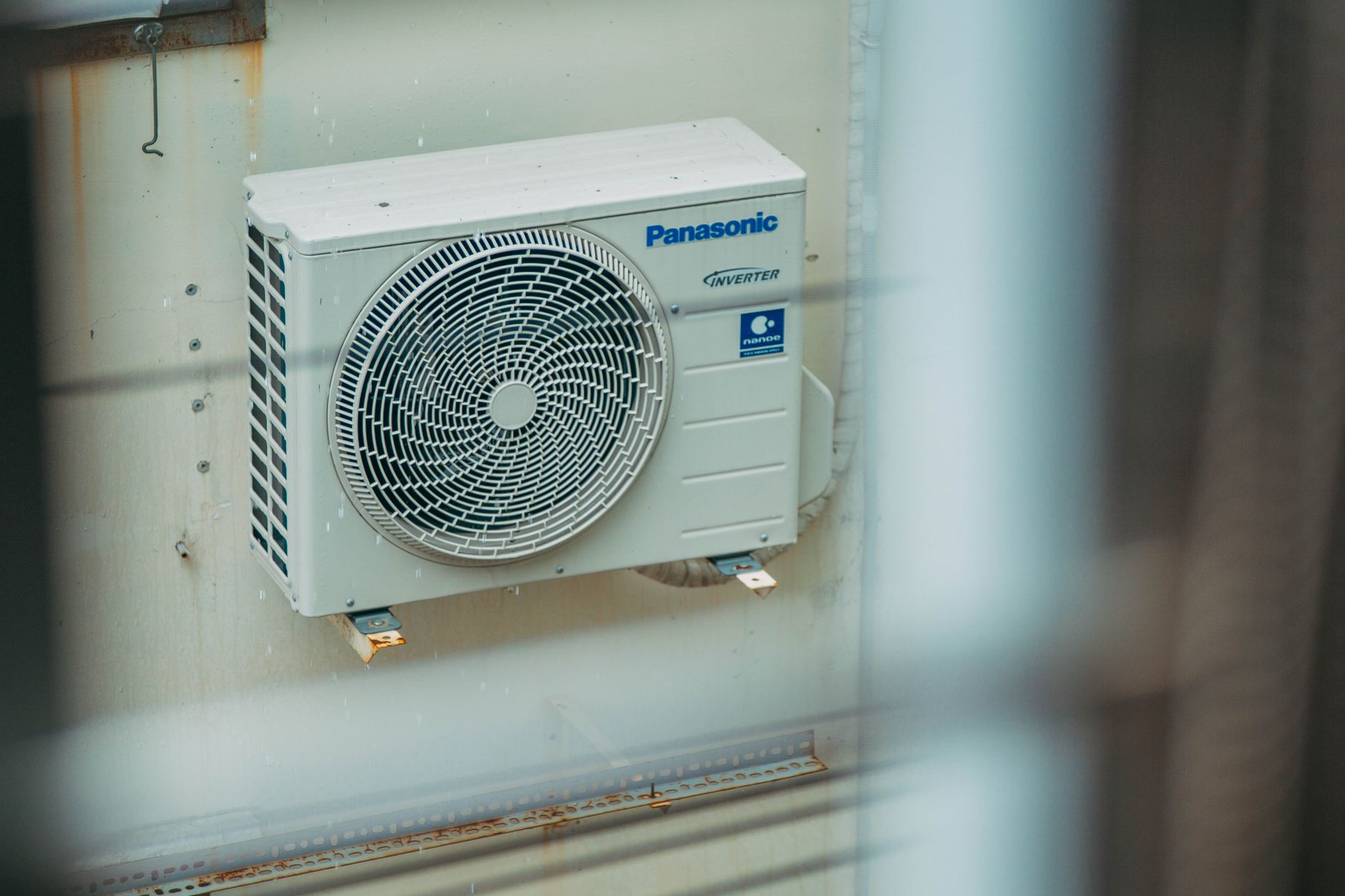
Mini-splits, also known as ductless mini-split heat pumps, operate on the principle of transferring heat rather than generating it. This is the core of their efficiency. They consist of two main components: an outdoor unit (containing the compressor, condenser, and expansion valve) and one or more indoor units (air handlers).
Here’s the basic process:
- Heat Absorption: In heating mode, the outdoor unit absorbs heat from the outside air. Even in cold weather, there’s still heat energy present in the air.
- Refrigerant Circulation: The refrigerant within the system circulates, carrying the absorbed heat to the indoor unit.
- Heat Transfer: At the indoor unit, the refrigerant releases the heat into the room. A fan blows air across the coils, distributing the warmed air.
- Reverse Cycle: When cooling, the process reverses, transferring heat from inside the house to the outside.
This process makes mini-splits incredibly efficient, often more so than traditional furnaces or electric baseboard heaters. They are often rated with a HSPF (Heating Seasonal Performance Factor), a measure of heating efficiency.
Benefits of Mini-Split Heating: More Than Just Warmth
Choosing a mini-split for heating comes with numerous advantages:
- Energy Efficiency: Mini-splits are highly energy-efficient, translating to lower utility bills.
- Zoned Heating and Cooling: Each indoor unit can be controlled independently, allowing for customized temperatures in different rooms.
- Easy Installation: Ductless systems are generally easier and less disruptive to install compared to ducted central heating systems.
- Quiet Operation: Mini-splits operate much quieter than window AC units or traditional furnaces.
- Versatility: Mini-splits provide both heating and cooling, making them a year-round solution.
- Improved Air Quality: Many mini-split systems include filtration systems that help improve indoor air quality.
Factors to Consider: Ensuring Optimal Performance
While mini-splits offer many benefits, it’s essential to consider certain factors for optimal performance:

- Climate: While modern mini-splits can operate efficiently in cold climates, extreme cold can still impact their performance.
- Proper Sizing: Correctly sizing the system to the room or area being heated is crucial for efficiency and comfort. An undersized unit will struggle to heat the space effectively, while an oversized unit may cycle on and off frequently, reducing efficiency.
- Professional Installation: Proper installation is critical for ensuring efficient operation and longevity.
- Maintenance: Regular maintenance, including cleaning filters and coils, is necessary to maintain optimal performance.
Common Mistakes to Avoid: Maximizing Your Investment
To get the most out of your mini-split heating system, avoid these common mistakes:
- DIY Installation: While seemingly tempting, DIY installation can lead to significant problems and void warranties.
- Neglecting Maintenance: Failing to clean filters and perform routine maintenance can reduce efficiency and lifespan.
- Incorrect Sizing: Choosing a unit that is too small or too large for the space will negatively impact performance and energy efficiency.
- Ignoring Airflow Obstructions: Blocking the airflow around the indoor or outdoor unit can reduce its efficiency.
- Poor Placement of Indoor Units: Installing indoor units in areas with poor air circulation can lead to uneven heating.
Comparing Mini-Splits to Other Heating Options: Making the Right Choice
Here’s a comparison of mini-splits to other common heating options:
| Heating System | Efficiency | Installation Difficulty | Upfront Cost | Zoning Capability |
|---|---|---|---|---|
| Mini-Split | High | Moderate | Moderate to High | Excellent |
| Central Furnace | Moderate | High | High | Limited |
| Electric Baseboard Heaters | Low | Easy | Low | Poor |
| Window AC with Heat | Low to Moderate | Easy | Low to Moderate | Poor |
This table highlights that while mini-splits might have a higher upfront cost, their energy efficiency and zoning capabilities often make them a more cost-effective choice in the long run, especially for targeted heating needs.
Are mini-splits only for heating one room?
No, mini-splits can be used to heat multiple rooms. Multi-zone systems allow you to connect several indoor units to a single outdoor unit, providing independent temperature control for each zone.
How cold can it be outside for a mini-split to work?
The minimum operating temperature varies depending on the model, but many modern mini-splits are designed to operate efficiently in temperatures as low as -13°F (-25°C). Cold-climate heat pumps are specifically engineered for extreme cold conditions.
How long do mini-split heat pumps last?
With proper maintenance, a mini-split heat pump can last 15-20 years or even longer.
Are mini-splits expensive to operate?
Generally, mini-splits are less expensive to operate than electric resistance heating (like baseboard heaters) and can be competitive with natural gas furnaces, especially when considering zonal heating capabilities.
Do mini-splits require ductwork?
No, one of the key advantages of mini-splits is that they are ductless, which makes them easier to install in homes without existing ductwork.
What maintenance is required for a mini-split?
Regular maintenance includes cleaning or replacing the air filters every 1-3 months, cleaning the outdoor unit’s coils annually, and having a professional inspection and tune-up every 2-3 years.
Can I install a mini-split myself?
While DIY installation is possible, it’s highly recommended to hire a qualified HVAC technician. Improper installation can void warranties, reduce efficiency, and potentially damage the equipment.
Do mini-splits make a lot of noise?
No, mini-splits are generally very quiet, with many models operating at noise levels comparable to a whisper.
Will a mini-split increase my home’s value?
In many cases, installing a mini-split can increase your home’s value due to its energy efficiency, comfort, and modern features. Buyers often appreciate lower utility bills and zoned heating/cooling.
Are mini-splits good for allergies?
Many mini-split systems come equipped with advanced filtration systems that can help remove allergens and improve indoor air quality, making them a good choice for allergy sufferers.
Can I use a mini-split as my primary heating source?
Yes, mini-splits can be used as a primary heating source, especially in milder climates or when used for zoned heating in specific areas of the home. In extremely cold climates, a supplemental heating source might be needed.
Is a mini-split heat always the best choice compared to a central air system?
Not always. Central air is generally more suitable for homes that already have existing ductwork. Is a mini-split heat the right choice depends on the home layout, climate, and specific heating and cooling needs.