
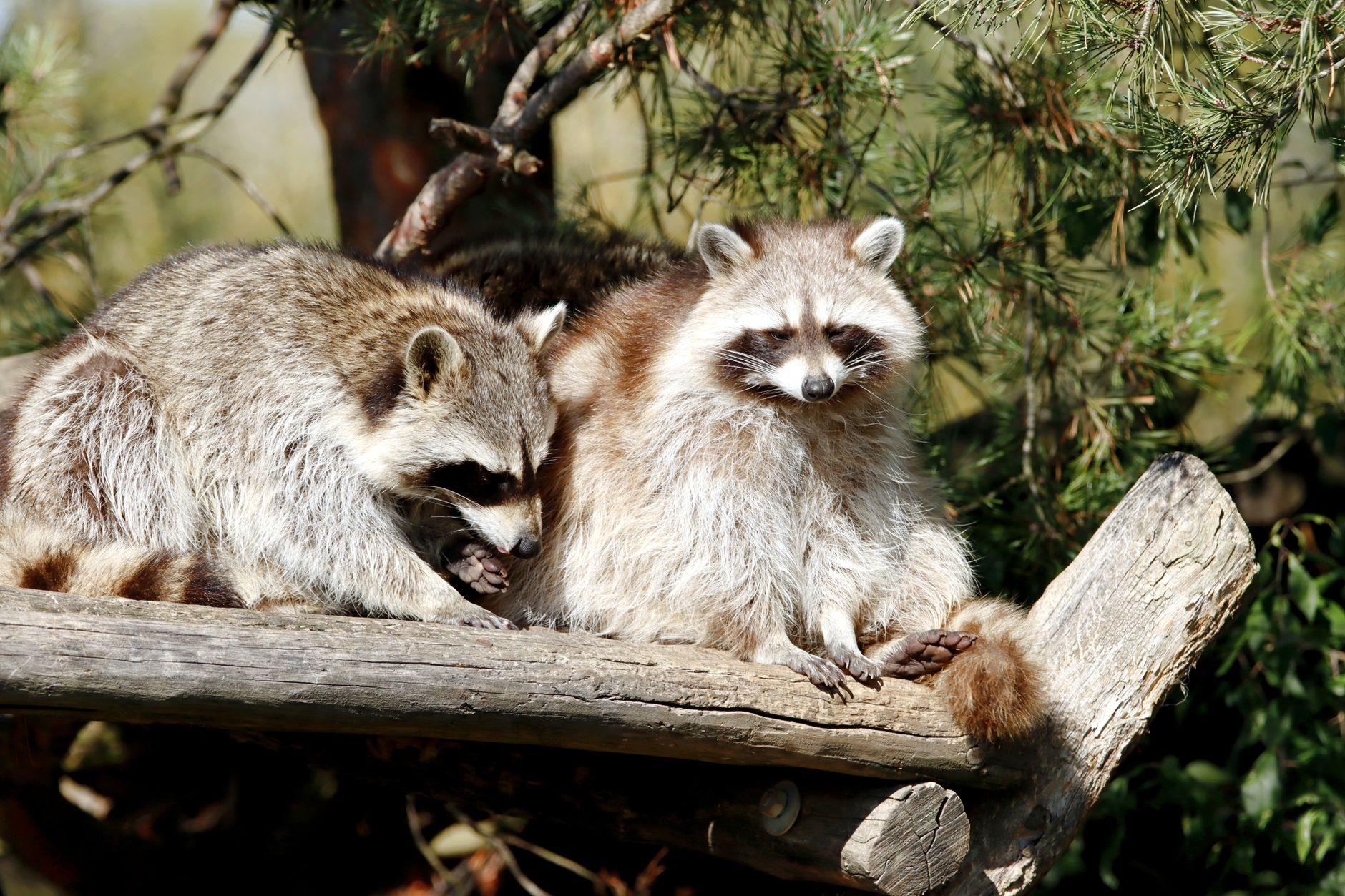
Do Skunks and Raccoons Get Along? Exploring the Dynamics of Two Urban Wildlife Rivals
Do skunks and raccoons get along? Generally, no, skunks and raccoons do not actively seek out each other’s company, but their interactions are typically driven by competition for resources and avoidance.

The Overlapping Worlds of Skunks and Raccoons
Skunks and raccoons, two of the most frequently encountered mammals in urban and suburban environments, often find themselves sharing the same territories. Understanding their behaviors, needs, and potential conflicts is crucial for coexisting peacefully with these resourceful creatures. Their relationship is less about friendship and more about navigating shared spaces and limited resources.
Shared Habitats and Dietary Preferences
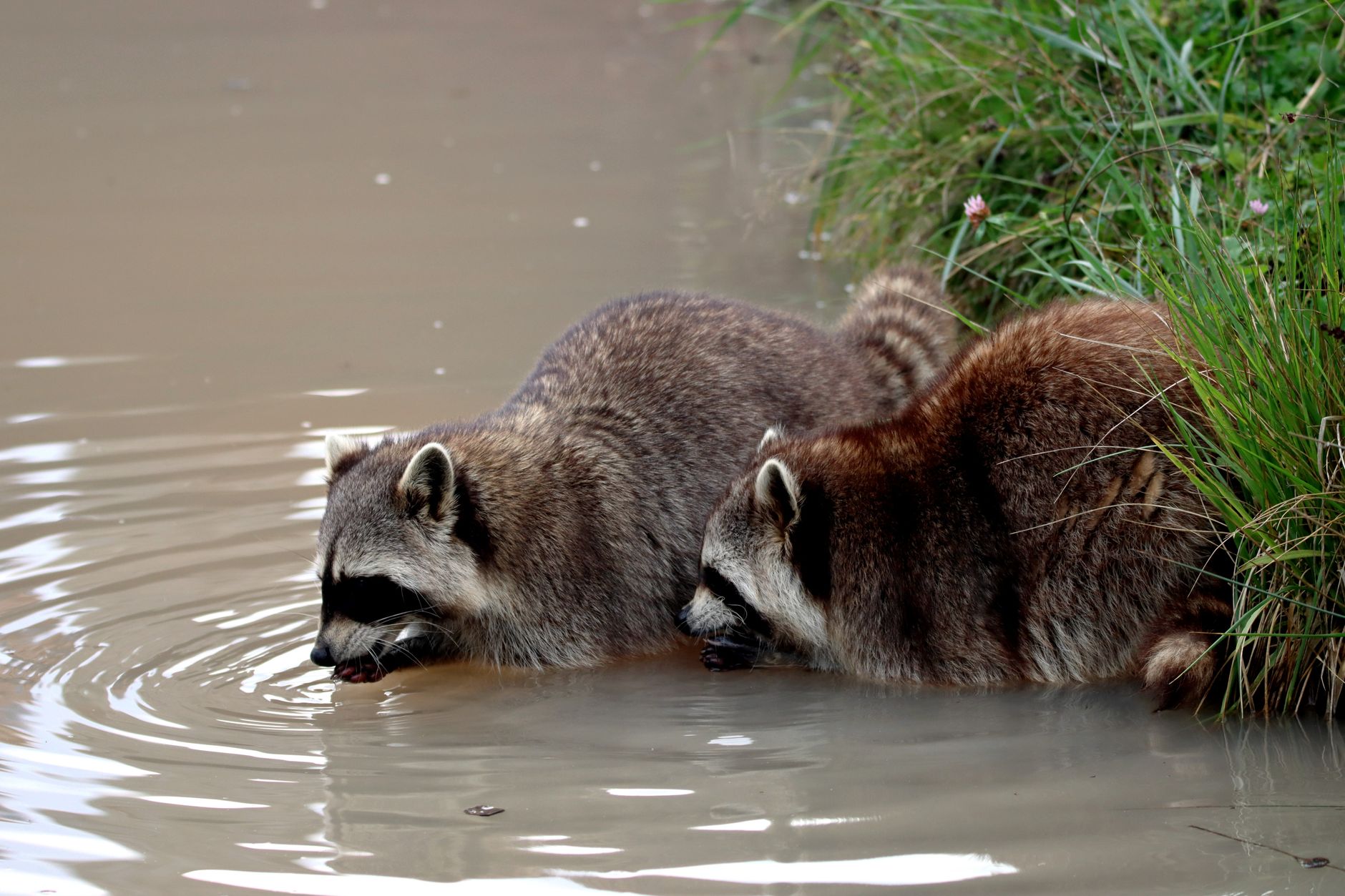
Both skunks and raccoons are omnivorous scavengers, meaning their diets consist of a wide variety of foods, including insects, fruits, nuts, rodents, garbage, and pet food. This dietary overlap directly contributes to competition. Both also thrive in similar habitats: forests, grasslands, agricultural areas, and, increasingly, urban and suburban settings where food and shelter are readily available. Attics, sheds, under decks – all are attractive denning locations for both species.
Competition for Resources: Food and Shelter
The main reason do skunks and raccoons get along? so often is no, is because of resource competition. With similar dietary needs, skunks and raccoons will compete for the same food sources. In urban areas, this competition often intensifies around easily accessible food sources like garbage cans and pet food. Shelter is another crucial resource. Both animals seek out protected spaces for denning, leading to potential clashes over prime locations.
Communication Styles and Conflict Avoidance
While direct confrontations aren’t common, both species employ communication methods to avoid unnecessary altercations. Skunks, of course, possess a powerful defense mechanism in their scent glands. Raccoons, known for their agility and intelligence, are generally capable of outmaneuvering a skunk. Visual displays, scent marking, and vocalizations all play a role in establishing territory and avoiding direct conflicts.
Typical Interactions: Avoidance and Occasional Confrontation
In most cases, skunks and raccoons will avoid each other. A raccoon may attempt to scare a skunk away from a food source, but a direct fight is relatively rare. The risk of being sprayed by a skunk is a deterrent for raccoons, while a skunk generally wants to avoid a physical confrontation with a much larger raccoon. If resources are plentiful, they might even tolerate each other’s presence at a distance. However, when resources are scarce, the likelihood of conflict increases.
Human Impact on Skunk-Raccoon Interactions
Human activities significantly influence the interactions between skunks and raccoons. Providing unintentional food sources (unsecured garbage, pet food left outdoors) exacerbates competition and can increase the likelihood of conflict. Habitat destruction, driven by development, further concentrates both species into smaller areas, intensifying the struggle for resources. Conversely, responsible waste management and habitat preservation can reduce conflict and promote peaceful coexistence.
Coexistence Strategies: Minimizing Conflict
Understanding the behavior and needs of skunks and raccoons is essential for minimizing conflict. Here are some practical strategies:
- Secure garbage cans with tight-fitting lids.
- Avoid leaving pet food outdoors.
- Eliminate potential denning sites (seal up openings in sheds, decks, and attics).
- Trim overgrown vegetation that provides cover.
- Use motion-activated lights to deter nocturnal activity.
Debunking Myths: Common Misconceptions
One common misconception is that skunks and raccoons are mortal enemies. While competition exists, they aren’t constantly battling. Another myth is that raccoons can easily defeat skunks. While raccoons are larger and more agile, the skunk’s potent spray is a formidable deterrent. Understanding the reality of their interactions is crucial for informed coexistence.
Table: Skunk vs. Raccoon – Key Differences
| Feature | Skunk | Raccoon |
|---|---|---|
| Size | Smaller, typically 5-10 lbs | Larger, typically 10-25 lbs |
| Distinct Feature | Scent glands, black and white stripes | Mask-like facial markings, ringed tail |
| Diet | Omnivorous, emphasis on insects | Omnivorous, highly adaptable |
| Temperament | Generally docile, defensive spray | More assertive, adaptable |
| Habitat | Diverse, including urban areas | Diverse, highly adaptable to urban areas |
Is it Possible for Skunks and Raccoons to Get Along?
While they won’t be best friends, the key takeaway for do skunks and raccoons get along? is that peaceful coexistence is possible with human intervention through the reduction of human-influenced food sources and den locations.

Frequently Asked Questions
Will a raccoon kill a skunk?
Generally, no. While a raccoon could physically overpower a skunk, it’s unlikely to do so. The risk of being sprayed by the skunk is a significant deterrent. Raccoons are intelligent enough to weigh the risks and usually prefer to avoid confrontation.
Are skunks afraid of raccoons?
Not necessarily afraid, but wary. A skunk is unlikely to initiate a confrontation with a raccoon, given the raccoon’s size and strength. The skunk’s primary defense is its spray, which it will use if it feels threatened. However, the skunk likely prefers avoiding such interactions.
Do skunks and raccoons ever share a den?
Extremely rarely. It’s possible, especially if denning sites are scarce and the animals have become accustomed to each other’s presence. However, it’s not a typical behavior, and the close proximity could increase the risk of conflict. Typically, a raccoon will displace a skunk if the raccoon needs the den.
What should I do if I see a skunk and a raccoon fighting?
It’s best to avoid interfering directly. Make loud noises from inside your home or activate motion-detecting lights to scare them away. Attempting to physically separate them could result in being sprayed or bitten.
How can I keep skunks and raccoons out of my yard?
Remove food sources (secure garbage cans, eliminate pet food left outdoors), eliminate potential denning sites (seal up openings in decks and sheds), and consider using motion-activated lights. These simple steps can significantly reduce their presence.
Are skunks and raccoons dangerous to humans?
Both animals can carry diseases, such as rabies. It’s important to avoid direct contact with them. If you are bitten or scratched, seek medical attention immediately.
What does it mean if I see both skunks and raccoons in my yard frequently?
It likely indicates that there are readily available food sources and/or suitable denning sites in your yard. Taking steps to eliminate these attractants is crucial for reducing their presence. Consider how to answer the question: do skunks and raccoons get along?
Do skunks and raccoons eat the same food?
Yes, both are omnivores and have highly adaptable diets. They eat a wide variety of foods, including insects, fruits, nuts, rodents, and garbage. This shared diet contributes to competition for resources.
Are skunks and raccoons active during the day?
Both are primarily nocturnal, but they may occasionally be active during the day, especially if food is scarce or they are disturbed from their sleep. Seeing them during the day is not necessarily a sign of rabies, but it’s still best to maintain a safe distance.
Will skunk or raccoon repellent work?
Some repellents may offer temporary relief, but they are not always effective. Their efficacy depends on the specific product, the animal’s habits, and environmental conditions. Focusing on eliminating attractants is a more sustainable solution.
Do skunks and raccoons hibernate?
Skunks do not hibernate, but they become less active during the winter and may spend extended periods in their dens. Raccoons also do not hibernate, but they may become less active and reduce their food intake during colder months.
How do I tell the difference between a skunk and a raccoon’s footprints?
Skunk footprints are smaller than raccoon footprints. Skunk front paws have five toes, but only four typically show in prints, with visible claws. Raccoon footprints are larger, with five toes visible on both front and hind paws, also with visible claws.