
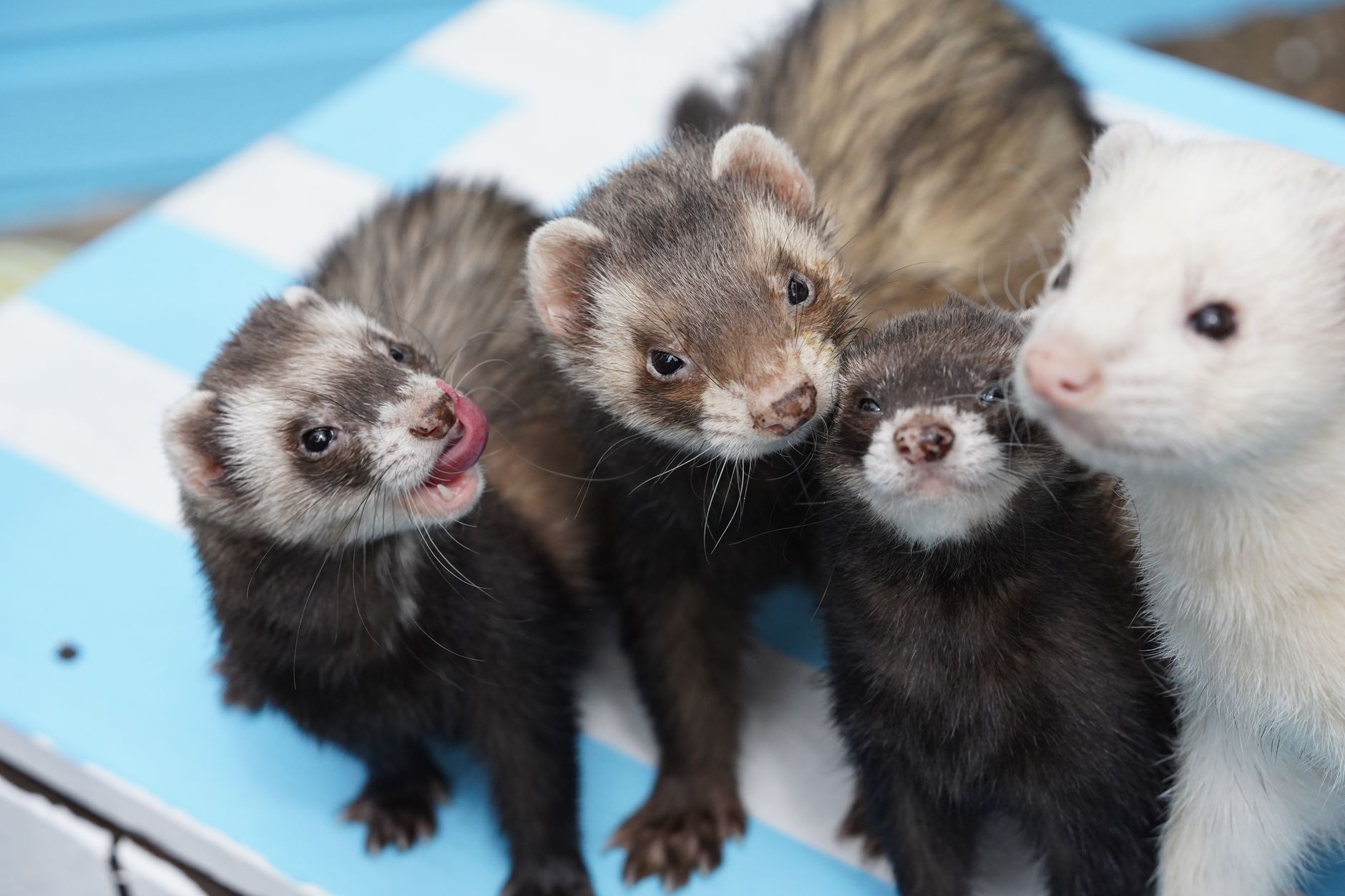
How Much Dry Food Should a Ferret Eat Each Day?
A ferret’s dietary needs are unique. Therefore, how much dry food a ferret should eat a day varies, but generally falls between 2-4 tablespoons of high-quality, meat-based dry food, divided into multiple small meals.

Understanding Ferret Nutritional Needs
Ferrets, with their playful antics and inquisitive nature, make wonderful companions. However, understanding their unique nutritional requirements is paramount for their health and longevity. They are obligate carnivores, meaning their bodies are designed to process animal protein and fats most efficiently. Their digestive system is short and fast, requiring frequent small meals. Neglecting their dietary needs can lead to serious health problems. The ideal ferret diet closely mimics what they would consume in the wild: primarily meat.
How many pieces of bacon a day is OK?
What is the GREY African clawed frog?
Is distilled water good for goldfish?
What colours are fish most attracted to?
The Importance of High-Quality Dry Food

Choosing the right dry food is crucial. Look for a kibble that’s:
- High in animal-based protein (30-40%)
- High in fat (18-30%)
- Low in fiber (less than 3%)
- Contains minimal plant-based ingredients
Avoid foods that are primarily grain-based or contain excessive amounts of fruits and vegetables. Meat should be the first ingredient listed. Consider brands specifically formulated for ferrets or high-quality cat foods that meet these specifications.
Determining the Right Amount of Dry Food
Determining how much dry food a ferret should eat a day depends on several factors, including:
- Age: Kits (baby ferrets) require more food to support rapid growth. Older ferrets may need less due to decreased activity levels.
- Activity Level: Highly active ferrets will burn more calories and require larger portions.
- Metabolism: Just like humans, ferrets have individual metabolic rates. Some naturally require more or less food than others.
- Health Status: Certain medical conditions can affect appetite and nutritional needs. Consult with your veterinarian for specific recommendations if your ferret has any health concerns.
- Body Condition: Regularly assess your ferret’s body condition. You should be able to feel (but not easily see) their ribs. If they are underweight or overweight, adjust their food intake accordingly.
A good starting point is 2-4 tablespoons per day, divided into multiple small meals. Monitor your ferret’s weight and adjust the amount as needed. Some ferret owners free-feed, meaning they leave food available at all times. While this can work for some ferrets, it’s crucial to monitor their weight closely to prevent overeating.
Establishing a Feeding Schedule
Ferrets have a rapid metabolism and need to eat frequently. Divide their daily food ration into at least two meals, one in the morning and one in the evening. You can also provide smaller meals or snacks throughout the day. Fresh water should always be available.
Supplementation and Treats
While high-quality dry food should form the foundation of a ferret’s diet, occasional treats can be offered in moderation. Suitable treats include:
- Cooked meat (plain chicken, turkey, or beef)
- Meat-based baby food (ensure it’s onion-free)
- Commercial ferret treats (read the ingredient list carefully)
Avoid sugary treats, fruits, vegetables, and dairy products, as these can cause digestive upset. Treats should make up no more than 10% of their daily calorie intake. Supplementation is usually not necessary if your ferret is eating a well-balanced dry food. However, some owners choose to supplement with taurine, an amino acid essential for heart health. Always consult with your veterinarian before adding any supplements to your ferret’s diet.
Monitoring Your Ferret’s Health
Regularly monitoring your ferret’s health is crucial. Look for signs of:
- Weight loss or gain
- Changes in appetite
- Lethargy
- Diarrhea or vomiting
- Changes in stool consistency
If you notice any of these symptoms, consult with a veterinarian who specializes in ferret care. These symptoms can indicate an underlying health problem that needs to be addressed.
Frequently Asked Questions about Ferret Feeding
How do I know if I’m feeding my ferret too much or too little?
- Check your ferret’s body condition regularly. You should be able to feel their ribs without easily seeing them. If their ribs are prominent, increase their food intake. If you can’t feel their ribs, reduce their food intake. Weight fluctuations are a key indicator and should prompt further review of their food consumption.
Can I feed my ferret wet food?
- Yes, you can supplement with wet food, but dry food should be the primary food source to help maintain dental health. Ensure the wet food is high in animal protein and low in carbohydrates. Wet food can be beneficial for older ferrets with dental problems or ferrets recovering from illness.
Is it okay to give my ferret bones?
- Never give cooked bones to a ferret as they can splinter and cause internal damage. Raw, meaty bones can be offered as a treat under supervision, but they should be appropriately sized to prevent choking. Always consult your vet before introducing raw bones into your ferret’s diet.
What should I do if my ferret is a picky eater?
- Start by offering a variety of high-quality dry foods to determine their preference. You can also try warming the food slightly to enhance its aroma. If your ferret refuses to eat, consult with your veterinarian to rule out any underlying medical conditions. Introducing new foods gradually is also crucial to avoid digestive upset.
My ferret has diarrhea. Is it related to their food?
- Diarrhea can be caused by a variety of factors, including food allergies, infections, and parasites. If your ferret has diarrhea, withhold food for 12-24 hours (but ensure they have access to water) and then reintroduce bland food gradually. If the diarrhea persists, consult with your veterinarian. Food sensitivities are common in ferrets.
Are grapes and raisins really bad for ferrets?
- Yes, grapes and raisins are toxic to ferrets, just as they are to dogs. They can cause kidney failure. Avoid giving your ferret any grapes or raisins.
Should I change my ferret’s food as they get older?
- As ferrets age, their metabolism may slow down, and they may become less active. You may need to reduce their food intake to prevent weight gain. Senior ferret diets are available which are lower in calories and fat and higher in fiber to aid digestion.
Can I give my ferret cat food?
- While high-quality cat food can sometimes be used as a substitute for ferret food, it’s important to choose a brand that meets the specific nutritional requirements of ferrets. Look for a food that’s high in animal protein and fat and low in fiber.
How often should I weigh my ferret?
- Weigh your ferret at least once a month to monitor for weight gain or loss. Record their weight and track any changes over time. This is a simple yet effective way to ensure you know how much dry food a ferret should eat a day.
My ferret seems hungry all the time. Should I just give them more food?
- Before increasing your ferret’s food intake, rule out any underlying medical conditions that may be causing increased appetite. Parasites or malabsorption issues can sometimes cause constant hunger. If your ferret is otherwise healthy, you can try increasing their food intake slightly, but monitor their weight closely.
What are the best brands of ferret food?
- There is no single “best” brand of ferret food, as preferences vary. However, some popular and reputable brands include Marshall Pet Products, Wysong Ferret Epigen 90, and Totally Ferret. Always read the ingredient list and nutritional information before choosing a food.
Can I give my ferret treats?
- Yes, you can give your ferret treats, but they should be offered in moderation and be appropriate for their digestive system. Avoid sugary treats, fruits, and vegetables. Suitable treats include cooked meat, meat-based baby food (onion-free), and commercial ferret treats (read the ingredients carefully). Remember, treats should only make up a small percentage of their daily calorie intake.