
How Much Coral Reef Have We Lost? The Alarming Decline and What It Means
Approximately half of the world’s coral reefs have been lost since the 1950s, and the decline is accelerating, with potentially devastating consequences for marine biodiversity and human livelihoods. This article explores the extent of this loss, its causes, and what can be done to reverse this alarming trend.

The Coral Reef Crisis: A Global Overview
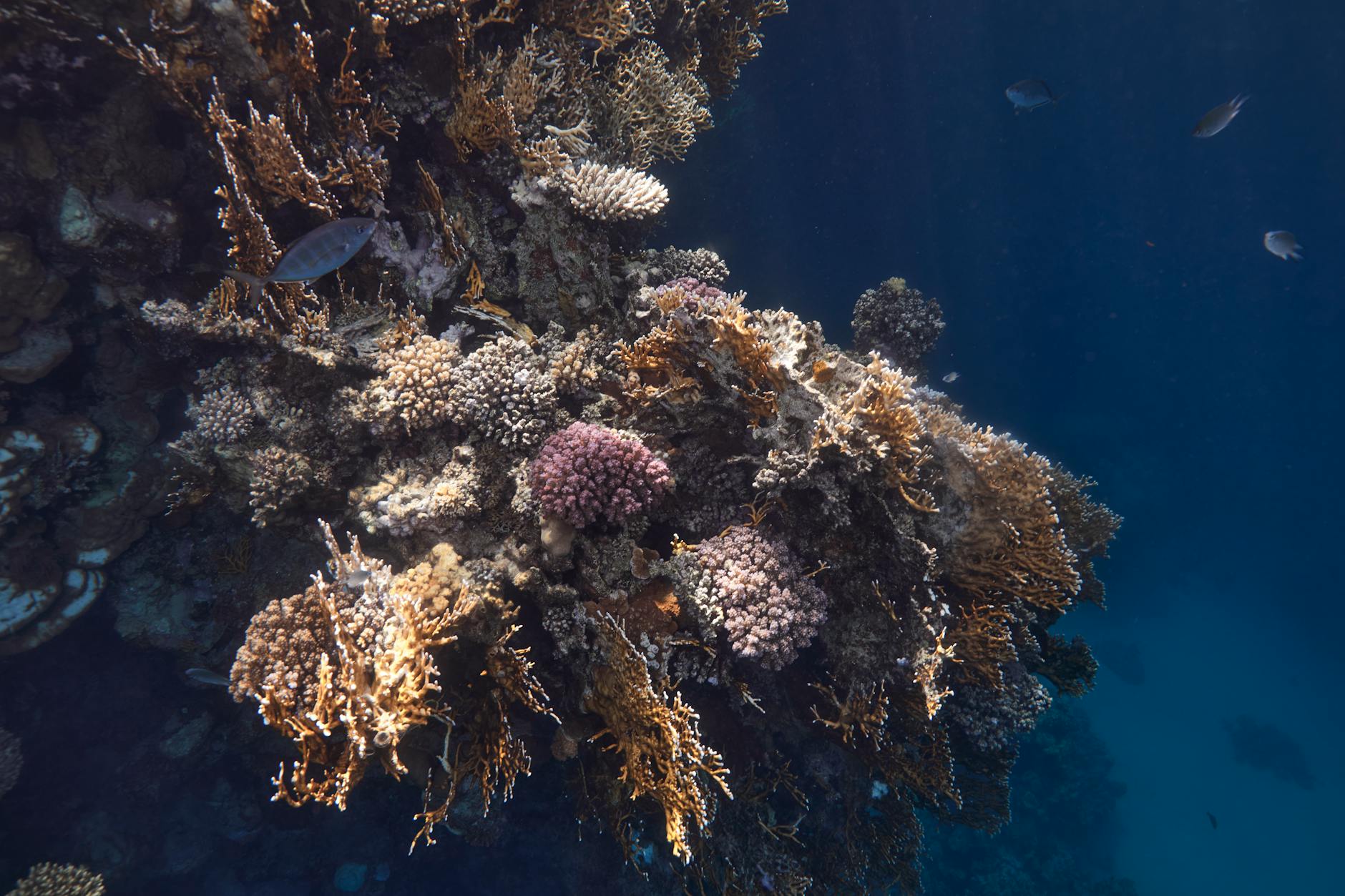
Coral reefs, often dubbed the “rainforests of the sea,” are among the most diverse and productive ecosystems on Earth. These vibrant underwater cities support an estimated 25% of all marine life, providing food, shelter, and breeding grounds for countless species. However, these invaluable ecosystems are facing an unprecedented crisis. How much coral reef have we lost? The answer is deeply concerning: widespread coral bleaching, disease outbreaks, and destructive human activities have decimated coral reefs worldwide. Understanding the scale of the problem is the first step towards effective conservation efforts.
Do all amphibians have eyelids?
Can you glue broken coral back together?
Why do cuttlefish have W-shaped eyes?
Do all snakes have poison in them?
The Importance of Coral Reefs

Before delving deeper into the extent of coral loss, it’s essential to understand why these ecosystems are so vital:
- Biodiversity Hotspot: Reefs provide habitat for a vast array of marine species.
- Coastal Protection: They act as natural barriers, protecting coastlines from erosion and storm surges.
- Fisheries Support: Many commercially important fish species rely on coral reefs for part or all of their life cycle.
- Tourism and Recreation: Reefs attract tourists, generating significant revenue for local economies.
- Medical Research: Coral reefs are a source of compounds used in the development of new medicines.
Measuring Coral Reef Loss: The Challenges
Quantifying coral reef loss is a complex undertaking. Direct observation and long-term monitoring programs are essential but resource-intensive. Satellite imagery and remote sensing technologies are also employed, but these methods have limitations in terms of resolution and accuracy. Despite these challenges, scientists have pieced together a comprehensive picture of the extent of coral reef degradation. Data is gathered from various sources, including:
- Underwater surveys conducted by divers and researchers.
- Satellite imagery and aerial photography.
- Historical records and data from past surveys.
- Modeling and predictive analysis.
The Primary Drivers of Coral Reef Loss
The decline of coral reefs is driven by a multitude of factors, many of which are interconnected:
- Climate Change and Ocean Warming: Rising ocean temperatures cause coral bleaching, weakening and eventually killing coral.
- Ocean Acidification: Increased levels of carbon dioxide in the atmosphere lead to ocean acidification, hindering coral growth and making them more vulnerable to bleaching.
- Pollution: Runoff from land-based sources, including agricultural fertilizers, sewage, and industrial waste, pollutes coastal waters and damages coral reefs.
- Overfishing: Removing key species from the food web can disrupt the delicate balance of the ecosystem and lead to algal overgrowth, which smothers coral.
- Destructive Fishing Practices: Bottom trawling, blast fishing, and cyanide fishing physically damage coral reefs.
- Coastal Development: Construction and dredging activities destroy coral habitats and increase sedimentation, which smothers coral.
A Grim Reality: Data on Coral Reef Loss
Global assessments indicate that approximately 50% of the world’s coral reefs have been lost since the 1950s. More alarmingly, the rate of decline is accelerating. Projections suggest that if current trends continue, up to 90% of coral reefs could be lost by 2050. Regionally, some areas have experienced even greater losses.
| Region | Estimated Coral Loss Since 1950s | Primary Drivers |
|---|---|---|
| Caribbean Sea | > 80% | Climate change, pollution, overfishing |
| Southeast Asia | > 50% | Climate change, destructive fishing, pollution |
| Great Barrier Reef | ~ 50% | Climate change, crown-of-thorns starfish outbreaks |
| Indian Ocean | ~ 30-50% | Climate change, overfishing |
These figures paint a stark picture of the dire situation facing coral reefs. The consequences of further losses would be catastrophic for marine ecosystems and the millions of people who depend on them. Addressing how much coral reef have we lost requires urgent and concerted action.
Hope for the Future: Conservation and Restoration Efforts
Despite the grim outlook, there is still hope for coral reefs. A variety of conservation and restoration efforts are underway, including:
- Reducing Greenhouse Gas Emissions: Mitigating climate change is crucial to addressing the root cause of coral bleaching and ocean acidification.
- Improving Water Quality: Reducing pollution from land-based sources can improve water quality and reduce stress on coral reefs.
- Sustainable Fishing Practices: Implementing sustainable fishing practices can help maintain the balance of the ecosystem and prevent overfishing.
- Marine Protected Areas: Establishing marine protected areas can safeguard coral reefs from destructive activities.
- Coral Restoration: Coral gardening and transplantation projects can help restore damaged reefs.
- Developing Heat-Resistant Corals: Scientists are working to develop coral species that are more resilient to rising ocean temperatures.
- Public Awareness and Education: Raising public awareness about the importance of coral reefs and the threats they face can encourage responsible behavior.
Individual Actions: What You Can Do to Help
While large-scale conservation efforts are essential, individual actions can also make a difference:
- Reduce your carbon footprint.
- Choose sustainable seafood.
- Support businesses that are committed to protecting the environment.
- Avoid using products that contain harmful chemicals.
- Educate yourself and others about the importance of coral reefs.
- Donate to organizations that are working to protect coral reefs.
- Be a responsible tourist when visiting coral reef areas.
Frequently Asked Questions (FAQs)
What is coral bleaching, and why is it so damaging?
Coral bleaching occurs when corals are stressed by changes in conditions such as temperature, light, or nutrients. The coral expels the symbiotic algae (zooxanthellae) living in its tissues, causing it to turn completely white. While bleached corals are not dead, they are severely weakened and more susceptible to disease and death. Prolonged or repeated bleaching events can lead to widespread coral mortality, contributing significantly to how much coral reef have we lost.
Are all types of coral equally vulnerable to bleaching?
No, different coral species have varying degrees of vulnerability to bleaching. Some species are more heat-tolerant than others, while others are more susceptible to disease. Understanding these differences is crucial for targeting conservation efforts and selecting appropriate species for restoration projects.
Can coral reefs recover from bleaching events?
Yes, coral reefs can recover from bleaching events if the stress is short-lived and the corals are healthy. However, recovery can take years or even decades. Repeated or severe bleaching events can overwhelm the coral’s ability to recover, leading to permanent damage and ecosystem collapse.
What is ocean acidification, and how does it affect coral reefs?
Ocean acidification is the ongoing decrease in the pH of the Earth’s oceans, caused by the uptake of carbon dioxide (CO2) from the atmosphere. Increased acidity reduces the availability of carbonate ions, which corals need to build their skeletons. This makes it harder for corals to grow and repair damage, making them more vulnerable to bleaching and disease.
How does pollution impact coral reefs?
Pollution from land-based sources, such as agricultural runoff, sewage, and industrial waste, can have devastating effects on coral reefs. Nutrients from fertilizers can cause algal blooms, which smother coral and block sunlight. Toxic chemicals can poison corals and other marine life. Sediment runoff can cloud the water and smother coral.
What are the main threats posed by overfishing?
Overfishing can disrupt the delicate balance of the coral reef ecosystem. Removing herbivorous fish that graze on algae can lead to algal overgrowth, which smothers coral. Removing predatory fish can lead to an increase in populations of coral-eating invertebrates, such as crown-of-thorns starfish.
What are marine protected areas (MPAs), and how effective are they?
Marine protected areas (MPAs) are designated areas of the ocean that are protected from certain human activities, such as fishing, mining, and oil and gas exploration. Well-managed MPAs can be highly effective in protecting coral reefs and promoting biodiversity. They can provide refuge for fish populations, reduce pollution, and allow coral reefs to recover from damage.
What is coral restoration, and what are some common techniques?
Coral restoration is the process of actively intervening to restore damaged coral reefs. Common techniques include coral gardening (growing coral fragments in nurseries and then transplanting them to reefs) and transplantation (moving healthy coral fragments from one area to another).
Are there any coral species that are naturally more resistant to heat stress?
Yes, some coral species are naturally more resistant to heat stress than others. These species may have evolved mechanisms to cope with higher temperatures, such as producing heat-shock proteins or having more resilient symbiotic algae. Scientists are studying these heat-tolerant corals to understand their adaptations and potentially use them in restoration efforts.
What are some of the long-term consequences of coral reef loss?
The long-term consequences of coral reef loss are far-reaching and include:
- Loss of biodiversity
- Decline in fisheries and food security
- Increased coastal erosion and vulnerability to storms
- Loss of tourism revenue
- Reduced medical research potential
What international agreements and policies are in place to protect coral reefs?
Several international agreements and policies address coral reef protection, including the Convention on Biological Diversity (CBD), the Ramsar Convention on Wetlands, and the United Nations Sustainable Development Goals (SDGs). However, enforcement of these agreements can be challenging, and more effective international cooperation is needed.
How can individuals contribute to coral reef conservation?
Individuals can contribute to coral reef conservation in many ways, including reducing their carbon footprint, choosing sustainable seafood, supporting businesses that are committed to protecting the environment, avoiding the use of harmful chemicals, educating themselves and others about the importance of coral reefs, and donating to organizations that are working to protect coral reefs. Addressing how much coral reef have we lost requires collective responsibility and action.