

How Many People Are Bit by Rattlesnakes in California? A Deep Dive
Approximately 800 people are bit by rattlesnakes in California each year, resulting in a small number of fatalities and significant medical expenses. This article delves into the factors influencing these bites, preventative measures, and the latest advancements in treatment.
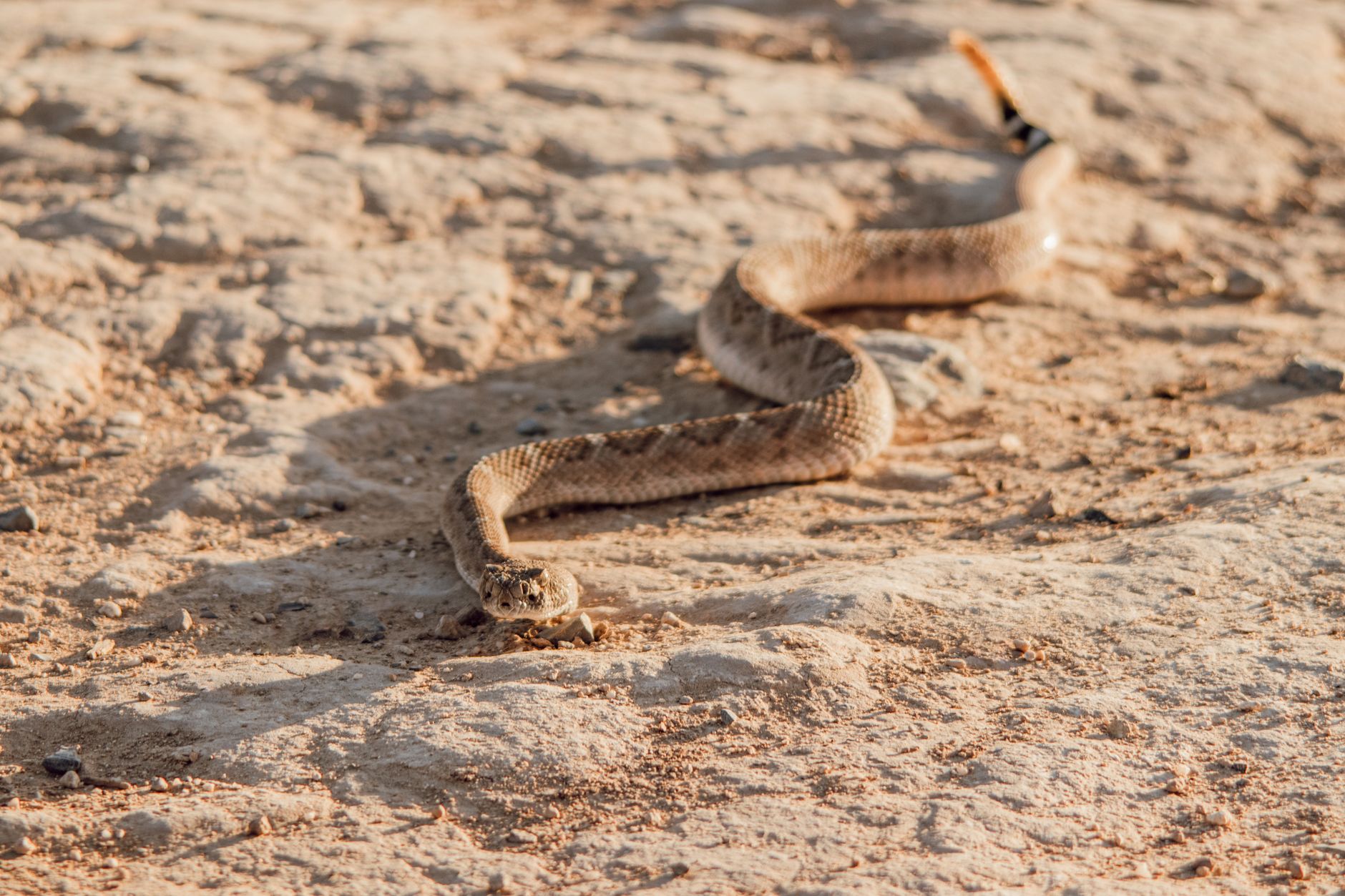
Understanding Rattlesnake Bites in California: An Overview
Rattlesnakes, iconic symbols of the American West, also represent a potential health hazard, particularly in California. While fatal rattlesnake bites are relatively rare, understanding the risks and implementing preventative measures is crucial for anyone living in or visiting rattlesnake-prone areas. This article will explore the frequency of rattlesnake bites, the factors that contribute to them, and what you can do to stay safe. We aim to answer: How many people are bit by rattlesnakes in California? and provide a comprehensive understanding of this important public health issue.

What is the GREY African clawed frog?
Is distilled water good for goldfish?
What colours are fish most attracted to?
Can you put your finger in a trout's mouth?
The Ecology of Rattlesnakes in California

California is home to various rattlesnake species, each adapted to different environments. The most common species include the Northern Pacific Rattlesnake and the Southern Pacific Rattlesnake. These snakes play an important role in the ecosystem, controlling rodent populations. However, their presence also creates the potential for human-wildlife conflict. Understanding their habitat and behavior is key to minimizing encounters.
- Habitat: Rattlesnakes can be found in a variety of habitats, from grasslands and deserts to forests and even urban areas.
- Activity: They are most active during the warmer months, especially during dawn and dusk.
- Diet: They primarily feed on rodents, lizards, and other small animals.
- Behavior: Rattlesnakes are generally not aggressive and will only bite if they feel threatened. They use their venom to subdue prey, not as a primary defense mechanism.
Factors Influencing Bite Frequency
Several factors influence the number of rattlesnake bites reported in California each year. These include:
- Climate: Warmer temperatures lead to increased rattlesnake activity and a longer “bite season.”
- Human encroachment: As urban areas expand into natural habitats, the likelihood of encounters increases.
- Recreational activities: Hiking, camping, and other outdoor activities put people at greater risk.
- Ignorance of safety precautions: A lack of awareness about rattlesnake behavior and safety measures can contribute to bites.
- Time of year: Bites peak during the spring and summer months when snakes are most active and people are outdoors more frequently.
Preventative Measures: Staying Safe in Rattlesnake Country
Preventing rattlesnake bites is always better than treating them. Several precautions can significantly reduce your risk:
- Be aware of your surroundings: Watch where you step and reach.
- Wear appropriate footwear: Hiking boots offer better protection than sandals.
- Stay on marked trails: Avoid venturing into dense vegetation.
- Make noise while hiking: This can alert snakes to your presence and give them time to move away.
- Never attempt to handle or harass a rattlesnake.
- Keep pets on a leash: Dogs are particularly vulnerable to rattlesnake bites.
- Clear brush and debris around your home: This reduces the potential for snakes to take up residence.
- Consider rattlesnake aversion training for dogs: This can teach them to avoid snakes.
Treatment and Outcomes
While rattlesnake bites can be serious, advancements in treatment have significantly improved outcomes. Antivenom is the primary treatment for rattlesnake envenomation. The severity of a bite and the amount of venom injected can vary greatly.
| Treatment Component | Description |
|---|---|
| Antivenom | Neutralizes the venom and prevents further tissue damage. |
| Wound Care | Cleaning and dressing the bite site to prevent infection. |
| Pain Management | Medications to alleviate pain and discomfort. |
| Supportive Care | Monitoring vital signs, managing complications, and providing fluids and respiratory support if necessary. |
How many people are bit by rattlesnakes in California? While statistics vary slightly year to year, around 800 typically require medical treatment. Death is rare, but can occur.
Debunking Common Myths About Rattlesnakes
Many misconceptions surround rattlesnakes and their behavior. Separating fact from fiction is essential for safety.
- Myth: Rattlesnakes always rattle before striking.
- Fact: Rattlesnakes may not always rattle, especially if they are surprised or feel threatened.
- Myth: All rattlesnake bites are fatal.
- Fact: While rattlesnake bites can be serious, death is rare with prompt medical treatment.
- Myth: You can suck the venom out of a rattlesnake bite.
- Fact: This is ineffective and can actually worsen the injury.
- Myth: Rattlesnakes are aggressive and actively seek out humans to bite.
- Fact: Rattlesnakes are generally shy and will only bite if they feel threatened.
The Role of Research and Education
Ongoing research plays a crucial role in understanding rattlesnake behavior, venom composition, and the effectiveness of different treatment strategies. Education programs are essential for raising awareness about rattlesnake safety and promoting responsible interactions with wildlife.
Frequently Asked Questions About Rattlesnake Bites in California
What should I do immediately if I am bitten by a rattlesnake?
If bitten, the most important steps are to stay calm and seek immediate medical attention. Call 911 or have someone drive you to the nearest hospital. Do not attempt to suck out the venom or apply a tourniquet. Keep the affected limb immobilized and below the level of the heart, if possible.
Is it true that baby rattlesnakes are more dangerous?
Baby rattlesnakes can be more dangerous because they may not have learned to control the amount of venom they inject. This can sometimes result in a more significant envenomation. However, any rattlesnake bite should be taken seriously, regardless of the snake’s age.
How effective is antivenom?
Antivenom is highly effective at neutralizing rattlesnake venom and preventing further tissue damage. The sooner it is administered, the better the outcome. However, it’s essential to remember that antivenom can have side effects and is not always necessary for every bite.
Can my dog be vaccinated against rattlesnake venom?
Yes, there is a rattlesnake vaccine for dogs. While it doesn’t completely prevent envenomation, it can lessen the severity of a bite and buy you more time to get your dog to a veterinarian. Discuss this option with your veterinarian to determine if it’s right for your dog.
How can I tell if a snake is poisonous?
In California, the vast majority of venomous snakes are rattlesnakes, easily identifiable by their distinctive rattle. However, it is always best to avoid handling or getting close to any snake regardless of whether you believe it is venomous.
Are there any natural remedies for rattlesnake bites?
There are no proven natural remedies for rattlesnake bites. Antivenom is the only effective treatment. Relying on unproven remedies can be dangerous and delay access to potentially life-saving medical care.
What are the long-term effects of a rattlesnake bite?
Long-term effects can vary depending on the severity of the bite and the effectiveness of treatment. Some people may experience chronic pain, scarring, or reduced function in the affected limb. In rare cases, there can be more serious complications.
How much does antivenom cost?
Antivenom is expensive, with a single dose costing thousands of dollars. The total cost of treatment can be substantial, but health insurance typically covers most of the expenses.
What is “dry bite?”
A “dry bite” is a rattlesnake bite in which no venom is injected. This occurs in roughly 20-25% of bites. However, it’s impossible to know for sure if venom was injected without medical evaluation, so all rattlesnake bites should be treated as potentially venomous.
Are rattlesnakes protected in California?
Rattlesnakes are not typically protected species in California, but there may be local ordinances that protect them in specific areas. It is always best to avoid harming or killing snakes unless they pose an immediate threat to human safety.
What time of year are rattlesnake bites most common?
Rattlesnake bites are most common during the spring and summer months, when snakes are most active and people are spending more time outdoors.
What is the survival rate after a rattlesnake bite?
The survival rate after a rattlesnake bite is very high with prompt and appropriate medical treatment. Fatalities are rare but can occur, especially in severe cases or when treatment is delayed. How many people are bit by rattlesnakes in California? And of those, how many die? Very few, thanks to advances in antivenom and medical care.